Decoding Nature’s Longevity Secrets: How Bat Genomes Point the Way to Human Health Breakthroughs

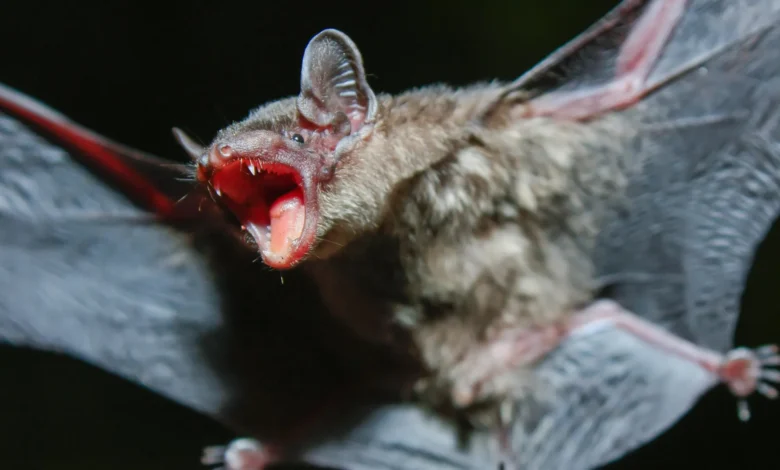
The pursuit of human longevity has long driven scientific inquiry, leading researchers to examine the genetic blueprints of Earth’s most resilient organisms. Among the most promising subjects in this ongoing search are bats, a remarkably diverse group of mammals capable of surviving for exceptional periods relative to their diminutive body size. Recent genomic research into the genus Myotis has shed unprecedented light on the biological mechanisms that allow these winged mammals to evade cancer, manage persistent viral infections, and live healthy lives spanning decades. Published in the prestigious journal Nature, this landmark study bridges the gap between immunology, oncology, and evolutionary biology, offering a fresh perspective on how human medicine might one day replicate nature’s most successful anti-aging strategies.
The Origins of the Research: Fieldwork and Methodology
The fascination with bat longevity began years ago for Juan Manuel Vazquez during his graduate studies at the University of Chicago. At the time, comprehensive genomic data concerning bats was severely limited, leaving fundamental questions about their extended lifespans unanswered. Following his transition to a postdoctoral fellowship at the University of California, Berkeley, in 2020, Vazquez embarked on a mission to gather empirical data directly from the source. Teaming up with UC Berkeley undergraduate students, he traversed the Western United States, deploying mist nets over remote streams, ponds, and rivers under the cover of darkness.
These nocturnal expeditions were designed to capture live bats safely, harvest minute biopsy samples for DNA sequencing, and immediately release the animals unharmed back into their natural habitats. The team concentrated much of their effort on the genus Myotis, a lineage renowned for extraordinary longevity within the mammalian class. Among these, the Brandt’s myotis (Myotis brandtii) stands out as a prime example; a documented specimen banded in Europe was recaptured half a century later, an astounding lifespan for an animal weighing only a few grams.
By analyzing the tissue samples collected during these field operations, Vazquez and his collaborators managed to sequence and assemble the first comprehensive analysis of eight distinct Myotis genomes. This rigorous methodology laid the foundation for discovering direct correlations between genetic makeup, disease resistance, and lifespan.
Unraveling the Longevity-Immunity Connection
The analysis of the Myotis genomes yielded immediate and striking insights, highlighting a profound connection between a species’ lifespan and its immune system functionality. Specifically, researchers observed that longer-lived bat species possessed significantly higher concentrations of genes associated with tumor suppression and cancer defense.
These findings indicate that achieving exceptional longevity relies heavily on maintaining an immune system that remains robust and vigilant against both infectious pathogens and malignant cell growth throughout the organism’s life. Furthermore, the study uncovered a substantial overlap between genes traditionally linked to the aging process and those responsible for defending the body against diseases. This genetic crossover suggests that aging and disease defense are not entirely separate biological pathways, but rather deeply intertwined processes.
Dr. Peter Sudmant, an associate professor of integrative biology at UC Berkeley who specializes in the genetics of aging, emphasized the broader implications of these genetic overlaps. By examining the diverse lifespans found across the animal kingdom, researchers aim to untangle the complex interplay between DNA damage and immune response, ultimately mapping pathways that could secure healthier lifespans for humans.
Cellular Self-Destruction as a Defense Mechanism
To test the practical implications of these genomic discoveries, Vazquez expanded his research into the laboratory by culturing cells harvested from bat wing biopsies. To date, his laboratory maintains active cell cultures from 259 individual bats representing 32 distinct species. When these cultured cells were exposed to severe physiological stress via toxic chemicals, the results challenged prevailing scientific assumptions.
Focusing on the little brown bat (Myotis lucifugus), the longest-lived bat species in North America, researchers anticipated that exposure to lethal chemical doses would trigger the activation of genes responsible for producing DNA repair proteins. Instead, the cellular response moved in the opposite direction. The cells rapidly upregulated genes that promote programmed cell death, or apoptosis.
Rather than expending finite metabolic resources trying to repair catastrophically damaged genetic material, the cells of these long-lived bats immediately prioritized self-destruction to eliminate potential threats, such as runaway mutations that could lead to cancer. This mechanism mirrors a survival strategy previously observed in elephants—another exceptionally large, long-lived, and cancer-resistant mammal. Both lineages have seemingly evolved to prioritize swift cellular elimination over high-risk repair when damage becomes unmanageable.
Evolutionary Success and High-Octane Physiology
To fully appreciate the uniqueness of Myotis longevity, context regarding the evolutionary history of bats is essential. Originating approximately 60 million years ago, bats achieved remarkable evolutionary success, expanding across every continent except Antarctica and currently representing roughly 20 percent of all mammalian species on Earth.
Within the order Chiroptera, the Myotis genus comprises approximately 139 recognized species. These animals provide a natural laboratory for comparative biology because closely related species exhibit dramatic disparities in lifespan. While Brandt’s myotis can survive for up to 50 years, the black Myotis (Myotis nigricans) of Central and South America typically lives for only about seven years.
This extreme variance within a single genus highlights the plasticity of mammalian aging. Scientists note that such a disparity is proportionally equivalent to a hypothetical scenario in which Neanderthals outlived modern humans by a factor of nine.
Compounding this physiological wonder is the unique nature of the bat immune system. Operating at a persistently high level of alertness, bat immunity allows these animals to harbor an extraordinary array of viruses without exhibiting clinical symptoms of disease. This high-performance immune state is widely believed to be fueled by the intense metabolic demands of flight. Vazquez likens the nightly foraging flights of insectivorous bats—where individuals pursue prey at high speeds for hours—to humans running multiple ultramarathons every single day.
Genomic Overlap: Fighting Viruses and Aging Simultaneously
A crucial breakthrough in the recent study emerged when Vazquez cross-referenced his identified longevity genes with data compiled by collaborator Elise Lauterbur, then at the University of Arizona. Lauterbur had independently mapped genes involved in host-pathogen interactions, specifically how bats respond to viral infections.
The comparison revealed a statistical overlap far exceeding random chance between genes governing maximum lifespan and those dictating viral defense mechanisms. Furthermore, the genomic analysis demonstrated that Myotis bats possess an unusually high number of genes dedicated to producing proteins that interact specifically with DNA viruses, such as herpesviruses.
This genetic profile contrasts sharply with humans and other primates. While bats show high enrichment for genes interacting with DNA viruses, primates predominantly exhibit evolutionary selection for proteins that combat RNA viruses, including influenza, HIV, and coronaviruses. This fundamental evolutionary mismatch explains why viruses originating from bats can pose severe zoonotic threats when transmitted to human populations, whose immune architectures are unaccustomed to handling specific viral loads managed effortlessly by chiropteran physiology.
Implications for Human Medicine and Future Research
The implications of this research extend far beyond evolutionary biology, offering tangible avenues for therapeutic development in human medicine. By understanding how bats maintain immune vigor, manage inflammation, and suppress tumors without exhausting their biological systems, researchers hope to translate these natural blueprints into novel treatments for age-related human illnesses.
As research transitions into its next phase, Juan Manuel Vazquez has established a new laboratory at Pennsylvania State University to continue dissecting the genetic levers of longevity using his extensive cell culture repository. Concurrently, Dr. Sudmant’s team at UC Berkeley is deepening its investigation into how mammalian cells regulate immune responses and balance the trade-offs of deploying aggressive antiviral proteins while safeguarding their own genomic integrity.
Ultimately, the study of bat genomics demonstrates that nature has already engineered effective solutions to many of the biological hurdles that compromise human health. By decoding the genetic strategies of Earth’s most resilient flying mammals, science moves closer to ensuring that human aging is marked not by unavoidable physiological decline, but by sustained health and vitality.
Related posts: