Montana State University Researchers Discover Hidden Cellular Survival Mechanism That Could Transform Cancer Treatment

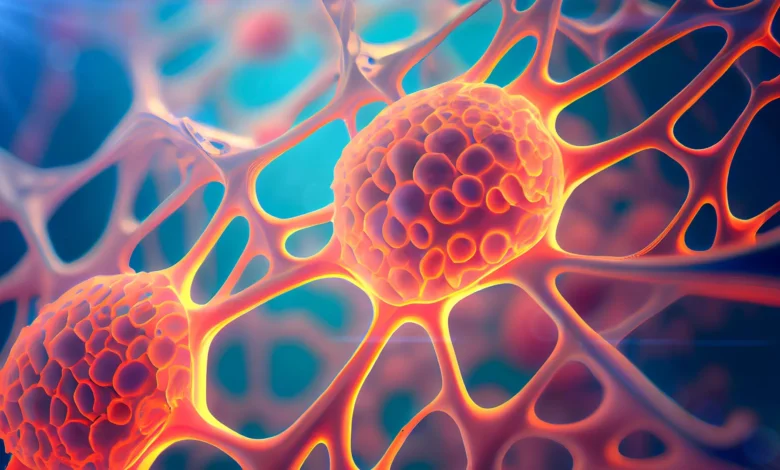
The landscape of cellular biology has been permanently altered following a groundbreaking discovery at Montana State University, where researchers have identified a previously unknown biological survival mechanism in mammalian cells. Led by Ed Schmidt, a professor of genetics and development in the Department of Microbiology and Cell Biology within the university’s College of Agriculture, the research team demonstrated that mammalian cells can independently synthesize the essential amino acid cysteine even when the cellular systems conventionally responsible for this task are completely nonfunctional. Published in the prestigious journal Nature Chemical Biology, this revelation challenges decades of established biochemical dogma, which maintained that such cellular survival was biologically impossible. The findings not only rewrite fundamental textbooks regarding cellular metabolism but also unveil a potential metabolic vulnerability in tumors, offering a promising new horizon for enhancing the efficacy of cancer therapies.
For generations, the scientific consensus regarded the internal generation of cysteine as an absolute prerequisite for mammalian life. While external sources of cysteine are virtually nonexistent in the extracellular environment, cells rely on a constant internal supply to execute a myriad of vital physiological functions. Cysteine serves as a foundational building block for proteins, acts as a primary antioxidant protecting cells from oxidative damage, and facilitates the formation of disulfide bonds. These specialized chemical links are critical for stabilizing proteins and preserving their intricate three-dimensional architectures. Historically, biochemistry dictated that cells could only generate this indispensable molecule by cleaving cystine—an oxidized dimer of cysteine—via a dedicated network known as the disulfide reductase system. The prevailing scientific consensus dictated that the presence of at least one functional component of this reductase machinery was non-negotiable for cell viability. The new study shatters this long-standing paradigm, revealing a sophisticated, alternative biochemical pathway that activates when primary mechanisms fail.
A Nine-Year Scientific Odyssey: The Chronology of Discovery
The path to this paradigm-shifting discovery was neither rapid nor straightforward, unfolding over a meticulous nine-year investigative journey that began in earnest in 2014. The genesis of the breakthrough emerged from an anomalous observation in a specialized colony of genetically engineered laboratory mice. These murine subjects had been bred to lack any conventional mechanism for converting cystine into the cellularly required cysteine. Under the established rules of biochemistry, these animals should have experienced rapid and fatal cellular collapse. Instead, to the astonishment of the research team, the mice survived and maintained physiological functions.
The investigation was not the result of a serendipitous laboratory accident, but rather the deliberate culmination of years of targeted genetic experimentation. Prior to 2014, Dr. Schmidt had successfully engineered mouse lineages in which specific liver cells selectively lacked one or the other of the two primary disulfide reductases. As he analyzed the physiological responses within the livers of these distinct mouse lines, anomalies began to surface. Certain metabolic and cellular behaviors defied prevailing theoretical models, prompting Schmidt to question the infallibility of the dogma surrounding disulfide reductase dependency. Driven by intellectual curiosity and rigorous skepticism, his team set out to test whether a cell could indeed survive the total ablation of its canonical reductase systems.
Unlocking the precise biochemical mechanics behind this unexpected survival required an additional seven years of intensive research and international collaboration. To decode how the cells were circumventing the supposed metabolic blockades, Schmidt partnered with Dr. Peter Nagy and his research group at the Hungarian National Institute of Oncology in Budapest. The Hungarian team brought advanced analytical capabilities to the partnership, allowing the researchers to trace the metabolic fate of cystine in real time. Through rigorous molecular and chemical analysis, the joint team discovered that mammalian cells harbor a deeply buried, alternative chemical route. When the primary disulfide reductase pathway is disabled or unavailable, this clandestine backup mechanism initiates a precise chemical cleavage of an adjacent carbon-sulfur bond within the cystine molecule. This alternative reaction successfully liberates usable cysteine, effectively bypassing the defunct machinery and rescuing the cell from metabolic starvation.
Evolutionary Roots: An Ancient Defense Against Environmental Toxins
To contextualize the evolutionary significance of this newly uncovered pathway, Dr. Schmidt and his colleagues looked deep into the evolutionary history of multicellular organisms. The research team posits that this backup survival system did not originate solely to manage internal metabolic stress, but rather evolved as an ancient evolutionary adaptation against environmental toxins. Specifically, the pathway is believed to have served as a defense mechanism against electrophilic toxins—reactive organic molecules frequently deployed by competing organisms, predators, or toxic environmental sources as chemical weapons.
In the primordial stages of multicellular life, organisms encountered a vast array of exogenous chemical stressors capable of disrupting cellular redox balance and destroying vital proteins. By developing an alternative route to secure essential amino acids and maintain cellular integrity during chemical trauma, early multicellular organisms gained a critical evolutionary advantage. This metabolic flexibility allowed cells to withstand periods of severe oxidative or electrophilic stress without succumbing to immediate cell death. The preservation of this ancient pathway in modern mammalian cells underscores its fundamental importance to biological resilience, acting as a molecular evolutionary safeguard passed down through millions of years of evolution.
Implications for Oncology: A Potential Vulnerability in Cancer Cells
While this ancient defense mechanism plays a vital protective role in healthy mammalian tissue, it possesses a dark corollary when viewed through the lens of modern oncology. The very same biochemical pathway that shields normal cells from environmental toxins and oxidative stress is now suspected of providing a dangerous refuge for cancer cells. Malignant tumors are notoriously resilient, frequently exploiting native cellular defense systems to endure the punishing physiological stress induced by chemotherapy, radiation therapy, and immunotherapy. These clinical interventions are purposefully designed to overwhelm cancer cells with oxidative and chemical damage; however, tumor cells often co-opt endogenous survival pathways to repair themselves and evade destruction.
Recognizing this potential loophole, the research team is pivoting toward translational applications. The discovery that cancer cells may rely on this newly identified backup pathway to survive therapeutic assaults opens up an entirely new therapeutic frontier. If pharmacologists and molecular biologists can develop targeted inhibitors capable of selectively disabling this alternative pathway within tumors, it could strip cancer cells of their metabolic armor. When combined with existing radio- or chemotherapeutic protocols, such targeted interventions could significantly heighten the vulnerability of malignant cells, potentially overcoming treatment resistance and improving clinical outcomes for cancer patients.
Collaborative Effort and Student Contributions
The realization of this scientific milestone was significantly accelerated by the contributions of a dedicated cohort of students and trainees at Montana State University. The research project served as a rigorous training ground for emerging scientists, with several undergraduate and graduate students playing pivotal roles in the day-to-day experimental work. Zoe Seaford and Sydney Austad served as co-first authors on the published study, conducting their foundational investigations as undergraduate researchers embedded within Schmidt’s laboratory. Additional undergraduate contributions came from Martina Serrano Alvarez and Reed Noyd, while Colin Miller participated as a doctoral student, ensuring that the next generation of researchers received hands-on experience in high-impact molecular genetics.
Institutional leaders have been quick to praise the collaborative and multidisciplinary nature of the achievement. Sreekala Bajwa, dean of the MSU College of Agriculture, emphasized the profound global resonance of the work. "This scientific breakthrough underscores the power of research to redefine what we thought was possible and advance new approaches to cancer treatment," Bajwa stated. "I congratulate Dr. Schmidt and his team for their exceptional achievement and for engaging students as true partners in research that delivers global impact."
Dr. Schmidt, who has been a faculty member at Montana State University since 1999, maintains a diverse and active research portfolio encompassing gene regulation, cellular physiology, mammalian genetics, embryology, and advanced metabolism. This latest discovery cements his laboratory’s reputation at the forefront of molecular genetics, proving that even the most deeply entrenched scientific certainties remain open to revision through relentless inquiry, international collaboration, and innovative student-driven research.