Wearable Device Unveils Hidden Nighttime Hormone Surges That Drive Hard-to-Detect High Blood Pressure

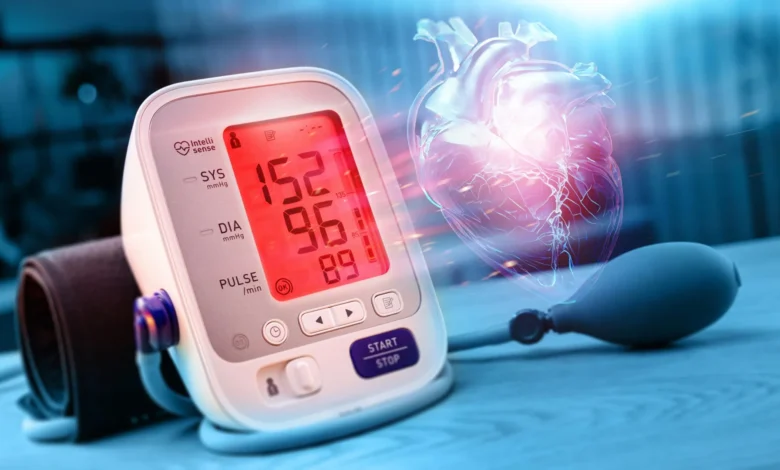
High blood pressure, or hypertension, is frequently described as a silent killer. It affects more than a billion people globally and serves as a primary catalyst for cardiovascular catastrophes, including strokes, myocardial infarctions, and debilitating kidney diseases. Yet, despite decades of widespread screening campaigns and pharmaceutical advancements, a significant proportion of hypertensive patients fail to achieve adequate blood pressure control, even when utilizing multiple medications. For millions of these individuals, the root cause of their elevated vascular pressure is not idiopathic or lifestyle-induced, but rather an undiagnosed endocrine disorder known as primary aldosteronism.
A groundbreaking international study recently published in the prestigious journal Science Translational Medicine indicates that primary aldosteronism may afflict up to one in five individuals suffering from hypertension. The research—conducted by a multidisciplinary consortium of scientists from the University of Bristol and the University of Manchester in the United Kingdom, the University of Bergen in Norway, alongside clinical collaborators in Stockholm and Athens—reveals that the elusiveness of this condition is largely logistical. Conventional diagnostic pathways rely heavily on single-point blood draws taken during standard daytime clinical hours. However, the new findings demonstrate that the hormonal imbalances driving the condition frequently manifest as erratic, hidden surges during sleep, entirely escaping the purview of routine medical evaluations.
To bridge this diagnostic gap, the research team deployed an innovative, wearable continuous-sampling technology known as U-RHYTHM. This mobile device, roughly the dimensions of a standard smartphone and secured comfortably at the waist, non-invasively samples subcutaneous hormone levels every 20 minutes over a continuous 24-hour cycle. By enabling patients to move freely and sleep naturally within their home environments while data is meticulously recorded, the technology has illuminated a previously obscured nocturnal pattern of hormone secretion. This breakthrough not only sheds light on the physiological mechanisms underpinning secondary hypertension but also introduces a potential paradigm shift in how clinicians diagnose and treat endocrine-driven cardiovascular disorders.
Understanding Primary Aldosteronism and the Diagnostic Dilemma
Primary aldosteronism occurs when the adrenal glands—two small, triangular glands situated atop the kidneys—produce excessive amounts of the hormone aldosterone. Aldosterone plays a vital physiological role in regulating the body’s fluid and electrolyte balance by instructing the kidneys to retain sodium while excreting potassium. When aldosterone is secreted in unphysiologically high quantities, the body retains abnormal amounts of sodium and water, expanding blood volume and driving arterial pressure upward.
Beyond merely elevating blood pressure, chronic excess of aldosterone exerts direct, toxic effects on the cardiovascular system. It promotes myocardial fibrosis, stiffening of the blood vessels, and systemic inflammation, thereby exponentially increasing a patient’s lifetime risk of developing severe heart disease, debilitating strokes, atrial fibrillation, and end-stage renal disease. Despite these severe risks, primary aldosteronism has historically remained notoriously underdiagnosed. According to clinical guidelines established by the Endocrine Society, screening for the disorder is recommended for all individuals presenting with hypertension; nevertheless, only a tiny fraction of eligible patients are ever formally tested.
The core impediment to diagnosis lies in the dynamic and fluctuating nature of hormone secretion. Unlike chronic conditions characterized by static biomarker elevations, aldosterone does not remain consistently high throughout the day. Instead, it is secreted in pulsatile bursts. Consequently, a patient undergoing a routine morning blood draw may exhibit entirely normal aldosterone levels simply because the test coincided with a physiological trough rather than a peak. Even in severe presentations of the disease, baseline concentrations frequently dip below the established diagnostic thresholds, leading to false-negative results, prolonged diagnostic odysseys, and delayed therapeutic interventions.
The Chronology and Methodology of the Breakthrough Trial
The newly published proof-of-concept investigation represents the culmination of years of engineering refinement and clinical validation. The chronology of this technological leap forward stretches back to academic laboratories in Bristol, where the foundational concept of ambulatory hormone profiling was first conceptualized.
Over the course of the recent multi-center trial, researchers tracked 60 carefully selected patients diagnosed with or evaluated for hypertension across clinical sites in Bristol, Bergen, Stockholm, and Athens. The protocol required each participant to wear the waist-mounted U-RHYTHM device continuously for 24 hours. Rather than drawing venous blood—a procedure that inherently induces acute physiological stress and alters endocrine profiles—the device continuously samples interstitial fluid just beneath the skin’s surface, capturing minute-by-minute fluctuations in hormone concentrations without disrupting the patient’s normal daily routine or sleep architecture.
In 2023, recognizing the immense commercial and clinical utility of the platform, the technology was formally adopted and advanced by Dynamic Therapeutics, a dedicated university spinout company aimed at scaling the manufacture and deployment of ambulatory endocrine monitors. The 60-patient study utilized advanced computational and mathematical modeling to analyze the high-resolution data streams generated by the device. Researchers mapped not only aldosterone concentrations but also two structurally related steroid hormones: 18-hydroxycortisol and 18-oxocortisol.
The resulting data challenged several long-held assumptions within clinical endocrinology. The computational analysis revealed that while the overall circadian rhythm governing the body’s daily hormonal cycles remained intact, patients with primary aldosteronism experienced intense, localized secretory bursts of aldosterone during the nocturnal hours. These nighttime spikes were particularly pronounced in individuals whose pathology was driven by unilateral primary aldosteronism—a condition in which only one of the two adrenal glands becomes hyperactive, typically due to a benign, hormone-secreting adenoma.
Crucially, the study verified the clinical validity of these nocturnal bursts through a decisive interventional test: following the surgical removal of the hyperactive adrenal gland (a procedure known as an adrenalectomy), the erratic hormone patterns vanished entirely, and patients experienced significant improvements in their blood pressure control. This direct correlation confirmed that the nighttime surges were not random physiological noise, but rather direct biomarkers of the underlying pathology.
Expert Perspectives and Clinical Implications
The implications of continuous ambulatory monitoring extend far beyond academic endocrinology, offering a tangible pathway toward precision medicine in primary care.
Dr. Thomas Upton, a Clinical Research Fellow in Automated Sampling at the University of Bristol and Senior Clinical Fellow at Bristol Hospitals NHS Foundation Trust, as well as co-lead author of the study, emphasized the scale of the missed opportunity in current clinical practice. "Primary aldosteronism is an important cause of high blood pressure and the most common cause of secondary hypertension we see in our blood pressure clinic," Dr. Upton stated. "It could be affecting millions of people in the UK. However, due to the way hormones change during the day and the current complexity of the diagnostic process, diagnosis is often delayed or never made at all."
Dr. Upton underscored the real-world advantages of the home-monitoring approach. "In our study, patients were monitored at home during normal activity, and this allowed us to see how hormones changed over time in realistic settings. This approach could potentially revolutionize how we diagnose hypertension and ultimately reduce cardiovascular disease—particularly heart disease and strokes—that could have been prevented."
Echoing these sentiments, study senior author Dr. Eder Zavala, a UKRI Future Leader Fellow at the University of Manchester, pointed to the power of advanced data analytics in interpreting complex biological signals. "By continuously monitoring hormones over 24 hours, we were able to reveal a previously hidden pattern of nocturnal hormone bursts," Dr. Zavala explained. "This gives us a much clearer understanding of the disease and could ultimately help doctors detect it earlier and treat patients more effectively. A more detailed mathematical and computational analysis of daily hormonal profiles could eventually also help uncover earlier and more subtle forms of the disease, opening new opportunities to improve outcomes for patients living with high blood pressure."
Professor Stafford Lightman, Professor of Medicine at the University of Bristol and the original inventor of the U-RHYTHM technology, argued that the findings necessitate a fundamental revision of international clinical guidelines. "The findings suggest that clinicians may need to rethink how they look for the disorder, which the Endocrine Society clinical practice guidelines now recommend should be considered for all people with hypertension," Professor Lightman noted. "Future diagnosis could move away from single time point blood tests and towards tracking the body’s hormone rhythms over time, particularly the overnight patterns that appear to hold crucial clues to disease. Further research is needed to define the best clinical pathways, using dynamic hormone measurement, to ensure early diagnosis of this common and potentially curable cause of high blood pressure."
Broader Impacts on Healthcare Systems and Patient Outcomes
The societal and economic burdens of poorly controlled hypertension are immense, consuming vast resources across global healthcare infrastructure through hospitalizations for strokes, heart failure admissions, and long-term renal dialysis. Because primary aldosteronism is one of the few forms of hypertension that can be effectively cured—either through targeted surgical removal of the affected adrenal gland or via specific mineralocorticoid receptor antagonist medications—identifying the condition early changes the trajectory of a patient’s life.
By replacing snapshot diagnostic tests with continuous, time-series hormonal profiling, medical practitioners can transition from reactive disease management to proactive, preventative care. Patients who previously endured decades of escalating multi-drug regimens with inadequate blood pressure control may finally receive an accurate diagnosis, pinpointing the precise physiological driver of their condition.
Looking forward, the research consortium aims to expand its clinical investigations through larger, multi-center trials designed to integrate wearable ambulatory monitoring into standard primary care pathways. These studies will seek to establish standardized diagnostic algorithms based on continuous hormone metrics, determining the precise computational thresholds required to flag pathology during sleep.
The financial backing for this foundational work has been secured through a robust coalition of international grant-making bodies, including the European Union’s Horizon 2020 research and innovation program, the Trond Mohn Foundation, the UKRI Biotechnology and Biological Sciences Research Council (BBSRC), the Medical Research Council, University Hospitals Bristol and Weston NHS Foundation Trust, the Swedish Medical Research Council, and the Knut and Alice Wallenberg Foundation. Furthermore, the initiative aligns directly with the University of Bristol’s overarching research ‘Grand Challenge’ initiative focused on understanding and preventing cardiovascular disease, reinforcing a broader national commitment within the UK National Health Service (NHS) to accelerate the early identification of individuals at high risk for vascular complications.
As wearable health technologies continue to evolve from consumer fitness trackers to sophisticated medical-grade diagnostic instruments, platforms like U-RHYTHM signal a new era in clinical medicine. By capturing the biological whispers that occur while patients sleep, medical science is moving closer to unraveling the complex physiological mechanisms of hypertension, offering renewed hope to millions living in the shadow of preventable cardiovascular disease.