The modern travel landscape has increasingly shifted toward hyper-visibility. Social media algorithms continuously broadcast the same overcrowded coastal villages, high-priced mountain resorts, and bustling metropolitan wellness retreats, often replacing genuine restoration with inflated price tags and logistical stress. For travelers seeking a true psychological and physical reset, the antidote lies in anonymity. Opting for off-the-beaten-path destinations across the United States—places defined by proximity to soothing water sources, sparse crowds, and historical significance—offers a more meaningful, low-impact travel experience.
According to recent tourism and hospitality studies, traveler preferences have pivoted toward slow travel and restorative seclusion. Destinations that prioritize quietude, immersion in nature, and access to natural geothermal features or expansive bodies of water are seeing a quiet surge in demand from demographic segments exhausted by burnout culture. These under-the-radar locales provide authentic self-care opportunities without the traditional friction of mainstream tourism circuits. From historic mineral springs steeped in presidential lore to rugged lakeside archipelagos, five hidden U.S. wellness destinations offer the ultimate blueprint for a restorative escape.
1. Hot Springs, Arkansas: Gilded Age Architecture and Ancient Geothermal Waters
Long before it became a modern weekend getaway, the area now known as Hot Springs, Arkansas, was recognized by Indigenous peoples for the restorative properties of its thermal waters. Flowing out of the mountain at an average temperature of 143 degrees Fahrenheit, roughly one million gallons of mineral-rich water emerge daily from 47 thermal springs.
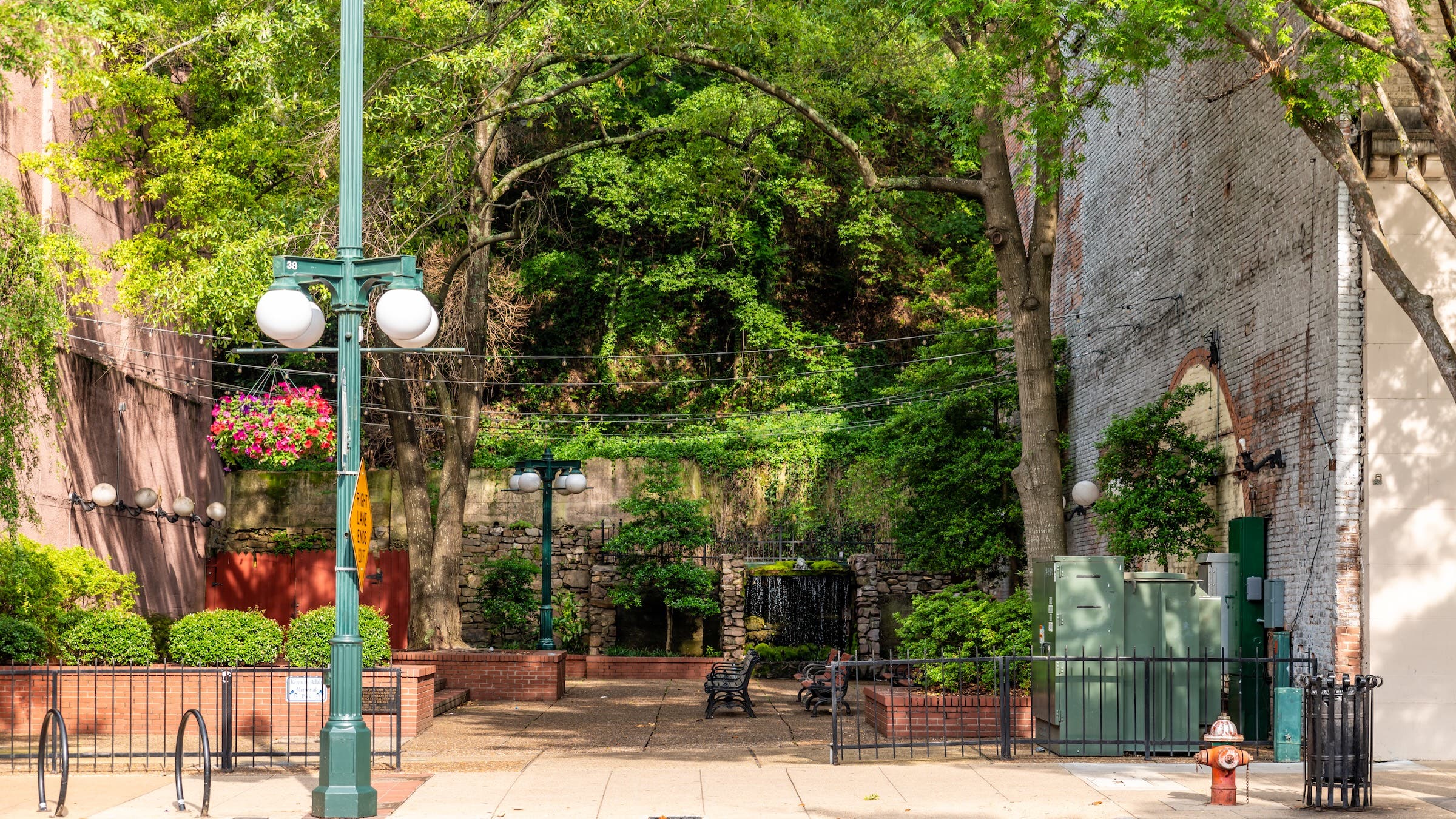
The chronology of the region’s development as a public health sanctuary dates back to 1832, when the U.S. Congress designated the area as a federal reservation—making it the oldest protected area in the National Park System, predating Yellowstone by four decades. By the late 19th and early 20th centuries, the city evolved into the premier luxury bathhouse destination in the United States, attracting major league baseball players, prominent politicians, and even notorious figures from the Prohibition era seeking the curative powers of the water.
Today, visitors can experience this history firsthand along Bathhouse Row, a collection of nine Gilded Age bathhouses preserved by the National Park Service. Among them, the Fordyce Bathhouse operates as the park’s visitor center, showcasing period-accurate medical equipment and opulent architecture, while Buckstaff Bathhouse continues to offer traditional, immersive mineral baths. Beyond the historic downtown, the surrounding Ouachita Mountains—particularly nearby Mount Ida—serve as a premier global destination for quartz crystal mining, allowing travelers to combine thermal soaking with tactile, grounding earth-based activities like crystal foraging.
Where to Stay: Forest Tiny Cabin with Cedar Hot Tub
- Overview: Situated just outside the dense urban core, this secluded woodsy cabin offers a private cedar hot tub, bridging the gap between wilderness immersion and modern comfort.
- Pricing & Capacity: Starting at $200 per night; accommodates up to 2 guests.
2. Bayfield, Wisconsin: Lake Superior Seclusion and Apostle Islands Wilderness
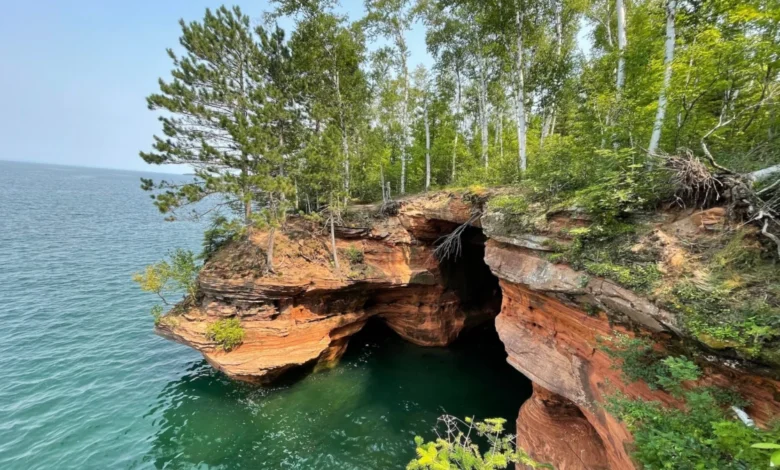
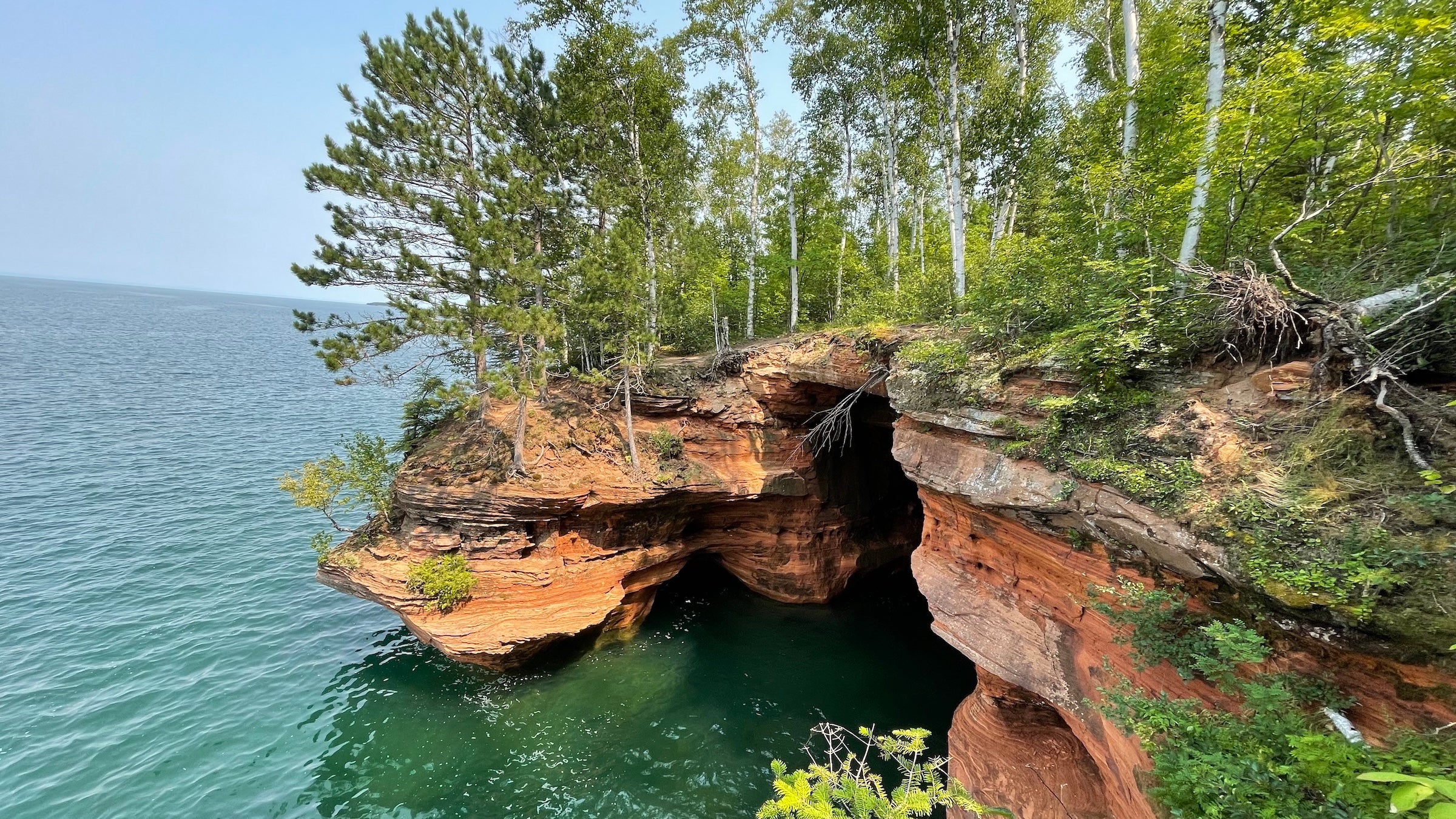
In the upper Midwest, the shores of Lake Superior offer a masterclass in elemental grounding. Bayfield, Wisconsin, is the smallest city in the state by population, yet it serves as the primary gateway to the Apostle Islands National Lakeshore—a collection of 21 wind-swept islands characterized by dramatic sandstone sea caves, old-growth forests, and sheer cliffs.
The wellness appeal of Bayfield lies in its seamless integration of active outdoor recreation and agrarian simplicity. During the warmer months, visitors routinely kayak across the pristine waters of Lake Superior to navigate the intricate sea caves formed by centuries of wave action and freezing ice cycles. For land-based travelers, the region boasts an extensive network of serene lakeside hiking trails that traverse the northernmost edge of Wisconsin. Additionally, the local agricultural landscape features the Bayfield Fruit Loop, a cooperative of 13 family-owned orchards and farms where visitors can harvest berries, apples, and cherries, anchoring their trip in tactile, slow-paced agricultural traditions.
For those seeking a structured wellness program, the region houses institutional retreats such as Wild Rice Retreat, which offers year-round programming focused on creative expression, movement, and yoga amidst the boreal forest.
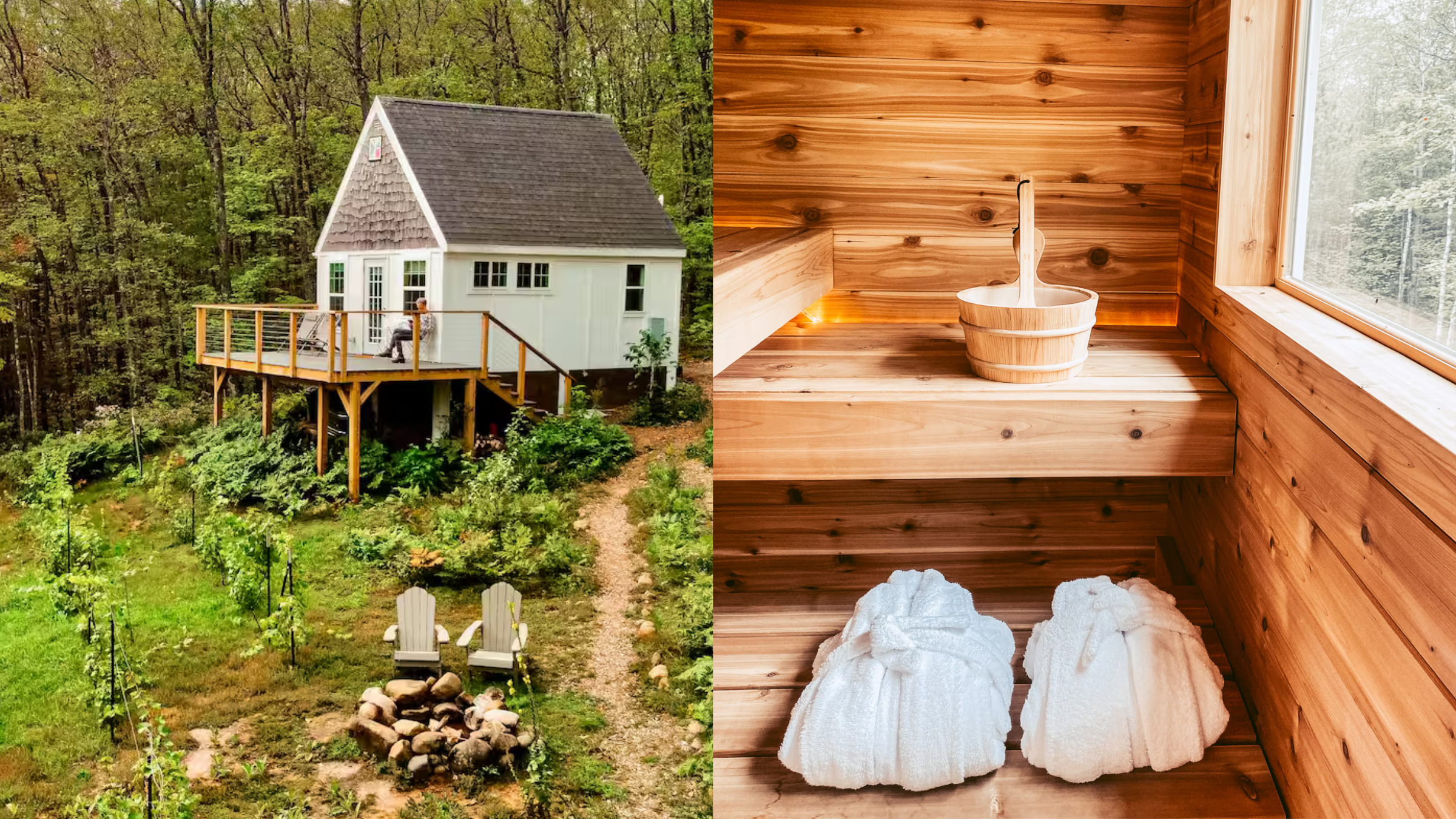
Where to Stay: Romantic Vineyard Cabin
- Overview: Designed with total relaxation in mind, this picturesque property features an integrated private sauna and a cold plunge pool, echoing Scandinavian wellness traditions.
- Pricing & Capacity: Starting at $285 per night (three-night minimum); accommodates up to 2 guests.
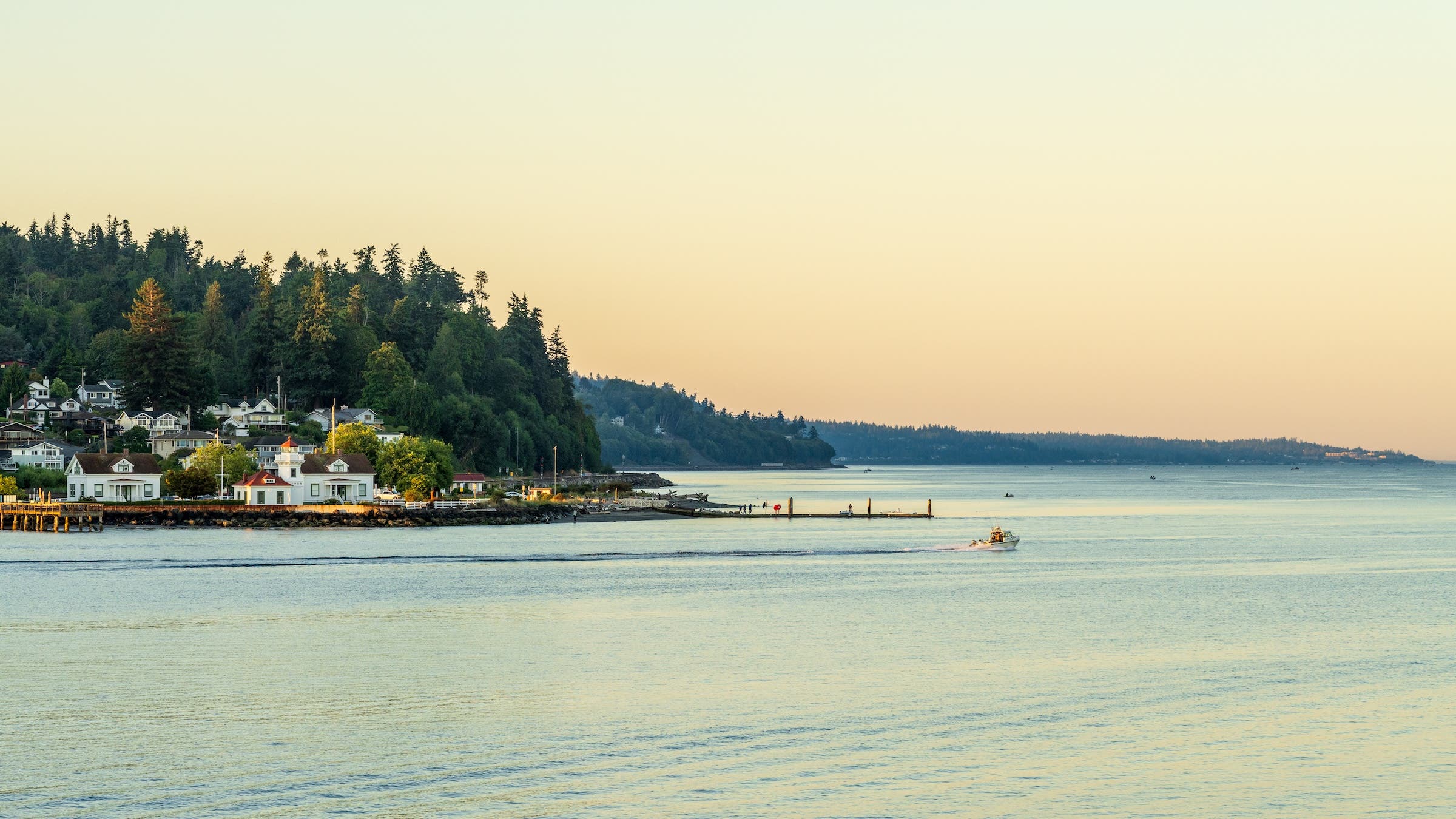
3. Whidbey Island, Washington: Pacific Northwest Mist and Spiritual Sanctuaries
The Pacific Northwest has long held a reputation as a geographic haven for introspection, and Whidbey Island captures this ethos in its purest form. Located north of Seattle and accessible via ferry or bridge, the island stretches across more than 50 miles of changing landscapes, ranging from high bluff-top meadows to protected salt-water inlets and dense old-growth forests.
The historical trajectory of Whidbey Island is rooted in indigenous Coast Salish heritage, followed by mid-19th-century maritime settlement and military fortification during the World Wars. Today, these historic sites—such as Ebey’s Landing National Historical Reserve—coexist with a thriving community of artists, writers, and holistic practitioners. The environmental rhythm of the island is dictated by coastal weather patterns, shifting effortlessly from bright maritime sun to moody, mist-laden fog that encourages quiet contemplation.
Travelers seeking spiritual exploration often visit Earth Sanctuary, a 72-acre nature reserve and sculpture garden on the island. Designed as an interfaith contemplative space, the property incorporates sacred stones, medicine wheels, labyrinths, and Tibetan Buddhist stupas modeled after sacred global sites, blending ecological conservation with deep meditative architecture.
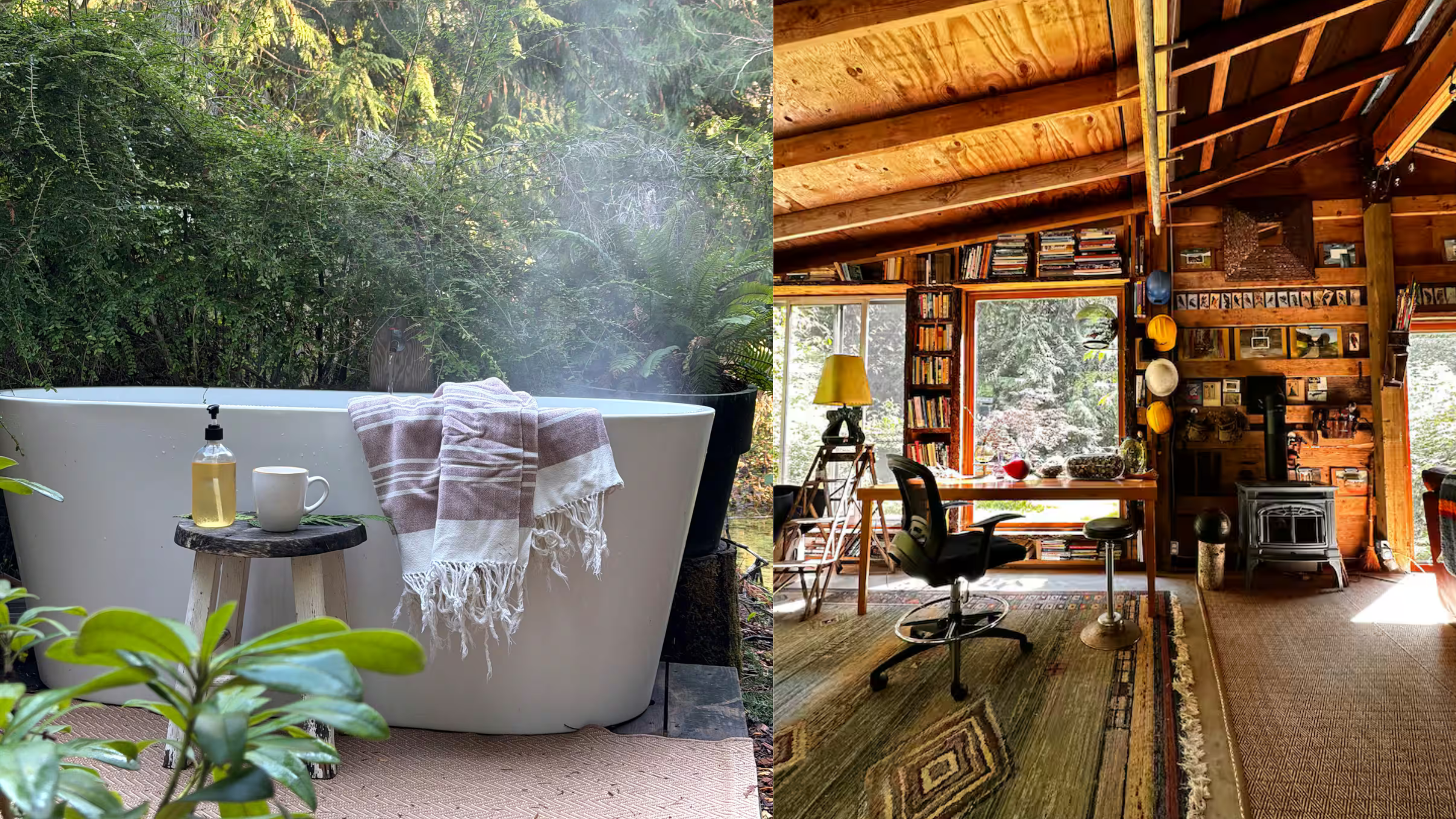
Where to Stay: A Quiet Whidbey Cabin + Creative Studio
- Overview: An eclectic, art-forward property featuring a dedicated creative workspace and a magical outdoor soaking tub set deep within the island’s evergreen canopy.
- Pricing & Capacity: Starting at $330 per night (two-night minimum); accommodates up to 2 guests.
4. Truth or Consequences, New Mexico: Desert Solitude and Mineral Artesian Wells
Few American towns possess a narrative as distinctive as Truth or Consequences, New Mexico. Originally incorporated as the agricultural and trading settlement of Hot Springs, the municipality famously changed its name in March 1950 via a town-wide referendum to secure hosting rights for the popular NBC radio quiz show Truth or Consequences.
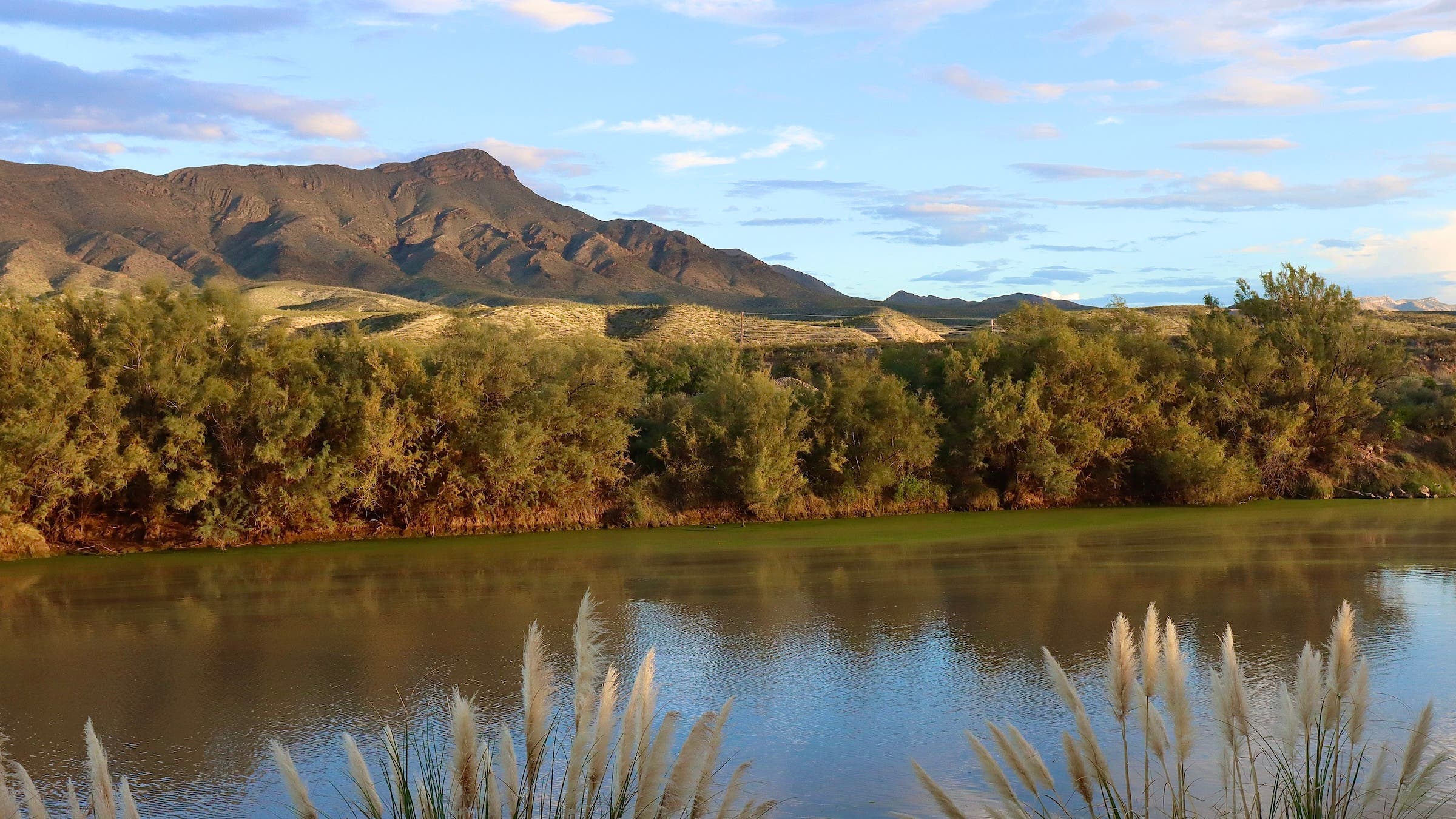
Despite its pop-culture moniker, the city remains a deeply tranquil sanctuary nestled within the Chihuahuan Desert. The town sits atop a massive geothermal aquifer, feeding a cluster of natural artesian mineral springs that maintain constant, therapeutic temperatures ranging from 98 to 110 degrees Fahrenheit. Unlike high-traffic commercial resort towns, the vibe in Truth or Consequences is resolutely unpretentious, defined by a distinct mix of historic Wild West architecture, bohemian art galleries, and a slow-paced desert lifestyle.
Visitors can spend their days drifting down the nearby Rio Grande or utilizing the historic bathhouses scattered throughout the downtown Hot Springs Bathing District. The chemical composition of the water—abundant in minerals like sulfate, chloride, and sodium—is frequently cited by wellness practitioners for its capacity to ease muscle tension, improve circulation, and promote deep nervous system relaxation.
Where to Stay: Riverside Hot Springs Private Retreat
- Overview: This property allows guests to bypass public bathhouses entirely, featuring a private, fed hot spring directly overlooking the flowing current of the Rio Grande.
- Pricing & Capacity: Starting at $282 per night (two-night minimum); accommodates up to 4 guests.
5. Berkeley Springs, West Virginia: America’s First Spa Town
Long before the founding of the United States, the mineral springs of present-day Berkeley Springs, West Virginia—historically chartered as Bath—served as a neutral meeting ground and healing site for various Native American nations. The historical significance of the area was cemented in the 18th century when a young George Washington frequently visited the springs to alleviate his health ailments, documenting his visits in meticulous journal entries starting in 1748.
Recognized widely as the nation’s first spa town, Berkeley Springs centers entirely around a constant flow of thermal mineral water that emerges from the ground at a refreshing 74 degrees Fahrenheit. The springs are funneled directly into the Roman Baths inside Berkeley Springs State Park, where visitors have soaked in the historic stone tubs for centuries.
For travelers whose wellness regimens prioritize physical movement over hydrotherapy, the surrounding Appalachian terrain provides ample opportunity for active recovery. The nearby Cacapon Resort State Park and Eidolon Nature Preserve offer extensive, well-maintained trail systems for hiking and mountain biking that stretch across dense ridges and forested valleys, ensuring a comprehensive balance between physical exertion and quietude.
Where to Stay: River Cabin in Bath
- Overview: A secluded riverside retreat complete with a private hot tub, an outdoor shower, and a natural swimming hole designed for immersive wilderness solitude.
- Pricing & Capacity: $413 per night; accommodates up to 4 guests.
Broader Implications for the Future of Travel
The growing appeal of destinations like Hot Springs, Bayfield, Whidbey Island, Truth or Consequences, and Berkeley Springs highlights a structural shift in how society evaluates leisure and travel. As corporate burnout rates remain elevated and urban centers grow increasingly dense, the economic value of silence and geographical isolation has risen sharply.
Travel industry analysts note that investments in low-impact, nature-based tourism infrastructure yield long-term benefits for rural economies while preserving the delicate ecological and historical integrity of these regions. By steering traveler traffic away from overcrowded commercial hubs and toward sustainable, heritage-rich wellness sanctuaries, these hidden gems offer a viable blueprint for mindful, stress-free exploration in an increasingly connected world.