The Ultimate Guide to a Balanced Friendsgiving: Free 7-Day High-Protein Meal Plan and Nutritional Strategy Tailored for Holiday Wellness

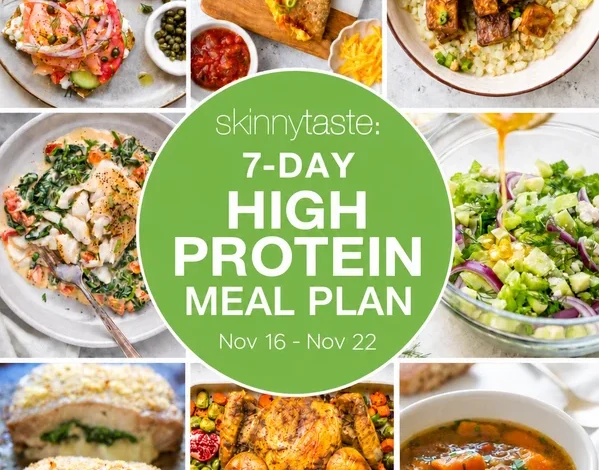
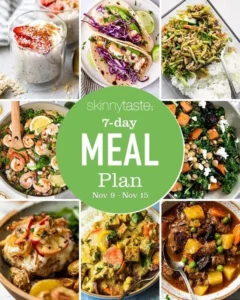
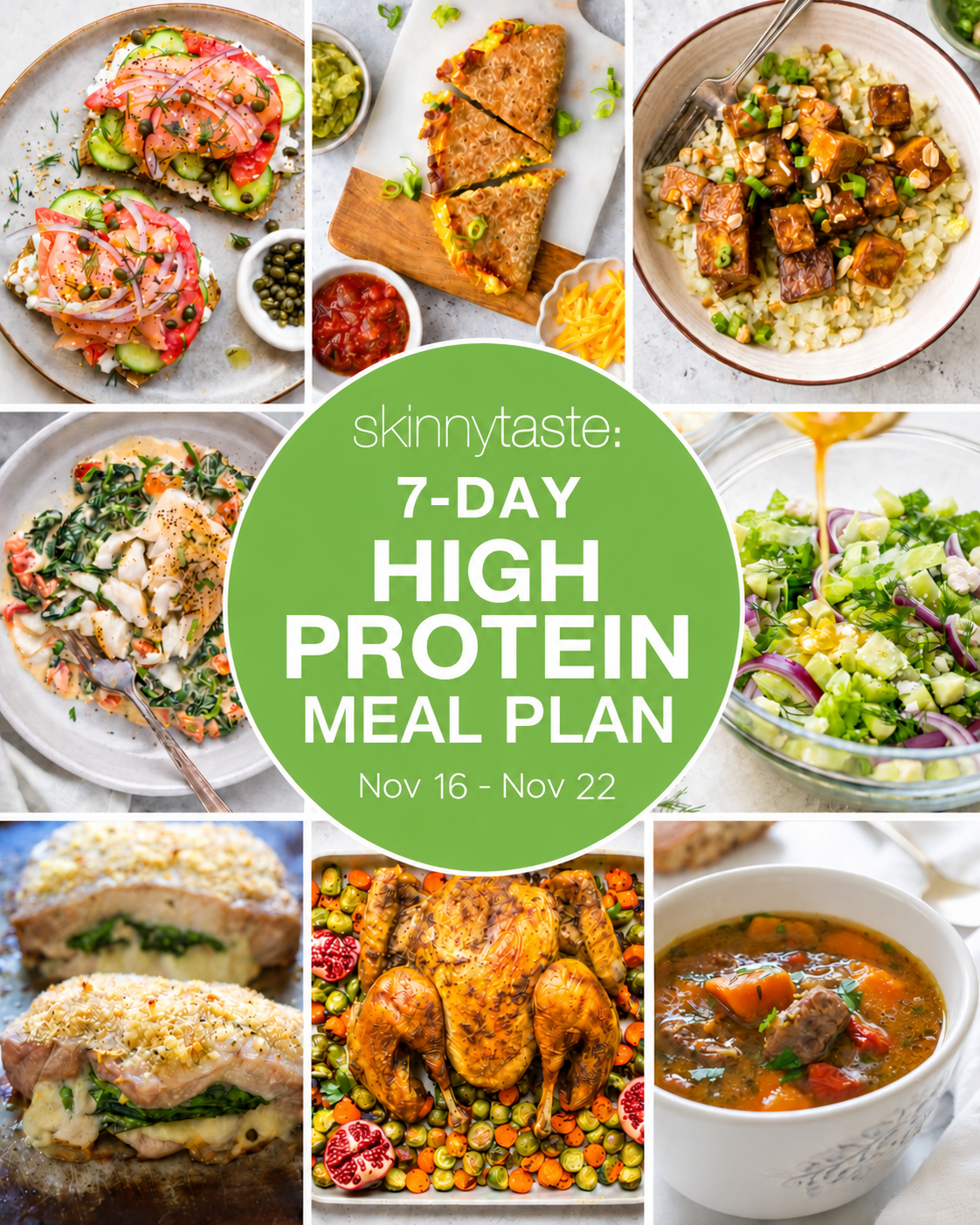
As the autumn season reaches its peak and communities prepare for the annual wave of holiday gatherings, the focus on balancing celebratory indulgence with nutritional health has become a paramount concern for health-conscious consumers. In response to the growing demand for structured dietary guidance during periods traditionally marked by heavy eating, culinary and wellness platforms have released comprehensive resources designed to keep individuals on track. A prominent example is the newly published free seven-day high-protein meal plan, which incorporates breakfast, lunch, and dinner ideas alongside a fully integrated shopping list, macro-nutrient breakdowns, and Weight Watchers points metrics.
The timing of this release coincides with the cultural phenomenon of Friendsgiving—an informal celebration of Thanksgiving among friends that typically takes place in the weeks leading up to or following the traditional November holiday. While Friendsgiving fosters community and gratitude, it also introduces culinary temptations that can disrupt long-term fitness and nutritional goals. To address this challenge, nutrition experts and recipe developers are emphasizing the integration of high-protein dishes that satisfy festive cravings without compromising health objectives.
The Rise of High-Protein Diets in Modern Nutrition
In recent years, high-protein dietary frameworks have transitioned from specialized athletic regimens to mainstream lifestyle choices. Nutritional science consistently supports the efficacy of increased protein intake for preserving lean muscle mass, enhancing satiety, and stabilizing blood sugar levels throughout the day. Dietary advocates note that adequate protein consumption plays a crucial role in curbing mindless snacking on refined sugars and processed carbohydrates, particularly during the late-afternoon and evening hours when willpower often wanes.
Health professionals generally recommend distributing daily protein intake evenly across meals and snacks rather than consuming the bulk of it in a single sitting. For an individual targeting approximately 120 to 150 grams of protein per day, a sustainable distribution model typically involves securing 30 to 40 grams per primary meal, supplemented by targeted protein-rich snacks. This balanced approach ensures a steady stream of amino acids into the bloodstream, supporting muscular recovery and metabolic function.
However, medical experts urge caution when significantly altering dietary macronutrient ratios. Individuals with pre-existing renal impairments, liver disease, gout, or specific metabolic disorders must consult healthcare providers or registered dieticians before adopting high-protein meal plans. Excessive protein loads can place undue stress on compromised kidneys, highlighting the necessity of personalized nutritional planning.

Structuring the 7-Day High-Protein Framework
The newly introduced weekly meal plan is meticulously structured to accommodate varied schedules while maintaining strict nutritional parameters. Designed with flexibility in mind, the program provides a baseline averaging between 1,200 and 1,500 calories per day, paired with an average of 120 grams of protein. Developers emphasize that these figures serve as a flexible guideline rather than a rigid prescription, allowing individuals to incorporate additional caloric sources such as fresh fruit, coffee, beverages, or mindful treats based on their individual basal metabolic rates and physical activity levels.
The weekly schedule is organized to streamline preparation for individuals and families alike:
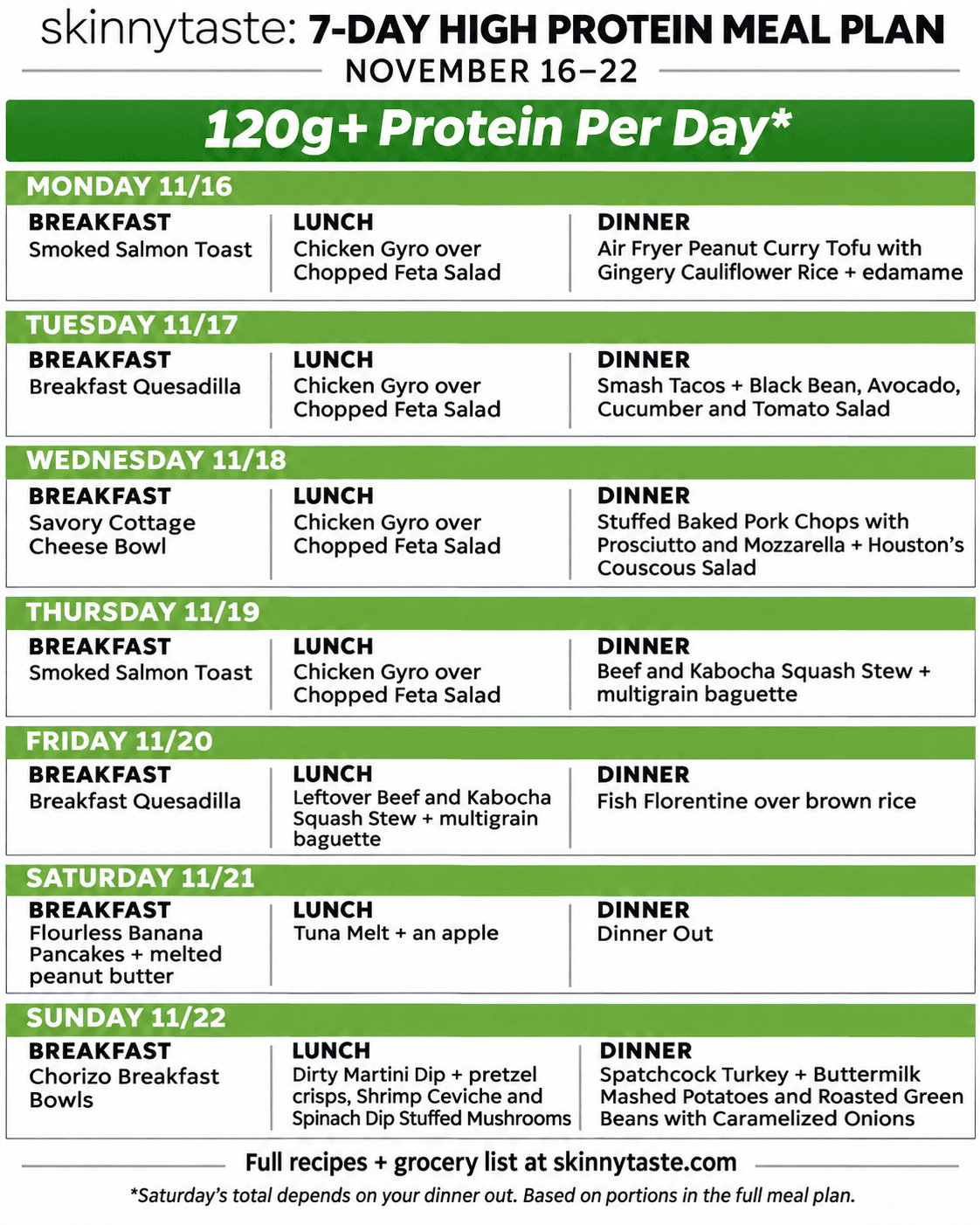
- Monday: The week initiates with Smoked Salmon Toast for breakfast, a Chicken Gyro served over a nutrient-dense Chopped Feta Salad for lunch, and an Air Fryer Peanut Curry Tofu accompanied by gingery cauliflower rice and edamame for dinner. This meatless evening option provides a diverse amino acid profile while keeping calorie counts controlled at approximately 1,378 calories and 124.5 grams of protein.
- Tuesday: Nutritional momentum continues with a savory Breakfast Quesadilla, a repeat of the Chicken Gyro lunch to maximize meal-prep efficiency, and a family-style dinner featuring Smash Tacos paired with a vibrant black bean, avocado, cucumber, and tomato salad. Total daily metrics register at roughly 1,429 calories and 127.5 grams of protein.
- Wednesday: Mid-week sustenance focuses on a Savory Cottage Cheese Bowl, followed by the third rotation of the Chicken Gyro lunch. Dinner shifts to Stuffed Baked Pork Chops featuring prosciutto and mozzarella, served alongside a flavorful couscous salad, delivering 126 grams of protein within a 1,207-calorie framework.
- Thursday: Returning to Smoked Salmon Toast for breakfast and the reliable feta salad lunch, Thursday evening introduces a Slow-Cooker Beef and Kabocha Squash Stew served with a modest portion of multigrain baguette, yielding 128.5 grams of protein.
- Friday: Closing out the workweek, the plan utilizes Breakfast Quesadillas, leftovers of the beef and squash stew for lunch, and a light yet protein-forward Fish Florentine served over brown rice for dinner, totaling 121 grams of protein.
- Saturday: Transitioning into the weekend, the plan features flourless banana nut pancakes drizzled with natural peanut butter, a skinny tuna melt for lunch, and a planned dinner out, reflecting a lower baseline to accommodate social dining.
- Sunday: Positioned as the primary Friendsgiving preparation day, Sunday features a savory chorizo breakfast bowl, followed by protein-packed appetizers such as a dirty martini dip, shrimp ceviche, and spinach-dip-stuffed mushrooms. The culinary centerpiece of the day is a Spatchcock Turkey accompanied by buttermilk mashed potatoes and roasted green beans with caramelized onions, successfully achieving 128 grams of protein.
Navigating Friendsgiving with Nutritional Intent
The integration of Friendsgiving into a structured high-protein diet requires strategic menu planning. Traditional holiday gatherings often lean heavily on carbohydrates, starches, and sugary desserts, frequently sidelining lean proteins and fiber-rich vegetables. Culinary strategists recommend introducing crowd-pleasing appetizers that naturally deliver high protein content without heavy saturated fats.
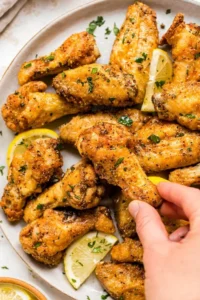
For instance, classic deviled eggs or lighter buffalo chicken wings serve as easily transportable appetizers that align with high-protein parameters. For main courses, adaptations such as Thanksgiving turkey meatballs served with rich savory gravy, or white bean turkey chili, offer comforting seasonal flavors while supporting nutritional goals. Dessert courses can similarly be adapted through the use of alternatives such as crustless pumpkin pies, which drastically reduce refined sugar and carbohydrate loads while retaining traditional autumn spices.
Broader Implications and Industry Trends
The release of targeted holiday meal plans reflects a broader consumer shift toward proactive health management during the final quarter of the year. Historically, the period between Thanksgiving and New Year’s Day is associated with average weight gains of one to five pounds, much of which persists into the subsequent year and contributes to long-term upward weight trajectories.
By providing structured, accessible, and nutritionally balanced frameworks, the wellness industry aims to mitigate seasonal weight fluctuation while fostering a sustainable relationship with food. The inclusion of comprehensive grocery lists, macro-nutrient calculations, and specialized community support groups—such as dedicated online forums where participants share recipe modifications and accountability—underscores the psychological importance of community backing in dietary adherence.
Ultimately, the availability of these resources empowers consumers to navigate the holiday season without feeling deprived. By emphasizing nutrient-dense whole foods, smart portion management, and the cultural joy of shared culinary experiences, individuals can successfully balance social traditions with their personal health and fitness aspirations.