Crispy Air Fryer Lemon Pepper Wings Deliver Restaurant Quality Flavor with Lower Calories

The culinary landscape of home cooking has experienced a significant shift in recent years, heavily influenced by the widespread adoption of countertop air fryers. Among the most popular innovations to emerge from this kitchen appliance revolution is a healthier, streamlined approach to preparing traditional tavern-style foods without the heavy saturated fats associated with traditional deep-fat frying. Home cooking platforms and recipe developers have increasingly focused on adapting classic comfort foods to meet contemporary nutritional preferences without sacrificing flavor, texture, or culinary satisfaction.
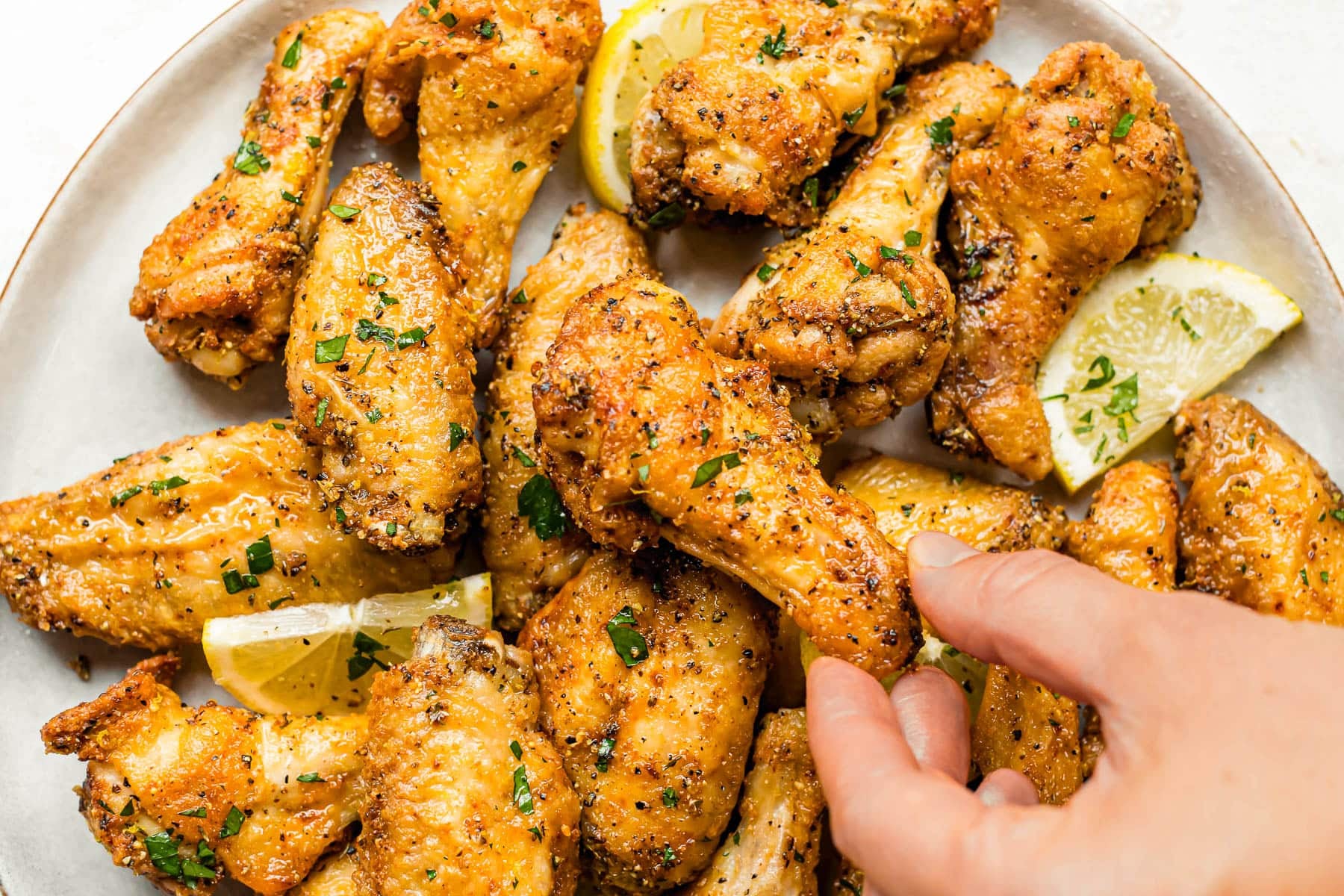
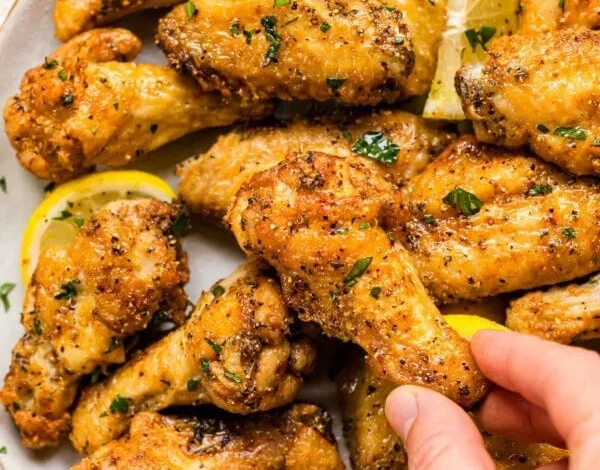
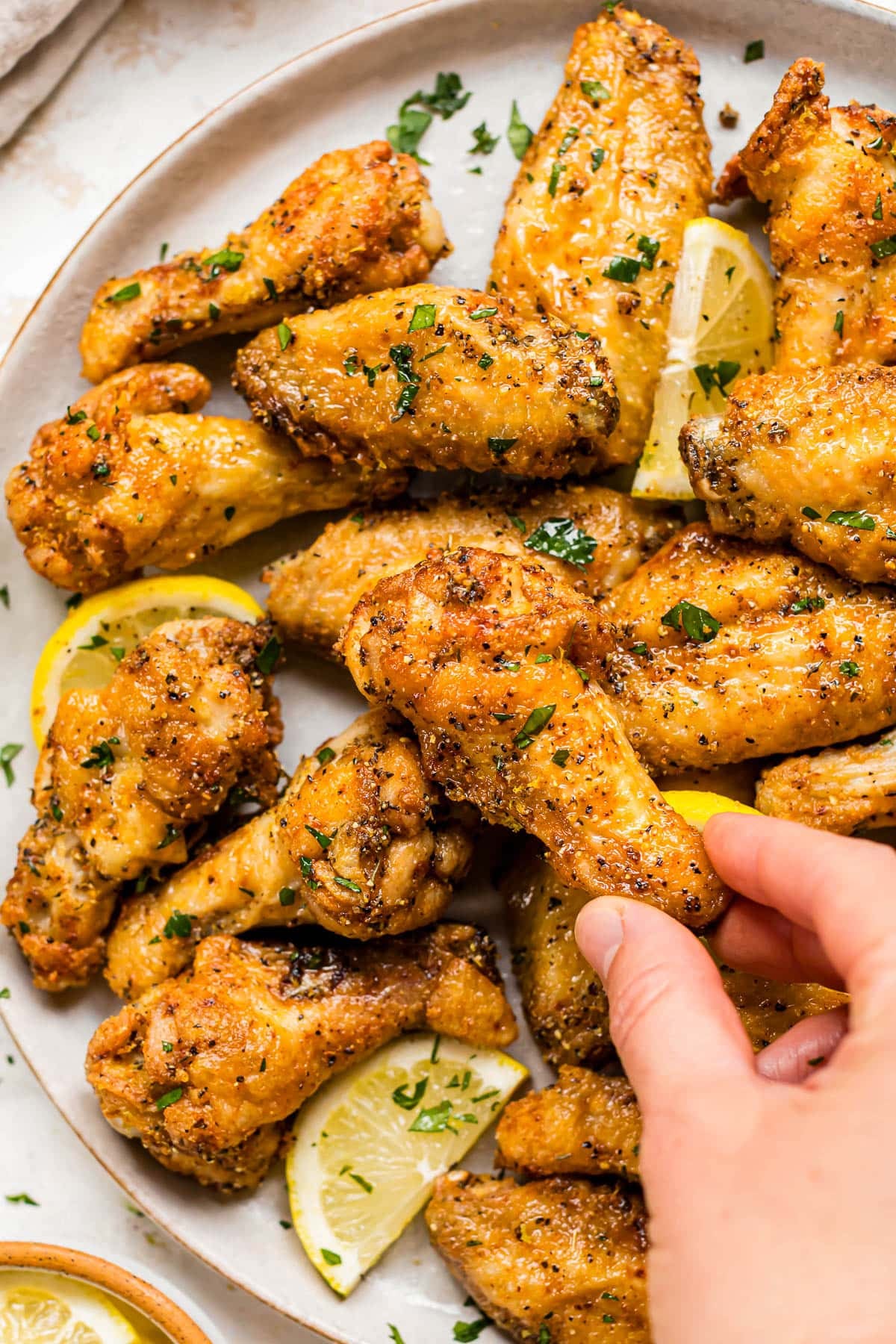
A prime example of this trend is the development of optimized air fryer lemon pepper chicken wings, a dish designed to replicate and even surpass the flavor profiles found in commercial wing establishments. Utilizing circulating convection heat, modern air fryers allow home cooks to render out excess chicken fat and crisp skin efficiently, achieving a golden-brown finish comparable to deep-frying. When combined with a precise blend of citrus zest, garlic, and coarse black pepper, these wings offer a vibrant, punchy flavor profile that appeals to health-conscious consumers and culinary enthusiasts alike.
Nutritional Efficiency and Culinary Technique
Traditional chicken wing preparation typically involves submerging the poultry in vats of heated oil, which significantly increases the total calorie and fat content per serving. By contrast, utilizing an air fryer harnesses rapid air circulation to crisp the natural skin of the chicken while requiring little to no added oil. According to nutritional data for this specific preparation method, a standard five-wing serving contains approximately 344 calories, 24 grams of total fat, and a robust 30 grams of protein, making it a viable option for individuals maintaining higher-protein diets, such as those following low-carbohydrate or calorie-conscious meal plans.
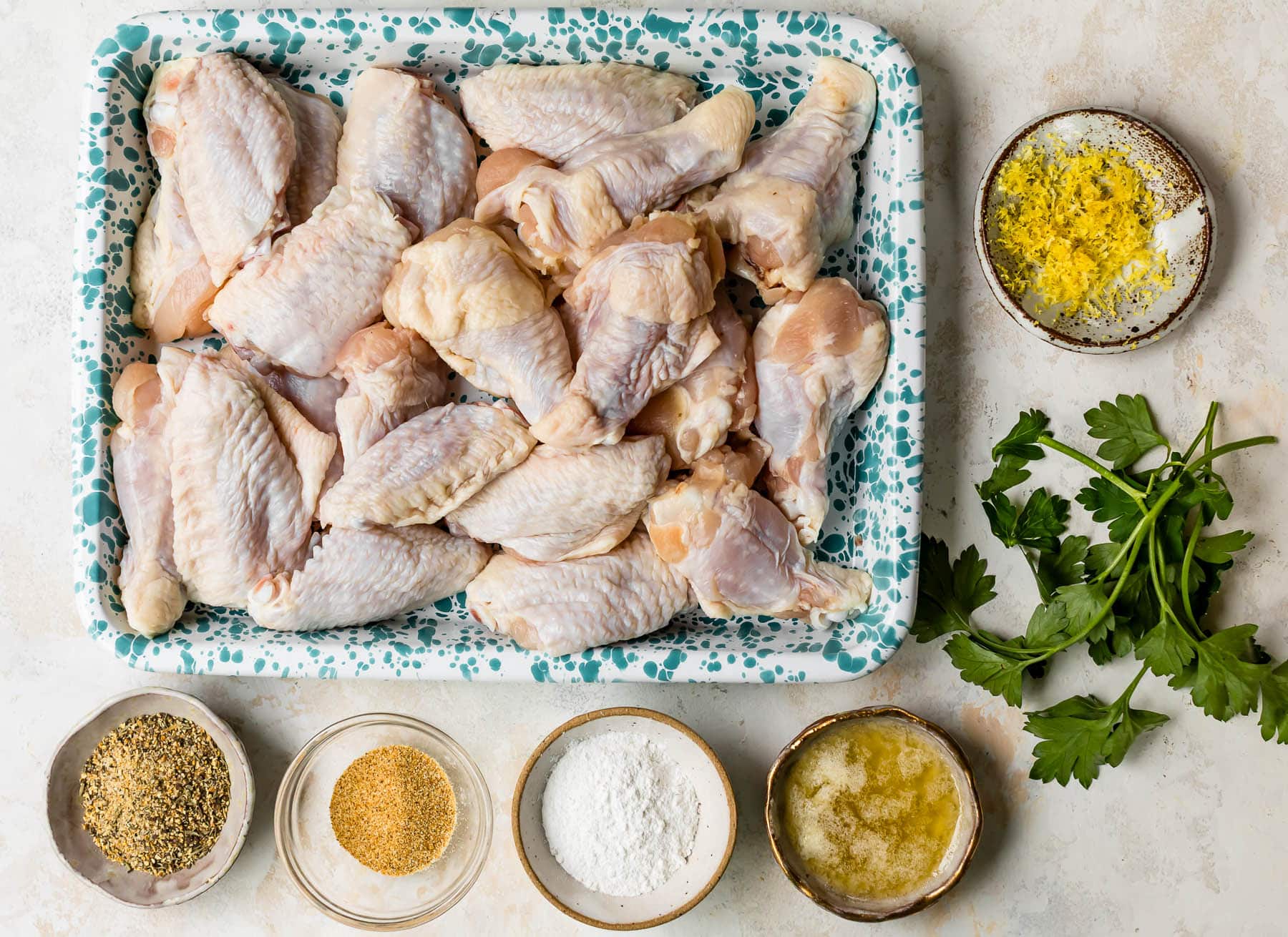
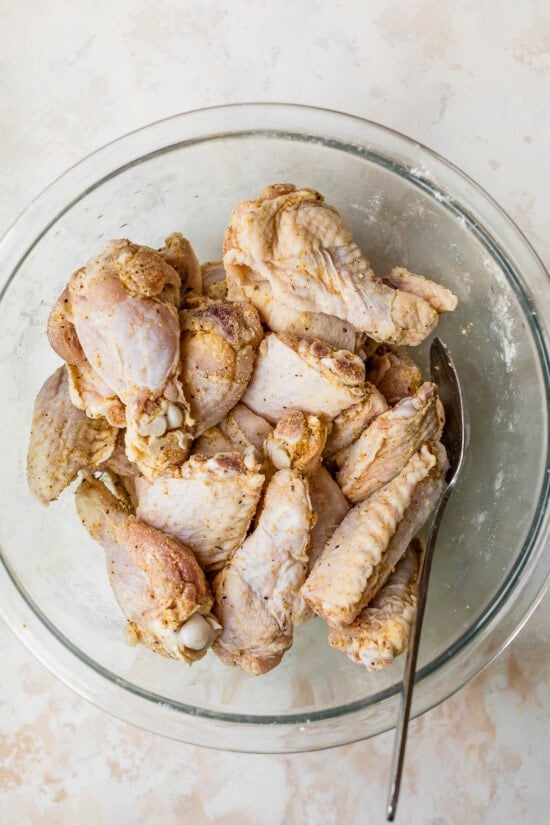
The cooking process relies on precise preparation techniques to ensure optimal texture. Culinary experts emphasize that achieving the signature crispiness requires starting with thoroughly thawed and dried chicken wings. Excess surface moisture prevents the skin from crisping properly and creates a barrier that hinders seasoning adhesion. Once dried, the wings are typically tossed in a minimal amount of oil or cooking spray before being seasoned with a balanced blend of lemon pepper seasoning and garlic powder.
The air frying process generally takes approximately 20 minutes at a high temperature, ensuring the interior meat remains juicy while the exterior achieves a crisp consistency. Following the cooking cycle, the wings are tossed in a light finishing mixture of melted butter, fresh lemon zest, and chopped parsley. This final step locks in the bold citrus aromatics and provides the necessary medium for the coarse pepper and salt to adhere evenly across each piece.

Cultural Relevance and the Rise of Game Day Cooking
The popularity of chicken wings as a staple of American casual dining and home entertainment has grown exponentially over the past several decades. Historically associated with sports viewing events, particularly the Super Bowl and weekend collegiate and professional football broadcasts, wings have transitioned from a bar-food novelty into a versatile centerpiece for casual gatherings, family dinners, and party appetizers.
The demand for elevated yet accessible flavor profiles has driven culinary creators to refine classic combinations. Lemon pepper, historically popular as a dry seasoning blend for seafood and poultry, has evolved into a dominant flavor category in the chicken wing sector. Commercial establishments popularized wet-lemon-pepper styles—where traditional dry rubs are combined with butter or citrus reductions—inspiring home cooks to recreate these complex profiles in domestic kitchens.

Home cooking authorities note that dishes combining bold, acidic notes with savory elements resonate strongly with consumers seeking restaurant-quality experiences at home. The psychological appeal of replicating commercially successful dishes, such as popular commercial wing chains, drives significant engagement across digital recipe platforms, where home cooks share modifications, tips, and personal evaluations of flavor success.
Broader Implications for Home Appliances and Dietary Trends
The sustained commercial success of air fryers underscores a broader shift in consumer behavior toward home-prepared convenience foods that align with wellness goals. As inflation and economic pressures influence dining-out habits, consumers increasingly look to kitchen technology to recreate specialized restaurant meals at home for a fraction of the cost.
Furthermore, the popularity of high-protein, lower-carbohydrate recipes reflects ongoing shifts in nutritional awareness. While traditional comfort foods are frequently viewed as incompatible with disciplined dietary goals, adaptation methods utilizing convection technology demonstrate that dietary compromises do not necessitate a loss of sensory satisfaction. Recipes that emphasize whole ingredients—such as fresh citrus zest, natural spices, and lean proteins—continue to dominate culinary trends as consumers prioritize both physical wellness and gastronomic enjoyment.
Preparation Guidelines and Alternative Methods
While the air fryer remains the preferred tool for rapid and efficient crisping, alternative preparation methods exist for kitchens lacking the appliance. Oven roasting offers a viable substitution, though it requires adjustments to time and temperature to achieve comparable results. Culinary protocols for oven preparation typically involve arranging seasoned wings on a wire rack set inside a rimmed baking sheet, allowing heat to circulate underneath the poultry. Baking at an elevated temperature of 425 degrees Fahrenheit for approximately 45 minutes, with a halfway rotation, yields a similar texture, though total preparation time is extended compared to the rapid convection heating of an air fryer.
Storage and food safety protocols remain an important consideration for home preparation. Cooked chicken wings can be safely stored in an airtight container within the refrigerator for three to four days. To restore crispness upon reheating, culinary professionals recommend returning the wings to the air fryer at a moderate temperature for several minutes rather than utilizing a microwave, which tends to soften the rendered skin and alter the desired textural contrast.
As home cooking continues to evolve through the integration of accessible countertop technology and elevated flavor profiles, versatile recipes highlighting bold, citrus-forward seasonings like lemon pepper remain a foundational element of modern domestic cuisine.