Mastering the Ashtanga Yoga Jump Back: A Decades-Long Evolution of Strength, Mindset, and Alignment

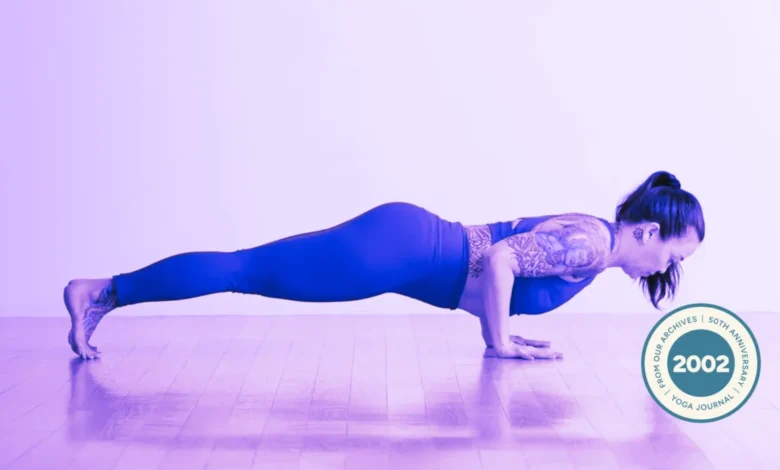
Long before social media algorithms popularized rapid transformations and instant fitness hacks, the traditional practice of Ashtanga yoga maintained a reputation for uncompromising physical and mental rigor. Rooted in the teachings of Sri K. Pattabhi Jois, this dynamic style of yoga integrates breath with continuous movement, known as vinyasa. Among its most notoriously challenging transitions is the seated pick-up and jump-back—a movement where a practitioner lifts themselves from a seated cross-legged position, clears the floor, and shoots backward into Chaturanga Dandasana (Four-Limbed Staff Pose). For decades, this specific transition has served as a primary litmus test for strength, spatial awareness, and psychological endurance within the global Ashtanga community.
Historical Context and the Evolution of Ashtanga Practice
When Yoga Journal first published foundational instructional pieces on the Ashtanga jump-back in its January-February 2002 archive series, the method was experiencing a major surge in Western popularity. Practitioners coming from varied athletic backgrounds frequently discovered that conventional notions of fitness did not directly translate to the specific demands of Ashtanga.
Sri K. Pattabhi Jois famously asserted that yoga is 99 percent practice and 1 percent theory, a philosophy that resonates deeply when examining the trajectory required to master the pick-up. Historically, senior practitioners reported spending anywhere from several months to over eight years consistently attempting the transition before achieving a weightless, fluid execution. The movement requires a synthesis of isometric arm strength, core compression, and precise scapular stability that defies brute force alone.
Anatomical Breakdown and Alignment Principles
Biomechanists and senior yoga instructors alike emphasize that mastering the jump-back is less about raw muscular exertion and more about mechanical efficiency and structural integrity. The transition relies on a systematic progression of foundational asanas, each designed to condition specific muscle groups while protecting vulnerable joints, particularly the wrists and shoulders.
Dandasana (Staff Pose) serves as the baseline diagnostic tool. By sitting with legs extended and hands placed by the hips, practitioners establish the positioning of the shoulder girdle and the spinal elongation necessary to safeguard the joints throughout the vinyasa. Instructors frequently highlight the "shoulder mantra"—drawing shoulder blades deep into the body, sliding them down toward the floor, and broadening across the upper back. This configuration prevents the shoulders from shrugging toward the ears, a common error that places excessive strain on the rotator cuffs.
Building Power Through Foundational Asanas
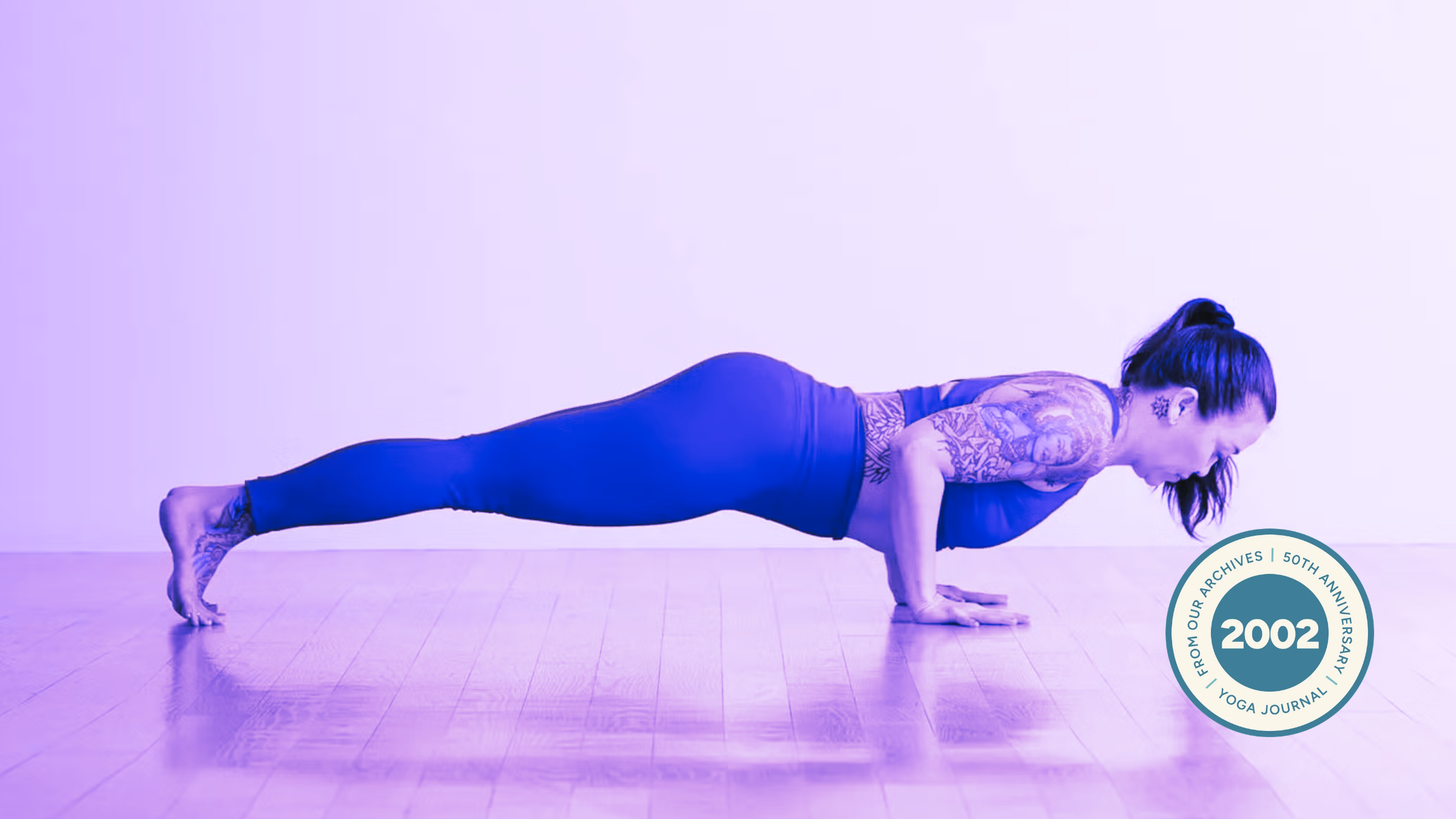
To bridge the gap between static sitting and dynamic flight, practitioners integrate intermediate conditioning poses:
- Tolasana (Scales Pose): Acting as the direct blueprint for the pick-up, Tolasana requires the practitioner to cross the ankles, press the palms firmly into the mat, and lift the pelvis and lower body entirely off the ground. Maintaining equal pressure across all finger-pad knuckles prevents wrist compression and ensures balanced stability.
- Bhujapidasana (Shoulder-Pressing Pose): This posture develops extreme core compression by forcing the practitioner to balance their body weight on their upper arms while threading the legs through a narrow space. It trains the nervous system to maintain control while suspended in midair.
- Lolasana (Pendant Pose): Functioning like a physical pendulum, Lolasana teaches the body how to transform baseline strength into absolute lightness, utilizing the arms as support poles while the core remains elevated.
Psychological Implications and the Role of Tapas
Beyond the mechanical challenges, the journey to mastering the Ashtanga jump-back offers profound psychological insights. Practitioners frequently encounter self-limiting beliefs, frustration, and ego-driven impatience. In yogic philosophy, this disciplined application of focused effort toward a transformational goal is known as tapas, or purification through heat.
Behavioral analysis of athletic skill acquisition indicates that visualization plays a critical role in overcoming physical impasses. Mental rehearsal—picturing the exact mechanics of the lift, the suspension, and the landing—prepares the neuromuscular pathways for execution long before the physical body achieves the feat. Instructors note that students who approach the sequence with an attitude of detached curiosity rather than rigid expectation progress more safely and avoid common overuse injuries in the wrists, lower back, and shoulders.
Safety Protocols and Contraindications
While the aesthetic of a seamless jump-back appears graceful and effortless, medical and fitness professionals caution that the sequence is not universally appropriate. Individuals with carpal tunnel syndrome, herniated discs, chronic lower back pain, acute shoulder injuries, or specific cardiovascular conditions are strongly advised to modify or bypass the transition. Furthermore, rushing the movement by jumping directly into Plank pose—rather than maintaining the shock-absorbing bend of the elbows in Chaturanga—places undue stress on the lumbar spine and wrist joints.
Broader Impact on Modern Yoga Pedagogy
The endurance, resilience, and body awareness forged through the Ashtanga jump-back extend far beyond the boundaries of the yoga mat. By demanding rigorous self-observation and the systematic dismantling of mental barriers, the practice refines how individuals approach complex challenges in daily life. Ultimately, the transition serves as a moving metaphor: an invitation to release attachment to immediate outcomes, embrace the patience required for genuine growth, and trust in the disciplined journey of consistent, mindful practice.