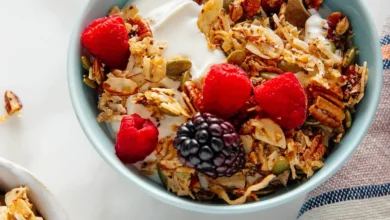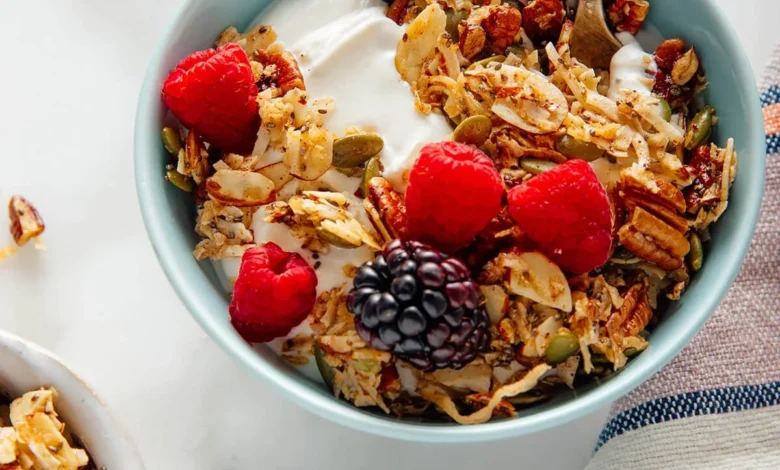
When the concept of grain-free granola first emerged, it sparked curiosity and perhaps a touch of skepticism within the culinary world. For many, granola has long been synonymous with oats – the hearty, wholesome base that provides its characteristic crunch and satisfying chew. However, this innovative approach to a beloved breakfast staple offers a compelling alternative, delivering a sweet, nutty texture that rivals traditional oat-based varieties, even for those who deeply appreciate whole grains. This grain-free iteration has proven to be a dietary game-changer for individuals seeking to manage blood sugar levels or simply explore new avenues of wholesome eating.
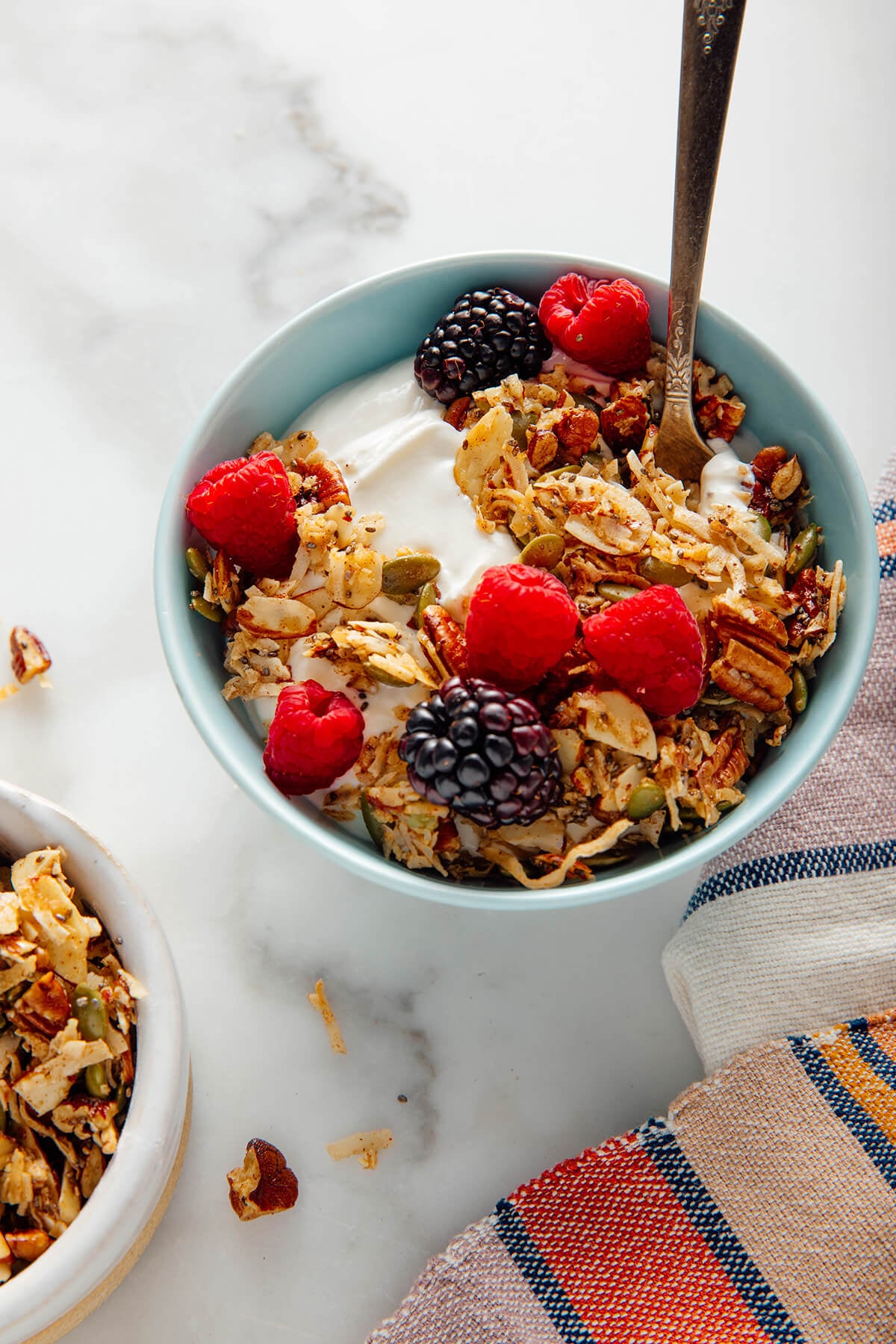
The origin of this particular grain-free granola recipe can be traced back to the influential work of registered dietitian Lily Nichols, featured in her comprehensive guide, "Real Food for Pregnancy." While the author of this article embraced the recipe, adapting it to her personal preferences, the foundational concept addresses a growing need for carbohydrate-conscious options without sacrificing flavor or texture. The resulting granola is not only a testament to culinary adaptability but also a practical solution for incorporating delicious, nutrient-dense elements into daily meals and snacks.
The Growing Demand for Grain-Conscious Diets
The dietary landscape has seen a significant shift in recent years, with a growing number of consumers actively seeking alternatives to traditional grain-based foods. This trend is driven by several factors:
- Health and Wellness Trends: An increased awareness of digestive health, gluten sensitivities, and the impact of carbohydrates on blood sugar has led many to explore grain-free diets. Conditions like celiac disease, non-celiac gluten sensitivity, and gestational diabetes have particularly amplified this interest.
- Nutritional Science: Evolving nutritional research continues to highlight the benefits of whole foods and the potential drawbacks of highly processed grains. This has encouraged a move towards nutrient-dense, unprocessed ingredients.
- Dietary Philosophies: Paleo, ketogenic, and other popular dietary approaches often emphasize the exclusion of grains, further popularizing grain-free alternatives.
The development of recipes like this grain-free granola directly responds to these evolving consumer needs and preferences. It demonstrates a proactive adaptation within the food industry to cater to a broader spectrum of dietary requirements and health goals.
Understanding the Appeal: Beyond the Absence of Oats
While the defining characteristic of this granola is its lack of oats, its appeal extends far beyond this single attribute. The recipe masterfully combines a variety of nuts and seeds to create a complex flavor profile and satisfying textural experience.
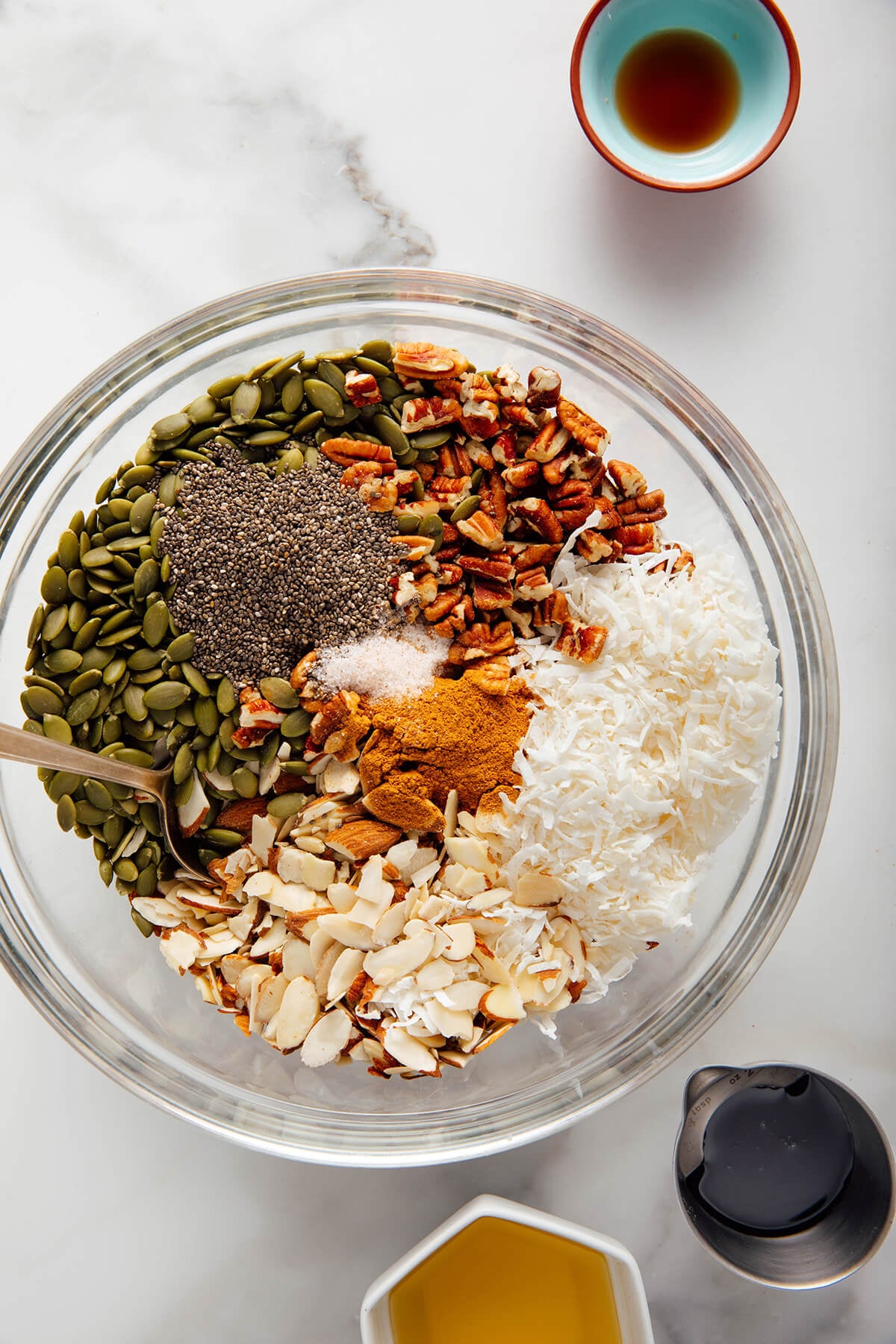
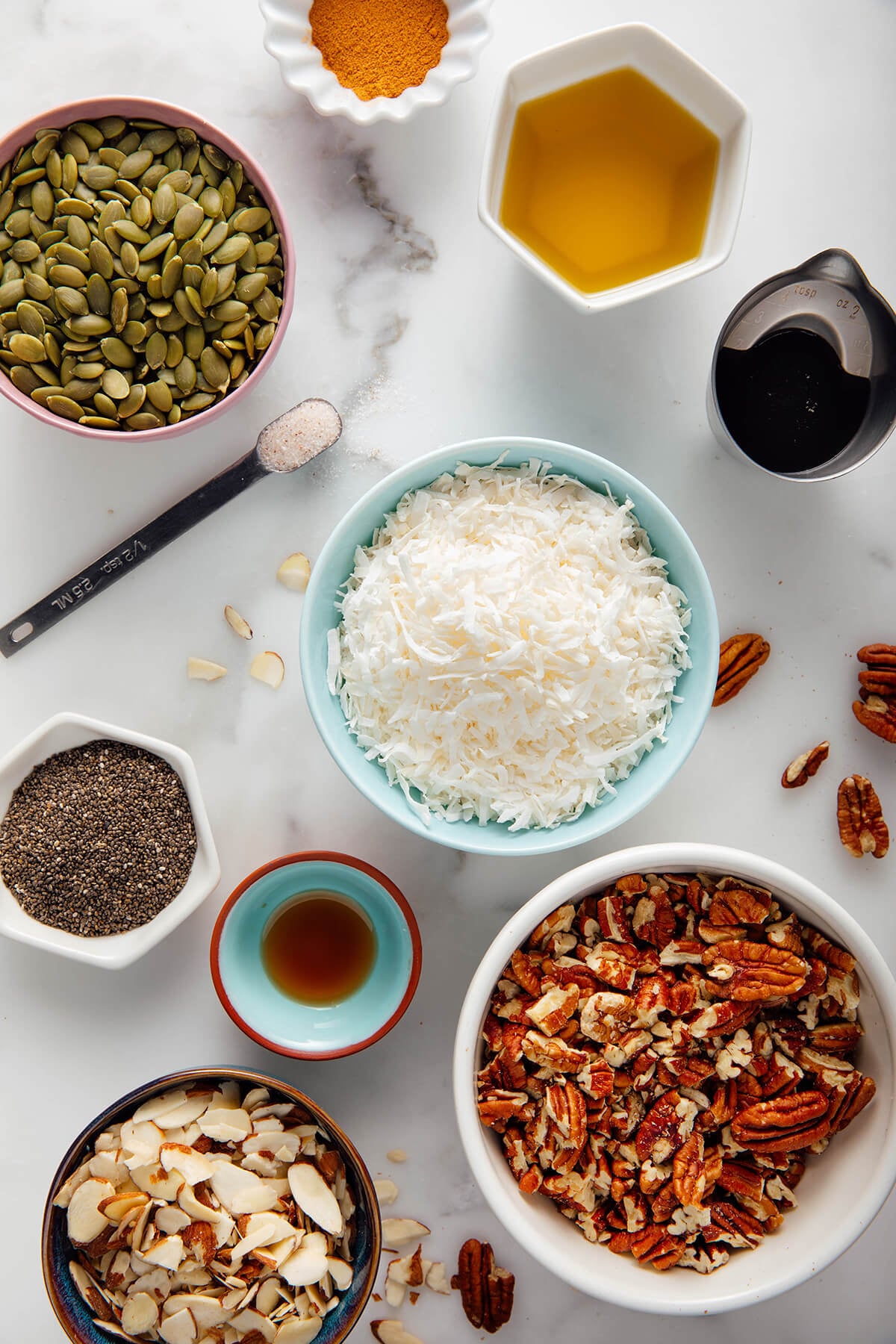
- Nutrient Density: The foundation of this grain-free granola typically includes a blend of nuts such as almonds, pecans, and walnuts, alongside seeds like chia and flax. These ingredients are rich in healthy fats, protein, fiber, vitamins, and minerals. For instance, almonds are a good source of Vitamin E and magnesium, while walnuts are renowned for their omega-3 fatty acid content.
- Blood Sugar Management: By eliminating grains, which are primary sources of carbohydrates, this granola offers a lower glycemic impact compared to its oat-based counterparts. This makes it an attractive option for individuals monitoring their blood sugar levels, including those managing diabetes or seeking to prevent energy crashes. Data from studies on low-glycemic index foods consistently show a more stable release of glucose into the bloodstream, contributing to sustained energy levels.
- Digestive Health: For individuals with sensitivities to gluten or other components of grains, a grain-free option can provide significant digestive relief. The fiber content from nuts and seeds also supports a healthy gut microbiome.
- Versatility and Flavor: The inherent flavors of toasted nuts and seeds are enhanced by natural sweeteners like maple syrup or honey, and often complemented by warming spices such as cinnamon. This creates a rich, complex taste that is inherently appealing.
The Genesis of a Culinary Adaptation
The author’s personal journey with gestational diabetes during pregnancy served as a catalyst for exploring grain-free alternatives. This period, while challenging, highlighted the critical role of diet in managing health conditions. The need for satisfying, blood-sugar-friendly breakfast and snack options led to the discovery and subsequent adaptation of Lily Nichols’ recipe. This personal experience underscores a broader narrative: how individual health needs can drive culinary innovation and lead to the creation of widely beneficial recipes.
The adaptation process itself is a testament to the flexibility of this recipe. The author’s experimentation with various nuts, seeds, and flavorings demonstrates how this grain-free granola can be tailored to individual palates and dietary requirements. This adaptability is a key factor in its enduring popularity.
Key Ingredients and Their Nutritional Contributions
A typical grain-free granola recipe, like the one discussed, relies on a synergistic blend of ingredients:
- Nuts: Almonds, pecans, walnuts, and sometimes macadamia nuts or hazelnuts form the bulk of the granola. They provide healthy monounsaturated and polyunsaturated fats, protein, and essential micronutrients. For example, a quarter-cup of almonds offers approximately 6 grams of protein and significant amounts of vitamin E.
- Seeds: Chia seeds, flax seeds, pumpkin seeds (pepitas), and sunflower seeds add further nutritional value. Chia seeds are a powerhouse of omega-3s and fiber, while flax seeds are also rich in omega-3s and lignans. Pepitas are a good source of magnesium and zinc.
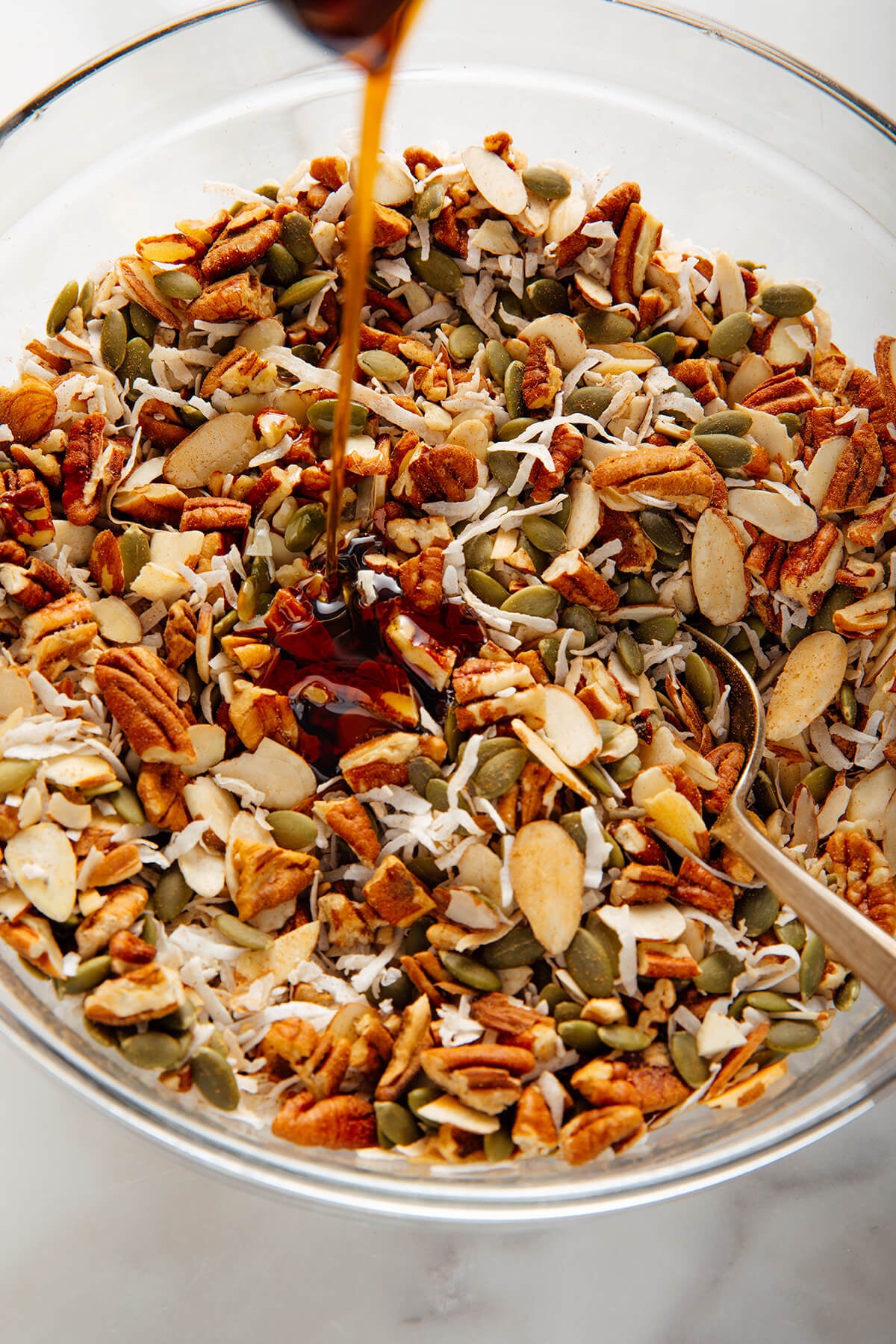
- Sweeteners: Natural liquid sweeteners like maple syrup, honey, or date syrup are used sparingly to bind the ingredients and provide a touch of sweetness. The choice of sweetener can also impact the glycemic response. Maple syrup, for instance, has a lower glycemic index than refined sugar.
- Flavorings: Cinnamon is a common addition, offering not only flavor but also potential anti-inflammatory benefits. Vanilla extract and a pinch of salt enhance the overall taste profile.
- Binder/Fat: Coconut oil or another healthy fat is often used to help the granola clump and achieve a desirable crispness.
Crafting the Perfect Batch: Tips for Success
Achieving the ideal texture and flavor in grain-free granola involves attention to detail during the preparation and baking process.
- Ingredient Freshness: Ensuring all nuts and seeds are fresh is paramount. Rancid nuts can significantly detract from the final product’s flavor. A quick sniff test before use is recommended.
- Chopping: While whole nuts can be used, chopping larger nuts like pecans can create a more uniform texture and aid in clumping.
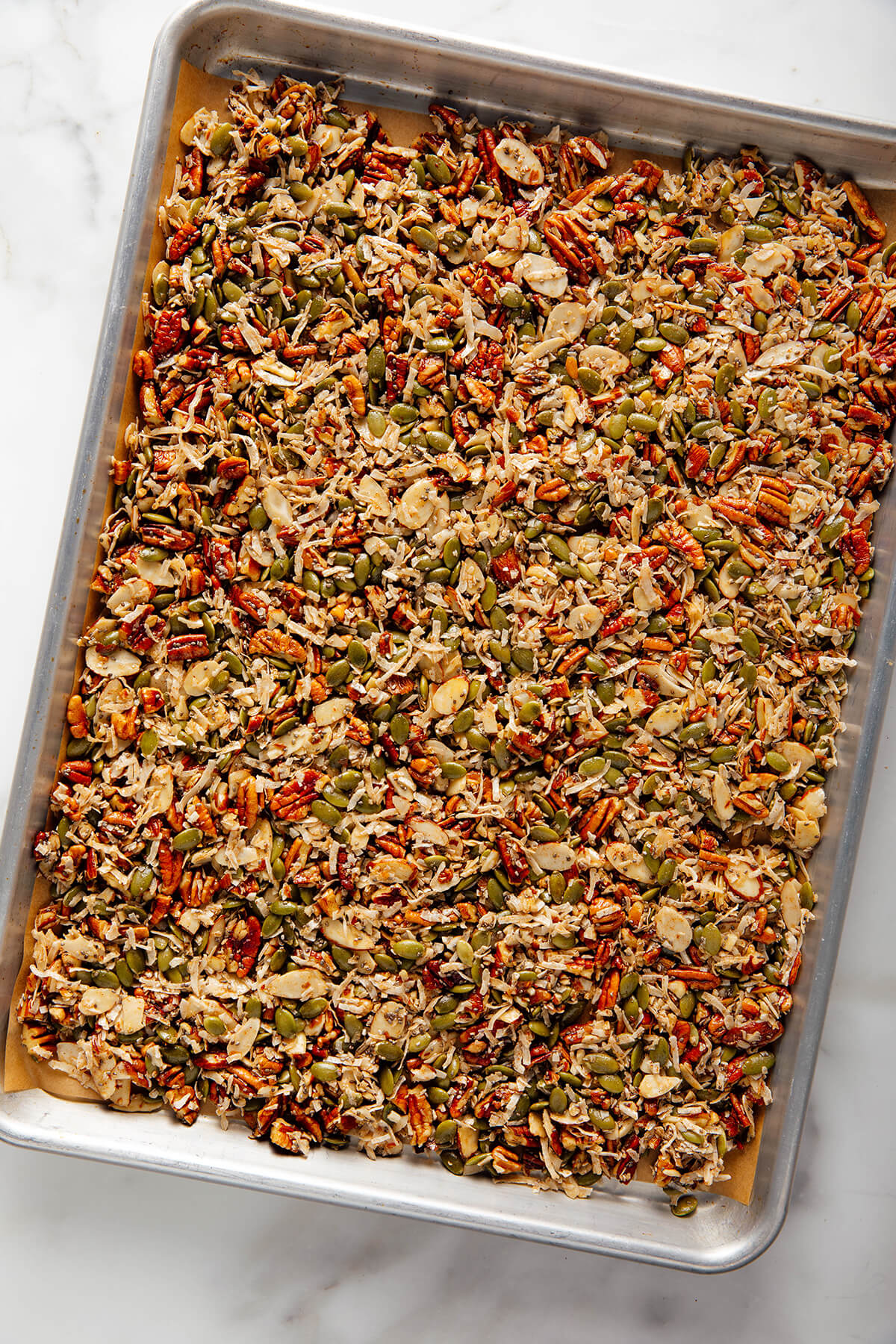
- Baking Temperature and Time: Low and slow baking is key to achieving a golden-brown, crisp granola without burning. Typical baking times range from 20 to 30 minutes, with a stir halfway through.
- Cooling for Clumping: Allowing the granola to cool completely on the baking sheet without disturbing it is crucial for developing those desirable clusters that many granola enthusiasts crave.
- Storage: Storing the cooled granola in an airtight container at room temperature will maintain its crispness for up to two weeks.
Versatile Serving Suggestions
The beauty of grain-free granola lies in its adaptability as a topping and ingredient:
- Yogurt Parfaits: Layering granola with Greek yogurt, fresh berries, and a drizzle of honey creates a balanced and satisfying breakfast or snack. The protein in Greek yogurt complements the healthy fats and fiber of the granola.
- Smoothie Bowls: A generous sprinkle of granola adds texture and visual appeal to vibrant smoothie bowls, enhancing their nutritional profile.
- Oatmeal Alternative: While this granola is oat-free, it can serve as a crunchy topping for other grain-free porridges or as a standalone component in a breakfast bowl.
- Salad Enhancer: A small amount of granola can add a delightful crunch and nutty flavor to green salads, particularly those with fruit or cheese.
- Dessert Topping: It can be used to add texture to fruit crumbles, baked apples, or even ice cream.
Substitution and Flavor Customization
The recipe’s inherent flexibility allows for significant customization:
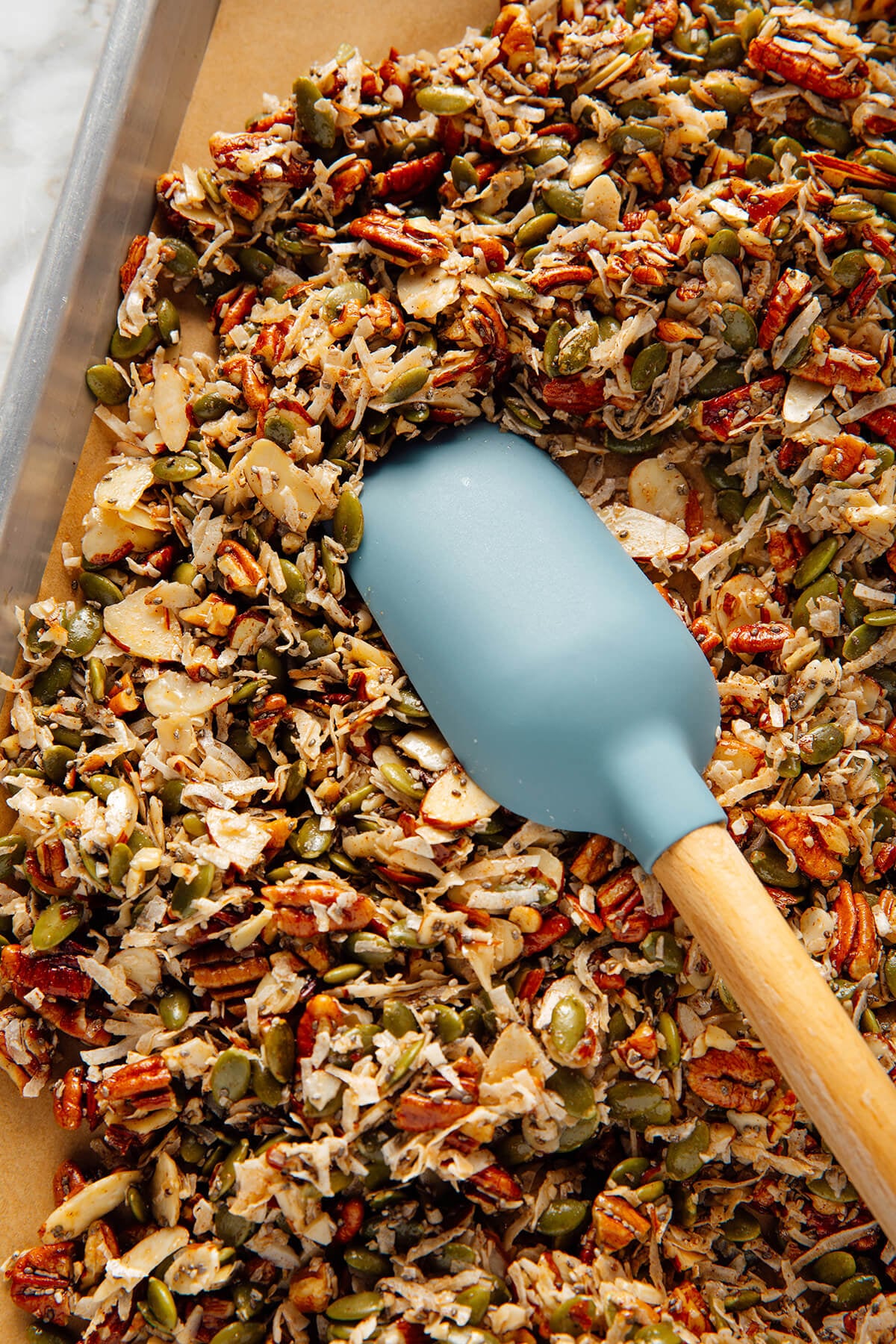
- Nut Swaps: Any combination of nuts can be used, offering flexibility based on availability and preference. For a nut-free version, seeds like pepitas and sunflower seeds are excellent substitutes.
- Coconut Adjustments: The amount of shredded coconut can be adjusted to personal preference. Finely shredded coconut tends to yield a lighter texture than larger flakes.
- Spice Variations: While cinnamon is classic, other spices like nutmeg, cardamom, or even a pumpkin spice blend can be used to create seasonal variations.
- Seed Inclusion: Chia and flax seeds can be added for an extra nutritional boost, with chia seeds offering a more noticeable visual and textural presence.
Broader Implications and Future Trends
The success and popularity of grain-free granola signal a broader shift in consumer food choices. As more individuals prioritize health and explore alternative dietary patterns, the demand for adaptable, nutrient-dense, and delicious recipes will continue to grow. This trend encourages food manufacturers and home cooks alike to innovate and develop products that cater to a wider range of needs, moving beyond traditional staple ingredients. The continued exploration of ancient grains, pseudograins, and seed-based alternatives suggests a future where culinary diversity is not only embraced but actively sought after. The grain-free granola movement is a prime example of how dietary consciousness can foster culinary creativity and expand our understanding of what constitutes wholesome and enjoyable food.