Noodle-less Ratatouille Lasagna Offers a High-Protein, Gluten-Free Vegetarian Dinner

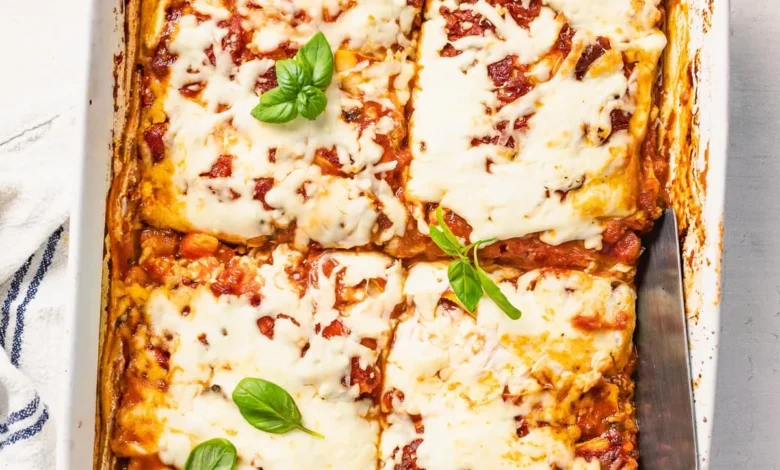
A culinary innovation born from the challenge of creating satisfying vegetarian meals, the Noodle-less Ratatouille Lasagna is emerging as a popular dish for health-conscious individuals seeking protein-rich, gluten-free options. This inventive recipe reimagines the classic Italian comfort food by replacing traditional pasta sheets with thinly sliced summer vegetables, infusing it with the vibrant flavors of French ratatouille. The result is a hearty, flavorful, and nutritious meal that boasts over 39 grams of protein per serving, making it a significant contender for a balanced vegetarian diet.
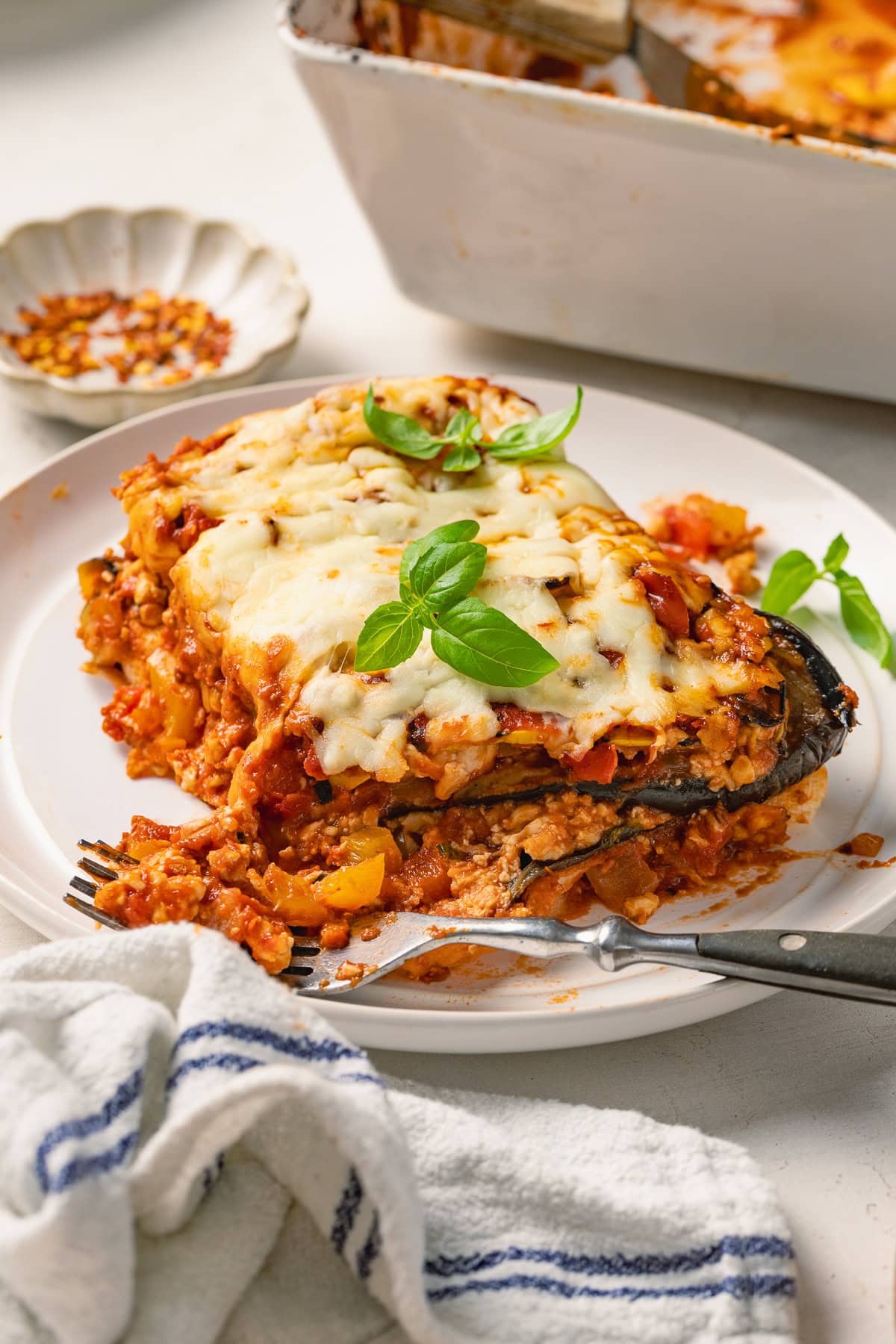
The Noodle-less Ratatouille Lasagna is a testament to creative culinary problem-solving, particularly in addressing the protein deficit often faced by vegetarians. Developed by Gina @ Skinnytaste.com, the recipe was inspired by the need for wholesome, high-protein vegetarian dishes that do not rely on heavily processed ingredients. This approach aligns with a growing trend towards plant-based eating and a focus on whole foods. The dish artfully integrates the essence of ratatouille, a Provençal stew of stewed eggplant, zucchini, tomatoes, and peppers, by utilizing these very vegetables as the structural "noodles" of the lasagna. This dual-use of vegetables – both as layers and as a component of the rich sauce – maximizes flavor and nutritional value.
A Fusion of Flavors and Health Benefits

The Noodle-less Ratatouille Lasagna represents a sophisticated blend of French and Italian culinary traditions. By substituting pasta with vegetables, the dish achieves a naturally gluten-free profile, appealing to a wider audience, including those with celiac disease or gluten sensitivities. The strategic use of cottage cheese in place of traditional ricotta cheese is a key element in elevating the protein content. Cottage cheese, a dairy product known for its high protein density, contributes significantly to the dish’s impressive protein count of over 39 grams per serving. This makes the Noodle-less Ratatouille Lasagna a substantial and satiating main course, capable of providing sustained energy and promoting muscle health.
The recipe’s design also emphasizes the utilization of seasonal produce, making it an ideal choice for summer months when zucchini, eggplant, and tomatoes are at their peak freshness and flavor. This aligns with sustainable food practices and encourages the consumption of fresh, locally sourced ingredients. The Noodle-less Ratatouille Lasagna offers a lighter, yet equally comforting, alternative to traditional lasagna, proving that healthy eating does not require sacrificing taste or satisfaction.

Culinary Innovation and Nutritional Powerhouse
The development of this recipe stems from a broader culinary movement focused on enhancing the nutritional profile of popular dishes, particularly for those adhering to specific dietary needs. The author’s exploration for the "Skinnytaste High Protein" cookbook highlighted the challenges vegetarians face in meeting their protein requirements through whole foods. This direct need fueled the creation of the Noodle-less Ratatouille Lasagna, a dish that skillfully addresses this nutritional gap.
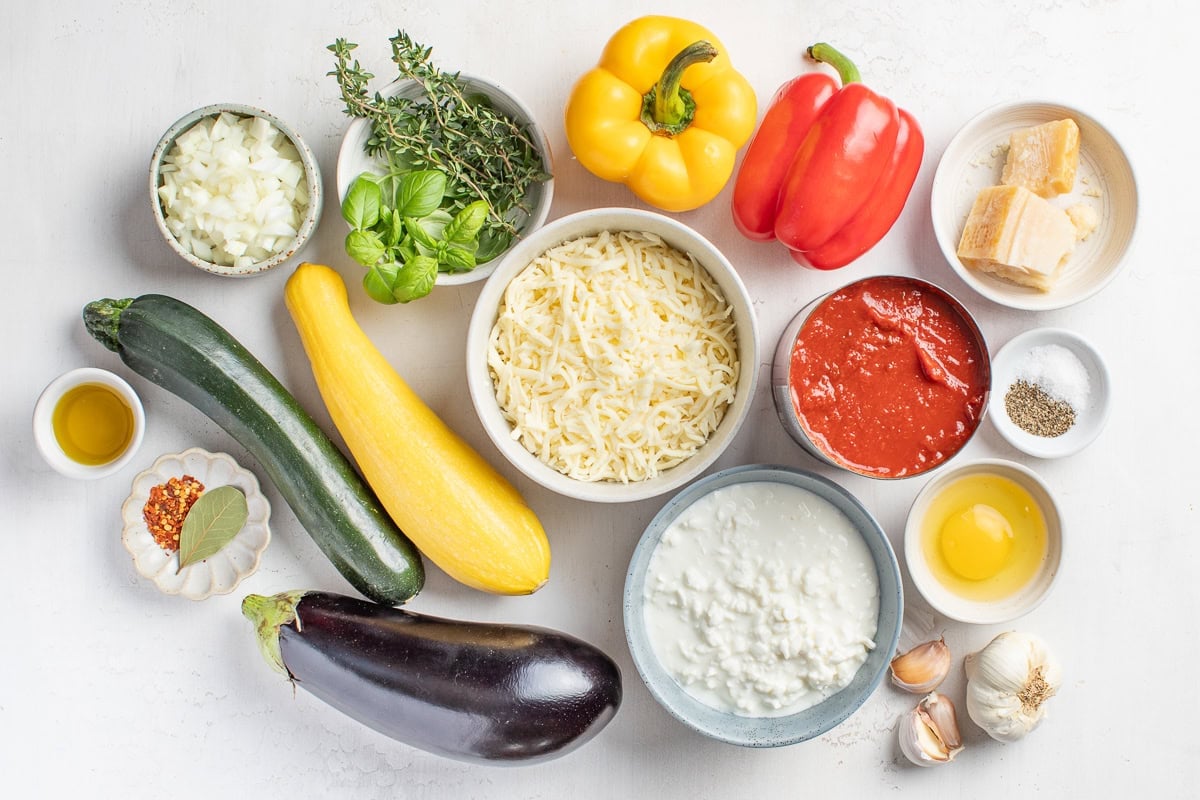
The method employed in preparing the vegetable "noodles" is crucial to the dish’s success. Thinly slicing vegetables such as eggplant and zucchini to approximately 1/8-inch thickness ensures they cook evenly and integrate seamlessly into the lasagna layers. The use of a mandolin, a kitchen tool that allows for precise and uniform slicing, is recommended. Safety precautions, such as wearing a cut-proof glove, are advised due to the sharpness of mandolin blades, underscoring the importance of careful preparation.
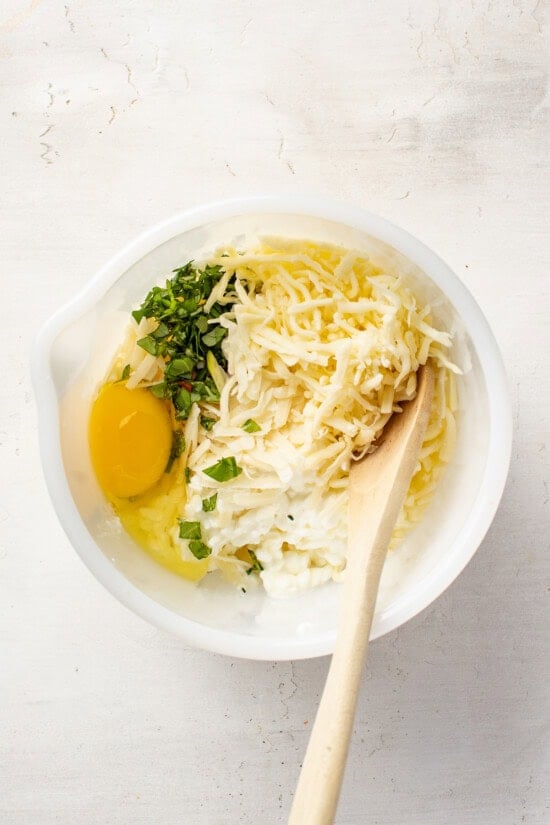
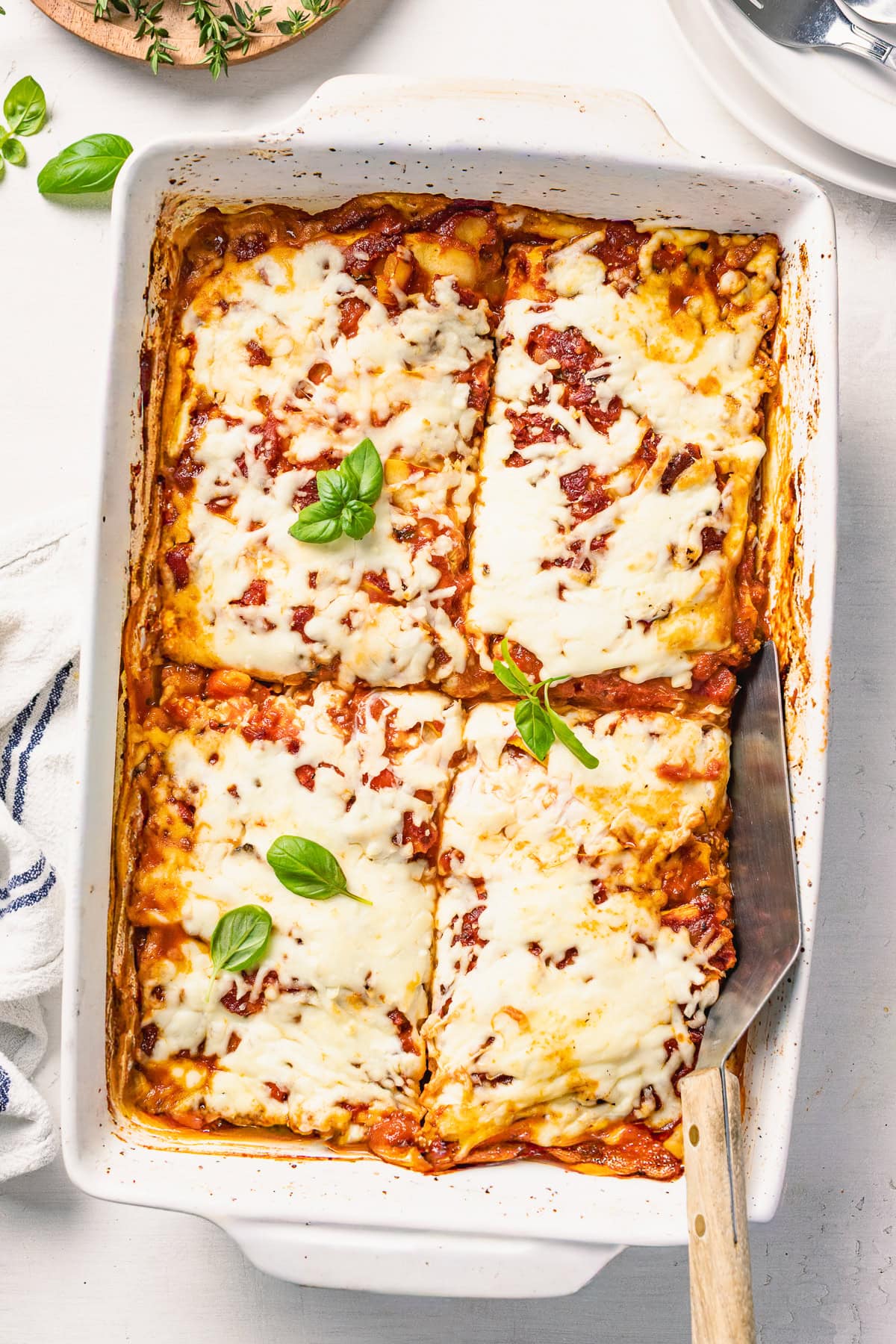
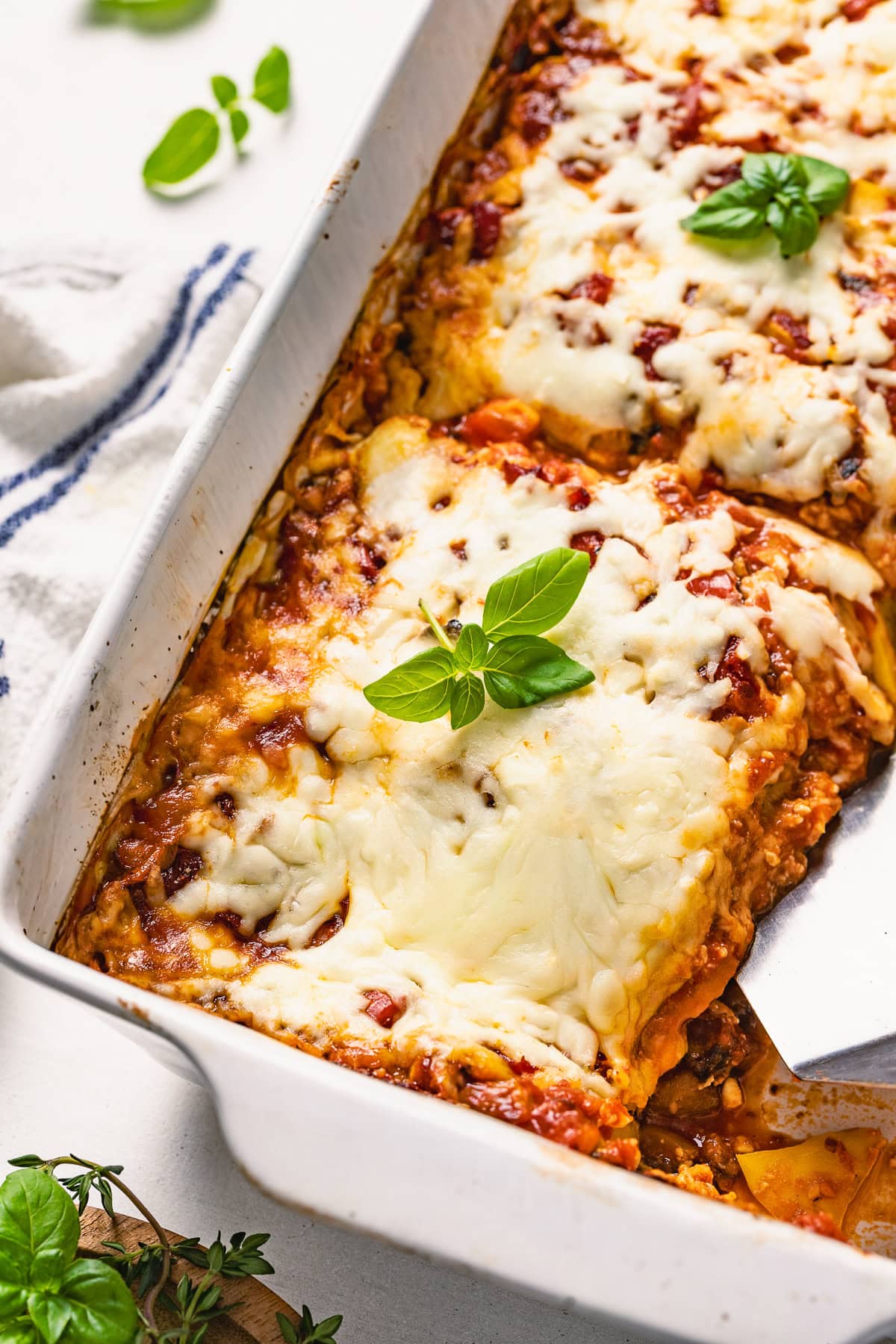
The layered structure of the Noodle-less Ratatouille Lasagna typically involves alternating layers of these prepared vegetable slices with a rich, savory ratatouille-inspired sauce and a creamy, high-protein cheese filling. This filling, featuring cottage cheese blended with mozzarella and often seasoned with herbs and spices, provides a decadent texture and binds the ingredients together. The final dish is baked until golden brown and bubbling, creating a visually appealing and aromatic culinary masterpiece.
Variations and Adaptations
The Noodle-less Ratatouille Lasagna offers a degree of flexibility, allowing for creative adaptations based on personal preference and ingredient availability. Variations can include:
- Vegetable Combinations: While eggplant and zucchini are staples, other vegetables like yellow squash, bell peppers, or even thinly sliced sweet potatoes can be incorporated to add different textures and flavors.
- Cheese Selection: While cottage cheese is central to the high-protein aspect, a blend of ricotta and cottage cheese, or even a dairy-free alternative like cashew-based ricotta, can be used. Adding a touch of Parmesan or Pecorino Romano can further enhance the savory notes.
- Herb and Spice Profiles: Beyond the traditional ratatouille herbs like thyme, rosemary, and basil, variations can include a pinch of red pepper flakes for a subtle kick, or a dash of smoked paprika for added depth.
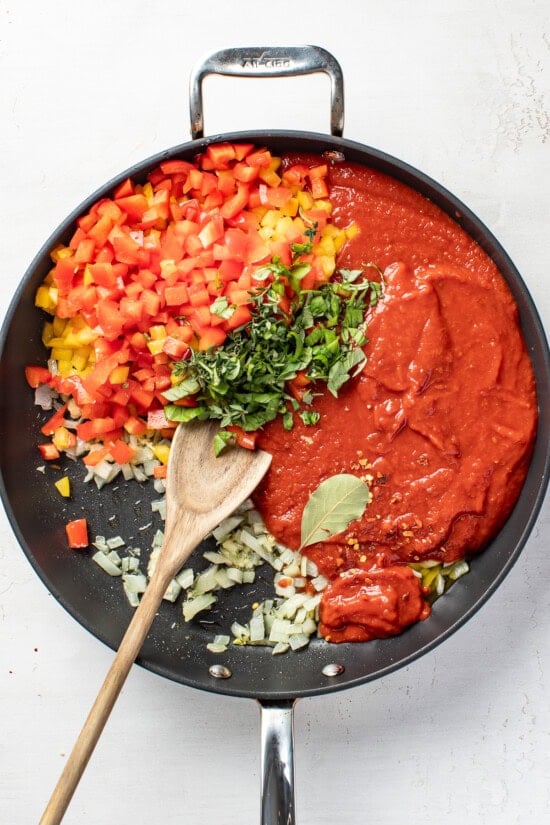
- Sauce Enhancements: Incorporating finely diced onions and garlic into the tomato sauce base provides a foundational layer of flavor. Simmering the sauce with a bay leaf or a splash of red wine can also elevate its complexity.
Addressing Culinary Challenges: Minimizing Water Content
A common concern with vegetable-based lasagnas is the potential for excessive moisture, which can lead to a watery final product. To mitigate this, several techniques are employed in the preparation of the Noodle-less Ratatouille Lasagna:
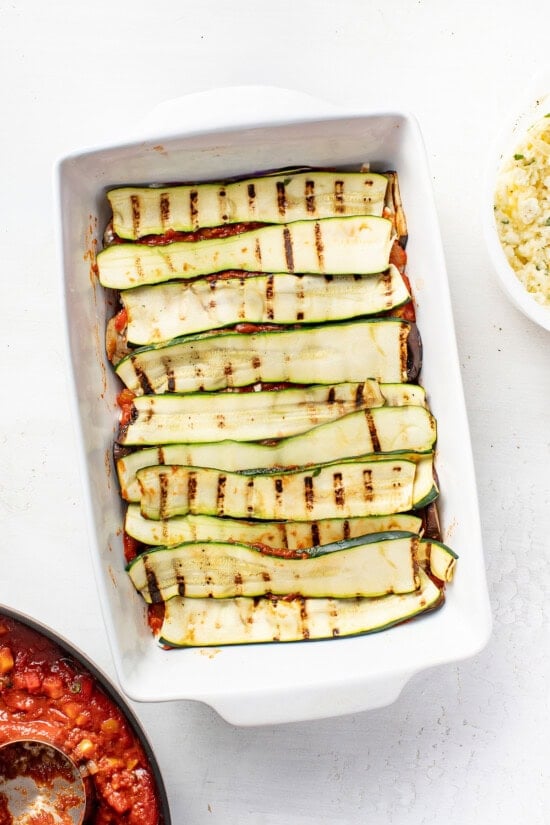
- Grilling or Roasting Vegetables: Pre-cooking the vegetable slices, either by grilling or roasting them, helps to draw out moisture before they are layered into the lasagna. This process also concentrates their flavors.
- Draining Cheese: Ensuring the cottage cheese is well-drained before mixing it with other cheese components can significantly reduce the amount of liquid released during baking.
- Uncovered Baking: Baking the lasagna uncovered for a portion of the cooking time allows excess steam to escape, promoting a thicker, more cohesive texture.
These preparatory steps, while adding a slight extension to the overall cooking time, are crucial for achieving the desired consistency and preventing a soggy outcome. The commitment to these details ensures that the Noodle-less Ratatouille Lasagna delivers a satisfying, well-structured dish.
Storage and Preparation for Future Enjoyment
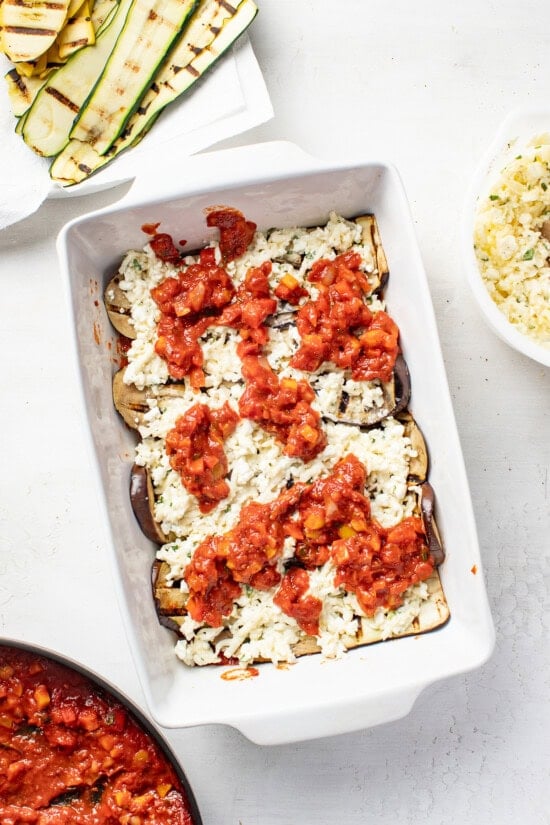
The Noodle-less Ratatouille Lasagna is well-suited for make-ahead preparation, making it a convenient option for busy weeknights or for meal prepping. Assembling the dish and refrigerating it overnight allows the flavors to meld. When ready to bake, it can be placed directly into a preheated oven, though it may require a slightly longer cooking time.
For longer-term storage, freezing is an excellent option. It is generally recommended to freeze the lasagna uncooked. Once assembled in a freezer-safe dish, it should be tightly covered with plastic wrap and then aluminum foil to prevent freezer burn. When ready to cook, the lasagna should be thawed in the refrigerator overnight before baking according to the recipe instructions. This careful planning ensures that a healthy, homemade meal is readily available.
Broader Implications and Culinary Trends
The rise of dishes like the Noodle-less Ratatouille Lasagna reflects broader shifts in dietary trends and consumer preferences. There is a growing demand for meals that are not only healthy but also cater to specific dietary needs, such as being gluten-free or high in protein. This recipe directly addresses these demands, offering a plant-forward option that does not compromise on flavor or satisfaction.
Furthermore, the innovation seen in this recipe highlights the ongoing evolution of traditional cuisine. By deconstructing and reconstructing familiar dishes with healthier ingredients and alternative preparations, chefs and home cooks are finding new ways to make classic comfort foods more accessible and beneficial for a wider range of dietary lifestyles. The emphasis on whole foods, protein, and reduced reliance on processed ingredients aligns with a global push towards more conscious and health-oriented eating. The Noodle-less Ratatouille Lasagna stands as a prime example of this culinary progression, offering a delicious and nutritious solution for modern dining.