Not every muscle group receives consistent pop-culture immortalization, but the glutes—comprised of the gluteus maximus, medius, and minimus—serve as far more than a stylistic asset. In the landscape of modern exercise physiology, these muscles are recognized as the primary engine for human locomotion, athletic power, and structural integrity. While social media trends often reduce glute training to a binary choice between squats and hip thrusts, the reality of musculoskeletal development requires a nuanced approach that accounts for anatomy, fiber orientation, and mechanical leverage.
The Anatomical Hierarchy of the Posterior Chain
Understanding the functional anatomy of the posterior chain is the first step toward effective programming. The gluteus maximus, the largest and most superficial of the three, is the primary driver of hip extension and external rotation. Its significant cross-sectional area makes it the primary target for hypertrophy and raw force production.
Beneath the maximus lie the gluteus medius and gluteus minimus. These muscles are the unsung heroes of pelvic stability. The medius, located on the lateral aspect of the pelvis, is essential for hip abduction and keeping the pelvis level during unilateral movements like walking or running. The minimus, the deepest of the trio, works in tandem with the medius to control the position of the femur within the acetabulum (hip socket). Neglecting these smaller stabilizers often leads to "knee valgus"—a common injury pattern where the knees cave inward—and chronic lower-back compensation, as the lumbar spine attempts to assume the load-bearing duties the glutes are failing to manage.
The Mechanics of Muscle Loading: Lengthened vs. Shortened Positions
In recent years, the scientific community has shifted its focus toward how muscle length affects hypertrophy. Training the glutes effectively requires an understanding of two distinct mechanical states: the lengthened position and the shortened position.
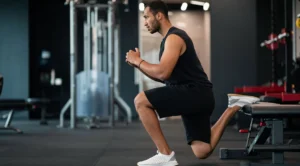
Research suggests that exercises which load the muscle in a stretched (lengthened) position—such as Romanian deadlifts (RDLs), deep squats, and front-foot-elevated split squats—provide a distinct stimulus for muscle growth. Conversely, exercises like the barbell hip thrust or glute bridge emphasize the shortened position, where the glutes are under peak tension at the point of full hip extension.
The prevailing consensus among strength coaches and exercise scientists is that neither approach is superior; rather, they are complementary. A comprehensive program must integrate both to ensure complete development across the entire muscle fiber range. Relying exclusively on hip thrusts ignores the growth potential offered by deep-range movements, while focusing solely on squats may fail to provide the high-tension, shortened-position stimulus that many lifters prioritize for posterior development.
Anatomical Variance and Personalized Programming
One of the most significant challenges in strength training is the inherent variation in human hip anatomy. The hip is a ball-and-socket joint, but the depth of the acetabulum, the version (orientation) of the femoral neck, and the overall length of the femur vary drastically between individuals.
These structural differences dictate how an individual should approach compound lifts. A narrow-stance squat may be biomechanically optimal for one athlete while being structurally prohibitive for another. Coaches now emphasize that "optimal" form is a range, not a rigid set of instructions. By adjusting stance width, toe angle, and depth, individuals can identify positions that prioritize glute engagement while respecting their unique skeletal limitations. This shift toward individualized biomechanics marks a departure from the "one-size-fits-all" training templates that dominated the fitness industry in the late 20th century.
Clinical and Performance Implications
The importance of a robust gluteal complex extends well beyond the gym floor. In clinical settings, physiotherapists frequently address weak glutes as a root cause of chronic knee and lower back pain. When the gluteus medius and minimus fail to stabilize the hip, the resulting kinetic chain breakdown forces the lower back to compensate, often leading to disc issues or chronic strain.
From an athletic performance standpoint, the glutes are the primary drivers of explosive power. Sprinting, jumping, and rapid changes of direction—movements central to sports like football, basketball, and tennis—are all dependent on the gluteus maximus’s ability to generate rapid hip extension. Furthermore, rotational power in golf, baseball, and boxing is heavily reliant on the glutes’ ability to link lower-body force to upper-body expression. Consequently, modern athletic programs now integrate specific power-based movements, such as sled pushes, hill sprints, and broad jumps, to train the fast-twitch fibers within the glutes.
Debunking Modern Training Myths
As the popularity of glute training has skyrocketed, so has the proliferation of training myths. Perhaps the most persistent is the claim that specific exercises can "isolate" the upper or lower portions of the gluteus maximus. While fiber orientation varies, physiological evidence indicates that the entire muscle typically activates in unison. While certain hip angles may emphasize specific regions, the concept of "spot-reducing" or selectively building only the upper shelf of the glute remains a marketing narrative rather than a physiological reality.
Another common misconception is the obsession with post-workout muscle soreness (DOMS) as a metric of success. While soreness indicates that a novel stimulus has been applied, it is not a direct correlate of muscle growth or strength gains. In fact, excessive soreness can often impede the recovery process, hindering an athlete’s ability to train with the frequency and intensity required for long-term progress.
A Framework for Systematic Training
To optimize glute development, practitioners should adopt a structured approach:
- Prioritize Compound Movements: Begin sessions with heavy, multi-joint exercises like squats or deadlifts to build a base of strength.
- Balanced Loading: Ensure the program includes at least one exercise that loads the glutes in a lengthened position (e.g., RDLs) and one in a shortened position (e.g., Hip Thrusts).
- Dedicated Abduction Work: Do not rely on compound lifts to train the medius and minimus. Use direct abduction exercises (band walks, cable abductions) to ensure these stabilizers are sufficiently challenged.
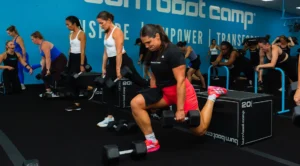
- Unilateral Training: Incorporate split squats and single-leg RDLs to address imbalances and improve pelvic stability.
- Progressive Overload: Track performance metrics to ensure that the intensity is increasing over time, either through increased weight, improved technique, or greater volume.
Programming for Longevity and Results
For most individuals, a frequency of two to three glute-focused sessions per week is sufficient. Beginners may thrive on a lower total volume, while advanced lifters may require up to 18 sets per week to continue seeing progression. It is vital to remember that the glutes are a muscle group like any other; they require adequate recovery to synthesize protein and repair tissue.
The transition from a "vanity-focused" mindset to a "performance-based" approach is the hallmark of effective training. By shifting the focus toward functional capacity, joint health, and structural balance, individuals can achieve the aesthetic goals they desire as a natural byproduct of increased strength and improved biomechanical efficiency.
In the final analysis, the glutes are the body’s primary engine. Whether the objective is athletic performance, injury prevention, or improved physique, the principles remain consistent: respect the anatomy, balance the loading mechanics, and maintain a commitment to progressive, evidence-based programming. As the science of strength and conditioning continues to evolve, the focus will likely remain on this vital muscle group—not just for how it looks, but for the fundamental role it plays in human movement.
Related posts: