Mediterranean Bean Salad: A Nutritional Analysis of Sustainable Meal Prep Solutions

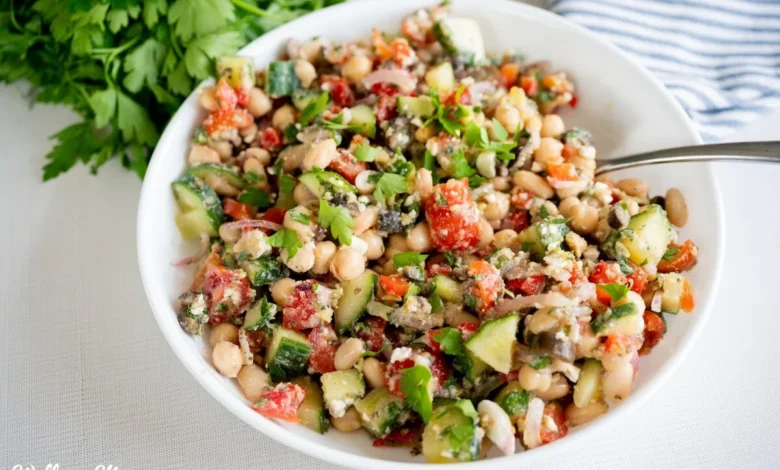
The modern culinary landscape has seen a significant shift toward nutrient-dense, shelf-stable meal preparation, with the Mediterranean bean salad emerging as a primary example of functional nutrition. Unlike traditional leafy green salads that succumb to oxidation and wilting within hours of dressing application, the bean-based salad offers a durable alternative for meal planning. By utilizing a foundation of legumes—specifically chickpeas and cannellini beans—this dish provides a stable platform for fiber, complex carbohydrates, and essential micronutrients. This report examines the compositional benefits, preparation methodology, and the broader implications of adopting such plant-forward meal strategies in a high-paced, time-constrained society.
Compositional Breakdown and Nutritional Profile
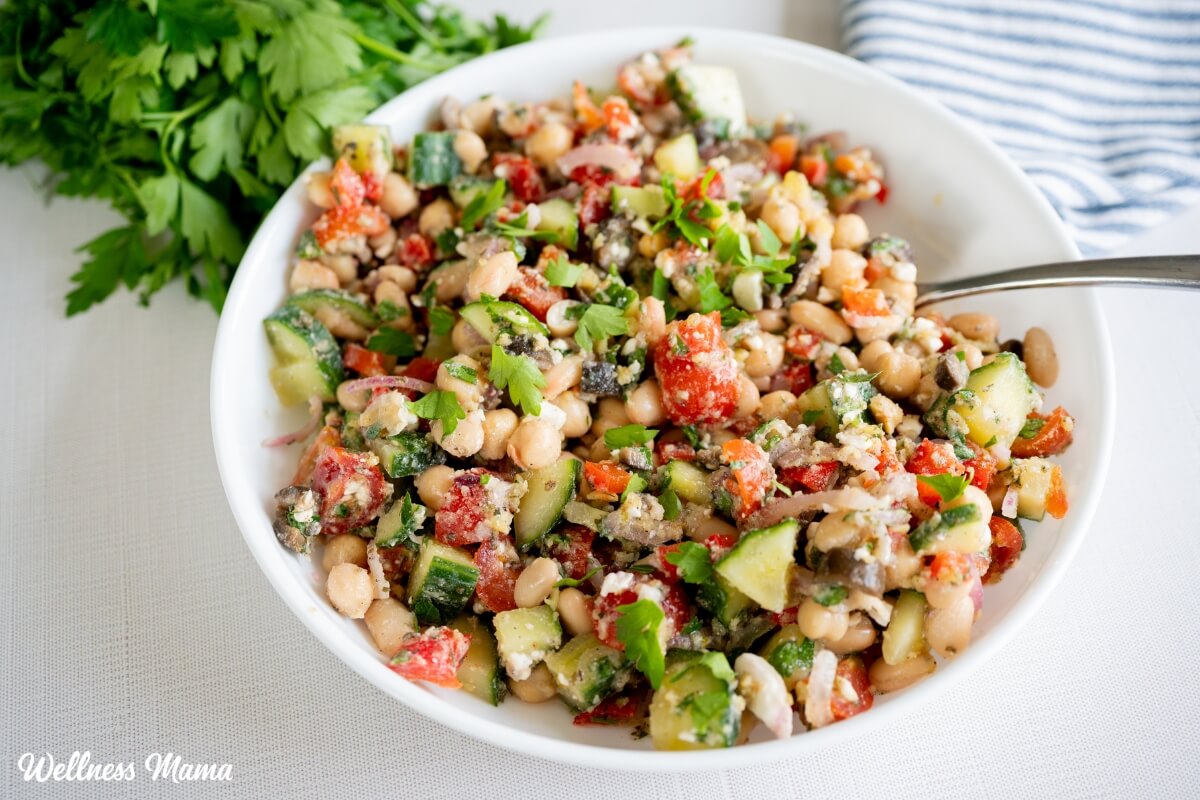
The efficacy of the Mediterranean bean salad as a nutritional staple lies in its precise selection of macronutrients. Chickpeas (Cicer arietinum) and cannellini beans are both recognized by the U.S. Department of Agriculture (USDA) for their high protein-to-calorie ratio. A standard one-cup serving of this salad contains approximately 8 grams of protein and 6 grams of dietary fiber. This combination is critical for satiety and the regulation of blood glucose levels.
The fat profile of the dish is primarily derived from monounsaturated fatty acids, specifically from extra virgin olive oil. According to clinical studies published by the Harvard T.H. Chan School of Public Health, consistent intake of olive oil is linked to improved cardiovascular outcomes. In this recipe, the oil serves a dual purpose: it acts as a flavor vehicle for the fat-soluble vitamins found in the bell peppers and tomatoes, while also serving as a preservative agent for the legumes. The inclusion of fresh herbs—mint, oregano, and parsley—contributes not only to the organoleptic quality of the dish but also provides a concentrated source of polyphenols and antioxidants.
The Science of Shelf Stability in Meal Prep
The primary challenge in professional and home-based meal preparation is the maintenance of structural integrity over time. Most vegetable-based salads rely on chlorophyll-heavy greens, which possess high water content and thin cell walls. When exposed to acidic dressings, these cell walls collapse, leading to the phenomenon commonly known as "sogging."
The Mediterranean bean salad circumvents this through the use of low-moisture, fibrous ingredients. The structural density of chickpeas and cannellini beans allows them to absorb dressing components—lemon juice, garlic, and vinegar—without compromising their physical form. Data from culinary food science research indicates that maceration, the process of soaking ingredients in a liquid, actually improves the flavor profile of this dish over a 24-to-48-hour window. As the osmotic pressure equalizes between the dressing and the legumes, the flavors become more integrated, creating a more cohesive culinary product. This makes the dish an ideal candidate for commercial meal-prep services and household planning alike, as it remains food-safe and palatable for up to 96 hours when refrigerated at or below 40°F (4°C).
Historical Context and Cultural Evolution
The Mediterranean diet, from which this salad draws its inspiration, was formally categorized in the mid-20th century, most notably through the Seven Countries Study conducted by Ancel Keys. This diet emphasizes whole grains, legumes, olive oil, and limited intake of red meat. While the specific iteration of a "bean salad" is a modern adaptation, it reflects the ancestral consumption patterns of the Mediterranean basin, where legumes have served as the primary protein source for millennia.
In the contemporary context, the popularity of this dish reflects a broader societal pivot toward "clean eating" and the reduction of single-use kitchen plastics. By focusing on bulk ingredients that are shelf-stable—such as dried or canned legumes and hearty vegetables like peppers and cucumbers—consumers can reduce their reliance on pre-packaged, highly processed convenience foods. This shift is not merely aesthetic; it is an economic decision driven by rising food costs and a growing awareness of the environmental impact of food waste.
Logistical Advantages for Modern Schedules
For the average household, the time-cost of meal preparation is a significant barrier to healthy eating. The Mediterranean bean salad addresses this through a "batch-processing" methodology. Unlike recipes that require heat-based cooking—which necessitates active monitoring and significant energy expenditure—this salad relies on assembly-based preparation.
The standard protocol involves the integration of legumes, chopped vegetables, and a dressing emulsion. From a logistical standpoint, the use of a pint-sized glass jar for the dressing allows for consistent homogenization through mechanical agitation (shaking). This prevents the common issue of uneven dressing distribution, ensuring that every serving maintains the same caloric and flavor profile.
Fact-Based Analysis of Broader Implications
The rise of the Mediterranean bean salad as a staple points to several shifts in public health and domestic management:
- Fiber Intake and Digestive Health: The average American consumes significantly less than the recommended 25–30 grams of fiber per day. A single cup of this salad provides approximately 20–25% of the daily recommended intake, positioning it as a highly efficient tool for addressing national nutritional deficits.
- Economic Efficiency: Legumes remain one of the most cost-effective sources of protein available in the global market. When compared to the price per gram of animal-derived protein, the Mediterranean bean salad offers a significantly lower cost-per-serving, facilitating healthier diets for lower-income households.
- Waste Mitigation: By utilizing vegetables that have longer shelf lives—such as bell peppers, cucumbers, and onions—households can reduce the amount of fresh produce discarded due to spoilage. This aligns with broader sustainability goals aimed at reducing the carbon footprint associated with household food waste.
Standardizing the Preparation Process
While the recipe is highly adaptable, professional culinary standards suggest a specific workflow to ensure consistency. The process begins with the preparation of the dressing. The emulsion of olive oil and lemon juice serves as the base, which is then seasoned with aromatics. It is essential to note that the inclusion of feta cheese should be handled with care; because cheese is a high-moisture, dairy-based product, adding it too far in advance can lead to premature spoilage if the salad is not maintained at the correct temperature.
For optimal quality, the salad should be prepared in a two-stage process:
- Stage One: Mixing the legumes, vegetables, and dressing. This mixture can be stored for several days.
- Stage Two: Adding fresh, perishable elements like diced avocado or fresh herbs immediately before consumption to maximize freshness.
Conclusion and Future Trends
The Mediterranean bean salad is more than a simple recipe; it is a manifestation of the intersection between nutritional science, economic efficiency, and modern time management. As consumers continue to seek out meals that provide long-term stability and health benefits without requiring extensive daily labor, the demand for such "pre-preppable" dishes is expected to rise.
This trend suggests that the future of home cooking will rely less on complex, time-intensive techniques and more on the intelligent assembly of nutrient-dense, shelf-stable components. Whether utilized as a primary lunch option or a side dish for more substantial proteins, the Mediterranean bean salad provides a reliable, data-backed approach to dietary management. As food inflation continues to affect household budgets, the reliance on affordable, high-fiber, and plant-forward meals like this one will likely become a cornerstone of sustainable domestic kitchen management. By integrating these practices, households can achieve a balance of nutritional quality and operational efficiency that is both practical and beneficial for long-term health.