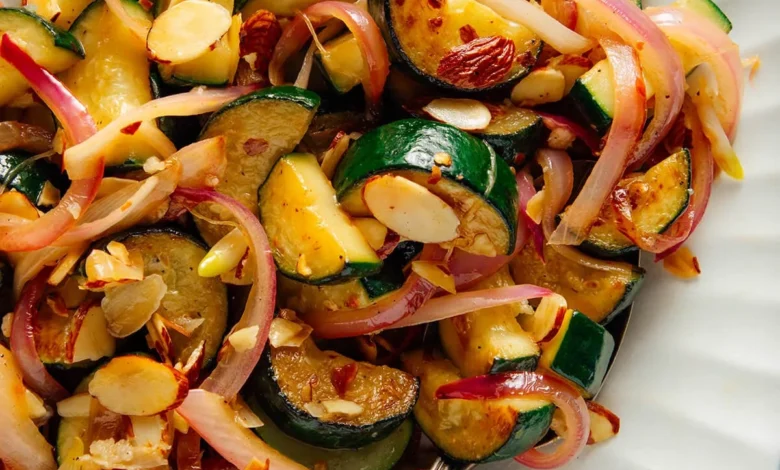
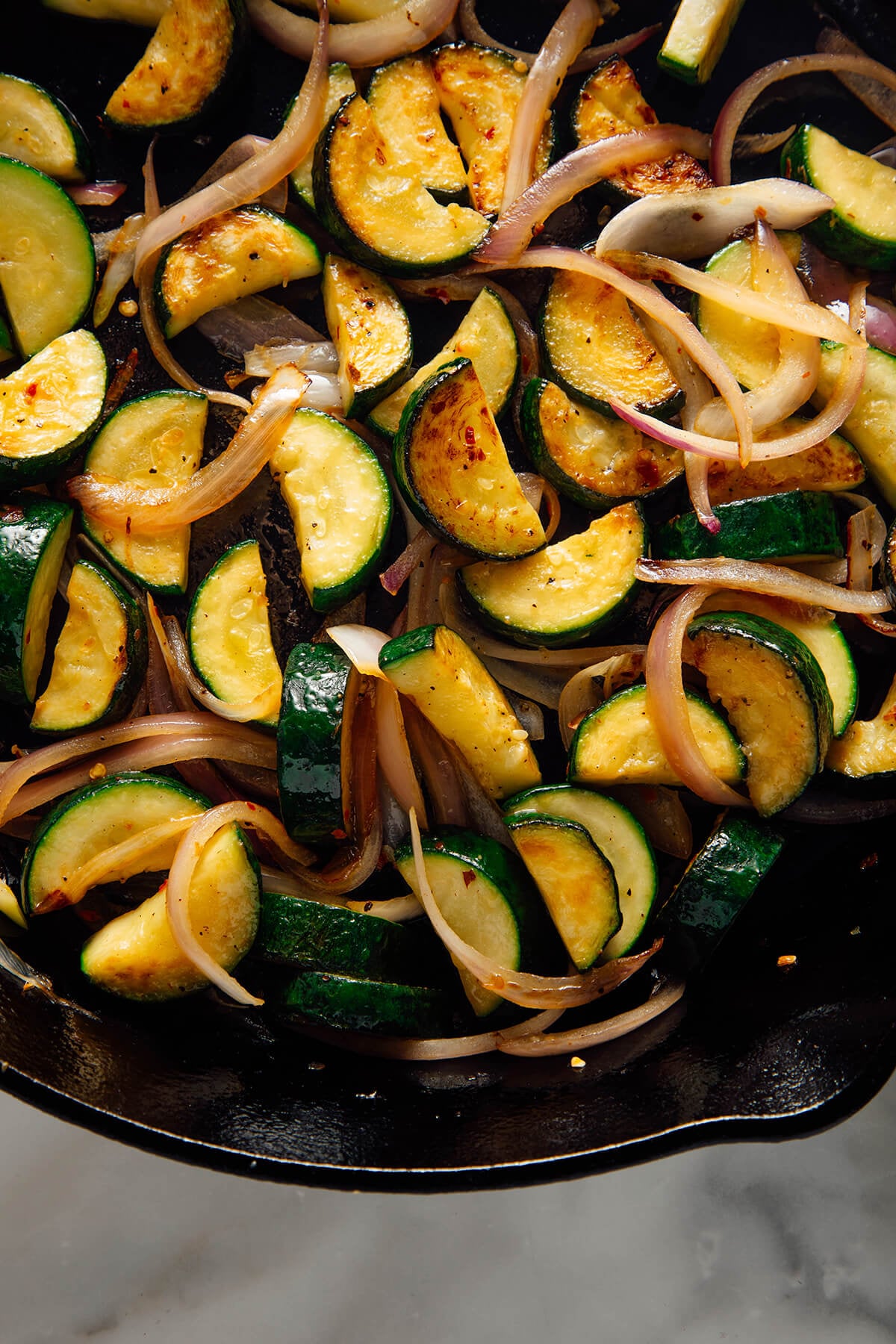
This simple sautéed zucchini recipe is the best! It features tender, caramelized zucchini cooked with thinly sliced red onion, toasted almonds, lemon, and garlic. The dish, developed by food blogger Kathryne Taylor of Cookie and Kate, is rapidly gaining traction as a go-to summer side, challenging preconceived notions about the often-maligned vegetable. With its vibrant flavors and quick preparation time, it offers a compelling alternative to traditional summer fare.
The genesis of this celebrated zucchini preparation can be traced back to a summer gathering hosted by a friend named Erika in St. Louis. Taylor recounts how the dish, presented as a simple yet elegant accompaniment to pasta and grilled items on a back porch, immediately captured her attention. The experience was so transformative that it inspired her to seek out the recipe, ultimately leading to her own refined version, now being shared widely.
Taylor, who admits to not always being a fan of cooked zucchini due to its propensity to become either squeaky or mushy, found this particular method to be a revelation. "I don’t always like cooked zucchini, but I love this recipe," she states. The key, she explains, lies in a precise cooking technique that achieves a perfectly browned exterior and a tender, yielding interior, a stark contrast to the often disappointing results of other cooking methods.
The Art of Sautéing Zucchini: A Culinary Breakthrough
The core of Taylor’s recipe lies in her perfected method for cooking zucchini on the stovetop. She posits that properly sautéed zucchini surpasses roasted varieties, which frequently succumb to a mushy texture before achieving desirable browning. This technique aims to deliver a balanced texture, where the vegetable is both tender and retains a slight bite, enhanced by a rich caramelization.
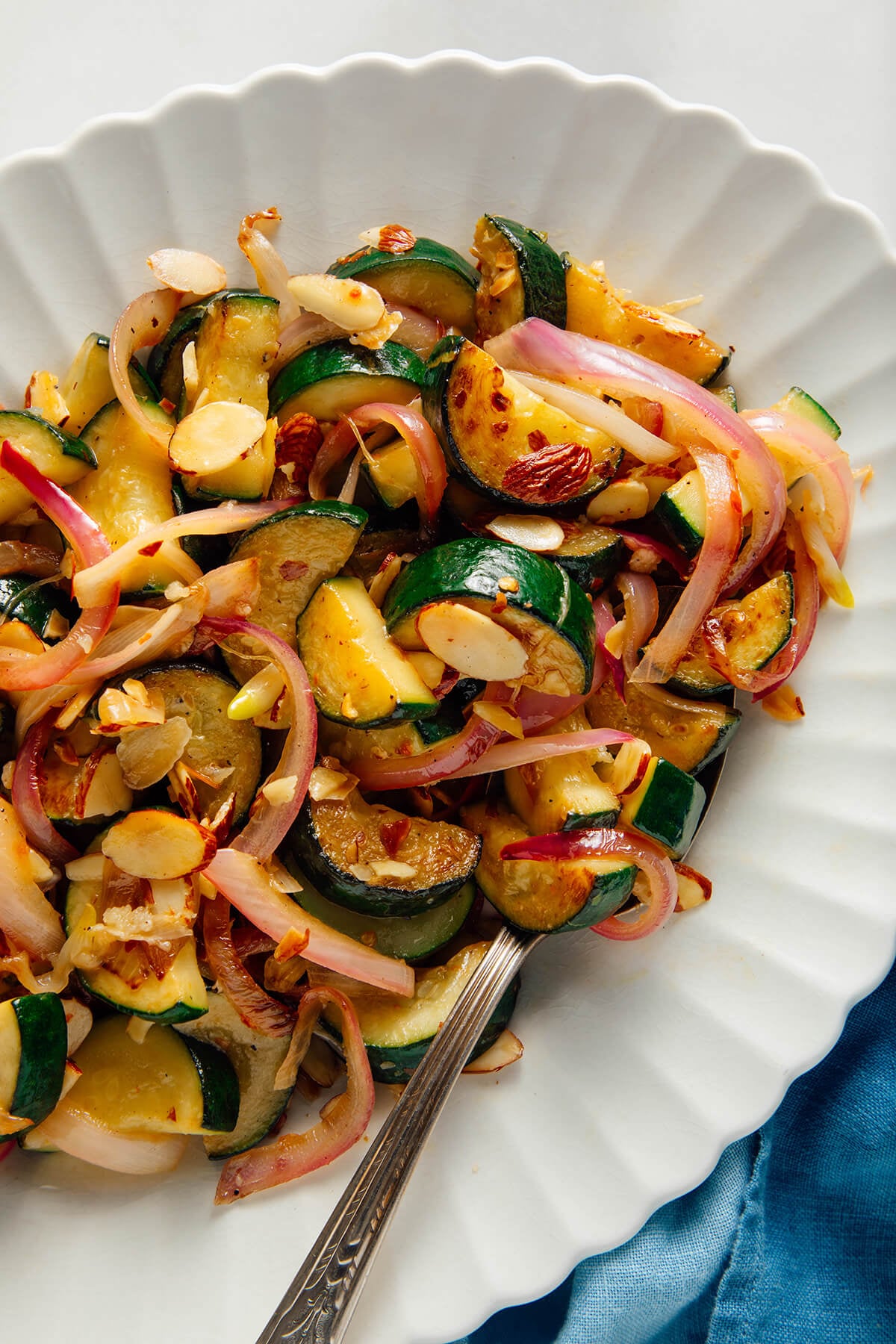
The foundational elements of this recipe are straightforward yet impactful. Thinly sliced red onion, sautéed alongside the zucchini, contributes a subtle sweetness and depth of flavor. Toasted sliced almonds provide a welcome crunch and nutty undertone, reminiscent of classic green beans amandine, another popular vegetable side dish. Fresh garlic infuses the dish with its pungent aroma, while a final squeeze of lemon juice brightens the overall profile, cutting through the richness and adding a zesty finish.
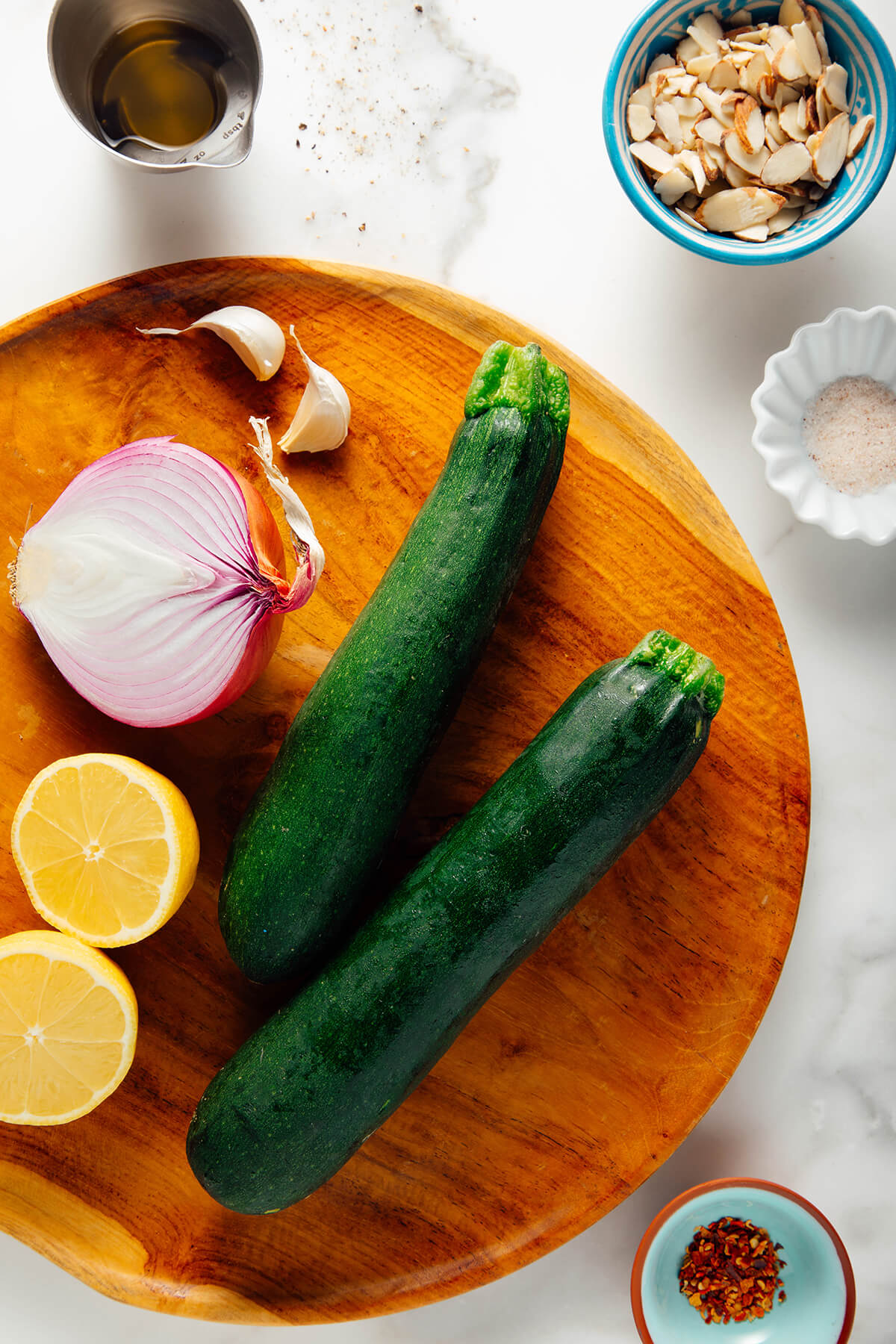
Taylor emphasizes that the simplicity of the ingredients allows the natural flavors of the zucchini to shine, elevated by the complementary elements. The visual appeal of the dish, with its vibrant green zucchini, pops of red onion, and golden-brown almonds, further enhances its desirability as a summer staple.
Decoding the Zucchini Cooking Process: Tips for Success
Taylor’s insights into the cooking process offer valuable guidance for home cooks looking to replicate the success of her recipe. One crucial aspect is the size of the zucchini pieces. She recommends cutting the zucchini into 1/2-inch thick chunks. This specific dimension is critical, as it provides sufficient surface area to brown effectively on the stovetop while ensuring the interior cooks through without disintegrating. Thinner pieces, she notes, would create a denser pile that would steam rather than caramelize.
Contrary to many sautéed zucchini recipes, Taylor advises against salting the zucchini to draw out excess moisture. Her friend’s original recipe included this step, but Taylor found it resulted in an overly salty dish, even after rinsing. Through extensive testing, she concluded that cooking the zucchini "as-is" is not only easier but yields a superior taste. This aligns with findings from other culinary resources, such as The Kitchn, which also advocate for a salt-free approach to preparing zucchini for sautéing.
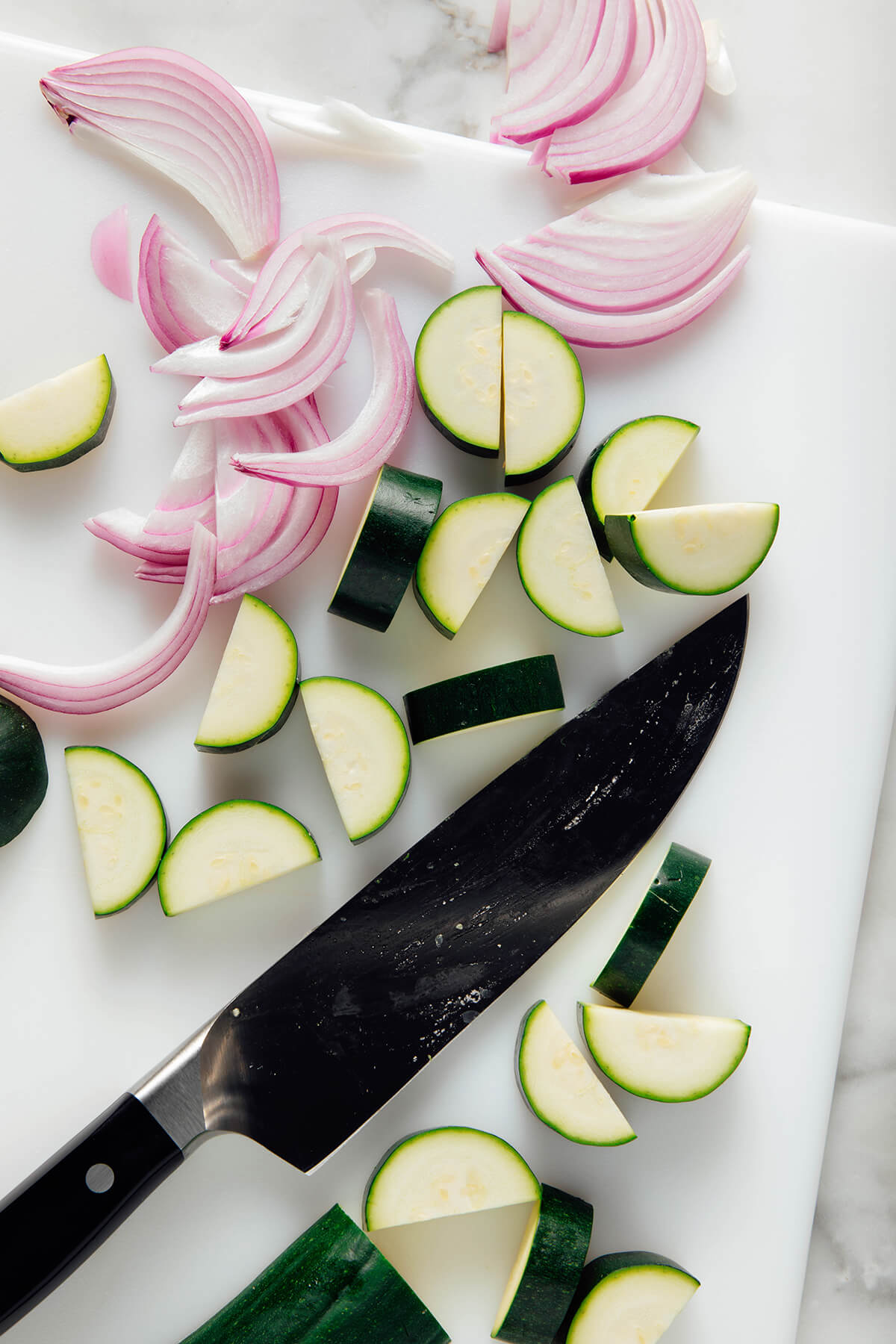
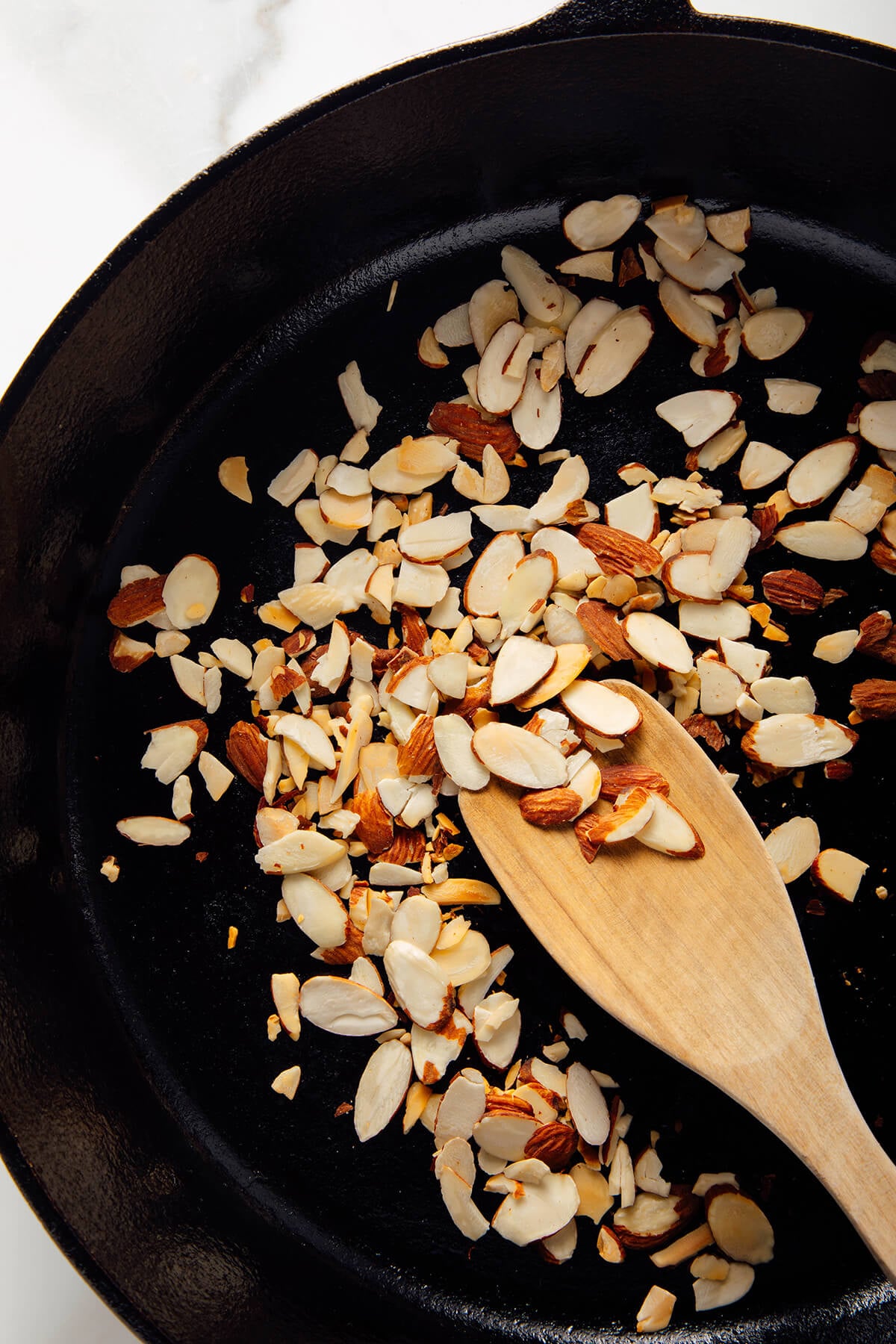
The preparation of the almonds is another key detail. Toasting the nuts beforehand allows them to be prepared in the same pan used for the zucchini. This not only preheats the pan, readying it for the vegetables, but also adds a layer of toasted flavor that complements the zucchini and onion.
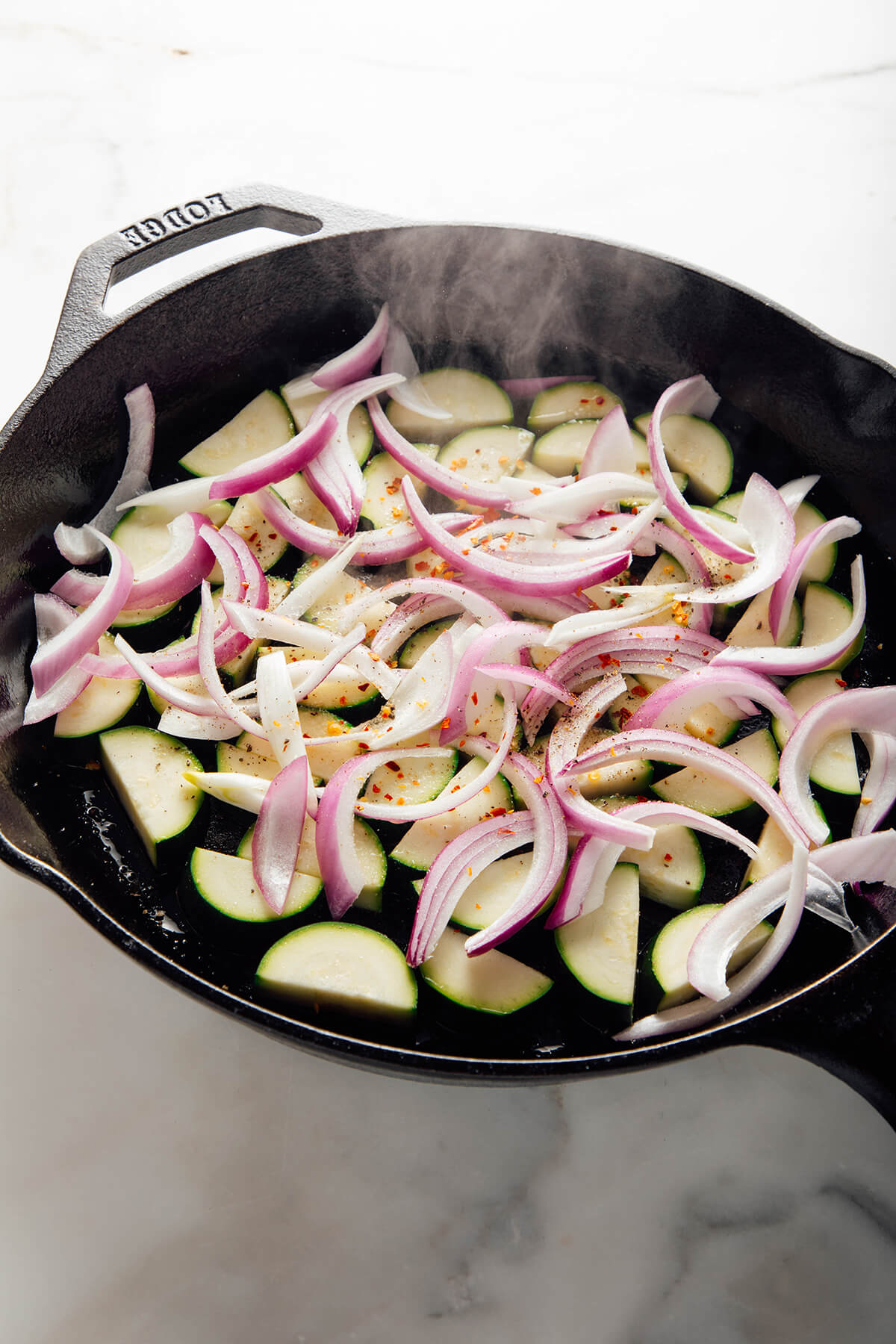
Overcrowding the pan is identified as a common pitfall. For approximately one pound of zucchini, a 12-inch skillet is recommended. When the pan is too full, the zucchini pieces tend to steam each other, hindering the browning process and preventing the development of desirable caramelized flavors.
A practical warning is issued regarding oil splatters when the moist zucchini is added to the hot pan. Taylor shares a personal anecdote, having learned "the hard way" about the potential for oil pops. Using a spatula, large spoon, or tongs is advised to safely introduce the zucchini into the pan and minimize the risk of burns.
The frequency of stirring is also a critical factor in achieving optimal browning. Taylor suggests stirring only every minute or two. Allowing the zucchini to rest against the hot pan for brief periods is essential for it to develop a nice sear. She notes that she had to "purposefully turn the zucchini to get both sides," highlighting the need for attentive, though not constant, stirring. The initial cooking phase for the zucchini is two minutes before subsequent stirring commences every minute thereafter.
A Versatile Summer Side Dish
The appeal of this sautéed zucchini extends beyond its preparation method. Its suitability as a quintessential summer side dish is undeniable. The recipe is remarkably quick, taking only about 10 minutes to cook, which means it won’t contribute excess heat to the kitchen during warmer months.
The flavor profile of the zucchini dish harmonizes exceptionally well with other seasonal produce, such as ripe tomatoes, sweet corn, and fragrant basil. It also serves as an excellent complement to Mediterranean-inspired main courses. Furthermore, its ability to reheat well makes it a practical option for meal prepping, allowing for enjoyment over several days.
Taylor offers several suggestions for building complete meals around this versatile zucchini side. These include pairing it with grilled chicken or fish, incorporating it into pasta dishes, serving it alongside grain bowls, or enjoying it as a light and refreshing option with a summer salad. The flexibility of the dish makes it adaptable to a wide range of culinary preferences and occasions.
Broader Implications and Culinary Trends
The widespread appeal of Taylor’s sautéed zucchini recipe reflects a broader culinary trend towards elevating simple, seasonal vegetables. As consumers increasingly seek healthy, flavorful, and easy-to-prepare meals, recipes that transform common produce into culinary stars gain significant traction. The success of this dish underscores the importance of technique and thoughtful ingredient pairings in unlocking the full potential of everyday vegetables.
The recipe’s emphasis on plant-based ingredients, its gluten-free and vegan attributes, also aligns with growing dietary preferences and health consciousness. The inclusion of almonds, while optional for nut allergies, adds a beneficial source of protein and healthy fats, further contributing to its appeal as a nutritious side.
The rapid dissemination of this recipe through online platforms highlights the power of food blogging and social media in influencing culinary trends. What began as a personal discovery in a friend’s kitchen has evolved into a widely adopted recipe, celebrated for its deliciousness and ease of preparation. This phenomenon demonstrates how innovative approaches to familiar ingredients can capture the public’s imagination and become staples in home cooking.
The article also touches upon the growing acceptance of zucchini as a versatile ingredient, moving beyond its traditional role in baked goods or simple steamed preparations. By showcasing its potential for caramelization and robust flavor development, Taylor’s recipe encourages a re-evaluation of this humble vegetable. The dish’s ability to stand on its own as a flavorful accompaniment, rather than just a filler, marks a significant step in its culinary rehabilitation.
The author’s personal journey with zucchini, from skepticism to enthusiastic advocacy, provides an relatable narrative that resonates with many who may have had similar experiences with the vegetable. This personal touch, combined with practical, data-driven cooking advice, creates a compelling and informative piece that empowers readers to achieve similar success in their own kitchens. The "best ever" claim, while subjective, is supported by detailed explanations of the technique and ingredient synergy, making it a credible assertion for those seeking an exceptional zucchini preparation.