The Science and Practice of Detox Baths: A Comprehensive Guide to Natural Cleansing Rituals

The pursuit of holistic well-being has increasingly turned attention to practices that offer both relaxation and perceived health benefits. Among these, the detox bath stands out as a popular, accessible, and often inexpensive method touted for its potential to alleviate various bodily discomforts and support natural detoxification processes. While the term "detox" in a popular wellness context often differs from its strict medical definition, the underlying principle of using warm water and natural additives for therapeutic purposes has roots in ancient traditions and continues to resonate in modern health discussions. This article delves into the various facets of detox baths, exploring their proposed mechanisms, common ingredients, practical applications, and the scientific context surrounding their use.
The Enduring Appeal of Therapeutic Bathing
Bathing for therapeutic purposes is not a modern invention but a practice with a rich history spanning diverse cultures. From ancient Roman baths and Turkish hammams to Japanese onsens and Indigenous sweat lodges, the ritual of immersion in water, often enhanced with natural minerals or botanicals, has long been associated with cleansing, healing, and spiritual renewal. These practices recognized the skin not merely as a barrier but as an active organ, capable of both absorption and elimination, and understood the profound impact of warmth and water on the body and mind.
In contemporary wellness, the concept of a "detox bath" has gained traction as a simple yet potent tool for individuals grappling with common complaints such as skin issues, muscle aches, stress, and general fatigue—symptoms often attributed to "toxin overwhelm" or the burdens of modern living. The premise is that by adding specific ingredients to bathwater, one can support the body’s innate detoxification pathways, promote relaxation, and enhance overall vitality. This approach is particularly appealing due to its affordability and convenience, offering a spa-like experience within the comfort of one’s home.
Understanding Detoxification: Medical vs. Wellness Perspectives
Before exploring specific bath recipes, it is crucial to differentiate between the medical and wellness interpretations of "detoxification." In medical science, detoxification is a complex physiological process primarily carried out by the liver, kidneys, lungs, and gastrointestinal tract. These organs efficiently neutralize and eliminate harmful substances, waste products, and toxins from the body on a continuous basis. This intricate system is remarkably effective and generally does not require external "detox" interventions to function optimally in healthy individuals.
However, in the wellness sphere, "detox" often refers to practices aimed at supporting these natural processes, enhancing elimination, or alleviating symptoms perceived to be linked to environmental pollutants, dietary imbalances, or stress. While detox baths may not directly "remove toxins" in the same way the liver does, they can facilitate processes that contribute to well-being, such as promoting relaxation, improving circulation, and aiding in the absorption of beneficial minerals. The skin, being the body’s largest organ, plays a role in excretion through sweat and sebum, and its barrier function can be influenced by topical applications and environmental factors.
Key Ingredients and Their Proposed Therapeutic Benefits
A variety of natural ingredients are commonly employed in detox baths, each bringing its unique set of properties. The efficacy of these ingredients often stems from their traditional use, anecdotal evidence, and, in some cases, scientific research.
-
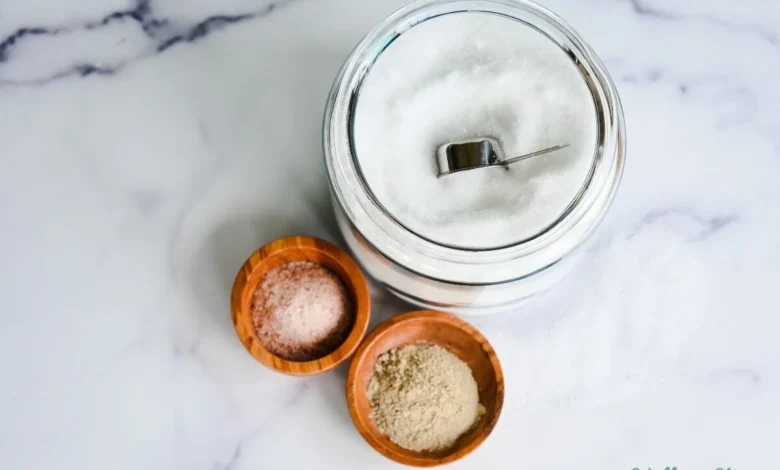
Epsom Salts (Magnesium Sulfate): Perhaps the most ubiquitous detox bath ingredient, Epsom salts are lauded for their high magnesium content. Magnesium is a vital mineral involved in over 300 enzymatic reactions in the body, including muscle and nerve function, blood glucose control, and blood pressure regulation. Proponents suggest that magnesium can be absorbed transdermally (through the skin) during a bath, helping to replenish stores, soothe muscles, reduce inflammation, and promote relaxation. A 2004 study conducted by the University of Birmingham suggested that magnesium could be absorbed via the skin, although more extensive research is needed to definitively quantify absorption rates and therapeutic benefits through bathing. Beyond magnesium, the sulfate component of Epsom salts is believed to aid in flushing toxins and heavy metals from the cells, though direct scientific evidence for this specific mechanism through bathing is limited.
-
Bentonite Clay: This natural clay, formed from volcanic ash, is highly absorbent and has a strong negative charge, which is believed to attract and bind positively charged toxins, heavy metals, and impurities. Used internally and externally for centuries, bentonite clay is a common ingredient in face masks, poultices, and now, detox baths. When added to bathwater, it is thought to draw out impurities from the skin. However, it is crucial to use a drain filter when using bentonite clay in a bath to prevent potential plumbing clogs.
-
Ginger: Known for its warming and stimulating properties, ginger is a popular addition, particularly in "oxygen detox baths." Ginger contains compounds like gingerol, which are anti-inflammatory and can stimulate circulation. When used in a bath, fresh or powdered ginger is believed to induce sweating, thereby supporting the body’s natural excretory processes through the skin. It is also traditionally used to alleviate congestion, body aches, and stimulate faster healing during periods of illness, making it a common remedy for colds and flu.
-
Apple Cider Vinegar (ACV): A staple in many natural health routines, apple cider vinegar is renowned for its ability to balance pH. When applied to the skin, ACV’s mild acidity can help restore the skin’s natural acid mantle, which can be disrupted by soaps, environmental factors, and certain skin conditions. This makes it particularly beneficial for soothing skin irritations such as sunburn, eczema, dandruff, or dry, itchy skin. Anecdotal reports also suggest it can leave skin feeling soft and hair shiny.
-
Mustard Powder: While unconventional to some, organic mustard powder has been historically used in various cultures for its medicinal properties. Rich in compounds that stimulate circulation, mustard baths are traditionally employed to alleviate cold symptoms, flu, and sore muscles. The warmth generated by mustard powder is thought to promote sweating and increase blood flow, aiding in the delivery of nutrients and removal of waste products.
-
Essential Oils: These concentrated plant extracts offer a wide array of therapeutic benefits, primarily through aromatherapy and topical application. Oils like lavender (for relaxation), eucalyptus (for respiratory support), tea tree (antiseptic), and frankincense (anti-inflammatory) can enhance the sensory experience of a bath, promote relaxation, and offer localized benefits depending on the oil chosen. However, careful selection and dilution are crucial, especially when children are present, as some essential oils can be irritating or contraindicated for certain conditions.
Practical Applications: Natural Detox Bath Recipes
Integrating these ingredients into a bath routine is straightforward. The following recipes offer a starting point, encouraging individuals to find combinations that best suit their needs and preferences. It is important to ensure the water is comfortably warm to hot, as heat enhances circulation and promotes sweating, aiding in the desired effects.
1. Basic Epsom Salt Detox Bath
This foundational recipe is excellent for general relaxation, muscle soothing, and magnesium replenishment.
- Ingredients: 2 cups Epsom salts.
- Instructions: Dissolve Epsom salts in a warm bath. Soak for 20-30 minutes.
- Rationale: Provides magnesium for muscle relaxation and stress reduction.
2. Clay Detox Bath
Ideal for those seeking a deeper cleanse, particularly concerning heavy metals or skin impurities.
- Ingredients: 1 cup Epsom salts, ½ cup bentonite clay, 5-10 drops essential oil (optional, e.g., lavender or frankincense).
- Instructions:
- Dissolve Epsom salts in a warm bath. Add essential oils if desired.
- For the clay: Mix bentonite clay with a small amount of water to form a thin paste before adding to the bath, to prevent clumping. Alternatively, create a "clay mask" for your body by applying the paste to your skin before entering the bath.
- Soak for 20-30 minutes. Use a drain filter to prevent clogs.
- Rationale: Bentonite clay’s absorbent properties are believed to draw out impurities, while Epsom salts contribute magnesium and further support detoxification.
3. Oxygen (Ginger) Detox Bath
Particularly beneficial during illness, congestion, or for stimulating circulation.
- Ingredients: 1/3 cup ground ginger (or 2-3 inches fresh ginger, grated and steeped), 1 cup Epsom salts.
- Instructions:
- Dissolve Epsom salts in a warm bath.
- If using fresh ginger, steep it in hot water for 15 minutes to make a strong tea, then strain and add the liquid to the bath. If using ground ginger, add directly to the bath.
- Soak for 15-20 minutes. Be prepared to sweat.
- Rationale: Ginger promotes sweating and circulation, aiding in the relief of congestion and body aches, while Epsom salts offer muscle relaxation.
4. Vinegar Detox Bath
Excellent for soothing various skin conditions and balancing skin pH.
- Ingredients: 1-2 cups apple cider vinegar.
- Instructions: Add apple cider vinegar to a warm bath. Soak for 20-30 minutes.
- Rationale: ACV’s mild acidity helps restore the skin’s natural pH, providing relief for conditions like eczema, sunburn, and dry skin.
5. Mustard Detox Bath
A traditional remedy for colds, flu, and sore muscles, leveraging mustard’s warming properties.
- Ingredients: ½ cup organic mustard powder, 1 cup Epsom salts, 5-10 drops essential oils (e.g., eucalyptus, rosemary, or peppermint for respiratory support).
- Instructions:
- Dissolve Epsom salts in a warm bath.
- Mix mustard powder with a small amount of water to form a paste, then add to the bath to prevent clumping. Add essential oils.
- Soak for 15-20 minutes.
- Rationale: Mustard powder stimulates circulation and promotes sweating, assisting in relieving congestion and muscle soreness.
Important Considerations and Safety Guidelines
While generally safe for most individuals, several precautions should be observed when engaging in detox baths:
- Hydration: Always drink plenty of water before, during, and after a detox bath, especially those designed to induce sweating. Dehydration can lead to dizziness or lightheadedness.
- Temperature: Ensure the bath water is warm but not excessively hot, as extremely hot water can be dehydrating and stressful for the cardiovascular system.
- Duration: Limit soak times to 20-30 minutes. Longer durations can lead to excessive sweating, dehydration, or skin irritation.
- Post-Bath Routine: After bathing, a cool rinse can help close pores and invigorate the skin. Some prefer to air dry to allow any residual beneficial compounds to remain on the skin, particularly after a vinegar bath.
- Children: Detox baths can be safe and soothing for children, but always use milder concentrations of ingredients and carefully select essential oils suitable for their age. Supervise children closely during baths.
- Medical Consultation: It is paramount to consult a healthcare professional before trying any new health regimen, including detox baths, especially if you have existing health conditions (e.g., heart disease, high blood pressure, diabetes), are pregnant, or nursing. Certain ingredients or the heat of the bath might be contraindicated.
- Essential Oil Safety: Always dilute essential oils properly in a carrier oil (like jojoba or almond oil) before adding them to bathwater, as undiluted oils can cause skin irritation. Research individual oils for contraindications and safe usage, particularly for children or individuals with sensitivities.
- Drainage: As noted, bentonite clay can clog pipes. Using a drain filter or a fine mesh cloth over the drain is highly recommended.
Beyond the Bathtub: Holistic Detoxification and Lifestyle
While detox baths can offer a comforting and potentially beneficial addition to a wellness routine, they are best viewed as supportive practices rather than standalone solutions for "detoxification." True detoxification is a continuous, multi-organ process supported by a holistic lifestyle that includes:
- Nutrient-dense Diet: Consuming a diet rich in whole foods, fruits, vegetables, and lean proteins provides the necessary vitamins, minerals, and antioxidants for optimal liver and kidney function.
- Adequate Hydration: Drinking sufficient water helps the kidneys filter waste and facilitates elimination.
- Regular Exercise: Physical activity promotes circulation, lymphatic flow, and sweating, all of which aid in waste removal.
- Sufficient Sleep: The body undergoes significant repair and detoxification processes during sleep.
- Stress Management: Chronic stress can impair various bodily functions, including detoxification pathways. Practices like meditation, yoga, and mindfulness are crucial.
- Minimizing Toxin Exposure: Reducing exposure to environmental toxins found in processed foods, certain cleaning products, and personal care items can lighten the load on the body’s detoxification systems.
In summary, detox baths, with their blend of warmth, natural ingredients, and aromatic essential oils, offer a compelling pathway to relaxation and supportive wellness. While the scientific community continues to explore the precise mechanisms and efficacy of transdermal absorption and "detox" claims, the undeniable benefits of stress reduction, muscle relaxation, and skin soothing make these baths a valuable tool in a comprehensive approach to health. As with any wellness practice, personal experience and adherence to safety guidelines, coupled with professional medical advice when necessary, remain paramount.