Broccoli Cheddar Egg Bake: A Nutritional Analysis of Modern Meal Preparation Trends


The contemporary shift toward efficient, high-protein meal preparation has brought versatile breakfast casseroles, such as the broccoli cheddar egg bake, to the forefront of household nutrition strategies. As busy professionals and families navigate the demands of morning routines, the integration of nutrient-dense, easily reheatable meals has become a significant focal point in dietary management. This specific culinary approach relies on the strategic combination of macronutrients—namely high-quality proteins and fibrous vegetables—to sustain energy levels throughout the early hours of the day.
The Nutritional Mechanics of Breakfast Casseroles
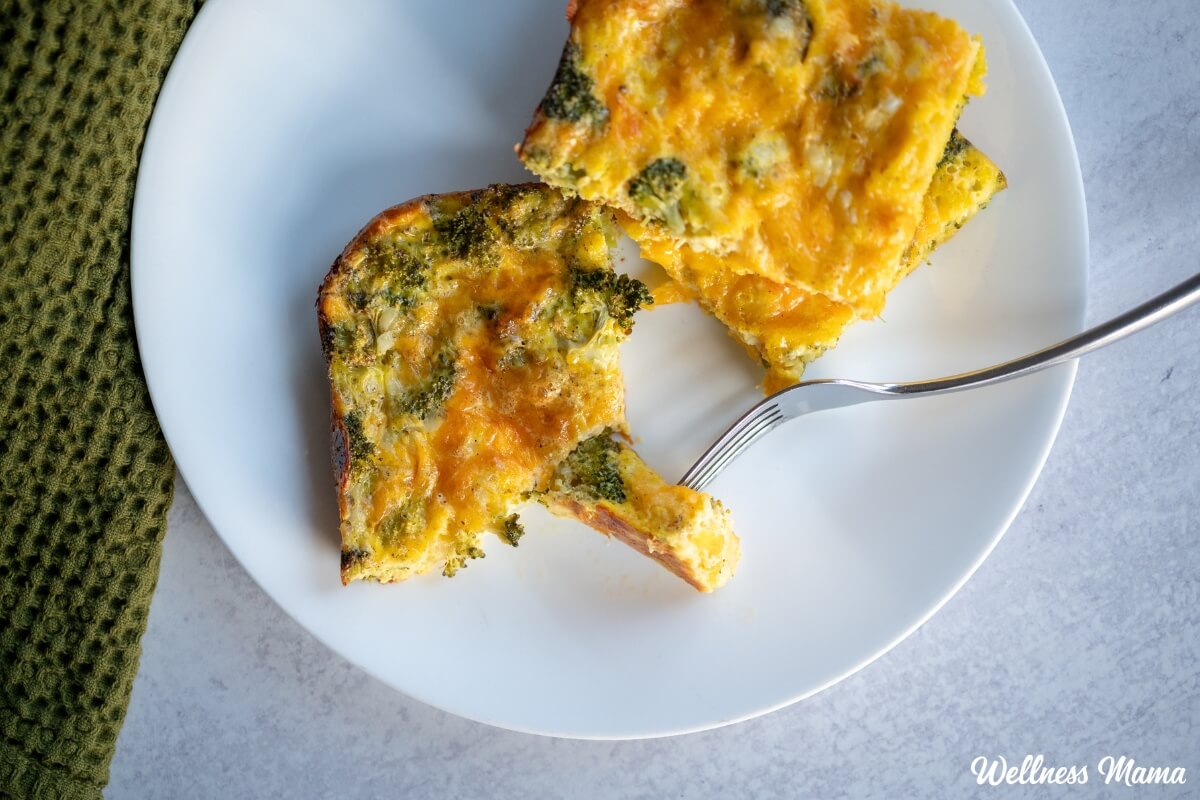
A standard broccoli cheddar egg bake serves as a case study in functional meal planning. By incorporating eggs as the primary protein source, the dish provides a complete amino acid profile, which is essential for muscle maintenance and satiety. When combined with cottage cheese—a staple in many high-protein diets—the total protein content is bolstered significantly without the necessity for saturated-fat-heavy additions like heavy cream.
Nutritional data for this specific composition indicates a robust profile: a single serving typically contains approximately 30 grams of protein and 383 calories. This density of protein, representing 60% of the recommended daily value, is particularly relevant for individuals managing metabolic health or those seeking to stabilize blood glucose levels after an overnight fast. The inclusion of broccoli adds a necessary fiber component, providing approximately 4% of the daily requirement per serving, alongside essential micronutrients like Vitamin C and calcium.
Evolution of Meal Prep and Time-Efficiency
The rise of the "make-ahead" breakfast movement is not merely a convenience trend; it is a response to the shrinking window of time available for domestic food preparation. Historical data on consumer behavior suggests that the average time spent on meal preparation has declined significantly over the past three decades. Consequently, recipes that utilize "dump-and-go" methodologies—where ingredients are combined in a single vessel and subjected to a uniform heat source—have gained widespread adoption.
The chronology of this method typically begins with the whisking of liquid components, such as eggs and cottage cheese, followed by the incorporation of solid elements like shredded cheddar and florets of broccoli. The process is optimized for a standard oven cycle, allowing the cook to transition into other morning tasks while the thermal energy of the oven facilitates the coagulation of the proteins. This shift from stove-top monitoring to passive oven-cooking represents a fundamental change in kitchen management, prioritizing multitasking and workflow efficiency.
Ingredient Versatility and Supply Chain Flexibility
One of the primary factors contributing to the popularity of the broccoli cheddar egg bake is its reliance on shelf-stable and frozen components. The ability to utilize frozen broccoli—which is flash-frozen at the peak of ripeness—ensures that the nutritional integrity of the produce is maintained, regardless of the season or local supply chain fluctuations.
From a supply chain perspective, the reliance on staples such as eggs, cheese, and cruciferous vegetables minimizes the "ingredient friction" that often causes meal preparation to fail. When individuals can construct a nutritionally balanced meal from items already present in their inventory, the likelihood of adhering to a consistent dietary pattern increases. This is a critical factor for families managing diverse nutritional needs, as the recipe is naturally gluten-free, addressing a common dietary restriction without requiring expensive, specialized substitutes.
Broader Nutritional Implications
Nutritionists have long debated the efficacy of the "standard" breakfast. While traditional recommendations once focused heavily on carbohydrates, modern nutritional science increasingly emphasizes the "protein-first" model. The metabolic impact of a high-protein, moderate-fat breakfast like this egg bake is characterized by a slower gastric emptying rate compared to grain-heavy breakfasts. This contributes to improved glycemic control and reduces the likelihood of mid-morning hunger spikes, which often lead to the consumption of processed snacks.
Furthermore, the integration of dairy products like cheddar and cottage cheese provides a bioavailable source of calcium and phosphorus. According to clinical data, adequate intake of these minerals is vital for bone density maintenance. The presence of Vitamin A and various B-vitamins within the egg yolks further complements the fiber-rich profile of the broccoli, creating a synergistic effect that enhances the overall micronutrient density of the meal.
Challenges and Best Practices for Implementation
While the recipe is inherently forgiving, achieving the optimal texture requires attention to thermodynamic principles. The resting phase—a mandatory interval of several minutes post-baking—is essential for the stabilization of the protein matrix. During this period, the internal temperature of the casserole continues to rise slightly, and the structure firms, allowing for clean, uniform portioning. Failure to allow this rest period often results in a loss of structural integrity, as the steam within the casserole has not yet dissipated.
Storage and reheating protocols are equally vital for maintaining the quality of the meal over a 3-to-5-day window. Modern kitchen appliances, such as air fryers and toaster ovens, offer superior reheating capabilities compared to microwaves, as they allow for moisture control and the re-crisping of the cheese crust. Proper sealing in airtight containers is necessary to prevent oxidative changes that can alter the flavor profile of the eggs, ensuring that the meal remains palatable throughout the week.
Industry and Expert Perspectives
Food industry analysts note that the trend toward "batch cooking" has been amplified by the global increase in hybrid work models. As more individuals work from home, the demand for "fresh-tasting" leftovers has surged. Culinary experts suggest that the broccoli cheddar egg bake is an exemplar of this shift, as it bridges the gap between the speed of a ready-to-eat meal and the quality of home-cooked food.
Furthermore, the economic implications of such meal planning cannot be overlooked. By purchasing ingredients in bulk—specifically eggs and frozen vegetables—households can significantly reduce their cost-per-serving compared to purchasing pre-packaged, individual breakfast items. This cost-efficiency, combined with the clear health benefits, positions the egg bake as a cornerstone of sustainable, modern meal prep.
Future Directions for Domestic Food Preparation
As interest in personalized nutrition continues to grow, it is anticipated that recipes like the broccoli cheddar egg bake will see further iterations. We may see the integration of varied proteins, such as fermented soy products or lean turkey, and a wider variety of cruciferous vegetables to meet specific dietary goals. The core principles—simplicity, nutritional density, and temporal efficiency—remain the driving forces of this trend.
In summary, the broccoli cheddar egg bake serves as more than just a convenient breakfast; it is a manifestation of a broader shift toward intentional, science-backed dietary management. By leveraging the protein-dense profile of eggs and the fiber-rich utility of broccoli, this meal provides a scalable solution to the challenges of modern morning routines. Its success, sustained by its versatility and ease of preparation, underscores the importance of integrating efficient, nutrient-dense food systems into the domestic environment to support long-term metabolic and personal health.
Related posts: