Your Ultimate 7-Day High-Protein Meal Plan and Friendsgiving Guide to Healthy Eating

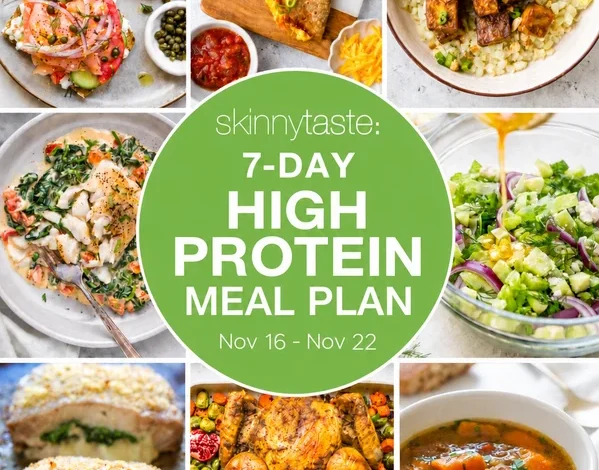
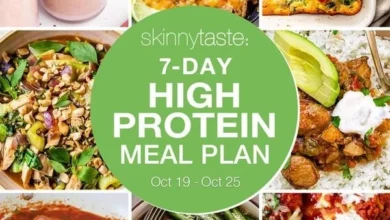
The modern approach to health and wellness has increasingly pivoted toward higher protein intake, not merely for bodybuilders and elite athletes, but for the general population seeking sustained energy, muscle maintenance, and improved satiety. Gina Homolka, the culinary voice behind Skinnytaste, has released a comprehensive, free 7-day high-protein meal plan complete with breakfast, lunch, and dinner options, macro-nutrient breakdowns, Weight Watchers points, and a fully integrated grocery shopping list. Timed strategically ahead of the autumn holiday season, this release also incorporates a curated "Friendsgiving" menu designed to help individuals maintain their nutritional objectives while participating in traditional social gatherings.
The cultural and physiological shift toward high-protein diets has gained significant momentum in recent years. Nutritional science increasingly underscores the role of protein in stabilizing blood sugar, preserving lean muscle mass during weight loss, and enhancing diet-induced thermogenesis. Homolka’s personal adoption of a high-protein regimen over the past few years mirrors broader consumer trends. By aiming for roughly 30 grams of protein per meal—complemented by protein-dense snacks—individuals can effectively curb late-day cravings and avoid the pitfalls of mindless snacking on refined carbohydrates and sugars.
The mechanics of the newly published 7-day plan are structured for accessibility and flexibility. Rather than enforcing a rigid, one-size-fits-all caloric restriction, the meal plan functions as a adaptable structural guide. Calorie targets average around 1,500 calories per day as a baseline, though the developer emphasizes that individual needs vary significantly based on age, weight, activity levels, and personal health goals. Nutritionists generally recommend consulting a registered dietitian before undertaking significant dietary shifts, particularly for individuals with pre-existing metabolic conditions or reduced kidney function, who may need to monitor their protein intake carefully.

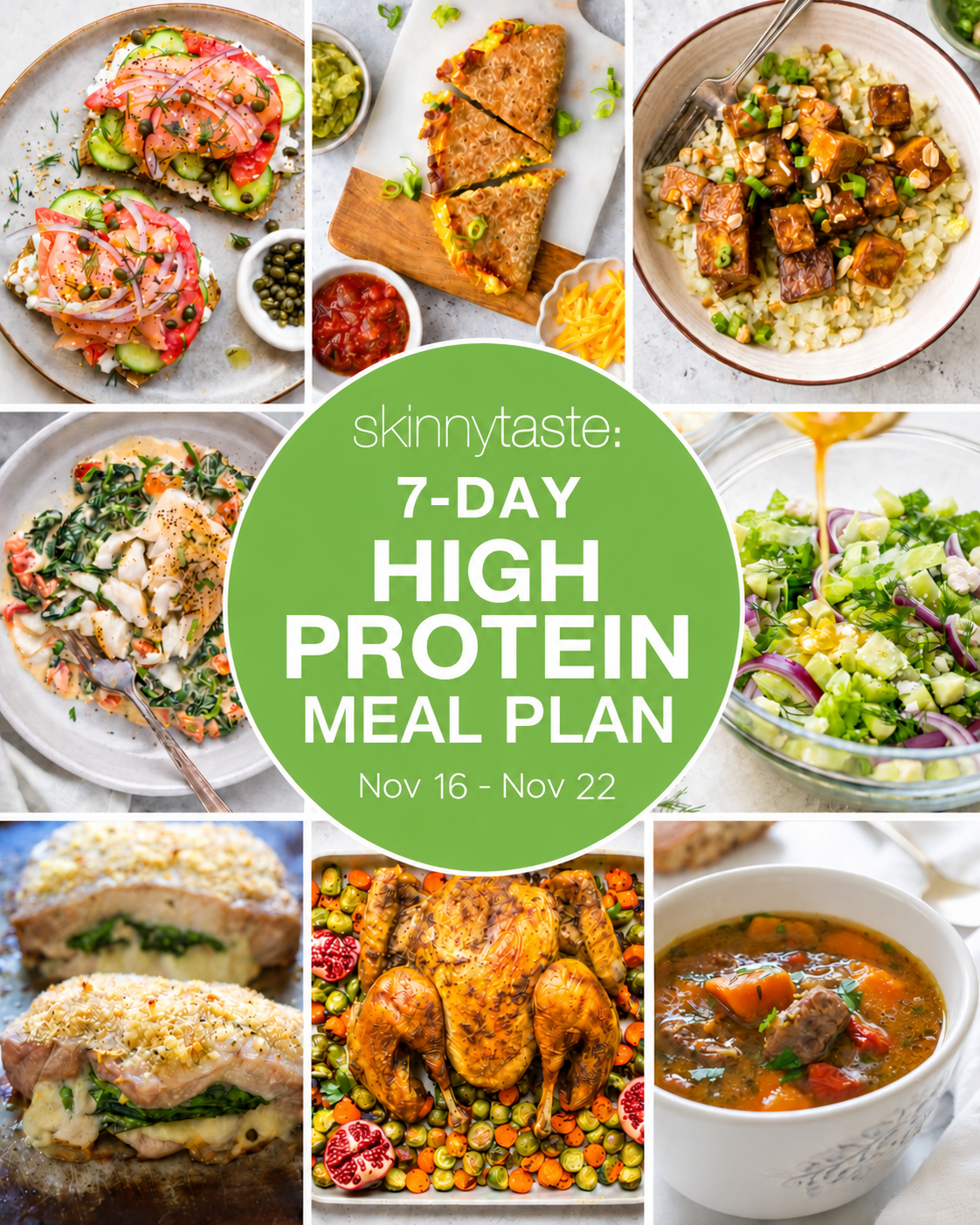
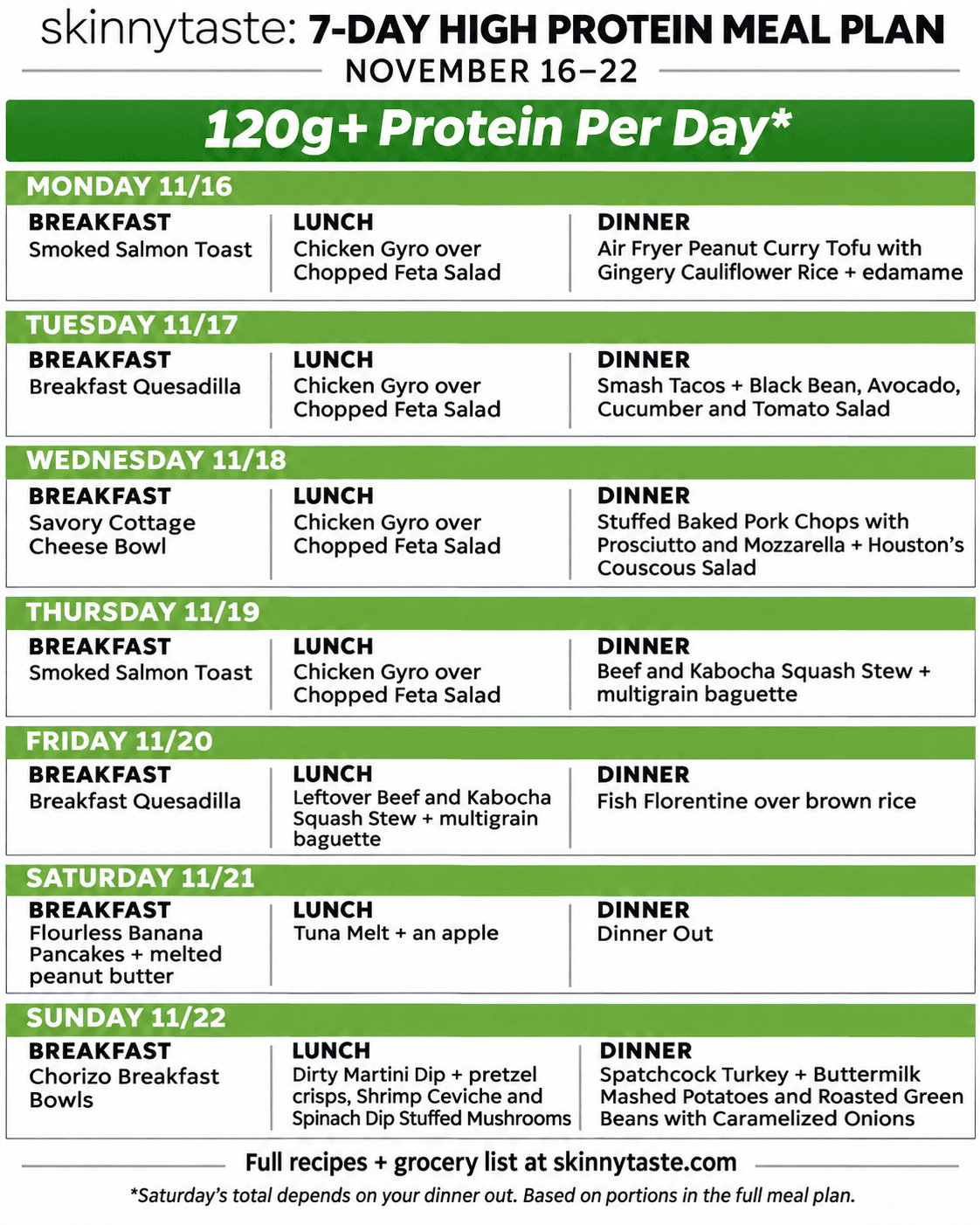
The newly outlined weekly schedule demonstrates how variety and high protein content can coexist without requiring exhaustive meal preparation. Monday sets the tone with Smoked Salmon Toast for breakfast, a Chicken Gyro over a Chopped Feta Salad for lunch, and Air Fryer Peanut Curry Tofu with Gingery Cauliflower Rice paired with edamame for dinner, totaling approximately 1,378 calories and 124.5 grams of protein.
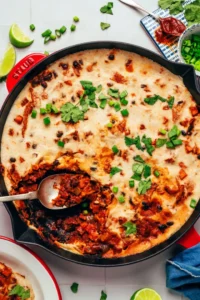
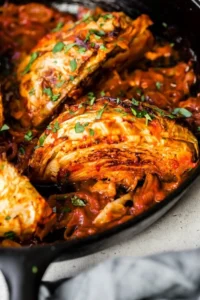
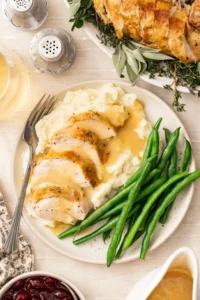
As the week progresses, the menu introduces creative interpretations of comfort foods. Tuesday features a Breakfast Quesadilla followed by Smash Tacos paired with a Black Bean, Avocado, Cucumber, and Tomato Salad, yielding 127.5 grams of protein. Wednesday highlights Stuffed Baked Pork Chops with Prosciutto and Mozzarella alongside Houston’s Couscous Salad. Thursday shifts toward a Slow Cooker Beef and Kabocha Squash Stew, which doubles as Friday’s lunch, rounded out by a Fish Florentine dinner over brown rice. The weekend introduces family-friendly weekend options, including Flourless Banana Pancakes on Saturday and a festive Sunday menu centered around a Spatchcock Turkey, Buttermilk Mashed Potatoes, and Roasted Green Beans with Caramelized Onions, preceded by lighter celebratory bites like Shrimp Ceviche and Spinach Dip Stuffed Mushrooms.
Beyond the weekly calendar, the release addresses the seasonal challenge of navigating social eating events, specifically Friendsgiving celebrations. Friendsgiving has evolved into a major cultural fixture, allowing friend groups to celebrate community through food. However, holiday feasts traditionally present obstacles for those tracking macros or managing caloric intake. To bridge this gap, the guide recommends transportable, protein-forward appetizers such as Deviled Eggs and Lighter Buffalo Wings. For main courses, crowd-pleasing dishes like Thanksgiving Turkey Meatballs and Gravy or White Bean Turkey Chili offer high protein content without sacrificing traditional holiday flavor profiles. The meal concludes on a lighter note with Crustless Pumpkin Pies, offering a lower-carbohydrate alternative to traditional pastry-crusted desserts.
To support long-term adherence, the ecosystem surrounding these meal plans continues to expand. Homolka has leveraged community-building tools, including an active Facebook community numbering in the thousands where participants share recipe photographs and modifications, alongside the physical "Ultimate Skinnytaste Meal Planner"—a 52-week spiral-bound resource featuring tear-out grocery lists, goal-setting spaces, and curated weekly grids.
The broader implications of structured meal planning tools reflect a growing consumer demand for digital and physical resources that alleviate decision fatigue in daily nutrition. As nutritional literacy improves, platforms that merge culinary appeal with transparent nutritional data—such as exact macronutrient counts and adaptable shopping lists—are becoming essential toolkits for sustainable lifestyle management. Whether users are striving to hit specific fitness milestones, manage weight, or simply navigate the holiday season with greater nutritional awareness, structured weekly plans provide a practical roadmap for balancing health aspirations with culinary enjoyment.