The True Cost of Optimal Health: An Investigative Analysis of Longevity Protocols and Lifestyle Trade-offs

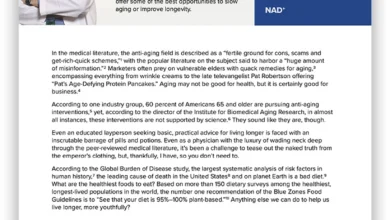
The pursuit of human longevity has evolved from a niche interest in gerontology into a multi-billion-dollar global industry, fueled by advancements in biotechnology, a surge in biohacking, and a digital culture obsessed with performance optimization. While the desire to extend both lifespan and healthspan is universal, the methods currently marketed to the public—ranging from restrictive fasting protocols and heavy supplement regimens to expensive diagnostic imaging—often lack the rigorous clinical validation that consumers assume they possess. As influencers and wellness platforms promise everything from the reversal of chronic disease to near-immortal vitality, it becomes necessary to conduct a forensic examination of the actual time, financial, and psychological costs associated with these interventions.
The Rise of the Optimization Movement
Over the last decade, the landscape of personal health has undergone a seismic shift. Historically, the medical community emphasized preventative care through standard dietary guidelines, moderate physical activity, and routine screenings. However, the modern "health optimization" movement has pivoted toward a more aggressive, granular approach. This shift is largely attributed to the democratization of health data, where wearable technology allows individuals to monitor biomarkers—such as heart rate variability, blood glucose levels, and sleep architecture—in real-time.
This data-driven approach has birthed a new class of health enthusiasts who treat their bodies like high-performance machines. The timeline of this movement can be traced back to the early 2010s, with the emergence of quantified-self communities and the mainstreaming of intermittent fasting and ketogenic diets. By 2020, the onset of the global pandemic catalyzed a secondary surge in interest, as individuals became hyper-aware of their immune status and chronic disease risk. Today, the sector is characterized by high-intensity "protocols" that require significant lifestyle modifications.
The Economics of Longevity
The financial burden of optimized living is often understated. While basic health pillars—adequate sleep, balanced nutrition, and consistent movement—are low-cost, the "advanced" protocols marketed by wellness leaders often require substantial investment. A typical entry-level regimen might include a suite of nutritional supplements costing several hundred dollars monthly, followed by expensive specialized blood panels, continuous glucose monitors (CGMs), and memberships to longevity-focused clinics.
Data from the wellness industry indicates that for the average consumer, the financial barrier to entry for a "fully optimized" protocol can exceed $10,000 to $20,000 annually. This includes not only the cost of supplements and testing but also the opportunity cost of the time required to manage these protocols. When an individual spends three hours a day prepping specific nutrient-dense meals, undergoing cold plunges, and tracking data points, they are engaging in a labor-intensive practice that is often unsustainable for the average working adult.
Clinical Efficacy and the Evidence Gap
One of the most pressing questions in the health community is whether these extreme protocols offer a commensurate return on investment. According to longitudinal health studies, the "law of diminishing returns" is highly prevalent in wellness interventions. The most significant gains in longevity and healthspan are consistently found in the foundational habits: smoking cessation, regular aerobic exercise, maintaining a healthy body composition, and high-quality sleep.
Research published in journals such as The Lancet and the Journal of the American Medical Association (JAMA) confirms that while advanced interventions—such as rapamycin or metformin—are currently being studied for potential anti-aging benefits, their efficacy in the general, non-clinical population remains unproven. The hype surrounding these interventions often outpaces the clinical evidence. Experts in geriatrics argue that focusing on "advanced" protocols while neglecting the bedrock of health is a fundamental misallocation of resources. By prioritizing minute hormonal fluctuations over consistent, sustainable physical activity, individuals may be missing the forest for the trees.

The Psychological and Social Implications
Beyond the financial and physical aspects, the social cost of extreme health optimization is a growing concern for psychologists. The phenomenon of "orthorexia," a condition characterized by an unhealthy obsession with healthy eating and health protocols, is frequently cited as a negative side effect of the optimization movement. When health becomes an identity and a constant source of performance anxiety, the resulting stress can paradoxically counteract the physiological benefits of the intervention.
Furthermore, the social isolation required to maintain a strictly regimented lifestyle can erode the very social connections that are proven to be the strongest predictors of long-term health. The "Blue Zones"—regions of the world where individuals consistently live to over 100 years—demonstrate that social integration, community, and a sense of purpose are just as vital as diet. The modern optimization movement, which often favors individualistic, data-heavy habits, risks neglecting these essential human elements.
Analyzing the "Optimal" Strategy
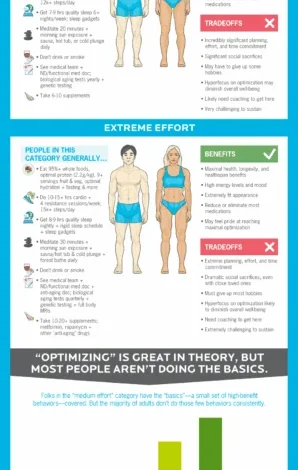
To provide clarity for those navigating this complex landscape, organizations like Precision Nutrition have recently released comprehensive assessments designed to help individuals evaluate their current health efforts against scientifically backed longevity markers. The goal is to move away from the "all-or-nothing" mentality toward a framework of sustainable, evidence-based practices.
When evaluating a new health trend, individuals are encouraged to ask three critical questions:
- Is this intervention backed by robust, peer-reviewed human studies, or is it based on animal models or theoretical speculation?
- Does this protocol enhance or diminish my ability to maintain social and professional relationships?
- Can I realistically maintain this practice for the next 20 years without significant burnout?
If an intervention fails these criteria, it is likely not a sustainable path to longevity. The "true cost" of health is not just measured in currency, but in the time, mental bandwidth, and social well-being that define the quality of one’s life.
The Role of Coaching in Health Sustainability
As the demand for health guidance increases, the role of the certified nutrition coach has become increasingly professionalized. The transition from fad-based advice to evidence-based coaching is a critical step in addressing the public’s confusion. Professionals in the field are now being trained to prioritize habit-based changes over restrictive protocols.
For those interested in the science of behavior change and nutritional health, formal certification programs, such as the PN Level 1 Nutrition Coaching Certification, provide a structured approach to helping clients build sustainable, long-term habits. These programs emphasize that the most effective health strategies are those that can be integrated into the rhythms of daily life, rather than those that act as temporary, high-friction disruptions.
Conclusion: A Pragmatic Path Forward
The quest for longevity is a noble and scientifically promising endeavor, but it is currently clouded by a market that profits from complexity. The evidence is clear: the most significant impact on healthspan is achieved through the mastery of the basics. Consistent physical activity, a diet rich in whole foods, adequate rest, and strong social bonds form the core of a long and healthy life. While the allure of "biohacking" and cutting-edge interventions is understandable, the most successful strategy remains the one that is both scientifically sound and sustainable in the long term. By focusing on these core pillars, individuals can secure the benefits of longevity without the exorbitant costs—both financial and emotional—of pursuing the "optimal" lifestyle.
Related posts: