Lior Cinnamon Ground Seasoning Recalled Across Six States Due to Elevated Lead Levels

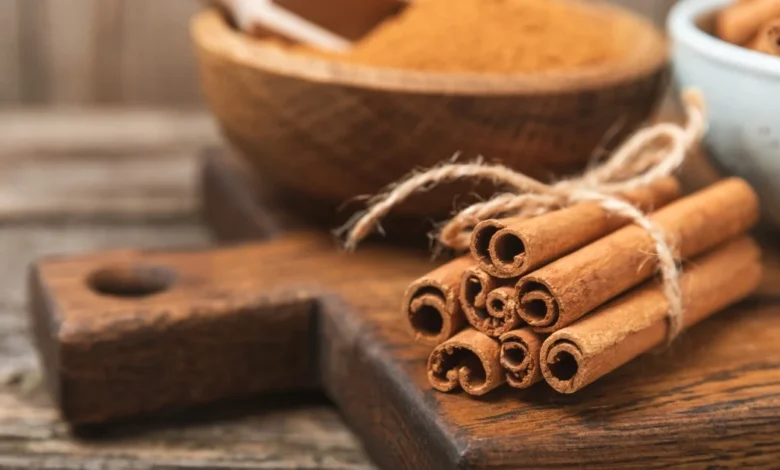
A significant food safety alert has been issued for a common household pantry staple, as Galil Importing Corp. has announced a voluntary recall of its Lior Cinnamon Ground Seasoning. The recall, initiated on September 24, 2026, follows laboratory testing by the Maryland Department of Health that identified elevated levels of lead in a sample of the product. While no illnesses have been officially linked to the product at this time, the presence of lead in a widely used spice has prompted urgent warnings from health officials regarding the risks of long-term exposure, particularly for vulnerable populations such as young children.
The affected inventory consists of 90-gram transparent plastic containers of Lior Cinnamon Ground Seasoning. The specific identification markers for the recalled product are UPC 794711005484 and lot code GAP11304, which is located on the side of the container directly beneath the ingredient list. The product was distributed to retail outlets, including supermarkets, grocery stores, and independent delis, across six states: New York, New Jersey, Pennsylvania, Texas, Florida, and Illinois. The distribution window for these potentially contaminated containers spanned from November 18, 2025, to September 7, 2026.
A Chronology of Increasing Regulatory Scrutiny
The recall of Lior cinnamon is not an isolated event but rather the latest development in a multi-year effort by federal and state agencies to mitigate lead contamination in the global cinnamon supply chain. This regulatory focus gained significant momentum following the high-profile WanaBana applesauce recall in October 2023. In that incident, investigators discovered that cinnamon used as an ingredient in fruit puree pouches contained lead levels that were, in some instances, more than 2,000 times higher than the thresholds proposed by safety advocates and regulatory bodies.
Following the WanaBana incident, the U.S. Food and Drug Administration (FDA) launched an intensified surveillance program. On March 6, 2024, the agency issued a sweeping public health alert, warning consumers against the consumption of several ground cinnamon brands found to have high levels of lead. Those products were primarily sold at discount retailers. Since that alert, state-level testing programs—particularly those in Maryland, New York, and Missouri—have played a critical role in identifying batches that slipped through initial inspection nets, leading to the current action against Galil Importing Corp.
The Biological Impact of Lead Exposure
Lead is a potent neurotoxin that accumulates in the body over time. Because it is odorless, tasteless, and colorless, it is impossible for a consumer to detect contamination through sensory inspection. The health risks associated with lead are cumulative; while a single ingestion event may not produce immediate clinical symptoms, repeated consumption—even in small quantities—can lead to chronic toxicity.
For adults, symptoms of lead poisoning are often non-specific and can include abdominal pain, constipation, fatigue, and irritability. However, the most severe consequences are reserved for children under the age of six. During these critical years of development, the human nervous system is highly susceptible to the interference of heavy metals. Lead exposure in children is linked to developmental delays, permanent damage to the central nervous system, learning disabilities, behavioral changes, and reduced IQ scores. The FDA and the Centers for Disease Control and Prevention (CDC) emphasize that there is no safe blood lead level for children, as even low-level exposure can have lasting cognitive impacts.
Mechanisms of Contamination
Understanding how lead enters a product as simple as ground cinnamon requires looking at the agricultural and manufacturing supply chain. Cinnamon is derived from the inner bark of trees belonging to the Cinnamomum genus. Lead can enter the product through two primary channels: environmental contamination and intentional adulteration.
Environmental contamination occurs when cinnamon trees are grown in soil or irrigation water that has been compromised by industrial waste, mining runoff, or historical use of lead-based pesticides. The bark of the tree can absorb these heavy metals as it grows. Conversely, intentional adulteration—though less common—is a practice where manufacturers or intermediaries add lead-based compounds to the spice during the grinding or processing phase. This may be done to artificially enhance the color of the product, making it appear fresher, or to increase the product’s weight for economic gain. As of this writing, the specific cause of the contamination in the Lior product remains under investigation, as the FDA continues to work with the manufacturer to trace the supply chain.
Guidance for Consumers and Retailers
The FDA’s directive for consumers is straightforward: check your pantry immediately if you reside in the affected states and have purchased ground cinnamon within the last ten months. If the UPC and lot code on the container match the recalled product, the spice should not be consumed. Consumers are advised to discard the product or return it to the place of purchase for a full refund.
For those who believe they or their children may have been exposed to the product over an extended period, the most effective course of action is to contact a primary healthcare provider. Blood lead level testing is the only definitive way to assess exposure. Because symptoms are rarely immediate, medical professionals often advise testing for individuals who have had consistent, long-term exposure to a known contaminated source.
Galil Importing Corp. has established a support line to address consumer concerns. Customers with questions regarding the recall or the return process can contact the company directly at 1-516-496-7400 between 9 a.m. and 5 p.m. Eastern Time, Monday through Friday.
Broader Implications for Food Safety
The Lior recall highlights a systemic challenge in global food supply chains: the difficulty of maintaining strict quality control over spices imported from various international origins. Unlike processed foods with complex ingredient lists, spices are often viewed as "safe" by the average consumer. However, the recent series of recalls has fundamentally changed that perception.
Experts in food science suggest that this trend of discovery will likely lead to stricter import regulations and more rigorous testing mandates at the border. The reliance on state-level testing—which successfully identified the Lior contamination—also signals a shift toward more decentralized food safety monitoring. By empowering state labs to conduct proactive, random sampling, regulators are able to catch contaminated goods that might otherwise reach consumer kitchens.
For the spice industry, the economic and reputational costs of these recalls are substantial. Retailers are now under increasing pressure to audit their suppliers and demand certificates of analysis (COAs) for heavy metal testing on all spice shipments. As the FDA continues to refine its "Closer to Zero" initiative—a long-term project aimed at reducing exposure to lead, arsenic, and other heavy metals in foods consumed by infants and young children—consumers can expect to see more of these voluntary recalls as testing technology improves and regulatory thresholds become more stringent.
In conclusion, while the recall of Lior Cinnamon is a localized event for those in the six affected states, it serves as a broader reminder of the necessity of vigilance in food safety. Consumers should remain informed about ongoing recall alerts and prioritize the safety of their households by regularly checking the FDA’s official recall database. While the current incident has resulted in no reported illnesses, the proactive removal of the product from the market is a vital step in preventing potential long-term health consequences for the public.
Disclaimer: The information provided in this article is for educational purposes only and does not constitute professional medical advice, diagnosis, or treatment. Always seek the advice of a physician or other qualified health provider with any questions regarding medical conditions or potential exposure to contaminants. The author is not a medical professional, and this report is based on current, publicly available data from the FDA and public health announcements.