High-Dose Flu Vaccines Linked to a Significantly Lower Risk of Alzheimer’s Disease in Older Adults

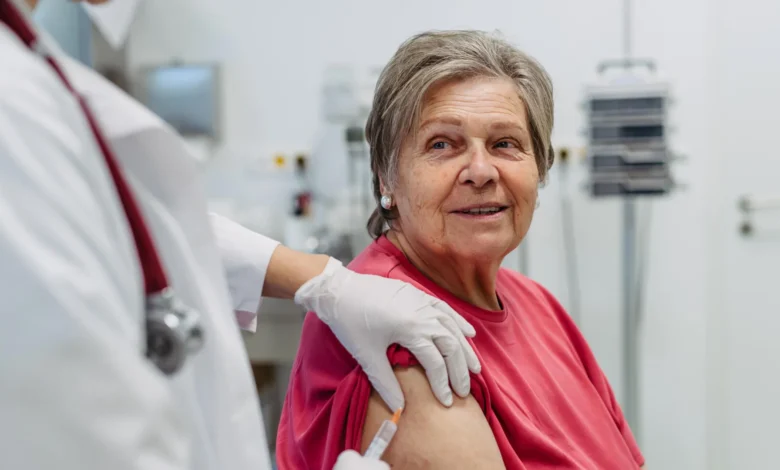
Recent scientific inquiries into the broader impacts of common inoculations have yielded promising insights regarding geriatric cognitive health. A comprehensive study led by researchers at UTHealth Houston has revealed that older adults who receive high-dose influenza vaccines may experience an unexpected, secondary benefit: a substantially reduced risk of developing Alzheimer’s disease. Published in the medical journal Neurology, the findings suggest that the specific potency of an annual flu shot could carry profound implications for neurological preservation, stretching far beyond the traditional goal of preventing seasonal respiratory illness.
The investigation analyzed health records from nearly 200,000 individuals aged 65 and older, comparing the neurological outcomes of those who received high-dose formulations versus standard-dose vaccines. While standard-dose influenza vaccinations were previously associated with an estimated 40% reduction in Alzheimer’s risk, the new data demonstrates that the high-dose alternative is linked to a risk reduction of nearly 55%. This pronounced difference introduces critical new dimensions to how the medical community views immunization, immune system stimulation, and the multifactorial pathways of neurodegenerative diseases.
Background Context and the Rising Toll of Alzheimer’s Disease
Alzheimer’s disease remains the leading cause of dementia globally and represents a mounting public health crisis. In the United States alone, epidemiological projections indicate that more than 7 million Americans aged 65 and older are living with the condition, accounting for approximately one in every nine individuals within that demographic. As global populations continue to age, this staggering figure is projected to more than double by the year 2050, placing immense emotional, physical, and financial strains on families, healthcare systems, and long-term care facilities.
In response to this impending surge, researchers have intensified efforts to identify preventative strategies that can delay, mitigate, or entirely avert the onset of cognitive decline. Because developing entirely new neuroprotective therapeutics is a notoriously lengthy, expensive, and uncertain endeavor, scientists have increasingly turned their attention toward repositioning existing, FDA-approved medications and vaccines. Vaccines, in particular, are attractive candidates for drug repurposing because their safety profiles are well-established, their side effects are generally mild and predictable, and they are already integrated into routine public health administration.
Chronology of the Discovery: From a Casual Conversation to Clinical Data
The pathway to this landmark discovery was unconventional, arising not from a premeditated laboratory trial, but from an impromptu dialogue between academic researchers and municipal public health officials. The trajectory of this research can be mapped across several key milestones:
- 2022: A research team led by Dr. Paul Schulz, professor of neurology at McGovern Medical School at UTHealth Houston and director of the Neurocognitive Disorders Center at UTHealth Houston Neurosciences, published a foundational study in the Journal of Alzheimer’s Disease. This initial research established a correlation between receiving standard inactivated influenza vaccines and a roughly 40% lower risk of Alzheimer’s disease among seniors.
- Three Years Later (2025): Following the publication of the 2022 findings, local public health authorities in Texas, having reviewed the UTHealth Houston data, invited Dr. Schulz for a briefing to discuss the implications of his work. During this collaborative exchange, public health officials raised a pivotal, clinically nuanced question: Did patients who received different dosages of the flu vaccine experience differing levels of protection against Alzheimer’s?
- The Clinical Inquiry: Initially, Dr. Schulz—despite his extensive background in neurology—was unaware that high-dose formulations were routinely categorized separately in large-scale patient datasets regarding cognitive outcomes. Prompted by the public health department’s query, his research team initiated a rigorous retrospective cohort analysis to separate high-dose recipients from standard-dose recipients.
- Publication in Neurology: The resulting data analysis, drawing from a vast pool of nearly 200,000 patients, culminated in the newly published findings in the journal Neurology. The study identified that the heightened potency of the high-dose vaccine correlated with a significantly enhanced protective effect against cognitive decline.
Understanding the Science: Why Higher Doses Matter for Aging Immune Systems
To fully grasp why a high-dose flu vaccine might offer superior neurological protection, one must examine the physiological realities of aging. As human beings grow older, the immune system undergoes a natural, progressive decline known as immunosenescence. This age-related deterioration diminishes the body’s ability to recognize novel pathogens, mount robust antibody responses, and clear cellular debris efficiently. Consequently, influenza infections pose severe, sometimes fatal risks to older adults, making them prime targets for pneumonia, hospitalization, and systemic inflammation.
To counteract immunosenescence, the Centers for Disease Control and Prevention (CDC) recommends high-dose influenza vaccines as a preferred option for adults aged 65 and older. These specialized formulations contain four times the amount of hemagglutinin antigen—the active component that triggers an immune response—found in standard-dose shots. By delivering a quadruple dose of antigen, the vaccine successfully provokes a much more vigorous immune reaction in older immune systems, ensuring better protection against seasonal influenza strains.
Before 2022, federal guidelines did not explicitly state a preference for high-dose over standard-dose formulations for seniors, focusing instead on the primary mandate of simply receiving any annual flu shot. However, the logistical reality that high-dose vaccine supplies occasionally face shortages—forcing some older adults to receive standard doses instead—provided researchers with a natural clinical trial environment. This variation in patient dosing allowed the UTHealth Houston team to conduct comparative analyses on an unprecedented scale.
Detailed Data and Demographic Variations
The retrospective study analyzed electronic health records of nearly 200,000 older adults, rigorously controlling for confounding variables such as general health status, socioeconomic factors, and pre-existing medical conditions. The statistical outcomes provided clear, quantifiable trends regarding vaccine dosage and neurological health:
- Standard-Dose Impact: Patients who consistently received standard-dose influenza vaccines demonstrated a roughly 40% reduction in their cumulative risk of developing Alzheimer’s disease compared to unvaccinated peers.
- High-Dose Impact: Patients who received the high-dose influenza formulation exhibited a risk reduction approaching 55%, marking a substantial statistical improvement over the standard dosage.
- Gender-Based Disparities: Further stratification of the data revealed that the association between high-dose vaccination and reduced Alzheimer’s risk was particularly pronounced among women, who experienced a notably steeper decline in neurodegenerative vulnerability compared to men receiving the same dosage.
Despite these compelling statistics, the research team emphasizes a crucial scientific caveat: the study demonstrates a strong statistical correlation (association) rather than a definitive causal mechanism. While the data strongly points toward a protective effect, further prospective randomized controlled trials are required to prove definitively that high-dose flu shots directly prevent Alzheimer’s disease.
Hypotheses on Biological Mechanisms
While the exact physiological pathways connecting flu vaccination to brain preservation remain under active investigation, immunologists and neurologists have proposed several plausible biological explanations.
The primary theory centers on the mitigation of systemic inflammation. Chronic, low-grade inflammation is a well-documented driver of neurodegeneration, accelerating the accumulation of amyloid-beta plaques and tau tangles—the hallmark neuropathological features of Alzheimer’s disease. Severe infections like the flu can trigger massive inflammatory cascades that damage cerebral microvasculature and exacerbate neuroinflammation. By preventing influenza infection or drastically lessening its severity, vaccines may shield the brain from inflammatory insults.
Furthermore, robust immune stimulation via vaccination may non-specifically prime microglia—the brain’s resident immune cells—to more efficiently clear neurotoxic waste proteins. Some researchers also theorize that the robust antibody production stimulated by vaccines may cross the blood-brain barrier in trace amounts or modulate systemic immune cells that communicate directly with the central nervous system, thereby dampening autoimmune or neurodegenerative processes.
Broader Implications for Public Health and Future Research
The implications of the UTHealth Houston study extend far beyond seasonal public health campaigns. If subsequent prospective studies confirm that high-dose influenza vaccines actively lower the incidence of Alzheimer’s disease, global vaccination strategies for older adults could undergo a paradigm shift.
Public health messaging could be reframed to position annual immunizations not merely as a defense against respiratory pathogens, but as a multi-modal preventive tool for long-term cognitive health. Furthermore, because high-dose vaccines are already manufactured, approved, and widely distributed, translating these findings into clinical practice would not face the prohibitive manufacturing hurdles associated with developing brand-new pharmaceutical compounds from scratch.
Co-author Dr. Avram Samuel Bukhbinder, a graduate of McGovern Medical School and currently a clinical fellow in neurology at Massachusetts General Hospital and Harvard University, noted that the intersection of immunology and neurology represents one of the most promising frontiers in modern medicine. The collaborative nature of the research—spanning clinical neurology, biostatistics, and public health administration—underscores the multifaceted approach required to tackle complex neurodegenerative disorders.
The research team at UTHealth Houston included a multidisciplinary group of contributors from McGovern Medical School and the McWilliams School of Biomedical Informatics. Key academic personnel involved in the study include Elizabeth He, Kristofer Harris, Mya Rodriguez, Dr. Kamal Phelps, Jenna Thomas, Dr. Gabriela Cruz, and Lauren Jhin. Contributions from the biomedical informatics division were led by Dr. Xiaoqian Jiang, Dr. Yejin Kim, Luyao Chen, and Dr. Yaobin Ling. Dr. Schulz holds dual faculty appointments at McGovern Medical School and The University of Texas MD Anderson Cancer Center UTHealth Houston Graduate School of Biomedical Sciences.
As the scientific community awaits the launch of prospective clinical trials to test causality, the current findings offer an immediate, actionable takeaway for older adults: ensuring adherence to annual vaccination guidelines, particularly utilizing formulations tailored to aging immune systems, may yield profound dividends for both immediate respiratory health and long-term neurological vitality.