Cranberries and Pumpkin Seeds Emerge as Promising Natural Interventions for Benign Prostatic Hypertrophy Management

Benign Prostatic Hypertrophy (BPH), commonly known as an enlarged prostate, is a pervasive condition affecting a significant portion of the male population globally, with its prevalence escalating dramatically with age. Statistics reveal that over 50% of men in their 50s and at least 70% of men over the age of 60 grapple with BPH, a non-cancerous enlargement of the prostate gland that can lead to a cascade of disruptive lower urinary tract symptoms (LUTS). These symptoms frequently include increased urinary frequency, urgency, weak stream, incomplete bladder emptying, and the particularly bothersome nocturia, which necessitates frequent awakenings during the night to urinate. While a range of conventional medical treatments, including alpha-blockers and 5-alpha-reductase inhibitors, are clinically effective in mitigating BPH symptoms, their long-term efficacy is often compromised by undesirable side effects and suboptimal patient compliance. These side effects can manifest as sexual dysfunction, dizziness, fatigue, and even, in some cases, an increased risk of high-grade prostate cancer or depression, underscoring the pressing need for alternative, well-tolerated, and effective therapeutic strategies. When medication proves insufficient, surgical interventions such as transurethral resection of the prostate (TURP) become necessary, carrying their own set of risks and recovery challenges. This landscape has spurred considerable research into dietary and natural interventions, seeking a "better way" to manage this prevalent condition.
The Quest for Dietary Solutions: Beyond Conventional Medicine
The medical community’s growing awareness of the limitations of pharmacological approaches has catalyzed an exploration into the potential of dietary and lifestyle modifications for BPH management. Early indications from large-scale population studies have suggested a correlation between dietary patterns and BPH risk. Specifically, a lower intake of animal protein, particularly from sources like eggs and poultry, and a higher consumption of fruits and vegetables, have been associated with a reduced incidence of BPH. Interestingly, these studies found no significant association between red meat or dairy intake and BPH risk, suggesting a nuanced relationship between specific dietary components and prostate health. Refined grains have also been implicated as a potential risk factor, further emphasizing the role of a whole-foods-centric diet. This epidemiological evidence laid the groundwork for targeted investigations into specific foods and their bioactive compounds.
One of the most widely investigated natural remedies for BPH has been the herb saw palmetto. Over thirty randomized controlled trials have rigorously tested its efficacy, yet the overwhelming consensus from these studies has been disappointing: saw palmetto has consistently been found to be largely ineffective, offering no significant benefit over placebo for BPH symptoms. This highlights the critical importance of subjecting traditional remedies to stringent scientific scrutiny to differentiate genuine therapeutic potential from anecdotal claims. The search for effective natural alternatives, therefore, continued, focusing on compounds with demonstrable biological activity and clinical promise.
Cranberries: A Traditional Remedy Under Modern Scrutiny
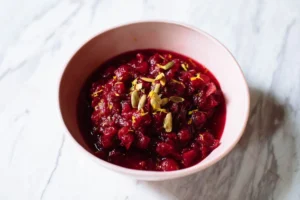
The cranberry, a fruit long revered by Native Americans for its medicinal properties, particularly in treating urinary ailments, has garnered significant attention in the context of BPH. Its historical use provided a compelling rationale for modern scientific investigation. The key question, however, remained: could this traditional wisdom withstand the rigor of contemporary clinical trials?

Chronology of Cranberry Research for BPH:
- Traditional Use: For centuries, various indigenous cultures, including Native Americans, utilized cranberries for a spectrum of urinary tract issues, including discomfort and frequent urination. While the exact mechanisms were unknown, their observations suggested a beneficial effect on bladder and urinary health.
- Early Clinical Trials (2000s): Initial studies began to explore the effect of cranberries on BPH. A notable randomized controlled trial involved participants consuming approximately one teaspoon (around 3 grams) of powdered whole cranberries daily. It is crucial to distinguish this from processed, sugary "craisins" or diluted cranberry juices, which often contain minimal beneficial compounds and significant added sugars and oils. The results were compelling: participants reported significant improvements in BPH symptoms, overall quality of life, and various objective urination parameters, such as urinary flow rates and post-void residual volume. These findings provided the first robust scientific evidence supporting cranberries’ role in BPH management.
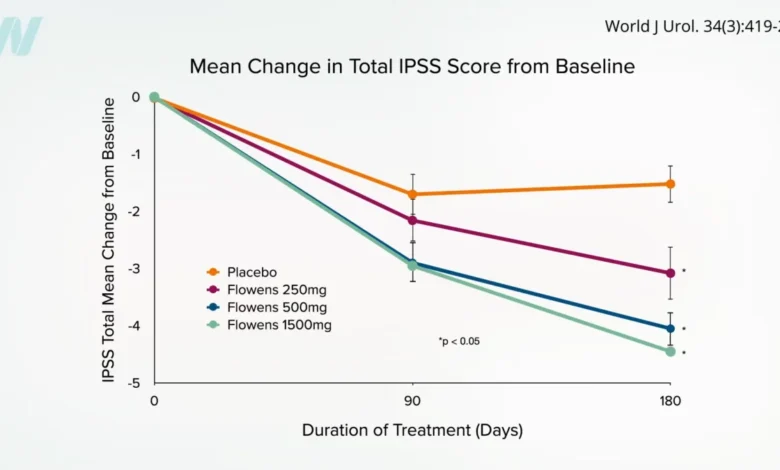
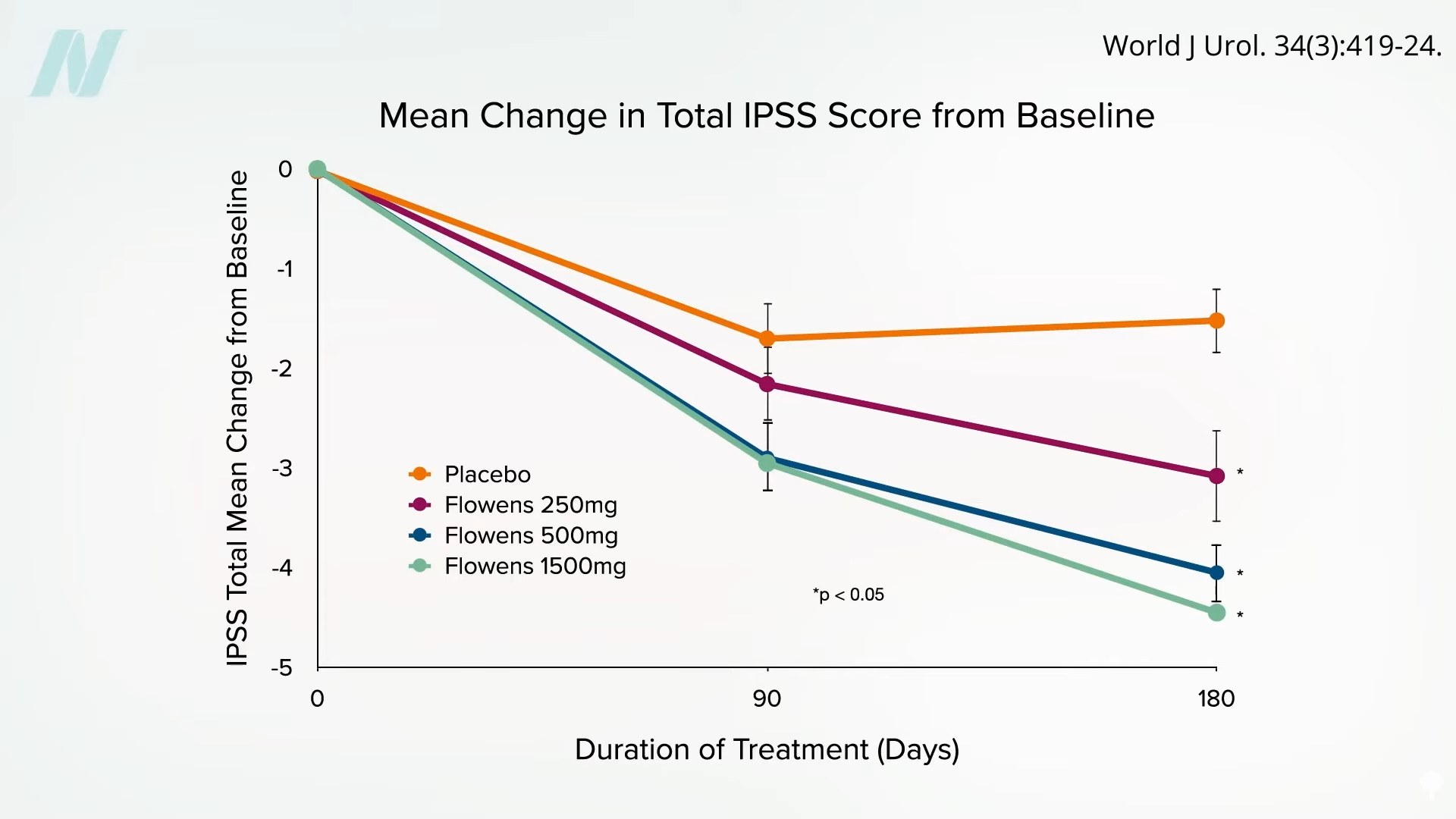
- Dose-Response Studies (Mid-2010s): Building on initial successes, subsequent research aimed to establish optimal dosages and explore the dose-response relationship. A study, albeit funded by a supplement company, investigated the effects of varying doses of cranberry powder – one-third of a teaspoon, one-sixth of a teaspoon, and a full teaspoon – on BPH symptoms. The results indicated that even lower doses of powdered cranberries offered beneficial effects, with a clear trend towards greater improvements with higher doses, although even the smallest dose showed a statistically significant improvement over baseline. This research, while utilizing a supplement, emphasized that the active ingredient was simply straight cranberry powder, suggesting that purchasing bulk cranberry powder could be a more cost-effective and accessible option for individuals.
- Mechanism of Action: While research is ongoing, the beneficial effects of cranberries are attributed primarily to their rich content of proanthocyanidins (PACs), particularly A-type PACs, which are unique to cranberries. These compounds are believed to possess anti-inflammatory and antioxidant properties, which can help reduce inflammation in the prostate gland. Additionally, cranberries may help prevent bacterial adhesion to the urinary tract walls, thereby reducing the risk of urinary tract infections (UTIs), a common complication of BPH. Other bioactive compounds in cranberries, such as flavonoids and phenolic acids, may also contribute to their overall beneficial effects on prostate health.
It is important to note that not all cranberry products are equally effective. Studies specifically examining purple grape juice, for instance, showed no discernible benefit for BPH symptoms, underscoring that the specific biochemical profile of cranberries, rather than just any fruit juice, is key. The emphasis remains on whole cranberry powder, which retains the full spectrum of beneficial compounds found in the fruit, rather than highly processed or diluted forms.
Pumpkin Seeds: A Centuries-Old Remedy Reaffirmed by Science
Another natural intervention with a long history of use in folk medicine for prostate disorders is pumpkin seeds. Their traditional application, much like cranberries, has prompted modern scientific inquiry into their potential efficacy for BPH.
Chronology of Pumpkin Seed Research for BPH:
- Traditional and Ethnobotanical Use: For centuries, various cultures across the globe have utilized pumpkin seeds as a remedy for prostate-related issues. This widespread traditional use indicated a perceived efficacy that warranted scientific exploration.
- Early In Vitro and Animal Studies (1990s-2000s): Initial laboratory studies provided promising insights into the biological activity of pumpkin seeds. In vitro experiments demonstrated that extracts from pumpkin seeds could significantly inhibit the growth of BPH prostate cells, in some cases reducing cell proliferation by as much as half. This direct cellular effect suggested a potent anti-proliferative or pro-apoptotic mechanism. Animal studies, such as those involving the injection of pumpkin seed extracts into rabbits, further supported these findings, showing a reduction in prostate size and an improvement in urinary function in animal models of BPH.
- Human Clinical Trials with Pumpkin Seed Oil (Late 2000s-Early 2010s): The promising preclinical data led to human trials focusing on pumpkin seed oil, a concentrated form of the seeds’ beneficial lipids.
- One study indicated that pumpkin seed oil appeared to significantly improve prostate issues, demonstrating its therapeutic potential.
- In head-to-head comparisons, pumpkin seed oil was pitted against conventional alpha-blocker medications like Prazosin and Terazosin. Remarkably, these trials suggested that pumpkin seed oil performed comparably to these pharmaceutical drugs in alleviating BPH symptoms. While encouraging, a notable limitation of these early comparative studies was the absence of a placebo control group, making it difficult to ascertain the true effect size relative to an inert substance.
- The Pivotal Whole Seed vs. Placebo Trial (Mid-2010s): A landmark randomized controlled trial addressed the limitations of previous studies by including a placebo group and comparing the effects of pumpkin seed extract, placebo, and whole pumpkin seeds. More than a thousand men participated in this comprehensive study.
- The trial, funded by a drug company that produced the pumpkin seed extract supplement, surprisingly found that the supplement itself flopped, performing no better than the placebo in reducing BPH symptoms.
- Crucially, however, the group consuming approximately one tablespoon (about 7.5 grams) of plain whole pumpkin seeds daily experienced significant improvements in BPH symptoms compared to the placebo group. This finding was monumental, demonstrating that the therapeutic benefit was derived from the whole seeds and not necessarily from isolated extracts or oils, or at least not from the specific extract formulation tested in this trial.
- Subsequent research has even indicated that oil-free extracts of pumpkin seeds can be effective, suggesting that multiple compounds within the seed contribute to its therapeutic action, including phytosterols (like beta-sitosterol), zinc, fatty acids, and potentially other lignans and antioxidants. These compounds are believed to exert anti-inflammatory, antioxidant, and anti-androgenic effects, influencing hormone metabolism and prostate cell growth.
Expert Consensus and Medical Recommendations
The compelling evidence from robust clinical trials has led to broader recognition of pumpkin seeds’ utility in BPH management. Researchers from the pivotal whole seed study concluded that pumpkin seeds could be confidently recommended for patients experiencing mild-to-moderate BPH symptoms. This conclusion has been echoed by authoritative medical bodies. The European Medicines Agency (EMA), the European equivalent of the U.S. Food and Drug Administration, has formally recognized pumpkin seeds for their medicinal use. Their assessment report states that pumpkin seeds can be safely and effectively used to relieve lower urinary tract symptoms associated with an enlarged prostate, provided that more serious conditions, such as prostate cancer, have been ruled out by a medical doctor. This official endorsement from a major regulatory body significantly bolsters the credibility of pumpkin seeds as a legitimate complementary therapy.
Broader Dietary Context and Implications for Patient Care
The findings regarding cranberries and pumpkin seeds fit within a broader narrative emphasizing the role of a plant-rich diet in maintaining prostate health. While the focus here is on specific interventions, the overarching message from population studies remains consistent: a diet rich in fruits, vegetables, and whole grains, and lower in certain animal proteins and refined grains, appears to be protective against BPH.
The implications of these findings for patient care are substantial:
- Accessible and Cost-Effective Alternatives: Whole cranberries (in powdered form) and pumpkin seeds are readily available, relatively inexpensive, and generally well-tolerated, offering accessible options for men seeking to manage BPH symptoms without the side effects associated with pharmaceutical drugs.
- Complementary Therapy: These natural interventions can serve as valuable complementary therapies alongside conventional medical treatments, potentially enhancing symptom relief and improving patient quality of life. For patients with mild-to-moderate symptoms, they might even be considered as a first-line dietary approach, under medical supervision.
- Improved Compliance: Given the high rates of non-compliance with BPH medications due to side effects, dietary interventions like incorporating cranberries and pumpkin seeds into daily routines may offer a more appealing and sustainable long-term strategy for many individuals.
- Holistic Health Benefits: Beyond their specific effects on the prostate, cranberries and pumpkin seeds offer a wealth of other nutritional benefits, including antioxidants, fiber, vitamins, and minerals, contributing to overall health and well-being.
- Importance of Medical Consultation: Despite the promising nature of these natural remedies, it is paramount for individuals experiencing BPH symptoms to consult with a medical doctor. A thorough diagnosis is essential to rule out more serious conditions, particularly prostate cancer, which can present with similar symptoms. Natural interventions should always be discussed with a healthcare provider to ensure they are appropriate and integrated safely into an overall treatment plan.
Future Research Directions
While significant progress has been made, further research is warranted to fully elucidate the optimal dosages, long-term efficacy, and specific mechanisms of action of cranberries and pumpkin seeds in diverse patient populations. Studies combining these interventions with other beneficial dietary components or lifestyle modifications could also yield valuable insights. The scientific validation of these traditional remedies represents a significant step forward in offering men more holistic and patient-friendly approaches to managing benign prostatic hypertrophy.
Concluding Remarks
The journey from traditional folk medicine to evidence-based clinical recommendations for cranberries and pumpkin seeds exemplifies the power of scientific inquiry to validate and refine ancient wisdom. For the millions of men affected by BPH, these natural dietary components offer a scientifically supported, accessible, and potentially side-effect-free avenue for managing their symptoms, promising a better quality of life and a healthier approach to prostate care.
Related posts: