Cambridge Research Reveals Direct Interference of Sweeteners with Gut Bacteria, Raising Health Questions

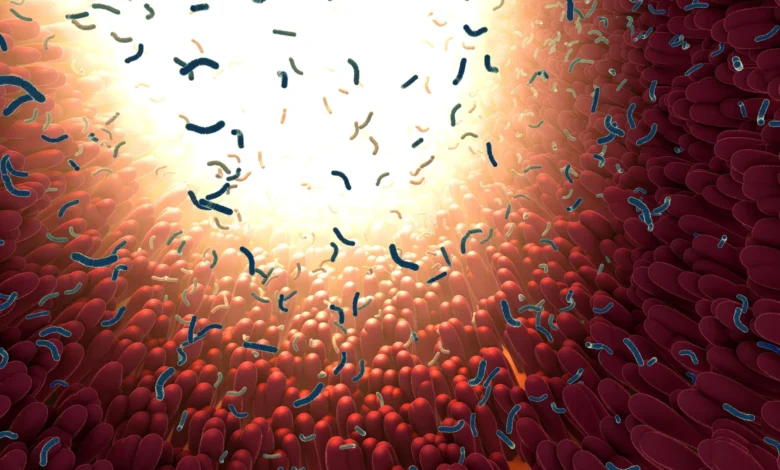
New laboratory research from the University of Cambridge has unveiled a significant finding: commonly used sweeteners can directly interfere with the growth of bacteria crucial for maintaining a healthy gut. This discovery challenges the long-held assumption that these ubiquitous food additives are biologically inert as they pass through the digestive system, suggesting they may have more profound, albeit complex, interactions within the human body than previously understood. The study’s most striking observation emerged from the combination of isosteviol, a sweetener widely employed in the food and beverage industry, and duloxetine, a commonly prescribed antidepressant. Together, these two compounds were found to sharply reduce the growth of two vital bacterial species, Roseburia intestinalis and Parabacteroides merdae, both intrinsically linked to digestive health, blood sugar regulation, and immune function. While the scientists emphasize that these experiments were conducted in a controlled laboratory environment and not directly in human subjects, the findings underscore the urgent need for further research to ascertain whether these bacterial alterations translate into meaningful health effects under real-world conditions.
The Ubiquitous Presence of Sweeteners and a Growing Health Debate
Sweeteners have become an ingrained component of the modern diet, pervading countless everyday products ranging from soft drinks, confectionery, and desserts to breakfast cereals, snacks, and even certain medications designed to mask bitterness. They are frequently marketed as a healthier alternative to sugar, offering sweetness with a reduced caloric load or lower impact on blood glucose levels, appealing to consumers conscious of weight management, diabetes, or general well-being. The journey of artificial sweeteners began in the late 19th century with the discovery of saccharin, followed by cyclamates, aspartame, sucralose, and more recently, stevia-derived compounds like isosteviol. Their widespread adoption skyrocketed in the latter half of the 20th century, fueled by growing public health concerns over rising rates of obesity and type 2 diabetes, positioning them as a promising tool in dietary management.
However, despite their pervasive use and purported benefits, a mounting body of evidence has begun to link the consumption of artificial and low-calorie sweeteners with various adverse health conditions, including an increased risk of type 2 diabetes, obesity, and even certain cancers. It is crucial to note that many of these associations stem from large-scale population studies, which, while highlighting correlations, do not definitively prove that sweeteners directly cause these diseases. The scientific community has been actively working to decipher the intricate biological processes that might explain these connections, with a significant focus increasingly turning towards the gut microbiome – the vast and complex community of bacteria, fungi, viruses, and other microorganisms residing within the human digestive system.
The Gut Microbiome: A Critical Regulator of Health
The human gut microbiome is not merely a passive inhabitant; it is a dynamic and essential organ system, playing a pivotal role in myriad physiological processes. These microbial residents are instrumental in breaking down complex carbohydrates that the human digestive system cannot process, producing vital short-chain fatty acids like butyrate, which nourish gut cells and have systemic anti-inflammatory effects. Beyond digestion, the gut microbiome educates and modulates the immune system, influences metabolism, and even communicates with the brain through the gut-brain axis, impacting mood and cognitive function. A diverse and balanced microbiome is generally considered a hallmark of good health, while alterations in the number, balance, or composition of these organisms – a state known as dysbiosis – have been implicated in a wide spectrum of health issues, both within the gastrointestinal tract and throughout the entire body.
Despite the profound implications of the gut microbiome for human health and the extensive use of sweeteners, surprisingly little direct research has focused on how individual sweeteners interact with specific gut bacteria species. Professor Kiran Patil from the Medical Research Council (MRC) Toxicology Unit at the University of Cambridge articulated this knowledge gap: "Most of what we know about the potential impact of sweeteners on our health comes from animal research or from population studies. While these studies have indicated involvement of the microbiome in mediating the effect of sweeteners, it’s difficult to know how sweeteners act in the body—is it through direct interactions with our gut bacteria?" Dr. Sonja Blasche, a lead author of the study and also from the MRC Toxicology Unit, further complicated the picture, adding, "Answering this is further complicated by the fact that we rarely ever take sweeteners by themselves—we take them with drinks, in snacks, or even in medication to mask bitterness." These statements underscore the challenge and the novelty of the Cambridge team’s approach, which sought to unravel these direct interactions in a controlled setting.
Unprecedented Insights: Testing Sweeteners Against Gut Bacteria
The groundbreaking study, published in Molecular Systems Biology, saw Dr. Blasche and her colleagues embark on a systematic investigation into how various artificial and low-calorie sweeteners influence the growth of gut bacteria. A crucial aspect of their research involved examining whether these effects changed when sweeteners were combined with other substances commonly found in foods, drinks, and medicines – a reflection of real-world consumption patterns.
The methodology was meticulous. The team began by culturing 25 distinct bacterial species separately in the laboratory, a selection carefully chosen to represent beneficial, neutral, and potentially harmful organisms commonly found in the human gut. Each of these isolated species was then exposed to a panel of 39 commercially used sweeteners, encompassing both natural and artificial varieties. The researchers painstakingly monitored the growth rate of each bacterial culture, noting any instances where its multiplication slowed or completely ceased.
The initial screening yielded compelling results: approximately three-quarters of the tested sweeteners demonstrated an ability to affect the growth of at least one bacterial species. Alarmingly, several sweeteners were found to significantly reduce or even completely halt the growth of bacteria typically associated with a healthy digestive system. These findings directly challenge the long-held assumption that sweeteners are merely inactive substances that traverse the digestive tract without engaging in biological interactions with the microbial inhabitants. This revelation sets a new precedent for understanding the potential physiological impact of these widely consumed food additives.
More Than 100 Unexpected Interactions: The Synergistic Effect
Human consumption patterns rarely involve a sweetener in isolation. Sweeteners are typically consumed as part of a complex matrix, alongside other compounds such as caffeine in beverages, flavoring agents like vanillin in desserts, or even active pharmaceutical ingredients in medications. To accurately model this complexity, the Cambridge researchers took their investigation a step further, pairing the sweeteners with a range of substances, including caffeine, vanillin (a common vanilla extract component), advantame (another artificial sweetener), and eight commonly used pharmaceutical drugs.
This phase of the study uncovered a remarkable level of interaction: the team identified more than 100 instances where a sweetener’s effect on bacterial growth significantly changed when another compound was present. In 34 of these cases, the combined effects became demonstrably stronger, indicating a synergistic or potentiating interaction. Conversely, in 68 cases, the combined effects were weaker, suggesting an antagonistic or mitigating interaction. This intricate web of interactions emphatically demonstrates that the ultimate impact of a particular sweetener on the gut microbiome is not solely determined by the sweetener itself but is critically dependent on the broader biochemical context of what else is consumed concurrently. This context-dependency adds a crucial layer of complexity to the assessment of sweetener safety and efficacy.
The Duloxetine-Isosteviol Anomaly: A Potent Combination
Among the myriad combinations tested, one interaction stood out with particular prominence due to its dramatic suppressive effect: the pairing of isosteviol and duloxetine. Isosteviol is a sweetener derived from the stevia plant, while duloxetine is a widely prescribed antidepressant used to manage major depressive disorder, generalized anxiety disorder, and certain types of chronic pain, including neuropathic pain and fibromyalgia. The clinical relevance of duloxetine is substantial, with over 4.2 million patients in the United States alone receiving prescriptions for the drug in 2023, according to recent pharmaceutical data.
When isosteviol and duloxetine were combined in the laboratory, they exhibited a potent synergistic effect, strongly suppressing the growth of two critical gut bacterial species: Roseburia intestinalis and Parabacteroides merdae. Both species are considered important members of a healthy gut microbiome. Roseburia intestinalis is a prominent producer of butyrate, a short-chain fatty acid essential for gut barrier integrity, anti-inflammatory responses, and metabolic regulation. Parabacteroides merdae, while less extensively studied than Roseburia, has also been linked to various aspects of metabolic health and immune function. The significant suppression of these beneficial bacteria raises considerable questions about the potential impact on individuals consuming both isosteviol-containing products and duloxetine.
Recognizing that the human gut is a densely populated ecosystem where microbes constantly interact, the scientists moved beyond studying single species in isolation. They constructed a simplified, yet representative, microbial community containing all 25 bacterial species used in the initial screening. This synthetic community was allowed to develop and stabilize, mimicking the initial establishment of a microbiome, before being exposed to different combinations of sweeteners and drugs. The team then meticulously tracked which species became more abundant, which declined, and critically, whether the community retained its overall diversity.
Declining Gut Microbial Diversity and Potential Systemic Effects
The results from the synthetic microbial community experiments reinforced the concerns raised by the single-species assays. Specifically, the combination of isosteviol and duloxetine was observed to significantly reduce microbial diversity within this controlled community. Greater diversity is widely regarded as a key characteristic of a resilient and healthy gut microbiome, although the optimal microbial composition can vary between individuals. Furthermore, this potent combination also profoundly altered the community’s internal balance, allowing some bacterial species to flourish unchecked while others experienced a marked decline.
Beyond mere growth inhibition, additional experiments conducted using cell models suggested that these microbial changes could have broader physiological consequences. The altered bacterial community composition appeared to increase toxicity towards certain host cells and disrupted the activity of other cells involved in crucial inflammation and immune responses. These alarming results raise the possibility that interactions between sweeteners, medications, and the gut microbiome could influence not just digestion but also wider systemic health parameters, potentially impacting inflammatory conditions, immune function, and even metabolic disorders. However, the researchers are quick to caution that even this sophisticated laboratory system cannot fully replicate the immense complexity and dynamic environment of the human body.
Dr. Blasche succinctly summarized the implications: "Sweeteners are often marketed as metabolically neutral, but our study challenges this idea. We found that they can directly affect gut bacteria, particularly when mixed with other compounds such as medication and food additives. These common combinations could have unintended effects on our gut microbiome." This statement serves as a potent reminder that our understanding of food additives and their interactions with biological systems is still evolving.
The Path Forward: The Crucial Need for Human Studies
It is imperative that these laboratory findings are interpreted with scientific rigor and caution. The researchers unequivocally emphasize that their study should not be misconstrued as definitive proof that sweeteners or the specific combinations tested directly cause harm in people. The experiments were meticulously conducted with isolated bacteria and cell models under highly controlled laboratory conditions. In the complex environment of the human digestive system, sweeteners undergo various processes: they may be absorbed into the bloodstream, chemically altered by host enzymes, diluted by digestive fluids, or broken down by other microbes before reaching specific bacterial populations. Moreover, a multitude of individual factors, including diet, genetics, existing medication use, and the unique baseline composition of a person’s microbiome, could significantly influence the outcome and the nature of these interactions.
The study serves as a critical foundational step, identifying potential mechanisms and raising important hypotheses that now demand investigation in living organisms. Future research endeavors will be paramount in determining whether similar interactions occur in humans, what specific doses of sweeteners and medications would be required to elicit these effects, and, crucially, whether any observed microbial changes in humans produce measurable and clinically significant effects on health. These investigations will likely involve controlled human intervention trials, observational cohort studies, and advanced ‘omics’ technologies to comprehensively profile the human gut microbiome and its metabolic activity.
Professor Patil, the study’s senior author, concluded by articulating the broader vision: "Our study suggests that artificial sweeteners don’t just pass through the body passively – they can interact with gut microbes, and these effects can be amplified or altered by other substances like medications. These findings can help guide new studies towards understanding how sweeteners might influence health in unexpected ways." This research, funded by the European Union’s Horizon 2020 program and the UK Medical Research Council, represents a significant contribution to the burgeoning field of microbiome science and functional food research. It calls for a paradigm shift in how we assess the safety and biological activity of dietary components, particularly in the context of their consumption alongside other commonly ingested substances. The implications for public health, regulatory bodies, and the food and pharmaceutical industries are substantial, signaling a need for more comprehensive research into the complex interplay between diet, drugs, and the human microbiome.