DIY Natural Lip Sunscreen: A Comprehensive Guide to Mineral-Based Protection and Sun Safety

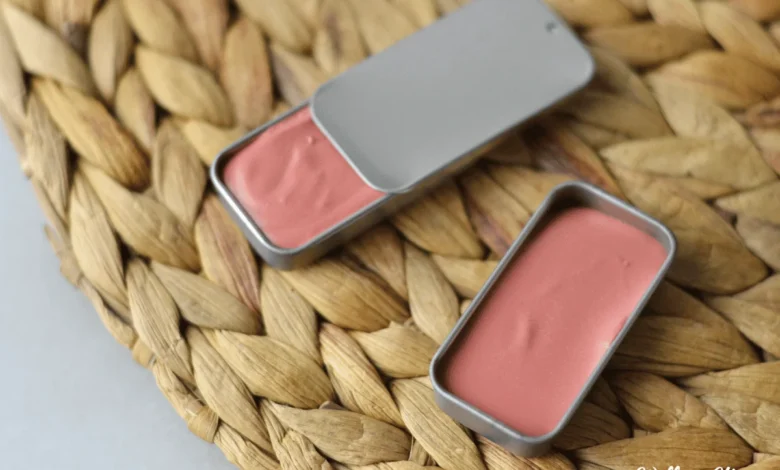
The discourse surrounding solar exposure has shifted significantly in recent years, moving from a blanket recommendation of total UV avoidance to a more nuanced understanding of the biological necessity of sunlight. While moderate, safe sun exposure is essential for the endogenous production of Vitamin D—a hormone critical for immune function, mood regulation, and endocrine health—the dangers of acute UV damage, such as sunburns and long-term dermatological degradation, remain a significant public health concern. As consumers increasingly prioritize the safety profiles of their personal care products, the development of natural, mineral-based lip protection has become a focal point for those seeking to balance health benefits with necessary environmental safeguards.
The Science of UV Exposure and Lip Sensitivity
The skin on the lips is distinct from the rest of the body; it is thinner, contains fewer melanin-producing cells, and lacks sweat and oil glands. This physiological composition makes the lips particularly susceptible to actinic damage, including solar cheilitis and the formation of squamous cell carcinomas. Despite this, the lips are frequently neglected in standard sun protection routines.
While the primary goal of dermatological health is to facilitate Vitamin D synthesis, medical consensus emphasizes that protection is paramount during periods of high-intensity exposure. Sunglasses and broad-spectrum sunscreens are often used as tools for this purpose, but they can inadvertently disrupt the body’s natural signaling mechanisms. Sunlight entering the eyes regulates the circadian rhythm via the suprachiasmatic nucleus; by blocking these receptors, one may inadvertently alter hormonal responses. Thus, the strategy of "safe sun exposure" involves deliberate, timed exposure, followed by the application of physical barriers when the threshold for healthy absorption is met.
The Environmental and Physiological Cost of Conventional Sunscreen
The global sunscreen market has historically been dominated by chemical filters such as oxybenzone, avobenzone, and octocrylene. While these compounds provide effective broad-spectrum protection by absorbing UV radiation, their safety profile has come under intense scrutiny.
In 2019, the U.S. Food and Drug Administration (FDA) issued a proposed rule regarding the safety and efficacy of sunscreen ingredients. The agency noted that many common chemical filters exhibit significant systemic absorption—meaning they enter the bloodstream—at concentrations that exceed the agency’s threshold for safety. Furthermore, environmental advocacy groups have highlighted the devastating impact of these chemicals on marine ecosystems. Oxybenzone, in particular, has been linked to the bleaching and death of coral reefs, leading states like Hawaii and jurisdictions across the Caribbean to ban the sale of sunscreens containing these substances.
This has spurred a shift toward mineral-based filters, primarily non-nano zinc oxide and titanium dioxide. These ingredients function as physical blockers, reflecting UV rays away from the skin surface rather than absorbing them. Zinc oxide, in particular, is recognized by the FDA as "Generally Recognized as Safe and Effective" (GRASE) for use in sun protection, provided it is applied in sufficient concentrations to form an adequate barrier.
Formulation Strategy: The Role of Natural Emollients
The development of a DIY lip sunscreen requires a delicate balance of sun-protective minerals and stable, nourishing emollients. The structural integrity of a lip balm depends on a combination of waxes and oils that can withstand temperature fluctuations without losing their protective efficacy.
The primary ingredient in many mineral formulations is non-nano zinc oxide. A concentration of approximately 20% is typically recommended to achieve a Sun Protection Factor (SPF) of roughly 10. While an SPF 10 may seem modest compared to the SPF 50+ products on the market, it is technically sufficient to block approximately 90% of incident UV radiation.
To ensure the product is both effective and comfortable for use, formulators incorporate a variety of plant-based lipids:
- Red Raspberry Seed Oil: Frequently cited in botanical literature for its antioxidant properties and naturally occurring UV-absorptive capacity, it serves as an excellent adjunct to mineral filters.
- Shea Butter: A high-fat content butter that provides a smooth application and acts as a structural thickening agent, ensuring the balm remains solid at room temperature.
- Beeswax: A natural occlusive agent that creates a semi-permeable film, helping the product remain on the lips during outdoor activities.
- Avocado Oil: Rich in carotenoids and essential fatty acids, avocado oil supports skin barrier repair and provides a degree of natural photo-protection, while also promoting collagen synthesis.
The Challenge of Pigmentation and Aesthetic Appeal
One of the primary drawbacks of mineral-based sunscreens is the "white cast" left by zinc oxide particles. In lip care, this aesthetic hurdle is often addressed through the use of iron oxides or mica.
Iron oxides are minerals that provide a range of earth-toned pigments. To ensure safety, contemporary formulators utilize "nature-identical" synthetic iron oxides. These are produced in controlled laboratory settings to eliminate the presence of heavy metal contaminants—such as lead, arsenic, and mercury—which are frequently found in naturally mined soil-based pigments. Alternatively, rose kaolin clay is used as a natural colorant, offering a muted pink hue without the need for synthetic dyes. Mica, a silicate mineral, is often added for its reflective properties, providing a subtle shimmer that helps mask the inherent opacity of the zinc oxide.
Precautions: The Risks of Phototoxic Essential Oils
A critical, often overlooked aspect of formulating topical products is the potential for phototoxicity. Certain essential oils, particularly those derived from citrus rinds, contain furanocoumarins—compounds that react with UV light to cause severe skin irritation, blistering, and hyperpigmentation.
Common phototoxic oils that must be avoided in any product intended for sun-exposed skin include:
- Bergamot (Cold-pressed)
- Lime (Cold-pressed)
- Lemon (Cold-pressed)
- Grapefruit
When designing a homemade lip balm, it is imperative to cross-reference the ingredient list with current phototoxicity research. Failure to do so can transform a protective product into one that actively increases the risk of solar damage.
Implementation and Best Practices
For those opting to prepare a DIY mineral lip balm, the process is straightforward but requires attention to detail. The preparation typically involves a double-boiler method to ensure the beeswax and shea butter reach a uniform, liquid state without scorching. Once melted, the zinc oxide is incorporated, followed by the oils and colorants.
A standard batch (approximately 1.7 ounces) generally requires:
- Preparation: 5 minutes for measuring ingredients.
- Active Melting: 12 minutes to achieve a homogeneous mixture.
- Cooling: 2 hours to reach final consistency.
It is important to note that homemade sunscreens lack the sophisticated emulsification and standardized laboratory testing of commercial products. Therefore, users should exercise caution, particularly in high-UV environments like beaches, alpine regions, or open water, where reflective surfaces amplify solar intensity. In such cases, relying on a combination of mechanical protection (such as wide-brimmed hats) and frequent reapplication is the most effective defense strategy.
Broader Implications for Consumer Health
The movement toward "clean beauty" and DIY personal care represents a broader trend in consumer health: a desire for transparency and the rejection of unnecessary synthetic additives. While the commercial industry continues to innovate with safer, more sustainable chemical filters, the DIY sector provides a valuable alternative for those who wish to maintain complete control over the chemical burden on their bodies.
The shift toward mineral-based barriers is not merely a cosmetic trend but a reflection of growing ecological and physiological awareness. As research continues to clarify the impact of chemical sunscreens on both human endocrine systems and marine biodiversity, the adoption of simple, earth-derived ingredients like zinc oxide and botanical oils offers a viable, responsible path forward. By understanding the underlying chemistry of these ingredients, consumers are better positioned to protect their skin while simultaneously respecting the biological systems—both personal and planetary—that rely on the sun for life.
Related posts: