Leftover Turkey Casserole with a Buttery Cracker Topping Transforms Post-Holiday Meals

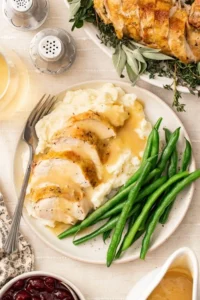
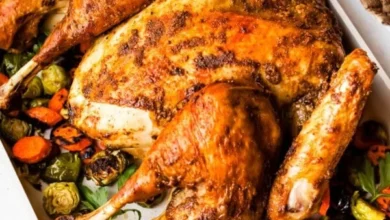
The annual aftermath of major holiday celebrations—most notably Thanksgiving and Christmas—invariably leaves households facing a distinct logistical and culinary challenge: managing mountains of leftover roasted poultry, side dishes, and vegetables. While traditional turkey sandwiches and reheated plates satisfy the palate for the first twenty-four hours, consumer fatigue sets in rapidly, leading to the risk of significant food waste. In response to this recurring domestic dilemma, home economics experts, nutritionists, and culinary recipe developers have increasingly focused on repurposing holiday surpluses into streamlined, high-protein weeknight dinners that require minimal preparation.
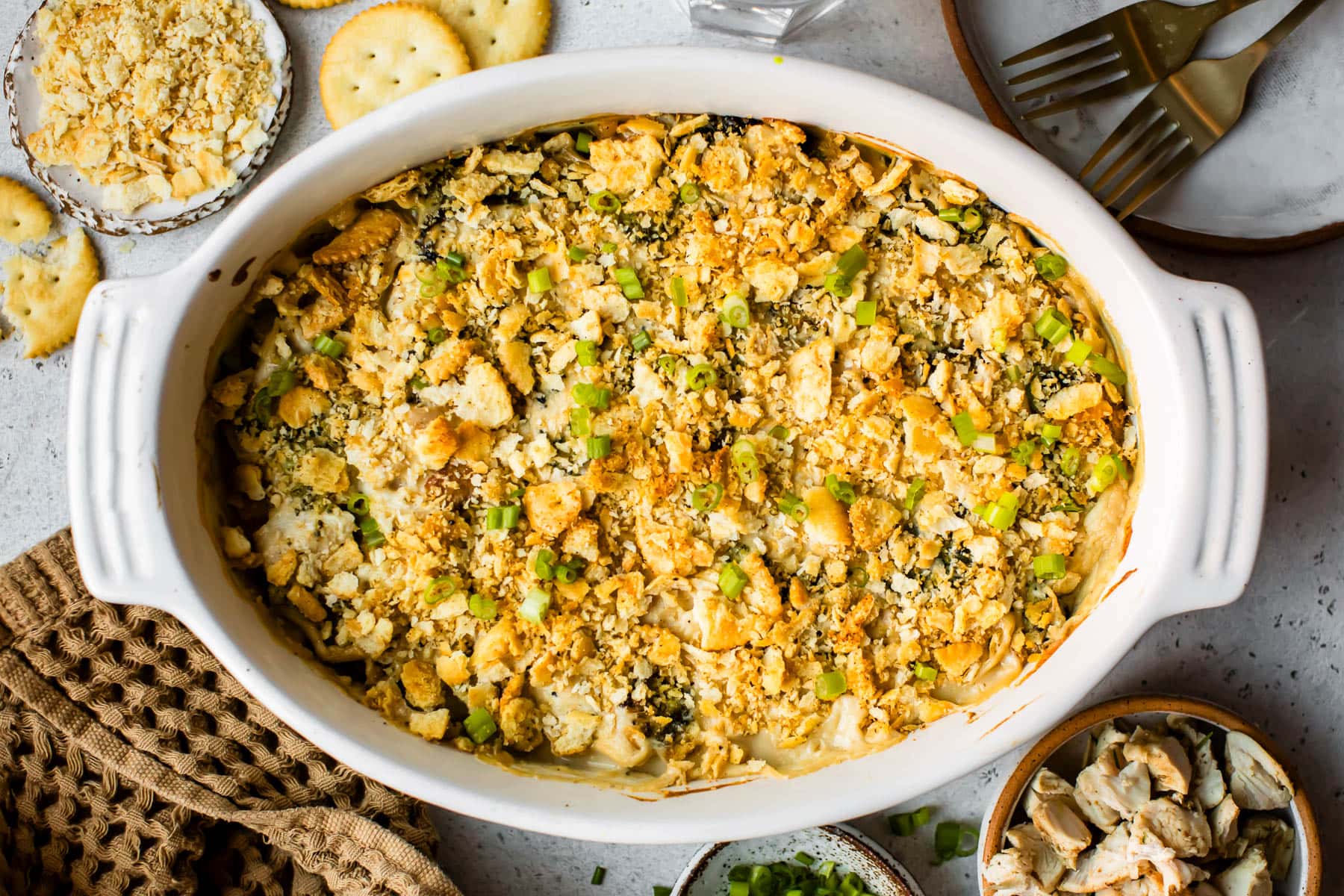
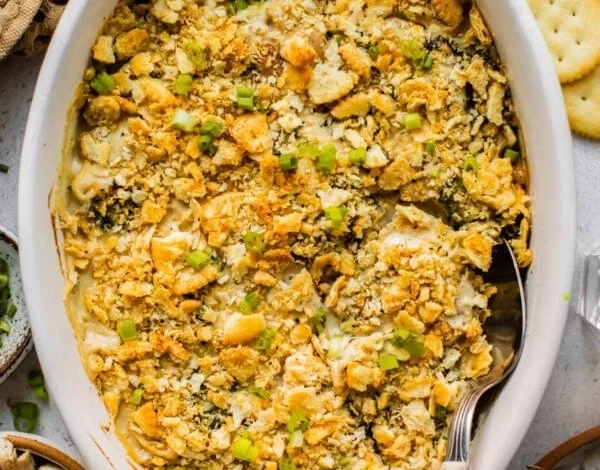
Among the latest innovations in post-holiday cuisine is a lighter, protein-boosted variation of the classic Southern comfort staple, the Million Dollar Chicken Casserole. Designed to revitalize standard leftovers, this modern casserole integrates shredded turkey and assorted roasted vegetables with a rich, creamy sauce that bypasses traditional canned soups in favor of nutrient-dense alternatives like cottage cheese and light cream cheese. Topped with a golden layer of buttery crackers, the dish offers a balanced flavor profile and a contrasting texture that elevates humble leftovers into a fresh dining experience.
The Evolution and Background of Comfort Casseroles
The concept of the casserole traces its roots back decades, serving as a practical method for home cooks to combine disparate ingredients into a cohesive, single-dish meal. In mid-century American kitchens, the rise of processed convenience foods popularized the use of condensed soups as a shortcut for creamy sauces. While these traditional recipes delivered rich flavors and comforting textures, they frequently carried high sodium levels and heavy saturated fats, which clash with contemporary dietary preferences prioritizing lower calorie counts and higher protein density.
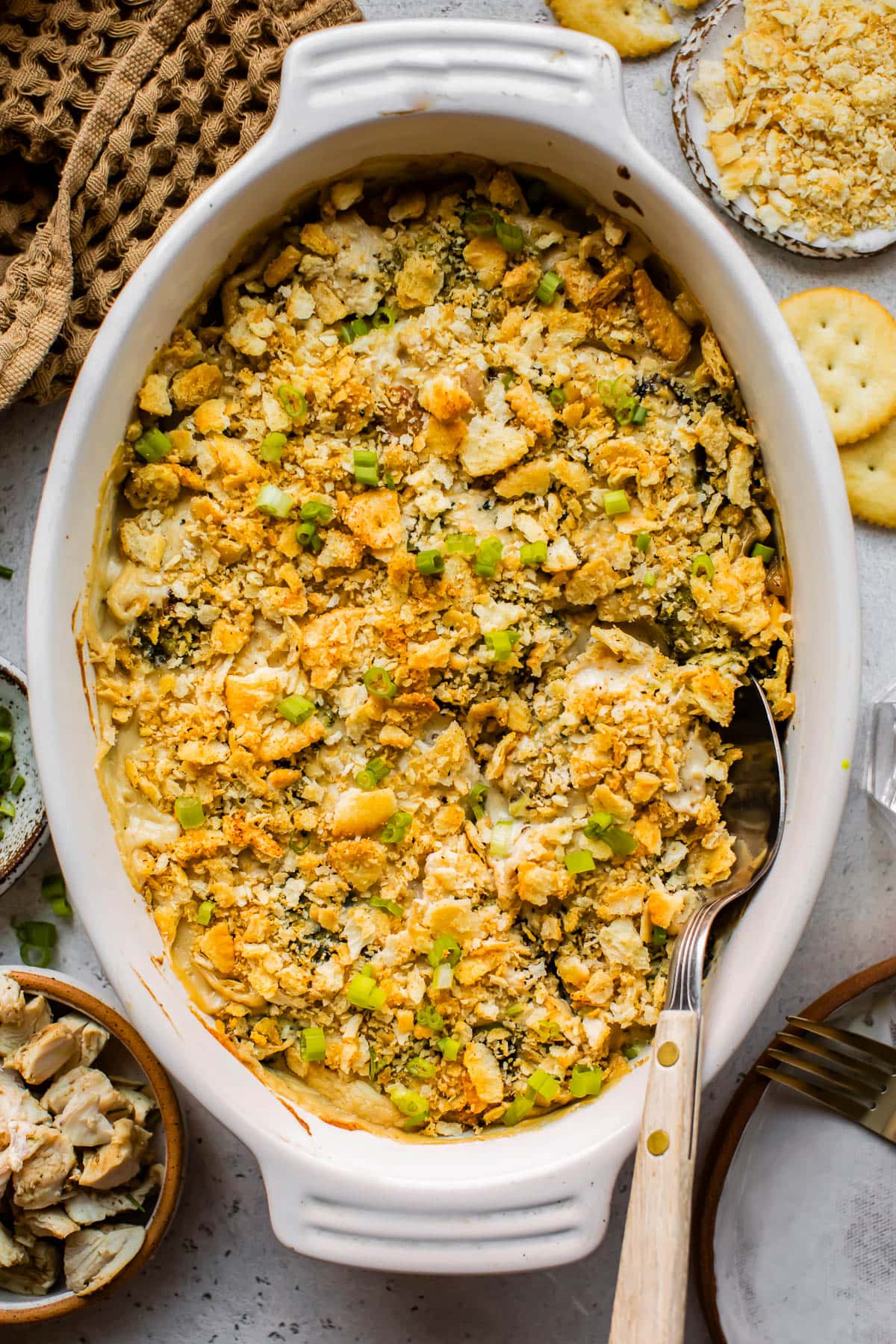
The "Million Dollar" casserole family traditionally achieved its luxurious texture through a heavy combination of cream cheese, sour cream, butter, and rich cheeses. Culinary developers have recently re-evaluated these classic comfort recipes to align with modern nutritional standards without sacrificing palatability. By substituting heavy bases with blended cottage cheese, cooks can achieve the same velvety consistency while significantly increasing the protein content of the meal. This culinary pivot reflects a broader consumer trend toward "functional comfort food"—dishes that provide emotional satisfaction alongside tangible nutritional benefits.
Nutritional Analysis and Dietary Implications
Food waste and nutritional management remain significant areas of focus for public health advocates and environmental agencies during the holiday season. According to data compiled by organizations monitoring food sustainability, American households experience a noticeable surge in organic waste between November and January, driven largely by uneaten holiday provisions. Repurposing cooked turkey and roasted produce directly addresses this issue by extending the lifecycle of perishable goods by several days.

From a nutritional perspective, the integration of lean poultry and dairy bases yields notable health advantages. A standard serving of this modernized casserole delivers approximately 350 calories, paired with 32 grams of protein and only 23 grams of carbohydrates. The inclusion of cottage cheese provides a substantial amino acid profile while keeping saturated fat levels manageable compared to traditional iterations. Furthermore, incorporating leftover roasted vegetables—such as green beans, broccoli, or Brussels sprouts—ensures that diners continue to receive vital dietary fiber and micronutrients following the holiday feast.
Preparation Timeline and Culinary Methodology
Executing this post-holiday meal is structured around efficiency, typically requiring an active preparation time of ten minutes and a baking duration of approximately twenty-five minutes.

The chronological workflow for preparing the dish is outlined as follows:
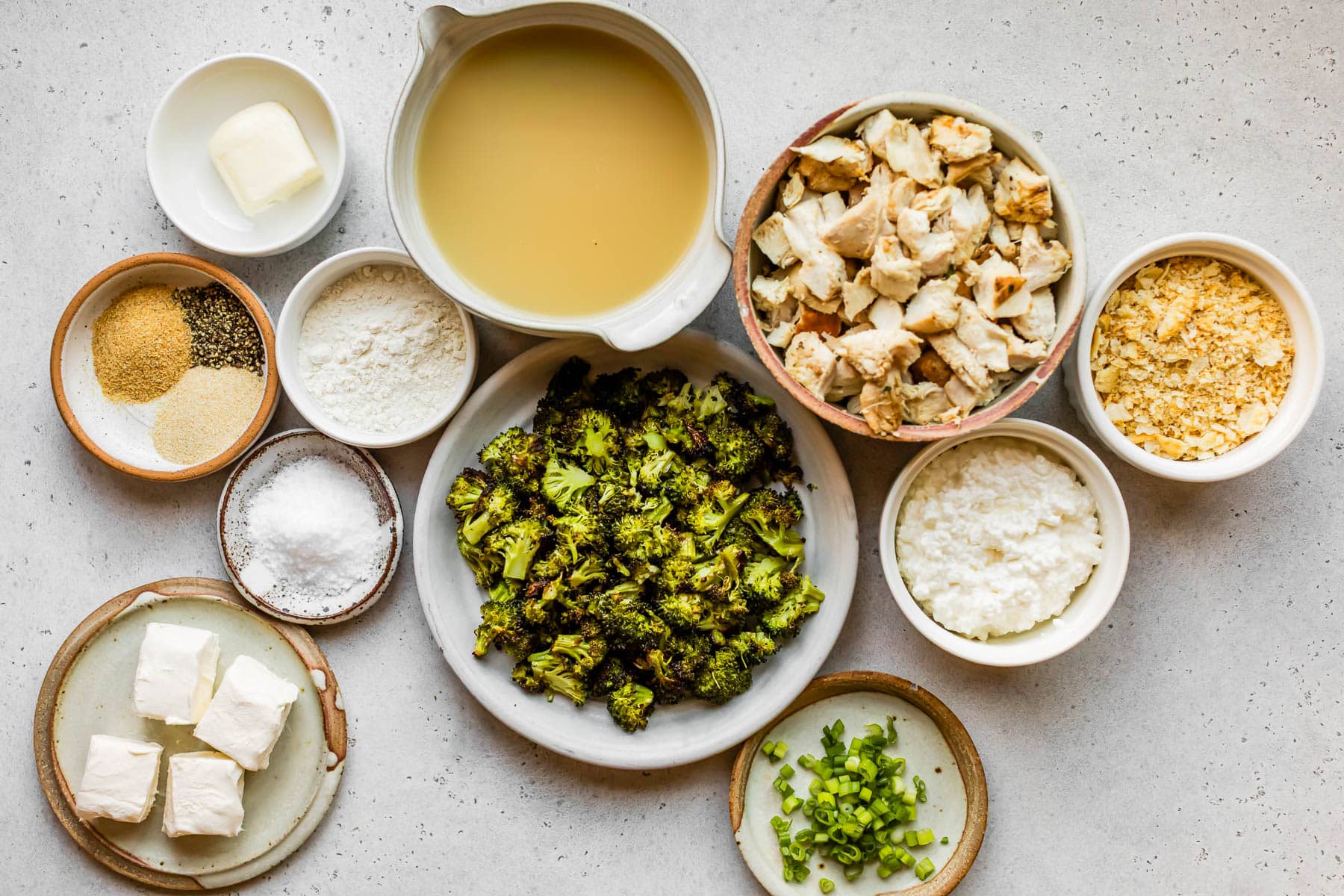
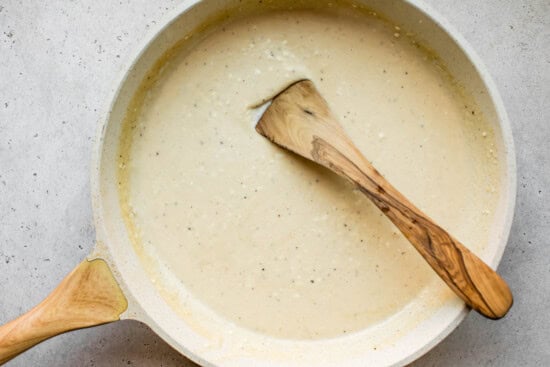
- Preparation Phase (Minutes 1–10): Home cooks preheat the oven to the specified baking temperature and prepare the binding agent. Instead of opening canned cream soups, the sauce is formulated by combining the low-fat dairy bases, such as cottage cheese and light cream cheese, with seasonings and leftover pan gravy or broth.
- Assembly Phase (Minutes 10–15): Diced or shredded leftover turkey is folded directly into the creamy sauce alongside chopped roasted vegetables. The mixture is transferred evenly into a greased baking dish. Separately, crushed buttery crackers are tossed with a minimal amount of melted butter or olive oil to form the signature crunchy topping.
- Baking Phase (Minutes 15–40): The casserole is placed in the oven and baked until the filling is bubbling hot and the cracker crust achieves a golden-brown crispness. A mandatory resting period of five minutes follows removal from the oven to allow the internal structure to set, ensuring clean portions upon serving.
Storage, Preservation, and Food Safety Standards
Proper handling of holiday leftovers is critical to preventing foodborne illness. Public health guidelines dictate that cooked poultry should be stored in airtight containers at or below 40°F (4°C) and consumed or repurposed within three to four days of initial preparation.
For households unable to consume the casserole within this window, the assembled dish offers flexible preservation options. Unbaked casseroles can be securely wrapped and stored in the refrigerator for up to 24 hours before baking, or frozen for longer-term storage. When freezing a casserole, omitting the cracker topping until the final baking stage prevents the crust from becoming soggy during the thawing and reheating process. Leftovers can safely remain in the freezer for up to two months, provided they are stored in moisture-resistant, airtight containers.
Broader Economic and Household Impact
As grocery prices fluctuate and household budgets face ongoing scrutiny, maximizing the utility of purchased food items has become an economic necessity for many families. Whole turkeys purchased for holiday gatherings frequently yield an abundance of meat that exceeds immediate consumption needs. By transforming these ingredients into structured casseroles, consumers effectively stretch their grocery expenditures across multiple meals, reducing the financial burden of post-holiday food provisioning.
Culinary experts note that recipes emphasizing adaptability—such as those allowing the substitution of various vegetables based on whatever remains in the refrigerator—empower home cooks to reduce waste intuitively without requiring rigid adherence to strict ingredient lists. This flexibility supports broader sustainability initiatives aimed at curbing household food waste at the consumer level, proving that practical kitchen strategies can successfully intersect with nutritional health and economic efficiency.