Creatine for Women: A Comprehensive Review of the Latest Scientific Research and Performance Outcomes

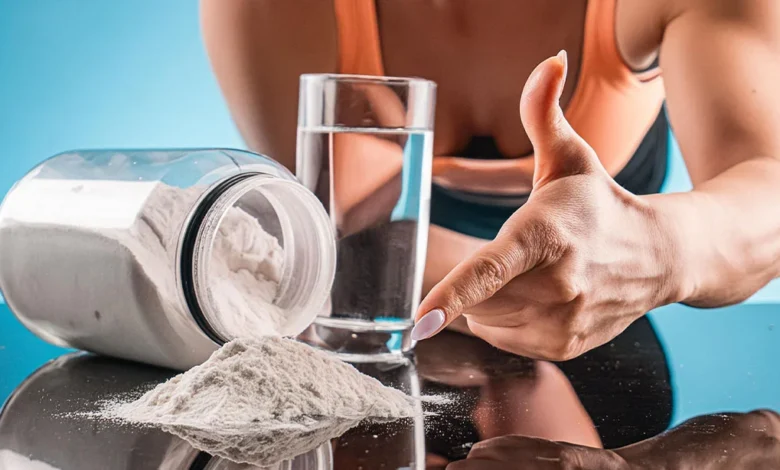
For over three decades, creatine monohydrate has occupied the most understated shelf in the supplement industry. Unlike its counterparts—often marketed with aggressive, pseudo-scientific branding or complex “anabolic matrix” formulations—creatine has remained a humble, unflavored white powder. Despite its lack of marketing flair, it stands as arguably the most extensively researched ergogenic aid in sports nutrition history. While early research disproportionately focused on male athletes, the landscape of exercise science is finally pivoting toward a more inclusive understanding of how this compound impacts female physiology. A flurry of meta-analyses published in late 2026 has provided long-awaited clarity on the efficacy, safety, and specific benefits of creatine supplementation for women, dispelling persistent myths surrounding weight gain and muscle hypertrophy.
The Evolution of Creatine Research: A Historical Context
The narrative of creatine supplementation began in the early 1990s, following reports that oral supplementation could significantly increase muscle phosphocreatine stores. Phosphocreatine is critical for the rapid regeneration of adenosine triphosphate (ATP), the primary energy currency used by cells during short, explosive bursts of activity. Because the initial studies were predominantly conducted on collegiate male athletes and bodybuilders, the fitness industry developed a gender-biased perception of the supplement.
For years, women were largely absent from these clinical trials, leading to a void in data that was eventually filled by speculation and fear-mongering. The primary deterrent for female athletes was the unsubstantiated concern that creatine would lead to unwanted, massive muscle growth or excessive subcutaneous water retention. This stigma persisted despite the biological reality that the hormonal environment of women makes rapid, accidental hypertrophy nearly impossible.
The current research climate reflects a necessary correction. In September 2026, researchers published a comprehensive systematic review and meta-analysis specifically targeting the female population. By screening over 13,000 records, the authors identified 34 high-quality studies representing 692 participants. This rigorous approach allowed scientists to separate anecdotal fitness trends from verifiable physiological outcomes.
Analyzing the 2026 Findings: Performance and Composition
The 2026 meta-analysis, which represents a milestone in sports nutrition, concluded that creatine monohydrate offers a small but statistically significant benefit for women in both performance metrics and body composition. When interpreting these results, it is essential to move away from the binary "magic versus worthless" mentality often promoted in fitness media.
The data indicates a standardized effect size of 0.30 for performance and 0.24 for body composition. In the context of exercise science, these figures signify a consistent, reliable edge. Creatine does not substitute for poor training or inadequate nutrition; rather, it provides a subtle increase in work capacity. By facilitating faster ATP regeneration, users can often perform one or two extra repetitions or sustain high-intensity intervals slightly longer. Over the course of weeks and months, these incremental gains lead to improved training adaptations.
The studies analyzed covered a diverse range of athletic disciplines, including soccer, swimming, volleyball, wrestling, and recreational resistance training. While some cohorts showed marked improvements in strength and sprinting, others showed negligible differences. This variance is precisely what makes the study credible; rather than cherry-picking only the most favorable results, the researchers acknowledged that the effectiveness of creatine is context-dependent. The authors noted that the "certainty of evidence" remains moderate due to the heterogeneity of the studies—varying doses, training protocols, and participant demographics. However, the overarching trend is clear: creatine is a functional tool for those engaged in structured, high-intensity exercise.
Addressing the Postmenopausal Gap
Perhaps the most significant development in recent research is the targeted focus on postmenopausal women. A separate 2026 meta-analysis examined seven randomized trials involving 608 postmenopausal participants, specifically looking at the intersection of aging, sarcopenia, and supplementation.
As women age, the decline in estrogen levels often leads to a decrease in bone mineral density and muscle mass. The research found that a daily dose of at least five grams of creatine, when paired with consistent resistance training, resulted in measurable increases in lean body mass and improved strength in the lower extremities—specifically on the leg press. This suggests that for an aging demographic, creatine may serve as a therapeutic intervention to maintain functional independence and physical resilience, rather than just a performance enhancer for competitive athletes.
Dispelling the "Bulking" Myth
The pervasive fear of "getting bulky" remains the primary barrier to adoption for many women. This anxiety is rooted in a fundamental misunderstanding of human physiology. Creatine increases intracellular water retention—it pulls water into the muscle cells, not under the skin. This hydration is a marker of cellular health and is necessary for protein synthesis.
It is important to clarify that creatine does not possess the androgenic properties required to trigger the kind of rapid, uncontrolled muscle hypertrophy seen in steroid-dependent bodybuilding. A woman taking five grams of creatine daily will not wake up to find she has gained ten pounds of muscle overnight. Muscle growth is a slow process governed by total caloric intake, protein availability, and the mechanical tension placed on muscles through progressive resistance training.
The professional consensus among sports nutritionists is that the "bulk" associated with creatine is largely a psychological construct fueled by misinformed social media influencers. When a woman notices a slight increase on the scale, it is typically due to increased muscle hydration, which is a positive sign that the supplement is working, not a sign of fat gain or undesirable size.
The Role of Dosage and Protocol
Current evidence suggests that a daily maintenance dose of three to five grams is sufficient for most women to keep muscle creatine stores saturated. While "loading phases"—taking 20 grams per day for a week—are common in the industry to saturate muscles quickly, they are not strictly necessary. A steady, daily intake will achieve the same results within three to four weeks without the potential for gastrointestinal distress that high-dose loading can sometimes cause.
Furthermore, the research underscores the necessity of coupling the supplement with actual effort. Creatine is not a fat burner, nor does it provide energy in the way a stimulant like caffeine does. Its primary function is to facilitate the body’s own energy-production pathways during anaerobic activity. If an individual is not training with enough intensity to demand the rapid regeneration of ATP, the supplemental creatine will provide little to no benefit.
Broader Implications for Sports Nutrition
The recent influx of high-quality data has significant implications for how sports nutrition is marketed and consumed. By moving the conversation away from exaggerated performance claims and toward the reality of small, measurable improvements, the industry is becoming more evidence-based.
The 2026 studies demonstrate that the "boring" nature of creatine—its lack of proprietary blends, its low cost, and its stability—is actually its greatest strength. In a market saturated with expensive, unproven, and often transient products, creatine monohydrate remains the gold standard.
Looking forward, the scientific community is calling for more standardized protocols in future research to better understand how menstrual cycle fluctuations or specific age-related hormonal profiles might influence the efficacy of the supplement. As of now, the recommendation from researchers is straightforward: women interested in improving their strength, power, and body composition through exercise should consider creatine as a reliable, safe, and cost-effective addition to their regimen.
The transition from a male-centric narrative to a gender-inclusive understanding of sports nutrition is a positive shift for public health. By grounding the use of supplements in rigorous, peer-reviewed data rather than fitness-industry hyperbole, female athletes can make informed decisions that support their long-term health and performance goals. Creatine, once the overlooked outlier of the supplement aisle, has proven that it belongs at the forefront of the conversation. It is not a panacea, but it is a consistent, effective, and well-supported tool for anyone looking to optimize their physical potential.