Neck and Shoulder Tension Relief: A Comprehensive Guide to Addressing Modern Musculoskeletal Strain

The prevalence of neck and shoulder tension has reached near-epidemic levels in the contemporary professional landscape, driven largely by sedentary work environments and the ubiquitous use of personal electronic devices. According to data from the World Health Organization (WHO) and various occupational health studies, musculoskeletal disorders—specifically those affecting the cervical and thoracic regions—account for a significant portion of lost productivity and healthcare expenditures globally. As individuals spend an increasing number of hours hunched over keyboards or looking down at mobile interfaces, the resulting physical degradation has moved from an occasional nuisance to a chronic public health concern.
The phenomenon, frequently categorized by clinicians as "tech neck," involves the forward projection of the cervical spine. Anatomically, the human head weighs between 10 and 12 pounds in a neutral position. However, research published in the Journal of Physical Therapy Science suggests that for every inch the head shifts forward, the mechanical stress on the cervical vertebrae can increase by an additional 10 to 12 pounds. This cumulative load results in chronic muscle fatigue, shortened connective tissues, and a restricted range of motion that often manifests as tension headaches and localized discomfort.
The Evolution of Modern Ergonomic Strain
The shift toward remote work and digital-first communication has accelerated the development of these symptoms. Prior to the digital revolution, occupational neck pain was often confined to specific industries involving repetitive manual labor. Today, the demographic affected by cervical strain has expanded to include students, office professionals, and remote workers who lack standardized ergonomic workstations.

Chronologically, the onset of these symptoms typically follows a pattern of postural drift. In the morning, an individual may begin their day with a neutral spine; however, by mid-afternoon, the "rounding" of the shoulders and the forward collapse of the chest cavity—a posture often referred to as "kyphosis"—becomes the default. Without corrective intervention or scheduled movement, these micro-traumas compound over months and years, eventually leading to structural imbalances that are difficult to reverse without targeted physical therapy or consistent corrective movement.
Physiological Mechanisms of Tension and Relief
The intersection of psychological stress and physical tension is a critical factor in understanding the severity of these symptoms. When the body experiences stress, the sympathetic nervous system triggers a "fight or flight" response, which causes the trapezius and levator scapulae muscles to tighten as a defensive reflex. This unconscious bracing, when maintained for prolonged periods, prevents adequate blood flow to the tissue, leading to the accumulation of metabolic waste and the sensation of "knots" or trigger points.
Yoga and mindful stretching serve as a non-pharmacological intervention by addressing both the physiological and nervous system components of this tension. By integrating controlled breathing with static and dynamic stretching, practitioners can initiate a parasympathetic response—the "rest and digest" state. This transition lowers cortisol levels and signals the muscles to release their sustained contraction. Clinical observations indicate that consistent, low-impact movement promotes the production of synovial fluid, which lubricates the joints and improves the elasticity of the fascia, the connective tissue that encapsulates the muscles.
Standardized Stretching Protocols for Immediate Mitigation
For those suffering from acute discomfort, specific movements can facilitate immediate, though temporary, relief. These techniques should be performed within a pain-free range of motion.
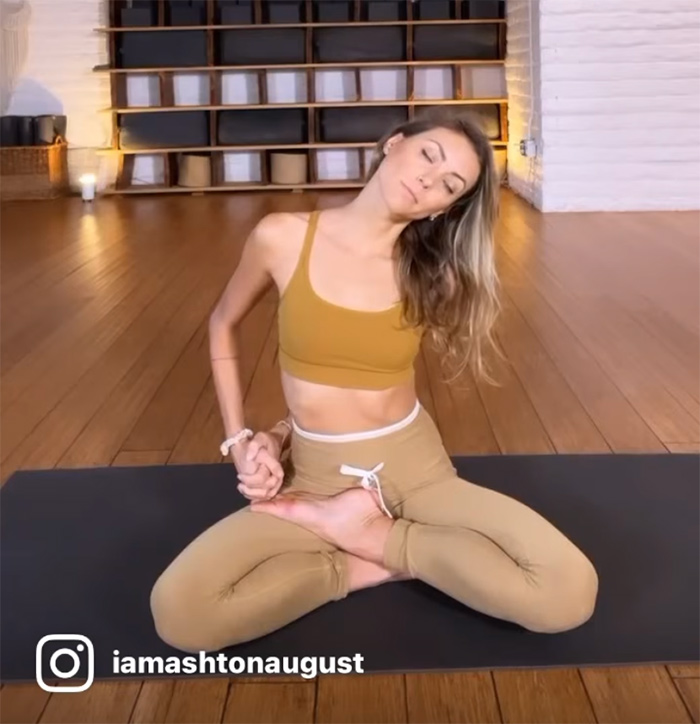
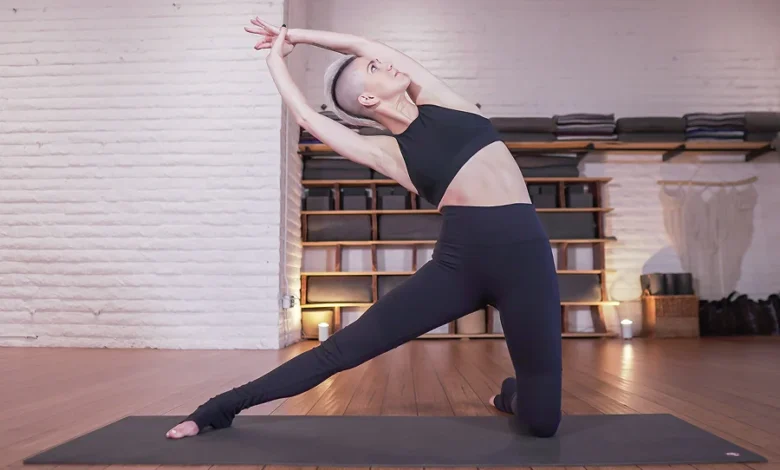
- The Lateral Cervical Release: This movement targets the sternocleidomastoid and upper trapezius. By gently tilting the ear toward the shoulder and utilizing the weight of the arm to deepen the stretch, the practitioner can alleviate tension in the lateral neck chain.
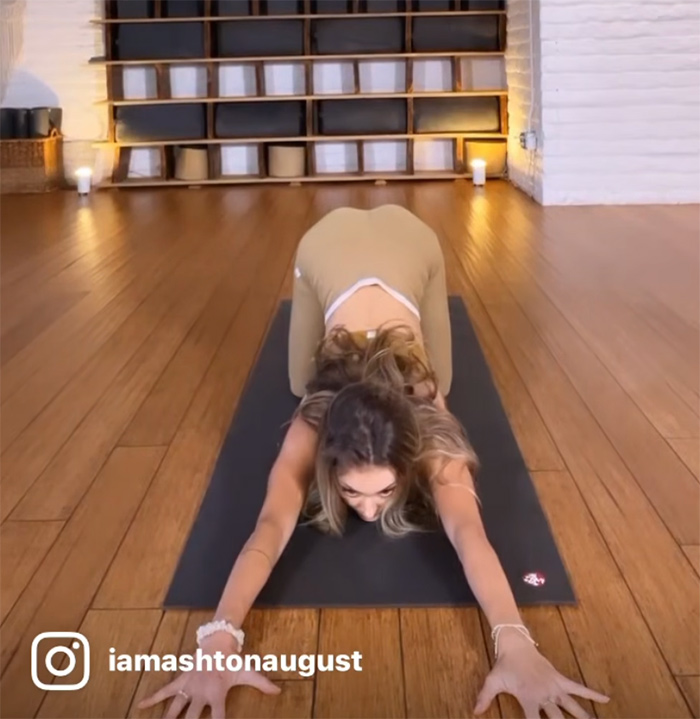
- The Thoracic Extension (Puppy Pose Variation): By focusing on the thoracic spine, this movement helps counteract the "slumped" posture. Incorporating a chin tuck during this pose facilitates a controlled elongation of the suboccipital muscles at the base of the skull, which are often implicated in tension-related headaches.
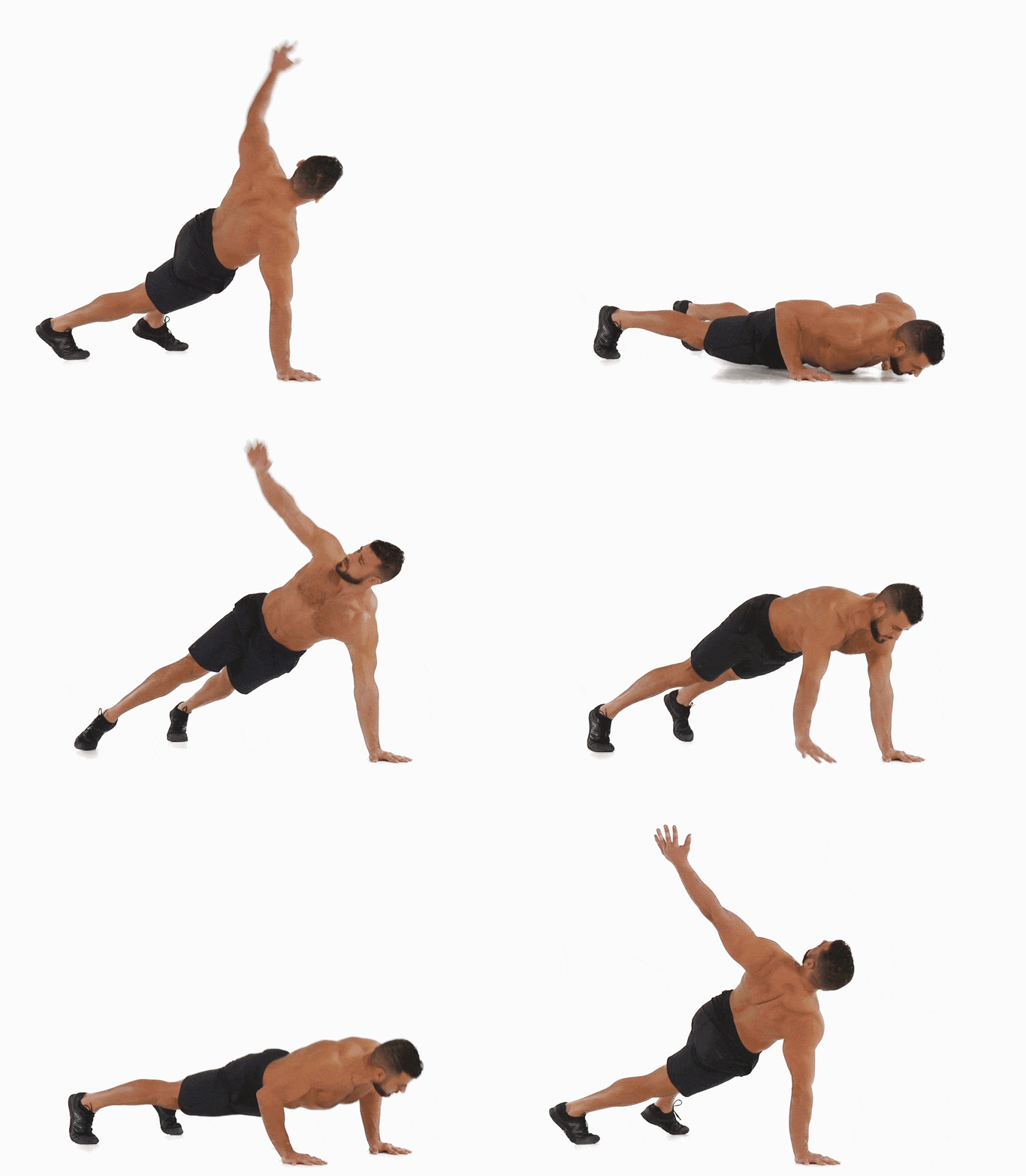
- Rotational Mobility (Seal Pose Dips): Incorporating rotation into spinal extension allows for the mobilization of the scapula. By gently dipping one shoulder toward the midline while in a prone, lifted position, the individual encourages blood flow to the rhomboids and the muscles surrounding the shoulder blades.
The Role of Consistency in Long-Term Musculoskeletal Health
Analysis of workplace wellness programs suggests that the most effective remedy for neck and shoulder strain is not a singular, intensive intervention but rather the integration of "micro-breaks" throughout the workday. The "20-20-20" rule—originally designed for eye health—can be adapted for posture: every 20 minutes, individuals should perform a 20-second postural reset, such as a chest-opening stretch or a set of shoulder rolls.
These brief, consistent interruptions prevent the body from "locking" into a compromised position. Furthermore, the psychological benefit of these breaks cannot be overstated. By consciously shifting focus from a screen to the body, individuals disrupt the cycle of mental stress that fuels physical tension.
Clinical Perspective and Safety Considerations
While yoga and stretching are effective tools for managing non-specific neck pain, they are not a substitute for medical evaluation in cases of injury or neurological impairment. Healthcare professionals emphasize that if pain radiates into the arms, is accompanied by numbness, or results from a traumatic injury, a physician should be consulted immediately.
Dr. Aris Thorne, a specialist in orthopedic rehabilitation, notes: "The goal of corrective movement is to restore balance to a system that has been pushed out of alignment by external factors. However, it is imperative that patients distinguish between the discomfort of a tight muscle being stretched and the sharp pain of an underlying structural issue. Movement should be restorative, not aggravating."
Broader Implications for Occupational Health
As organizations move toward more flexible work models, the responsibility for ergonomic health is increasingly shifting from the employer to the individual. Companies that incorporate wellness initiatives—such as guided desk yoga or ergonomic consultations—report higher levels of employee satisfaction and lower rates of absenteeism related to musculoskeletal complaints.
The integration of mindful movement into the daily routine represents a proactive approach to personal health management. By prioritizing posture and regular mobility, individuals can mitigate the long-term effects of the modern digital environment, ensuring that the convenience of technology does not come at the cost of physical longevity. Ultimately, while neck and shoulder tension is a common consequence of contemporary life, it is a manageable condition that responds well to the synthesis of awareness, consistent movement, and a disciplined approach to ergonomic habits.