Reviving Your Yoga Practice: 6 Creative Arm Variations to Break Through Plateaus

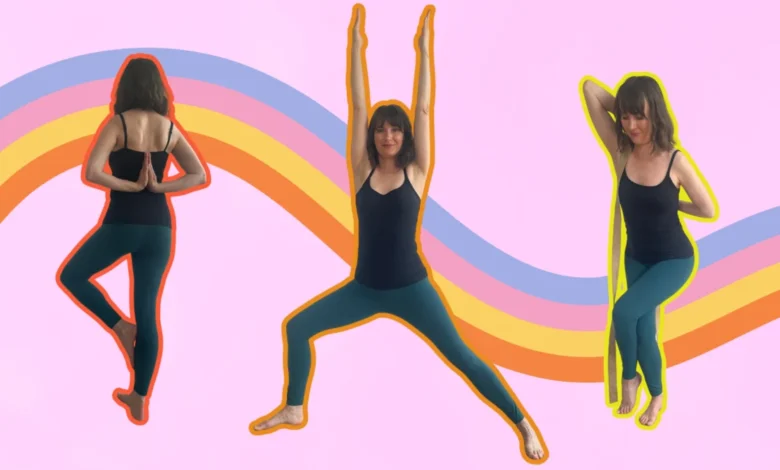
Even the most dedicated practitioners occasionally find themselves facing a plateau in their physical routines. Long-term adherence to structured fitness programs, including disciplined yoga traditions, frequently leads to a psychological phenomenon known as habituation—the diminishing of a physiological or emotional response due to repeated exposure. In the context of physical movement, unrolling a mat and moving through familiar sequences with automated precision can strip away mindfulness, transforming an intentional practice into a monotonous checklist. To combat this stagnation, wellness experts increasingly point to the integration of physical novelty as a vital catalyst for re-engaging both the nervous system and conscious awareness.
Background Context and the Science of Movement Novelty
The human brain relies heavily on movement patterns to streamline daily functions. Once a physical sequence—such as a vinyasa flow or a static holding pose—becomes second nature, the motor cortex shifts processing to a more automatic level, reducing cognitive load. While this efficiency is beneficial for learning, it minimizes present-moment awareness.
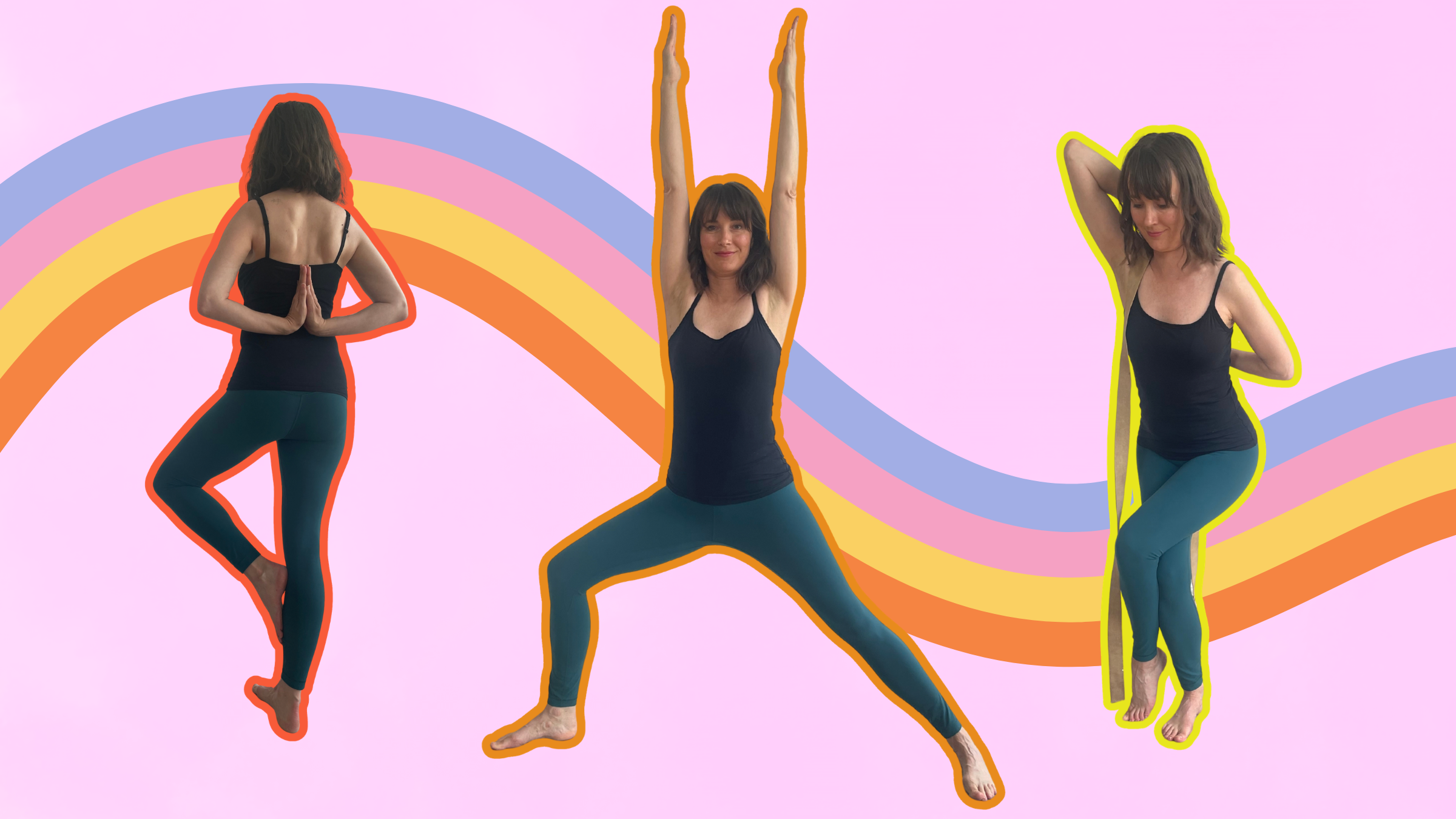
Amber Burke, a veteran yoga instructor with 16 years of teaching experience and a lineage rooted in YogaWorks, notes that introducing micro-variations into standard postures disrupts this automatic processing. By altering familiar parameters, such as hand placement or arm architecture within classic asanas, practitioners are forced out of autopilot. This disruption stimulates proprioception—the body’s ability to sense movement, action, and location—thereby heightening neuromuscular coordination and forcing the mind back to the present.
Chronology of Modern Yoga Evolution and Adaptation
The integration of cross-patterning and structural variation in yoga is not entirely new, yet its systematic application has evolved significantly over the past two decades.
In the early 2000s, the westernization and commercialization of yoga led to a standardized curriculum across major studio chains, often prioritizing aesthetic symmetry over individual functional needs. By the 2010s, physical therapists and biomechanists began advocating for movement variability to prevent repetitive strain injuries and address muscular imbalances caused by rigid asana alignment.
By September 2026, educational frameworks led by instructors trained in classical methodologies have increasingly emphasized functional movement science. The modern approach encourages practitioners to modify foundational shapes—colloquially termed "mash-ups" or structural hybrids—to maintain psychological engagement while honoring anatomical safety margins.
Methodological Framework: 6 Arm Variations to Transform Classic Asanas
To safely implement novelty without compromising structural integrity, practitioners are advised to utilize basic props such as a yoga strap or belt, ensuring that alterations do not induce joint strain. Below is a detailed breakdown of six specific positional modifications designed to challenge balance, alter center-of-gravity dynamics, and encourage mindful execution.
1. Warrior 1 With Warrior 2 Arms
In traditional Virabhadrasana I (Warrior I), the arms extend vertically overhead, framing the ears and creating an upward energetic line. Shifting the arms horizontally outward into a T-shape—reminiscent of Virabhadrasana II (Warrior II)—fundamentally changes the spatial dynamics of the posture.
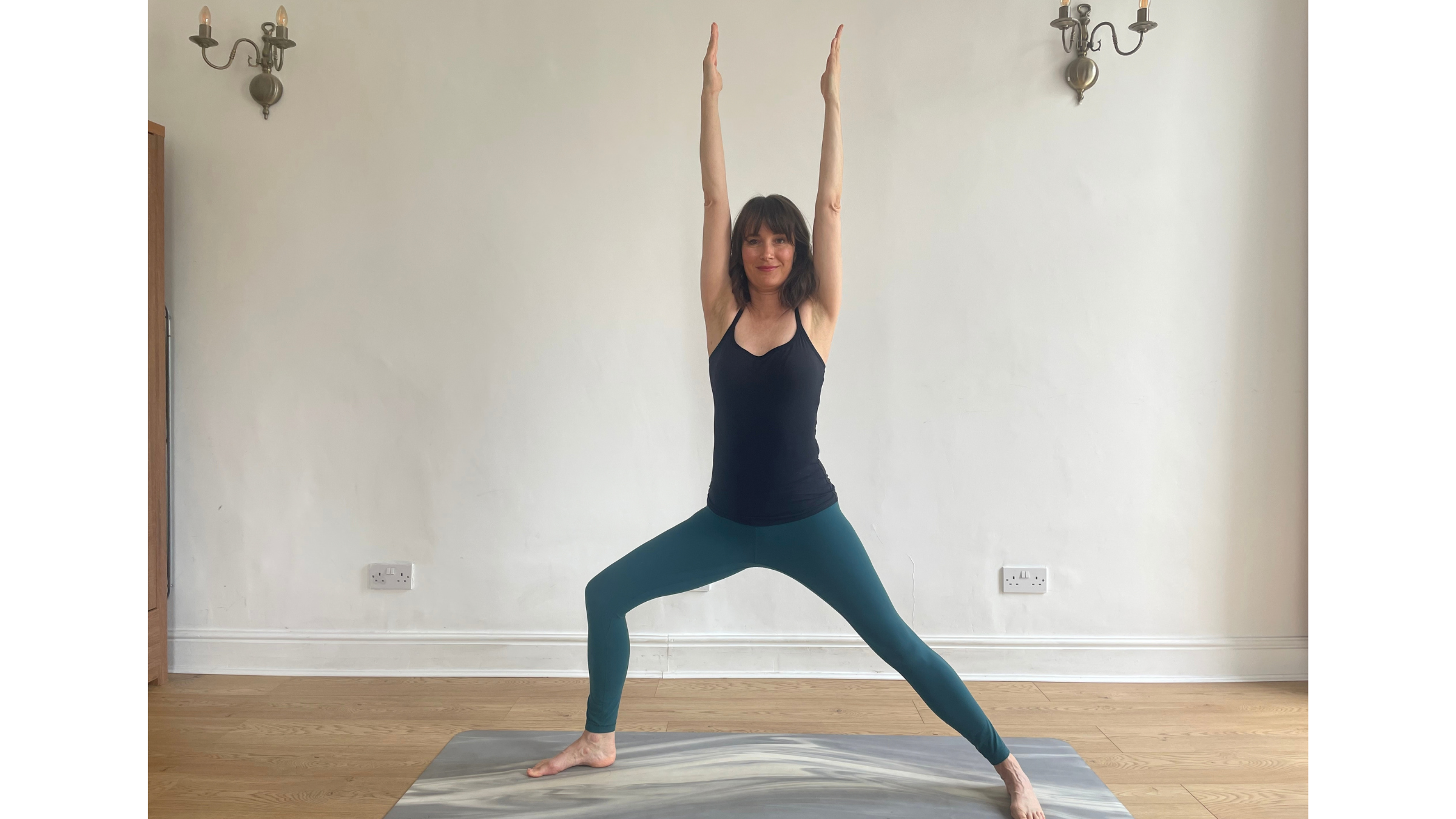
- Biomechanical Impact: This adjustment broadens the chest and requires greater stabilization through the shoulder girdle.
- Mindset Shift: Practitioners with narrow or tightrope-like stance alignments often report an enhanced sense of lateral balance and a psychological sensation of occupying a larger, more assertive spatial footprint.
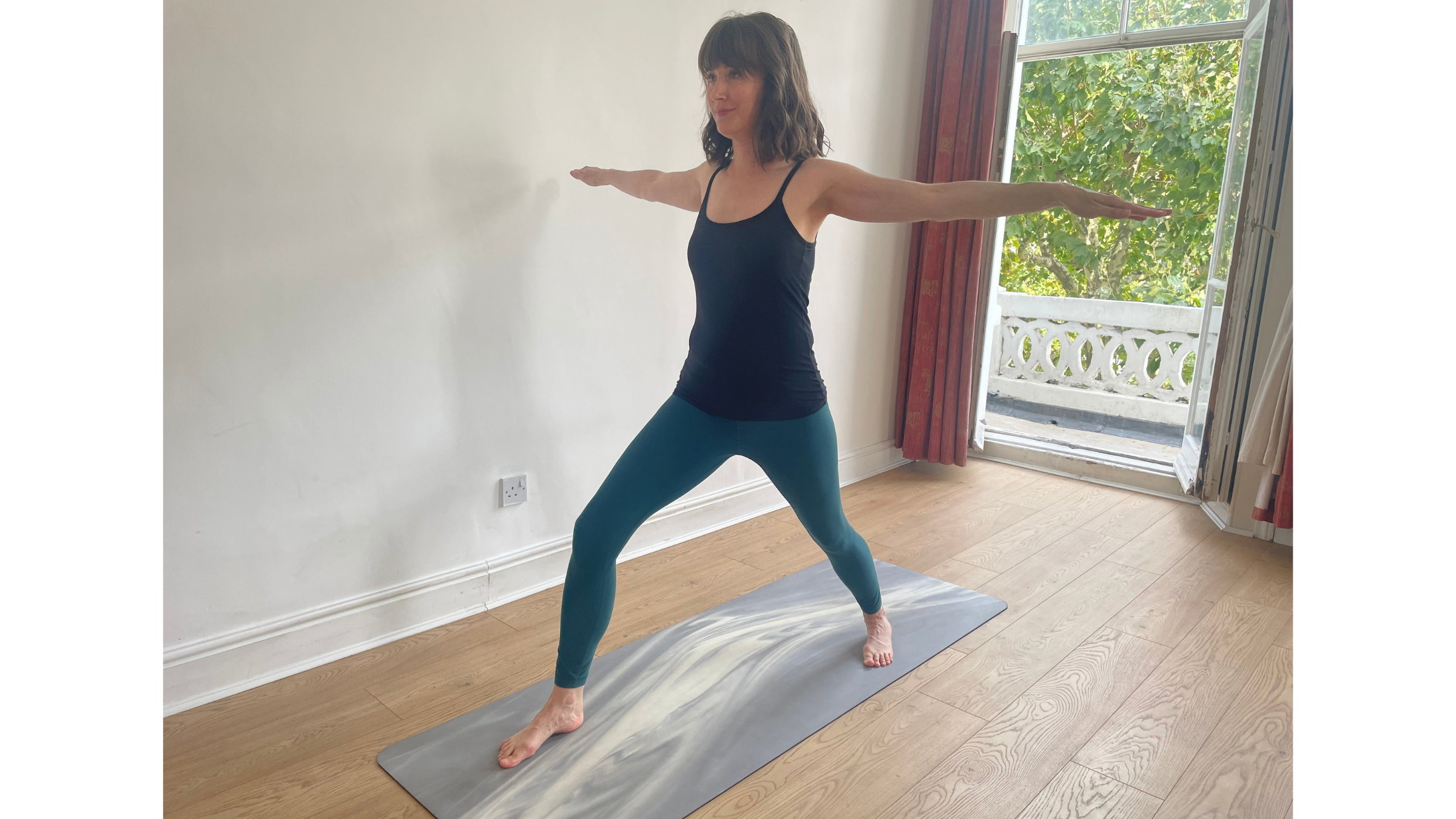
2. Warrior 2 With Warrior 1 Arms
Conversely, placing Warrior II into a vertical alignment by reaching the arms straight toward the ceiling introduces a subtle axial rotation into the thoracic spine.
- Biomechanical Impact: The challenge lies in resisting the body’s natural tendency to let the torso and shoulders track in the direction of the front-bent knee.
- Mindset Shift: Maintaining an open chest facing the lateral edge of the mat while reaching upward cultivates postural integrity, deep internal focus, and heightened awareness of minor spinal asymmetries.
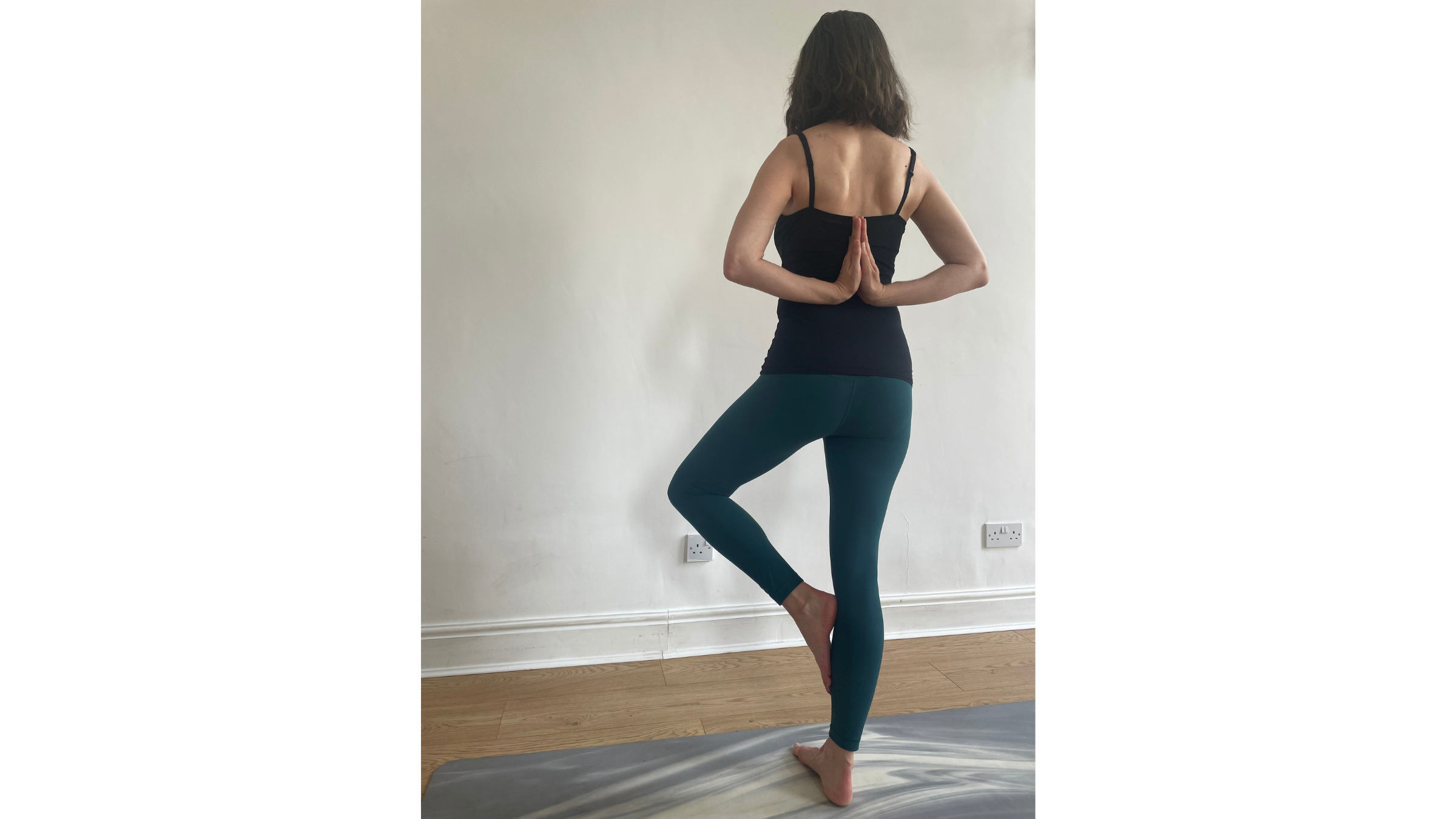
3. Tree Pose With Reverse Prayer Hands
Vrksasana (Tree Pose) challenges unilateral balance while traditionally featuring hands at the heart center (Anjali Mudra) or extended overhead. Integrating reverse prayer hands behind the back shifts the physical load posterior to the body’s central axis.
- Biomechanical Impact: This placement delivers a profound stretch to the wrists, anterior shoulders, and chest. It also demands dynamic engagement of the core stabilizers to prevent compensatory lumbar hyperextension (excessive lower back arching).
- Accessibility: For practitioners experiencing restricted shoulder mobility, holding a strap behind the back or grasping opposite elbows serves as an effective modification.
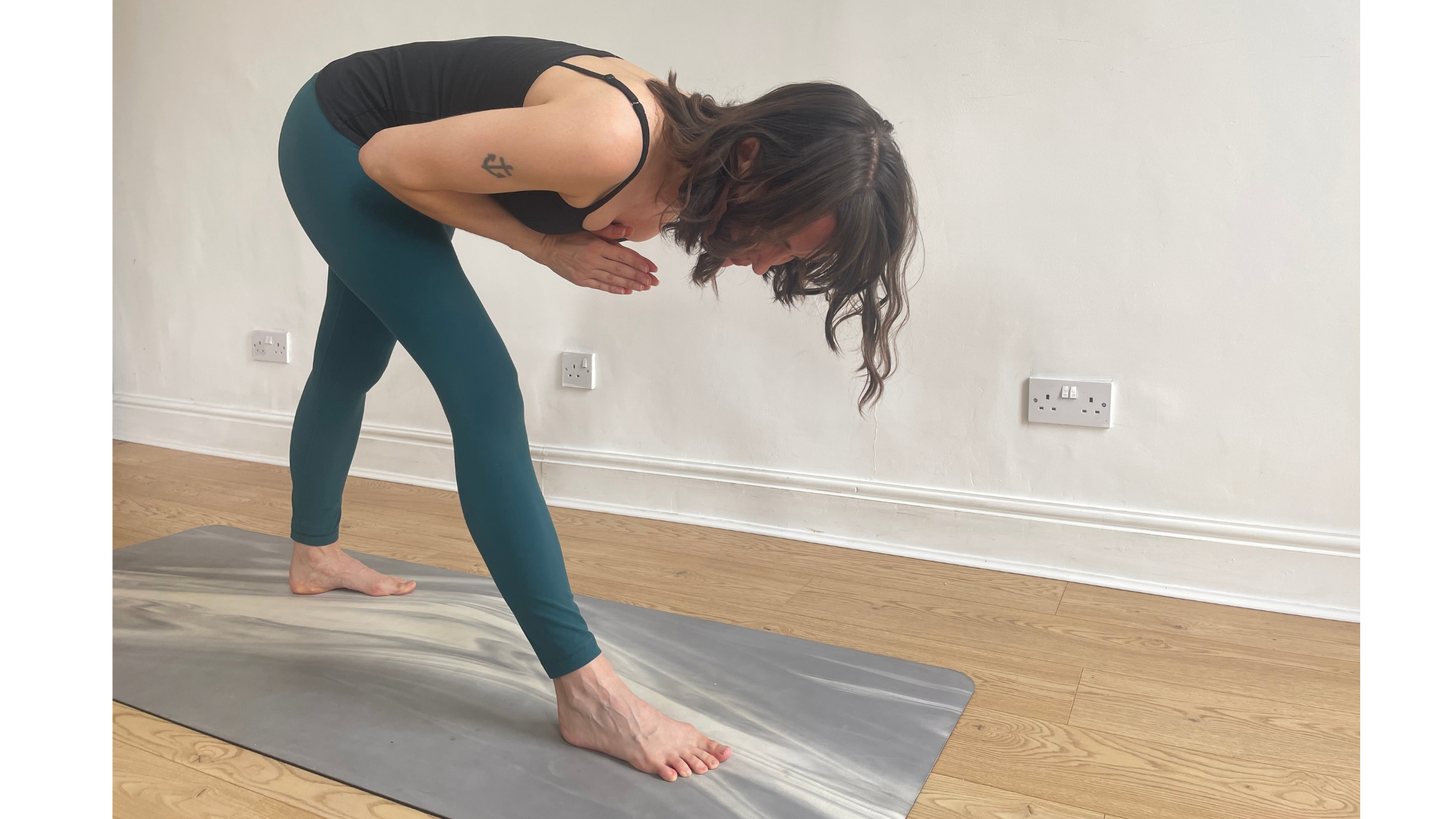
4. Pyramid Pose With Prayer Hands
Parsvottanasana (Pyramid Pose) typically involves folding forward over a straight front leg with hands bound in reverse prayer behind the lower back or grasping opposite elbows. Placing prayer hands directly against the sternum on the front body offers an immediate tactile feedback loop.
- Biomechanical Impact: The physical contact between the hands and the chest acts as a somatic reminder to lengthen the anterior torso.
- Mindset Shift: It discourages the tendency of the chest to collapse downward toward the quadriceps, promoting an elongated, spinal-neutral hinge from the hip joints.
5. Eagle Pose With Cow Face Arms
Garudasana (Eagle Pose) combines wrapped legs and bound arms to intensely stretch the posterior shoulder girdle, frequently resulting in a rounded upper back if the practitioner forces the bind. Replacing Eagle arms with Gomukhasana (Cow Face Pose) arms alters the vector of the stretch.
- Biomechanical Impact: Cow Face arms open the front of the shoulders and broaden the clavicular region. Utilizing a strap between the hands bridges mobility gaps, allowing the core to re-center its gravity even during a forward fold.
- Mindset Shift: This hybrid combination transforms a pose traditionally associated with internal withdrawal into an exercise in expansive thoracic opening.
6. Cow Face Pose with Eagle Arms
Inversely pairing Gomukhasana legs with Garudasana arms creates a structural echo between the lower and upper body extremities.
- Biomechanical Impact: This variation requires conscious adduction—the drawing of limbs toward the body’s midline—which counters the primary abduction patterns common in many physical conditioning routines.
- Mindset Shift: When folding forward, the upper knee acts as a supportive spatial marker for the lower body alignment, reinforcing the objective of spinal elongation over superficial depth or flexibility milestones.
Broader Impact and Industry Implications
The systematic introduction of hybrid postures reflects a broader shift within the contemporary wellness and fitness sectors toward intuitive, sustainable movement practices. Rather than measuring success through the rigid execution of canonical shapes, modern pedagogy emphasizes functional longevity, neurological engagement, and injury prevention.
Industry analysts note that as consumer awareness regarding joint health and somatic mindfulness matures, instructional offerings that prioritize creative adaptation over dogma are experiencing higher retention rates in studio environments. By altering minor architectural components like arm placements, practitioners not only rejuvenate their physical routines but also cultivate a resilient, adaptable mindset capable of translating off the mat and into daily life. Following any exploratory movement session, a return to traditional integration postures—such as Savasana (Corpse Pose)—allows the nervous system to consolidate these novel physical inputs, anchoring a renewed sense of presence and ease.