New UNC School of Medicine Research Reveals How Dietary Oxalates Fuel Intestinal Inflammation in Inflammatory Bowel Disease Patients

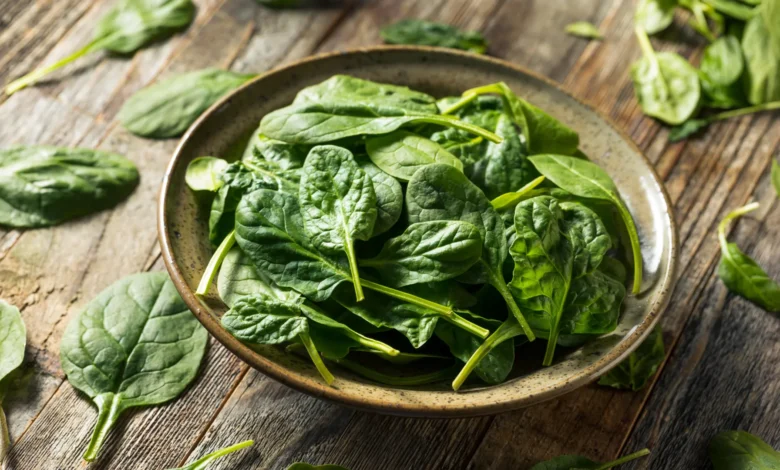
Healthy eating recommendations have long championed the inclusion of nutrient-dense plant foods such as spinach, almonds, and sweet potatoes. These items are universally recognized for providing essential vitamins, minerals, and dietary fiber necessary for overall wellness. However, ground-breaking research emerging from the University of North Carolina (UNC) School of Medicine complicates this narrative for a significant subset of the population. According to a study published on August 13, 2026, in Cellular and Molecular Gastroenterology and Hepatology (CMGH), a naturally occurring compound found abundantly in these healthful foods may actively contribute to severe intestinal inflammation in individuals suffering from inflammatory bowel disease (IBD).
Led by Dr. Anna Salvador, a postdoctoral scholar, registered dietitian, and licensed dietitian nutritionist working in the laboratory of Dr. Shehzad Z. Sheikh—a prominent professor of medicine and genetics at UNC—the study investigated the complex interplay between plant-based diets, gut physiology, and immune responses. By examining gene activity, stool oxalate concentrations, and dietary patterns across patient cohorts and controlled animal models, the research team unveiled a startling biological mechanism. The findings suggest that the chronic inflammation characteristic of IBD is not merely exacerbated by the presence of oxalates, but rather by an underlying impairment in how the human gut processes these molecules.
Background and Chronology of the Investigation
The genesis of this research lies in a fundamental medical question that had remarkably remained unaddressed: could specific dietary molecules act as primary, active drivers of gut inflammation in IBD patients rather than passive bystanders? While clinicians and nutritionists have long debated the role of diet in managing conditions like Crohn’s disease and ulcerative colitis, most dietary studies have focused heavily on macroscopic intake levels or generalized food groups. Dr. Salvador and Dr. Sheikh sought to bridge this gap by examining the molecular pathways responsible for nutrient transport in the gastrointestinal tract.
The multi-phase study commenced with comprehensive human observational analyses. Researchers gathered biological samples and dietary data from individuals diagnosed with IBD alongside healthy control subjects. To ensure unprecedented accuracy in dietary assessment, the team utilized two independent methodologies: the validated Diet History Questionnaire III and an advanced molecular technique known as DNA metabarcoding. While questionnaires rely on patient recall, DNA metabarcoding analyzes genetic traces of plant species left behind in stool samples, providing an objective snapshot of actual recent food consumption.
Following the human observational phase, the research team transitioned to translational models to establish causality. They conducted rigorous experiments utilizing multiple mouse models, including genetically susceptible strains prone to spontaneous colitis and mice subjected to chemically induced colitis combined with oxalate-supplemented diets. Concurrently, cell culture experiments involving crucial immune regulators—specifically macrophages and dendritic cells—were performed to observe the direct cellular impact of oxalates on inflammatory signaling pathways. The culmination of these extensive efforts resulted in the peer-reviewed publication in CMGH on August 13, 2026, marking a pivotal shift in how medical researchers conceptualize the relationship between diet and gastrointestinal pathology.
Impaired Gut Transporters and Oxalate Accumulation
Oxalate is a ubiquitous organic acid synthesized by a wide variety of plants as a metabolic byproduct. In a healthy digestive tract, the vast majority of dietary oxalate binds to minerals like calcium within the gut lumen and is safely excreted through the stool, with only minimal amounts entering the bloodstream. However, the UNC study revealed that this baseline detoxification and elimination system breaks down significantly in patients with IBD.
Through meticulous tissue analysis, the researchers discovered that two critical transporter proteins—designated as SLC26A2 and SLC26A3—were consistently expressed at markedly lower levels in the intestinal tissues of patients with both ulcerative colitis and Crohn’s disease. Crucially, this reduction in transporter presence occurred across affected areas regardless of whether active inflammation was visually or histologically present at the time of biopsy. Furthermore, the data indicated an inverse correlation: as tissue inflammation intensified, the expression levels of these vital oxalate-handling transporters declined even further.
When these transport systems are compromised, the gut loses its capacity to efficiently regulate oxalate transit. This dysfunction leaves elevated concentrations of unabsorbed oxalate lingering within the intestinal environment. The UNC findings demonstrate that this excess oxalate does not sit inertly; instead, it interacts with the compromised mucosal lining to amplify and perpetuate the existing inflammatory cascade typical of IBD pathogenesis.
Striking Disparities in Crohn’s Disease Patients
One of the most compelling insights generated by the study involved cohorts of patients living with Crohn’s disease. Utilizing the dual-method approach of the Diet History Questionnaire III and DNA metabarcoding, the researchers evaluated the exact dietary intake of plant-based foods among Crohn’s patients and healthy control subjects.
The results defied conventional expectations. Although both groups reported and demonstrated consumption of equivalent amounts of plant-based foods rich in oxalates, the patients with Crohn’s disease exhibited significantly higher levels of oxalate in their stool samples. Dr. Salvador emphasized the profound nature of this discovery, noting that it fundamentally shifts the medical understanding of the condition. For the first time, researchers observed that the elevated intestinal oxalate levels were decoupled from the total quantity of oxalate ingested. This proved that the phenomenon is not simply a reflection of dietary indiscretion, but rather the result of a fundamental biological defect in how the IBD gut processes the compound.
Animal Models and Cellular Evidence Strengthen the Link
To move beyond correlation and prove causation, the research team subjected animal models to controlled dietary and genetic interventions. The results from these in vivo experiments were dramatic. Mice that were placed on an oxalate-supplemented diet while simultaneously receiving a colitis-inducing agent experienced a staggering 60 percent reduction in survival rates compared to control mice receiving the same colitis-inducing agent without supplemental dietary oxalate.
In separate trials utilizing two distinct murine models genetically predisposed to spontaneous colitis, the introduction of dietary oxalate accelerated the onset of the disease and severely worsened its clinical trajectory. Notably, the genes responsible for regulating oxalate transport were found to be suppressed in these susceptible mice even before any dietary oxalate was introduced, mirroring the exact molecular patterns identified in human IBD tissue samples.
Cell culture assays provided further mechanistic clarity. When macrophages and dendritic cells—the immune system’s frontline sentinels within the intestinal wall—were exposed to oxalate in vitro, their inflammatory responses intensified substantially. This finding indicates that oxalates directly provoke immune cells that are already primed for reactivity in IBD, driving the release of inflammatory cytokines that damage the intestinal barrier.
Implications for Disease Progression and Biomarker Development
Beyond immediate inflammation, the research team explored whether oxalate-related genetic profiles could serve as prognostic indicators for disease severity. An exploratory analysis revealed a striking association concerning another transporter protein, SLC26A6. Low expression of SLC26A6 was strongly correlated with stricturing Crohn’s disease, a particularly aggressive and debilitating form of the condition characterized by chronic inflammation-driven fibrosis, scar tissue buildup, and dangerous intestinal narrowing.
The data showed that nearly 75 percent of patients exhibiting low SLC26A6 expression suffered from stricturing disease. While the researchers caution that these findings require validation in larger, multi-center patient cohorts, the discovery opens the door to potential diagnostic breakthroughs. Measuring oxalate transporter activity could eventually allow gastroenterologists to stratify patients at the time of diagnosis, identifying those at heightened risk for severe structural complications and enabling earlier, more aggressive therapeutic interventions.
Expert Reactions and Broader Medical Implications
The study has drawn praise from the wider academic and medical research community for its methodological rigor and conceptual originality. Dr. Shehzad Z. Sheikh lauded Dr. Salvador’s initiative, highlighting her ability to reframe a dietary molecule from a passive dietary component into an active biological driver of disease. By establishing a concrete molecular framework, the study empowers clinicians to approach nutritional science in IBD management with unprecedented precision.
Despite the provocative nature of the findings, the researchers issue a strong cautionary note: patients should under no circumstances eliminate nutritious plant foods from their diets based on these preliminary results. Spinach, almonds, sweet potatoes, and other oxalate-containing foods provide vital micronutrients and fiber that support overall health and gut microbiome diversity. Furthermore, completely restricting these foods does not address the underlying transporter deficiency responsible for the pathological accumulation of oxalate.
Instead, the study points toward future therapeutic avenues, particularly involving the gut microbiome. Certain specialized intestinal bacteria, most notably Oxalobacter formigenes, possess the natural metabolic machinery required to degrade and break down oxalate within the digestive tract. Because populations of these beneficial bacteria are typically depleted in individuals with IBD, future microbiome-based therapeutics—such as targeted bacterial supplementation or engineered probiotics—could offer a viable method for enhancing internal oxalate degradation without forcing restrictive diets upon patients.
As the medical community awaits larger longitudinal studies combining stool metabolomics, dietary tracking, and genomic profiling, this research marks a critical turning point. By connecting the physiological handling of a specific dietary compound to the molecular machinery of gut inflammation, the UNC School of Medicine has laid the groundwork for a sophisticated, mechanism-driven approach to nutritional medicine in inflammatory bowel disease.
Support for this pioneering research was provided by the Helmsley Charitable Trust, the National Institute of Diabetes and Digestive and Kidney Diseases (NIDDK), the Chan Zuckerberg Initiative, Schmidt Sciences, the Burroughs Wellcome Fund, and various institutional National Institutes of Health grants. Collaborative contributions spanned investigators from the University of North Carolina at Chapel Hill, Texas A&M University, and Duke University.