The Ultimate Guide to Perfectly Roasted Brussels Sprouts: Achieving Charred Edges and Tender Centers

The culinary rehabilitation of the Brussels sprout is one of the great success stories of modern gastronomy. Long dismissed by generations of diners as a bitter, sulfurous chore, the miniature cabbage has undergone a profound mainstream renaissance, largely driven by refined high-heat roasting techniques. Culinary experts and home cooks alike have shifted away from traditional boiling and steaming—methods that release pungent glucosinolates—toward oven-roasting protocols designed to caramelize natural sugars and create a deeply savory flavor profile.
At the center of this culinary shift is a straightforward, four-ingredient preparation method that emphasizes physical positioning and thermal dynamics to elevate a humble cruciferous vegetable into a sophisticated side dish.

Main Facts of the Preparation Method
The foundational technique for achieving restaurant-quality roasted Brussels sprouts relies on a deliberate approach to preparation. According to culinary standards popularized by home-cooking and recipe developers, the process requires minimal intervention: fresh Brussels sprouts are trimmed and sliced in half vertically, then tossed uniformly in high-smoke-point cooking fats, kosher salt, and freshly cracked black pepper.
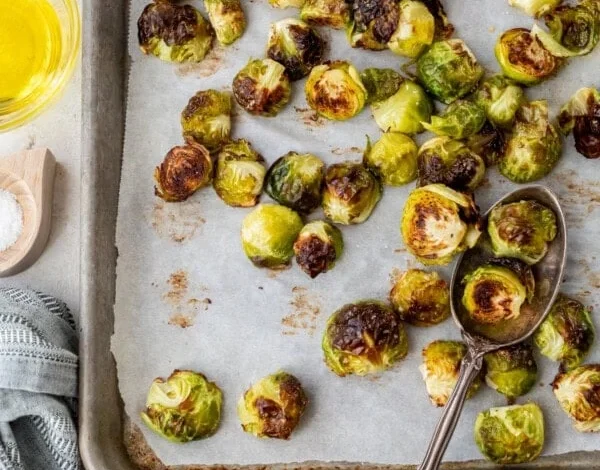
The defining variable of the technique is the placement of the vegetables on the baking sheet. By positioning the halved sprouts cut-side down against a preheated metal surface, cooks maximize direct thermal conduction. This direct contact is critical for inducing the Maillard reaction—the chemical reaction between amino acids and reducing sugars that gives browned food its distinctive, rich flavor.

Nutritional profiling highlights the inherent health benefits of the dish. A standard three-quarter cup serving contains approximately 138.5 calories, 10 grams of carbohydrates, 4 grams of protein, and 4.5 grams of dietary fiber. With only 10.5 grams of total fat—predominantly derived from heart-healthy olive oil—and modest sodium levels, the preparation aligns seamlessly with low-carbohydrate, vegetarian, and calorie-conscious dietary frameworks, including weight management programs like WeightWatchers.
Historical Context and the Evolution of Vegetable Roasting
To understand the current popularity of roasted Brussels sprouts, one must examine the broader evolution of home cooking over the past three decades. Historically, Brussels sprouts were treated as a holiday novelty or an obligatory element of traditional Sunday roasts, frequently boiled until soft and gray. This method broke down cell walls indiscriminately, releasing allyl isothiocyanates, compounds responsible for the bitter taste and sulfurous aroma that deterred many consumers.

The shift toward high-heat oven roasting gained momentum in the late 1990s and early 2000s as chefs began experimenting with vegetable preparations that mirrored the caramelization techniques applied to meats. By utilizing temperatures ranging from 400°F to 425°F (200°C to 220°C), cooks discovered that rapid moisture evaporation concentrated the natural sugars within the sprout leaves. Simultaneously, the outer leaves scorched into delicate, lace-like crisps, providing a textural contrast to the tender, steamed interior of the sprout core.
This culinary evolution coincided with a broader agricultural shift. Modern cultivators have successfully bred newer varieties of Brussels sprouts that contain significantly lower levels of glucosinolates compared to heirloom strains harvested mid-century. Consequently, contemporary produce yields a milder, sweeter flavor profile even before seasoning and cooking occur.
Chronology of the Culinary Process

Executing the recipe efficiently requires adherence to a structured timeline, ensuring optimal texture and temperature balance upon serving.
Preparation Phase (Minutes 0 to 10):
The process begins with the selection of firm, tightly packed green heads of uniform size. Uniformity is critical; varying sizes cook at different rates, leading to uneven browning. Chefs recommend rinsing the produce thoroughly and patting them completely dry with paper towels. Surface moisture is the primary enemy of crispiness, as excess water creates steam that inhibits the Maillard reaction. Once dried, the stem ends are trimmed, and each sprout is halved vertically through the root core, which holds the leaves intact.
Tossing and Seasoning (Minutes 10 to 15):
The halved sprouts are transferred to a mixing bowl and tossed with extra-virgin olive oil, ensuring a light, even coating. Over-saturation should be avoided to prevent a soggy texture. Kosher salt and black pepper are added at this stage, allowing the salt to draw out a minimal amount of surface moisture, which further aids in the browning process. Concurrently, a heavy-duty rimmed baking sheet is placed inside the oven during preheating to 400°F. Introducing the vegetables to a pre-heated pan accelerates the searing process upon contact.

Thermal Cooking Phase (Minutes 15 to 30):
The seasoned sprouts are arranged meticulously on the hot baking sheet in a single layer, ensuring that every cut surface makes direct contact with the metal. Crowding the pan must be avoided; if the vegetables touch or overlap, they will steam rather than roast. The pan is transferred to the oven, where it remains undisturbed for approximately 15 to 20 minutes. The cooking cycle is complete when the undersides exhibit a deep mahogany char and the interior yields readily to a fork.
Data and Nutritional Implications
From a dietary standpoint, Brussels sprouts are classified as a nutritional powerhouse. Belonging to the Brassicaceae family—which includes broccoli, kale, and cauliflower—they are dense with essential micronutrients.

Clinical data underscores the high concentration of Vitamin C and Vitamin K found in a single serving, alongside significant levels of folate, manganese, and antioxidants. The high dietary fiber content—4.5 grams per three-quarter cup—supports gastrointestinal health and contributes to prolonged satiety, making high-fiber vegetable dishes a cornerstone of modern weight-management strategies.
Furthermore, the inclusion of healthy monounsaturated fats from olive oil enhances the bioavailability of fat-soluble vitamins, specifically Vitamin K, allowing for more efficient nutrient absorption by the human body. The modest caloric load of 138.5 calories per serving provides culinary flexibility, enabling diners to pair the side dish with lean proteins without exceeding daily caloric thresholds.
Customization and Culinary Variations

While the base recipe—consisting solely of sprouts, olive oil, salt, and pepper—remains a reliable staple, culinary versatility has driven widespread experimentation. Home cooks and professional chefs frequently adapt the foundation to complement diverse main courses.
Acidic and Dairy Enhancements:
A popular post-roasting modification involves finishing the hot vegetables with a squeeze of fresh lemon juice and a generous grating of aged Parmigiano-Reggiano cheese. The acidity of the citrus cuts through the rich olive oil and natural earthiness of the sprouts, while the cheese provides a savory, umami-rich crust.
Sweet and Tangy Glazes:
Drizzling aged balsamic glaze over the roasted sprouts immediately after they emerge from the oven introduces a balanced sweetness and tang that accentuates the caramelized edges.

Cured Meats:
For non-vegetarian applications, tossing diced pancetta, bacon lardons, or smoked prosciutto onto the sheet pan during the final five minutes of roasting infuses the vegetables with rendered animal fats, elevating the savory depth of the dish.
Broader Economic and Agricultural Impact
The surging popularity of Brussels sprouts has had a measurable effect on agricultural markets. According to agricultural commodity reports, commercial production of Brussels sprouts has expanded steadily over the past decade, driven by increased consumer demand in both retail and restaurant sectors. Traditional growing regions, particularly along the coastal valleys of California and the Pacific Northwest, have ramped up acreage to meet year-round demand, transforming a seasonal winter vegetable into a ubiquitous menu item available across all four seasons.

This demand has also spurred innovation in packaging and distribution. Pre-trimmed, pre-washed, and halved Brussels sprouts packaged in microwave-safe or steam-release bags now occupy significant shelf space in supermarket produce aisles. While culinary purists advocate for purchasing whole stalks to maximize freshness and crispness, the availability of convenience formats reflects the modern consumer’s desire for streamlined meal preparation without sacrificing nutritional value.
Conclusion: A Timeless Side Dish for Modern Dining
The enduring appeal of oven-roasted Brussels sprouts lies in the intersection of chemistry, simplicity, and nutrition. By abandoning outdated cooking methods in favor of high-heat roasting and strategic pan contact, home cooks can transform a historically polarizing vegetable into a gourmet accompaniment. Whether served alongside a Sunday roast chicken, a celebratory filet mignon, or integrated into a plant-based meal plan, the technique demonstrates that exceptional flavor often requires nothing more than high-quality ingredients, precision timing, and thermal physics.