Minty Spring Pea Dip Emerges as Nutrient-Rich Culinary Trend Amidst Growing Demand for Seasonal, Plant-Based Options

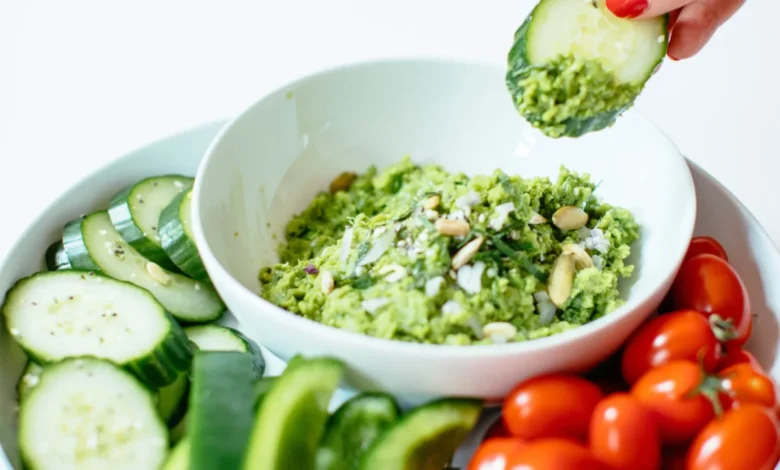
The culinary landscape is currently experiencing a significant shift towards healthier, plant-based, and seasonally inspired dishes, a trend exemplified by the increasing popularity of the Minty Spring Pea Dip. This vibrant green creation offers a refreshing departure from traditional hummus, presenting itself as a quick, simple, and light alternative perfectly suited for spring consumption. Its emergence reflects a broader consumer appetite for nutritious, versatile, and easily prepared food options that align with modern dietary principles and sustainable eating practices.
The genesis of this particular dip is rooted in both practical necessity and culinary innovation. As spring brings forth an abundance of fresh produce, including sweet peas and aromatic mint, home cooks and professional kitchens alike are often inspired to utilize these seasonal bounties. The specific development of the Minty Spring Pea Dip is attributed to situations where an excess of freshly harvested mint, coupled with a desire to diversify beyond the familiar chickpea-based hummus, led to experimentation. This philosophy—leveraging seasonal gluts and garden harvests—not only minimizes food waste but also encourages a deeper connection to food sources and the natural rhythm of agricultural cycles. The convenience of having readily available, fresh ingredients like mint and spring peas often sparks creativity, leading to the development of unique recipes that are both flavorful and nutritionally dense.
The Nutritional Powerhouse: Deconstructing Peas and Mint
At the core of the Minty Spring Pea Dip’s appeal are its primary ingredients: peas and mint, both lauded for their distinct nutritional profiles and health benefits. Understanding these components is crucial to appreciating the dip’s value as a dietary staple.
Peas: A Testament to Plant-Based Protein and Fiber
Often underestimated, green peas are a remarkable vegetable, particularly for their contribution to a balanced diet. A single cup of peas contains approximately 4 grams of dietary fiber. This figure, while seemingly modest, represents about 8% of the average daily fiber recommendation (based on a 35g/day intake), making peas a valuable contributor to gut health and satiety. Dietary fiber is essential for maintaining digestive regularity, regulating blood sugar levels, and contributing to a healthy microbiome. The consumption of fiber-rich foods like peas is consistently linked to a reduced risk of chronic diseases, including cardiovascular disease and type 2 diabetes.
Beyond fiber, peas are a notable source of plant-based protein. With approximately 8 grams of protein per cup, they stand out among vegetables, rivaling the protein content of some legumes. This high protein content has not gone unnoticed by the food industry; in recent years, peas have become a cornerstone ingredient in the burgeoning market of plant-based protein powders, serving as a clean and sustainable alternative to animal-derived proteins. This makes the Minty Spring Pea Dip an excellent choice for individuals seeking to increase their protein intake, particularly those following vegetarian or vegan diets.
Furthermore, peas are packed with essential micronutrients. They are an excellent source of Vitamin K, crucial for blood clotting and bone health, and a good source of various B vitamins, including folate, thiamine, and riboflavin, which play vital roles in energy metabolism and nervous system function. Minerals such as manganese, phosphorus, and copper are also present, contributing to bone formation, cellular energy production, and antioxidant defense. The comprehensive nutritional profile of peas positions them as a foundational ingredient in healthy eating patterns.
Mint: More Than Just a Flavor Enhancer
Mint, particularly peppermint, transcends its role as a mere aromatic herb, offering a spectrum of health benefits that have been recognized in traditional medicine and increasingly supported by scientific research. Studies have consistently shown that peppermint can significantly alleviate a range of digestive issues. Its carminative properties help relax the muscles of the gastrointestinal tract, thereby reducing symptoms such as upset stomach, bloating, gas, and diarrhea. This makes the Minty Spring Pea Dip not just palatable but also potentially soothing for the digestive system.
Moreover, mint is rich in antioxidants and phytonutrients. These compounds are critical in combating oxidative stress, a process linked to cellular damage and the development of chronic diseases. Antioxidants work by neutralizing free radicals in the body, thereby reducing inflammation and supporting overall cellular health. The inclusion of fresh mint in the dip thus contributes to the body’s protective mechanisms, offering benefits beyond its refreshing taste. Its anti-inflammatory properties can also contribute to a reduction in systemic inflammation, a common underlying factor in many health conditions.
The Foundational Five System: A Blueprint for Balanced Snacking
The Minty Spring Pea Dip aligns seamlessly with modern nutritional frameworks designed to promote balanced eating. One such system, the Foundational Five Nourish Meal, emphasizes the inclusion of five key elements in every meal: non-starchy carbohydrates, starchy carbohydrates, healthy fat, protein, and the Flavor Factor. This holistic approach aims to nourish the physical body on a cellular level, fostering improved focus, calm digestion, sustained energy, restful sleep, and vibrant long-term health.
While the Foundational Five typically applies to full meals, its principles are adapted for snacks. For optimal satiety and blood sugar regulation, snacks are recommended to incorporate at least two of these elements, excluding the Flavor Factor. This strategic pairing prevents rapid blood sugar spikes, ensuring a more sustained release of energy and prolonged fullness until the next meal.
Applying the Foundational Five framework to the Minty Spring Pea Dip reveals its inherent nutritional strengths and guides how it can be paired for a complete snack:
- Non-starchy Carbohydrates: The peas themselves contribute significantly, especially when considering their high fiber content. When served with raw vegetable sticks like cucumber, bell peppers, or carrots, the non-starchy carbohydrate component is further enhanced.
- Starchy or Sugary Carbohydrates: While the dip itself is low in starchy carbohydrates, it can be perfectly complemented by whole-grain crackers, pita bread, or crispbreads to provide this essential element, offering sustained energy.
- Healthy Fat: The dip typically incorporates a healthy fat source, such as extra virgin olive oil, which is crucial for nutrient absorption and satiety. If additional healthy fats are desired, serving the dip with a side of avocado slices or a sprinkle of seeds (like pumpkin or sunflower seeds) can further enrich this component.
- Protein: As highlighted, peas are a significant source of plant-based protein, making the dip inherently rich in this macronutrient, vital for muscle repair and growth.
- Flavor Factor: Mint, lemon, and potentially garlic or other herbs and spices provide the crucial Flavor Factor, elevating the taste experience and contributing to mindful eating.
By integrating the Minty Spring Pea Dip with appropriate accompaniments, consumers can easily construct a snack that adheres to the Foundational Five principles, ensuring a well-rounded and energizing nutritional intake.
Fresh Versus Frozen: A Pragmatic Choice for Quality and Convenience
A practical consideration in preparing the Minty Spring Pea Dip is the choice between fresh and frozen peas. While fresh peas, especially those harvested at their peak in spring, may offer a slightly sweeter flavor and potentially a marginal edge in certain nutrient levels due to minimal processing, frozen peas present a highly convenient and affordable alternative without significant nutritional compromise. Modern freezing techniques, often involving "flash freezing" shortly after harvest, effectively lock in nutrients, making frozen vegetables nearly as nutritious as their fresh counterparts.
When purchasing frozen peas or any frozen produce, consumers are advised to select products that list only the whole food as the single ingredient. This avoids unnecessary additives, preservatives, or sodium, ensuring the highest quality and purity. The accessibility and extended shelf life of frozen peas make the Minty Spring Pea Dip a viable recipe year-round, not just during the brief spring season. Other essential ingredients for the dip, such as fresh mint, lemon, and olive oil, are typically readily available in most kitchens, further simplifying its preparation.
Culinary Versatility: Beyond the Traditional Dip
The Minty Spring Pea Dip distinguishes itself through its remarkable versatility, extending its utility far beyond a simple appetizer. Its creamy texture and bright, herbaceous flavor profile make it suitable for a multitude of culinary applications, catering to various meal occasions and dietary preferences.
- Snack and Appetizer: Its most straightforward application is as a healthy snack, served chilled with an assortment of raw vegetables (carrots, celery, bell peppers) or gluten-free crackers. It also serves as an excellent starter for gatherings, offering a lighter, more vibrant option than heavier dips.
- Side Dish: When served slightly warmed, the dip can transform into a sophisticated side dish for dinner or lunch, complementing grilled proteins or grain bowls.
- Sandwich and Wrap Spread: Its smooth consistency makes it an ideal spread for sandwiches, wraps, or even toasts, imparting a fresh, lemony, and minty flavor that elevates simple ingredients. It can replace mayonnaise or other heavier spreads, adding a nutrient boost.
- Pasta and Grain Sauce: One of its most innovative uses involves incorporating it into pasta or grain dishes. By adding a few dollops of the dip to cooked pasta, quinoa, or couscous, along with a drizzle of extra virgin olive oil, it seamlessly transforms into a light yet flavorful sauce. This method provides a quick and nutritious way to enhance weeknight meals, coating the grains or pasta with its creamy, herbaceous goodness.
This adaptability underscores the dip’s potential to become a staple in health-conscious kitchens, providing an easy way to incorporate more vegetables and plant-based protein into daily meals.
Broader Implications: Health, Sustainability, and the Food Industry
The rising popularity of recipes like the Minty Spring Pea Dip carries significant implications for public health, sustainable eating practices, and the food industry.
From a public health perspective, the promotion of such recipes encourages greater consumption of vegetables and legumes, which are critical components of a balanced diet. By offering delicious and accessible ways to incorporate nutrient-dense foods, it contributes to addressing dietary deficiencies and promoting healthier eating habits across populations. The focus on whole, unprocessed ingredients aligns with global health recommendations to reduce reliance on ultra-processed foods.
In terms of sustainability, the emphasis on seasonal ingredients like spring peas supports local agriculture and reduces the carbon footprint associated with long-distance transportation of produce. Encouraging home gardening, as was the impetus for this recipe, further strengthens this connection to sustainable food systems and can reduce food waste by utilizing garden surpluses. The plant-based nature of the dip also contributes to environmental sustainability, as plant-based diets generally require fewer resources (land, water) compared to diets rich in animal products.
For the food industry, the success of innovative plant-based dips signals a clear market demand for similar products. This encourages food manufacturers and retailers to invest in developing and stocking more diverse, healthy, and convenient plant-based options. It highlights a shift away from heavily processed, artificial ingredients towards clean-label products that emphasize natural flavors and nutritional benefits. Chefs and restaurateurs are also likely to incorporate such dishes into their menus, reflecting evolving consumer preferences.
Expert Commentary
"The Minty Spring Pea Dip exemplifies the best of modern nutrition and culinary trends," states Dr. Evelyn Reed, a renowned nutritionist specializing in plant-based diets. "It brilliantly marries the robust nutritional profile of peas with the digestive benefits of mint, creating a dish that is not only incredibly flavorful but also highly functional. Recipes like this are crucial in helping individuals transition towards more plant-forward eating patterns, providing satisfying alternatives that don’t compromise on taste or texture. The emphasis on seasonal ingredients and mindful eating, as reflected in the Foundational Five system, truly empowers consumers to make informed and healthy choices."
In conclusion, the Minty Spring Pea Dip is more than just a recipe; it is a manifestation of contemporary dietary preferences and an indicator of evolving culinary trends. Its ease of preparation, comprehensive nutritional benefits, and remarkable versatility position it as a significant addition to the repertoire of healthy, plant-based options. As consumers increasingly seek out fresh, wholesome, and sustainable food choices, this vibrant dip stands ready to fulfill that demand, offering a delicious and nutritious way to celebrate the bounty of spring and beyond.