Unveiling the Ancient Wisdom of Camel Pose: Anatomy, History, and Modern Practice in Yoga

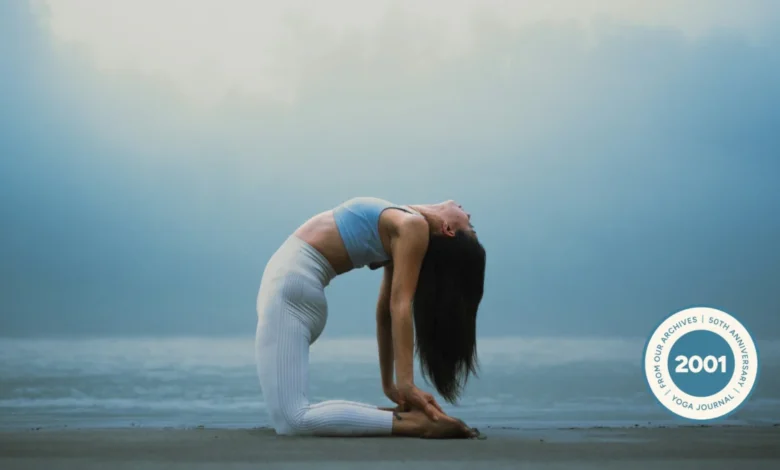
The origin of yoga asana nomenclature has long fascinated practitioners, particularly when poses are named after animals. While some titles offer literal representations of physical shapes, others suggest metaphorical qualities or historical narratives. Among the most intriguing in the Hatha yoga canon is Camel Pose, known formally in Sanskrit as Ustrasana. Originating from ancient traditions and documented extensively in modern instructional archives dating back to the late 20th century, this intermediate-to-advanced backbend challenges practitioners far beyond its physical configuration. When examined through the lenses of comparative anatomy, historical symbolism, and biomechanical execution, Ustrasana serves as a profound metaphor for navigating vulnerability, confronting fear, and cultivating internal orientation in an externalized world.
Main Facts and Etymological Origins
At first glance, the correlation between a biological camel and the physical geometry of Ustrasana appears tenuous at best. Anatomically, the camel is a composite of disparate biological features. Its defining characteristic—the hump—is frequently mistaken for a structural spinal modification, whereas it is actually an adipose tissue reservoir designed to store metabolic energy for arduous desert crossings. Furthermore, cultural folklore across centuries of Asian and African civilization has often characterized the camel as obstinate, temperamental, and possessing limited cognitive compliance.
Ancient yogis certainly did not design Ustrasana to emulate the temperament of a stubborn beast of burden, nor did they intend to mimic the aesthetic of a spinal hump. Instead, the designation relates to the camel’s ecological role and its exceptional capacity for survival in one of the planet’s most punishing environments. Deserts present an inhospitable landscape defined by shifting dunes, blinding glare, and a total lack of fixed geographic markers. Similarly, the psychological and physical landscape of a deep backbend often feels alien, disorienting, and hostile to the uninitiated practitioner.
Chronology and Historical Evolution of Yoga Archives
The systematic documentation and preservation of asana techniques have evolved significantly over the past half-century. Beginning in the mid-1970s, modern publication archives—most notably preserved through historical wellness journals and instructional compendiums—began dissecting traditional postures to make them accessible to Western practitioners without diluting their classical integrity.
- 1975: Early Western yoga publications begin standardizing Sanskrit asana translations, creating foundational instructional frameworks for postures like Ustrasana.
- 2001: Comprehensive archive analyses shed light on the symbolic and psychological dimensions of animal-named asanas, emphasizing internal perception over external performance.
- Present Day: Modern biomechanical research integrates ancient sequencing with contemporary physical therapy, refining safety protocols for vulnerable areas such as the lumbar spine and cervical vertebrae.
Throughout this historical trajectory, the pedagogical approach to Ustrasana has shifted from rigid alignment demands to mindful, breath-led exploration. Archivists and senior instructors have continually emphasized that mastering Camel Pose is not merely an end in itself, but a vital developmental stepping stone toward more complex spinal extensions, such as Wheel Pose (Urdhva Dhanurasana).
Supporting Data and Biomechanical Analysis
Executing Ustrasana requires a delicate balance of muscular engagement and deliberate release. From a physiological standpoint, backbends force the human body to operate outside its habitual movement patterns. Human beings function primarily in a forward-facing, right-side-up paradigm, relying heavily on visual cues to maintain spatial orientation and psychological security.
When entering Camel Pose, the head drops backward, placing the field of vision behind the body. This sensory shift frequently triggers an autonomic stress response. Clinical observations of practitioners attempting backbends reveal several common physiological pitfalls:
- Respiratory Suppression: Beginners frequently shorten, hold, or shallow their breath due to the subconscious fear induced by the loss of visual orientation.
- Muscular Guarding: Over-contraction of the gluteus muscles and the rectus abdominis frequently occurs as a protective mechanism against perceived vulnerability in the lumbar region.
- Cervical Compression: Weakness in the upper trapezius can lead to excessive gripping in the shoulders, compromising the delicate cervical vertebrae as the head releases backward.
Data collected from somatic movement studies indicate that when practitioners rely on excessive muscular force rather than breath-led release, internal pressure in the lumbar spine increases disproportionately. Conversely, allowing the frontal body to soften while maintaining an upward lift through the thoracic spine distributes the extension evenly across the entire vertebral column.
Methodological Approaches: Dropping In Versus Lifting Up
To mitigate the physiological risks associated with extreme spinal extension, pedagogical frameworks have established two primary methodologies for entering Ustrasana safely. Each method offers distinct advantages depending on individual anatomical needs and baseline flexibility.
Dropping In from an Upright Kneeling Position
Recommended primarily for individuals with sensitive lower backs or vulnerable knees, this technique utilizes gravity to counteract the beginner’s impulse toward overexertion.
- Setup: The practitioner kneels with the torso upright, thighs perpendicular to the floor, and legs spaced hip-width apart. The tops of the feet rest flat on the mat.
- Support: For those with a compromised lumbar region, hands are placed initially on the buttocks to provide immediate structural reinforcement.
- Execution: While inhaling, the breath is directed into the posterior ribs rather than the chest. Exhalations are utilized to drop the weight of the visceral organs downward while the spine lengthens upward. The head slowly releases backward while maintaining softness in the throat and broadness across the shoulder blades. Eventually, the hands reach the heels, establishing a closed energetic circuit between the upper and lower body.
Lifting Up from a Seated Position
This alternative approach is often more accessible for individuals experiencing chronic neck weakness, though it places increased mechanical stress on the lower extremities and knee joints.
- Setup: The practitioner begins by sitting between the heels—utilizing a yoga block if necessary—with the palms resting on the heels and fingers pointing posteriorly.
- Execution: The practitioner slowly leans backward, straightening the arms, transferring weight onto the hands, and lifting the hips upward.
- Alignment: By pressing the ilia (tops of the hip bones) downward toward the knees, the spine receives an upward vector of lift. Care must be taken to keep the abdomen soft and the chest descending, preventing the compression of lumbar vertebrae.
Expert Statements and Pedagogical Implications
Senior yoga educators and somatic therapists have long emphasized that the true utility of Ustrasana extends far beyond physical flexibility. According to historical instructional commentary, the psychological implications of the pose are equally transformative.
"When we systematically alter our physical orientation to the world, we disrupt habitual patterns of anxiety and protective posturing," notes somatic movement literature from foundational yoga archives. "Just as the desert camel relies on an internal compass rather than external signposts to navigate barren terrain, the practitioner must learn to cultivate internal proprioception and intuitive awareness."
By relinquishing the compulsive need for visual control, practitioners confront the intrinsic vulnerability of exposing the chest, throat, and abdomen—areas of the body naturally guarded during moments of perceived threat. Master instructors consistently stress that forcing the body into the final shape of the pose defeats its therapeutic purpose. True progress in Ustrasana is measured not by how deeply one can bend backward, but by the steadiness of the breath and the equanimity maintained amidst physical unfamiliarity.
Broader Impact and Therapeutic Implications
In the context of modern sedentary lifestyles—dominated by rounded shoulders, forward head carriage, and prolonged sitting—poses like Ustrasana offer profound corrective utility. Counteracting the chronic postural flexion induced by desk work and digital device usage requires targeted extension of the thoracic spine, opening of the anterior shoulder girdle, and stretching of the hip flexors.
Furthermore, the integration of classical postures through modern archival analysis ensures that contemporary practitioners retain access to the philosophical depth of yoga. Ustrasana bridges the gap between physical conditioning and internal mindfulness. By transforming an intimidating, counter-intuitive backbend into a systematic study of breath, gravity, and surrender, practitioners build somatic resilience. Ultimately, Camel Pose serves as a timeless physical allegory: an invitation to step boldly into the unknown, reframe our perspective, and discover unwavering internal stability amidst external uncertainty.
Related posts: