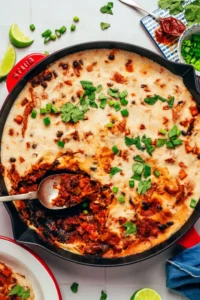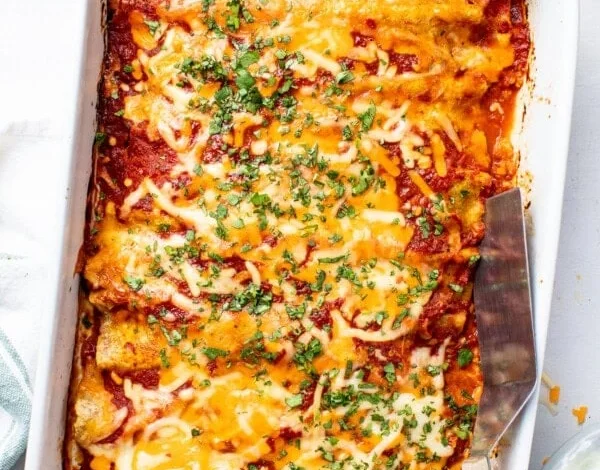
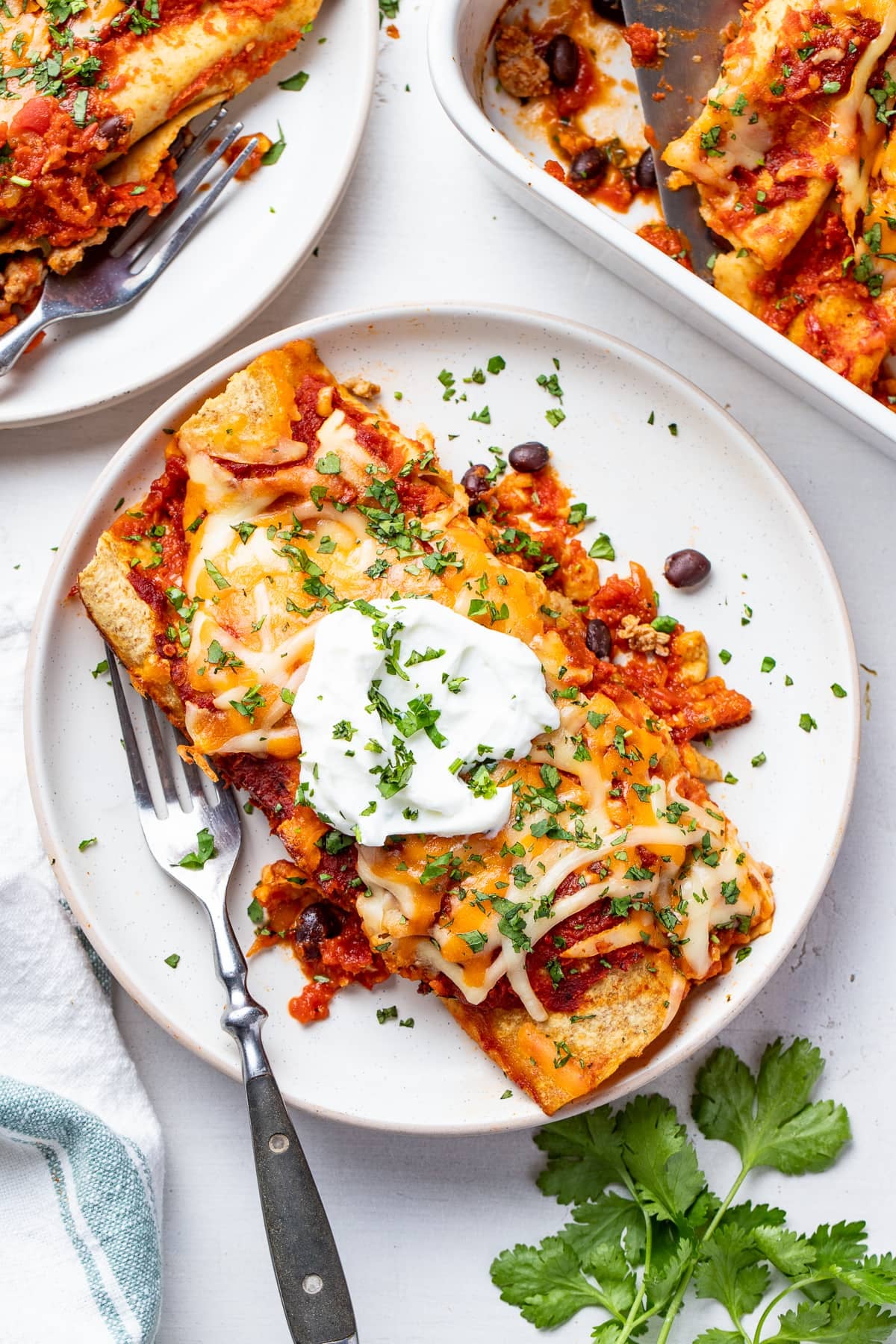
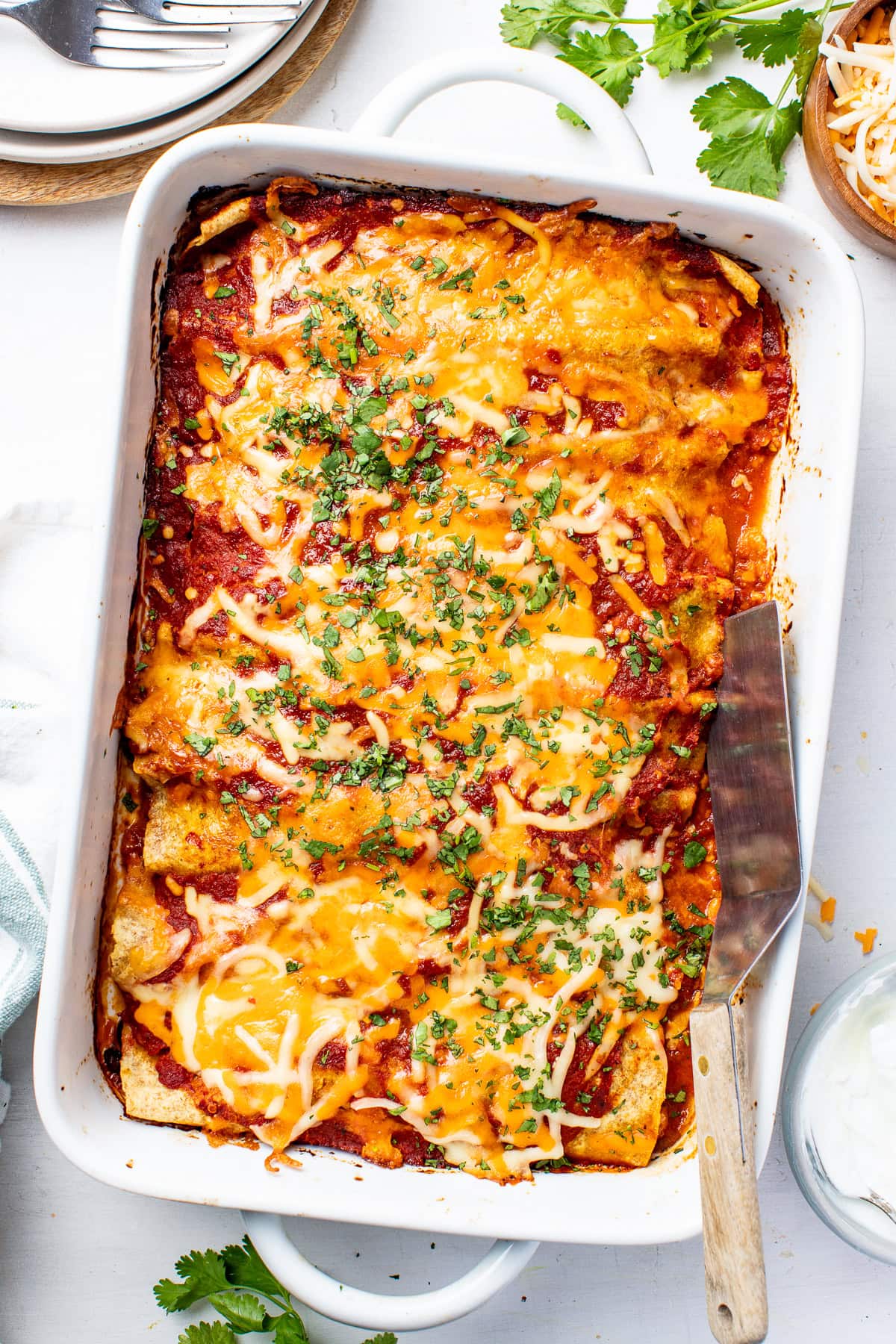
Culinary developments in home economics and dietary planning continue to emphasize the integration of high-fiber, nutrient-dense meals that do not sacrifice traditional flavor profiles. Among recent contributions to accessible family cooking, the Turkey and Black Bean Enchiladas recipe—a staple popularized by culinary creator Gina Homolka of Skinnytaste—has gained renewed attention for addressing contemporary nutritional demands. Combining lean protein from ground turkey with the substantial dietary fiber of black beans, the dish delivers approximately 15 grams of fiber per serving, aligning with dietary recommendations set forth by public health agencies regarding daily fiber intake.
Background Context and Nutritional Evolution
The culinary adaptation of traditional Mexican enchiladas into lighter, macro-balanced home recipes reflects a broader trend in American domestic cooking over the past two decades. Traditional restaurant-style enchiladas frequently utilize high-fat dairy, lard-based sauces, and heavily fried tortillas, which can elevate caloric and sodium content significantly.
In response to consumer demand for healthier alternatives that maintain comforting textures and robust spices, home-cooking platforms have systematically reworked these classics. Since its inception in the early 2010s, the turkey and black bean variation has served as a reliable blueprint for utilizing standard weekly groceries—specifically a single pound of ground turkey and canned legumes—to produce an economically efficient, high-yield meal. Public health advocates and nutritionists have long promoted legumes such as black beans for their cardiovascular benefits, stabilized glycemic impact, and cost-effectiveness as a plant-based protein and fiber source.
Chronology of Preparation and Culinary Methodology

The preparation of the Turkey and Black Bean Enchiladas follows a structured culinary timeline designed to maximize efficiency for weeknight meal planning.
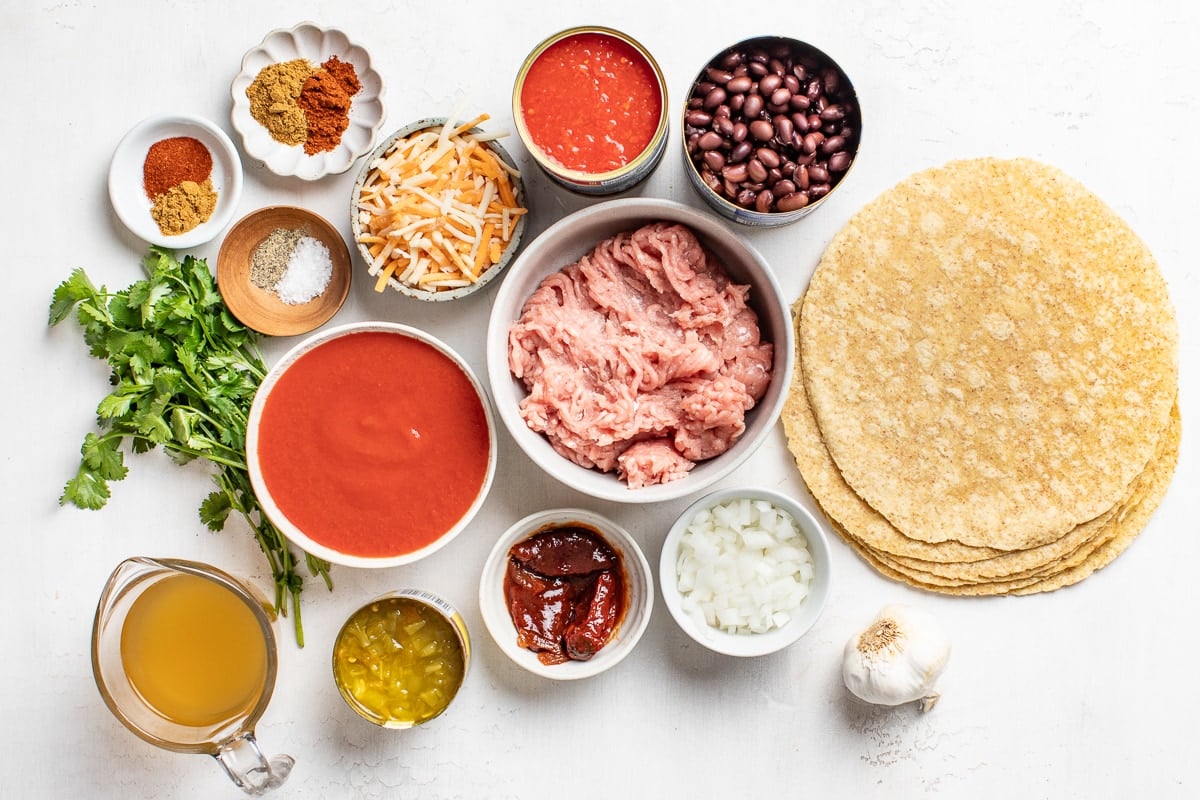
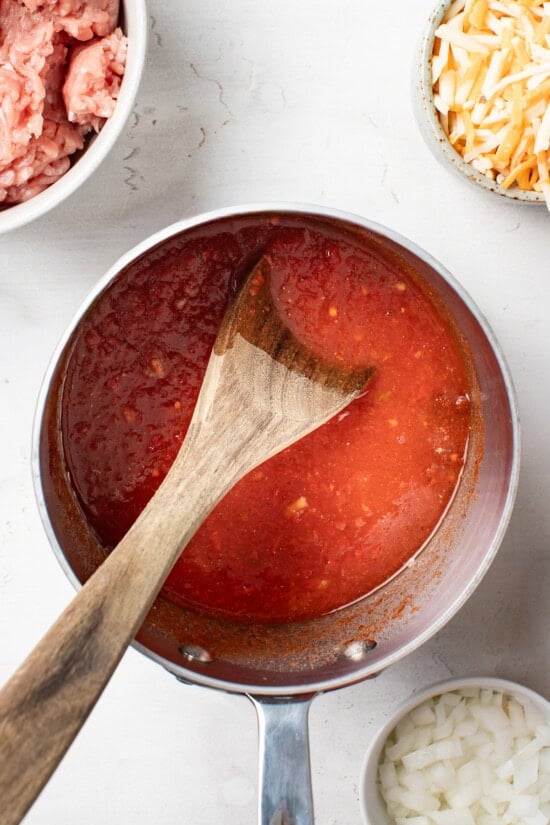
The process typically begins with the creation of the homemade enchilada sauce, a departure from commercial canned varieties that often contain high levels of sodium and preservatives. Utilizing a base of tomato paste, vegetable or chicken broth, chili powder, cumin, garlic, and thickening agents, the sauce simmers to develop depth before being applied to the assembly.

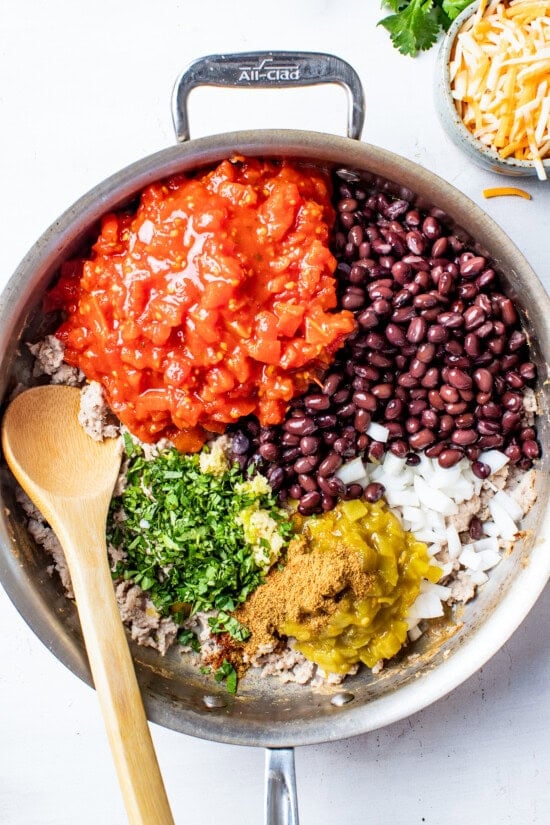
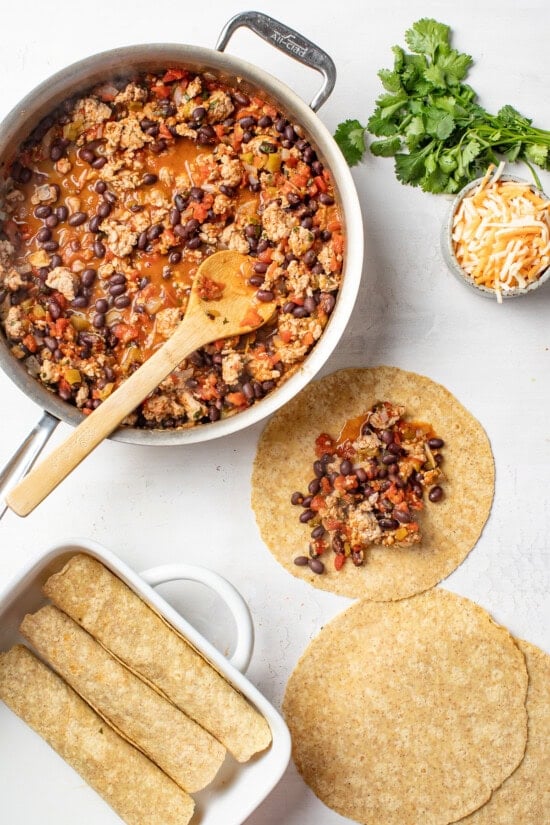
Concurrently, the filling is prepared by sautéing lean ground turkey with aromatics such as onions and garlic, seasoned with a blend of Mexican spices, and combined with rinsed black beans. The integration of ingredients like chipotle peppers in adobo adds smoky complexity without adding excessive fats.
Once the components are prepared—a phase requiring approximately 15 minutes of active prep time—the assembly commences. Tortillas are lightly filled with the turkey and bean mixture, rolled securely, and placed side-by-side in a baking dish. The homemade sauce is poured evenly over the rolled tortillas, followed by a controlled layer of melted cheese. The entire dish is then baked for roughly one hour, allowing the flavors to meld and the exterior to achieve a bubbly, golden consistency.
Expert Insights and Culinary Analysis
Food scientists and culinary experts note that dishes combining poultry and legumes present unique structural challenges during baking, primarily moisture management. Lean ground turkey contains significantly less fat than ground beef or pork, making it prone to dryness if overcooked. The inclusion of black beans and a moisture-rich enchilada sauce acts as a culinary countermeasure, retaining hydration within the filling while the tortillas bake.
Furthermore, culinary analysts point out that the dish exemplifies the economic principle of stretching high-value proteins. By bulking up a single pound of lean meat with fiber-rich beans, home cooks can yield up to eight substantial servings. This approach minimizes food waste and maximizes budgetary efficiency—a critical factor for households navigating food price fluctuations.
Broader Impact and Dietary Implications
The enduring popularity of high-fiber Mexican-inspired casseroles underscores a shift in how modern consumers evaluate comfort food. Rather than viewing indulgence and nutrition as mutually exclusive, contemporary home cooking increasingly seeks to bridge the gap through strategic ingredient substitution.
From a physiological perspective, meals yielding 15 grams of dietary fiber per single-portion serving contribute significantly toward the recommended daily intake of 25 to 30 grams for adults. Adequate fiber consumption is consistently linked by medical researchers to improved gastrointestinal motility, enhanced satiety, and better management of blood lipid levels.
As meal-prepping and batch-cooking remain dominant trends in household management, recipes that maintain their structural integrity after refrigeration and freezing—such as these enchiladas—offer practical solutions for busy professionals and families alike. By balancing nutritional science with traditional flavor profiles, dishes of this nature illustrate the ongoing evolution of home-cooked cuisine toward health-conscious sustainability.