The Resurgence of Therapeutic Baths: Exploring the Science and Practice of Detoxification Soaks in Modern Wellness

In an era increasingly focused on holistic health and natural remedies, the ancient practice of therapeutic bathing is experiencing a significant resurgence, particularly in the form of "detox baths." These specialized soaks, leveraging common household ingredients like Epsom salts, bentonite clay, apple cider vinegar, and ginger, are gaining traction among individuals seeking accessible and inexpensive ways to support their body’s natural detoxification processes and address various health and skin concerns. While the scientific community maintains a nuanced perspective on the efficacy of "detoxification" in a generalized sense, proponents highlight the established benefits of the individual components used in these baths, ranging from mineral absorption to skin pH balance and circulation stimulation.
The Evolving Understanding of Detoxification in Wellness
The concept of "detoxification" has long been a cornerstone of alternative health practices, but its interpretation has evolved. Originally, it often implied rigorous protocols aimed at purging the body of accumulated toxins. Modern wellness perspectives, however, tend to view detoxification as an innate biological function, continuously performed by the body’s sophisticated network of organs—primarily the liver, kidneys, skin, lungs, and lymphatic system. These organs tirelessly work to filter waste products, neutralize harmful substances, and eliminate them from the body.
However, advocates of targeted detox support argue that the demands of modern living—characterized by environmental pollutants, processed foods, chronic stress, and sedentary lifestyles—can sometimes overwhelm these natural systems. Consequently, practices like detox baths are proposed as a gentle, supportive measure to aid the body’s inherent capacity for self-cleansing. This shift in understanding positions detox baths not as a radical purge, but as a complementary wellness tool designed to enhance physiological functions and promote relaxation.
A Historical Perspective on Therapeutic Bathing
The therapeutic use of baths is by no means a contemporary invention. Throughout history, cultures across the globe have recognized the healing power of water combined with natural elements. Ancient Romans famously incorporated communal baths into their daily lives, valuing them not only for hygiene but also for their social, relaxing, and medicinal properties. Traditional Chinese Medicine and Ayurvedic practices have long utilized herbal and mineral soaks to treat ailments, stimulate circulation, and restore balance within the body. Similarly, natural hot springs, rich in various minerals, have been sought out for centuries for their purported health benefits.
The modern "detox bath" can be seen as a continuation of this rich tradition, adapted for home use and tailored to contemporary wellness trends. The emphasis on specific ingredients like Epsom salts and bentonite clay reflects a fusion of traditional knowledge with a growing understanding of biochemical interactions.
Key Ingredients and Their Proposed Mechanisms
The effectiveness of detox baths is often attributed to the specific properties of their core ingredients. Each component is believed to contribute uniquely to the bath’s overall therapeutic effect:
-
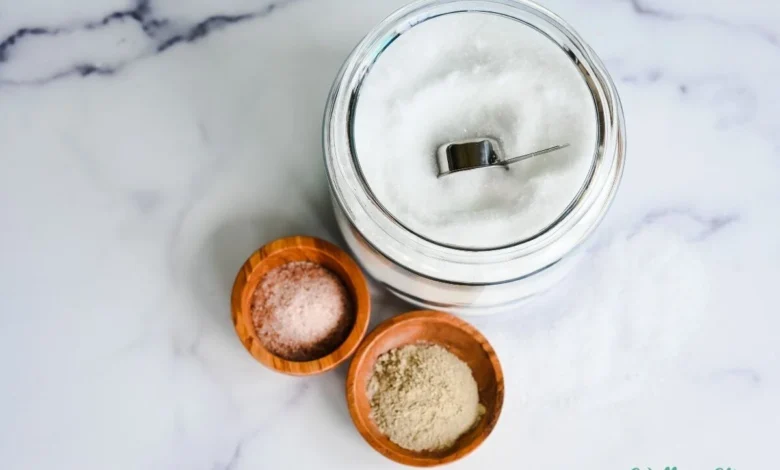
Epsom Salts (Magnesium Sulfate): Perhaps the most common ingredient, Epsom salts are renowned for their high magnesium content. Magnesium is an essential mineral involved in over 300 biochemical reactions in the body, including muscle and nerve function, blood glucose control, blood pressure regulation, and bone health. Proponents suggest that soaking in an Epsom salt bath allows for transdermal absorption of magnesium, which can help replenish depleted levels. Studies, while not conclusive across all populations, indicate that magnesium can indeed be absorbed through the skin, potentially leading to muscle relaxation, reduction in inflammation, and relief from stress. The sulfate component is also believed to aid in detoxification pathways and protein formation. A typical Epsom salt bath might involve 1-2 cups of salts dissolved in warm water, often combined with essential oils for added aromatic benefits.
-
Bentonite Clay: This natural, absorbent clay, formed from volcanic ash, is a staple in many detox protocols. Its unique molecular structure carries a strong negative charge, enabling it to attract and bind to positively charged toxins, heavy metals, and impurities. When used in a bath, bentonite clay is believed to draw these substances from the skin, a major excretory organ. Beyond detoxification, bentonite clay is also known for its skin-soothing properties, making it beneficial for various dermatological conditions. Due to its absorbent nature, it is crucial to use a drain filter when using bentonite clay in a bath to prevent potential pipe clogs. Recipes often suggest dissolving 1/2 to 1 cup of clay, either directly into the bath or pre-mixed with water to avoid clumping, alongside Epsom salts.
-
Apple Cider Vinegar (ACV): Celebrated for its versatility, apple cider vinegar is often incorporated into detox baths for its skin-balancing and antimicrobial properties. Its acetic acid content helps to restore the skin’s natural pH, which can be disrupted by soaps, environmental factors, and certain skin conditions. This rebalancing effect is particularly beneficial for soothing irritated skin, alleviating symptoms of eczema, sunburn, and dry, itchy skin. Anecdotal evidence also suggests that ACV baths can leave the skin feeling softer and hair shinier. Despite its distinctive aroma, the smell typically dissipates after rinsing or once the skin dries. A common recommendation is to add 1-2 cups of raw, unfiltered apple cider vinegar to bathwater.
-
Ginger: Known for its warming and stimulating properties, fresh ginger or ginger powder is often added to baths, particularly during periods of illness or congestion. Ginger is a diaphoretic, meaning it promotes sweating, which is a natural mechanism for the body to release toxins and regulate temperature. This increased circulation can help alleviate body aches, clear congestion, and support the immune system. For a ginger bath, either 1/2 cup of ground ginger powder can be added directly to the bath, or a strong tea made from sliced fresh ginger can be steeped and then added to the water.
-
Mustard Powder: While less conventional than other ingredients, organic mustard powder has a long history of use in traditional remedies for colds, flu, and sore muscles. Its active compounds, like allyl isothiocyanate, stimulate circulation and induce a warming sensation, similar to ginger. This increased blood flow to the skin and muscles can help ease tension and promote the elimination of metabolic waste products. It is important to distinguish this from prepared yellow mustard, which contains additives. Recipes typically call for organic mustard powder, often in combination with Epsom salts and specific essential oils to enhance its effects and create a more aromatic experience.
Preparation and Application: A Guide to Detox Bath Rituals
Integrating detox baths into a wellness routine is often recommended as an evening practice, given that the detoxification process can sometimes induce fatigue. This timing allows the body to rest and recover post-soak, aligning with natural sleep cycles. While a full bath offers comprehensive immersion, foot baths can also provide some benefits for those with limited time or access to a bathtub.
Here are common approaches for various detox bath formulations:
-
Basic Epsom Salt Bath: Dissolve 1-2 cups of Epsom salts in warm to hot bathwater. Optionally, add 5-10 drops of a calming essential oil like lavender or frankincense for enhanced relaxation and aromatherapy benefits. Soak for 20-30 minutes.
-
Clay Detox Bath: Begin by dissolving 1-2 cups of Epsom salts in warm bathwater. For the bentonite clay (1/2 to 1 cup), mix it separately with a small amount of water to form a smooth paste before adding it to the bath, or sprinkle it slowly into the circulating water to prevent clumping. Essential oils can be added at this stage. Crucially, ensure a drain filter is in place to catch clay particles and prevent pipe blockages. Soak for 20-30 minutes.
-
Oxygen (Ginger) Detox Bath: Add 1/2 cup of organic ground ginger powder directly to a warm bath. Alternatively, steep 3-4 tablespoons of grated fresh ginger in a quart of hot water for 15 minutes, strain, and then add the ginger tea to the bath. This bath is particularly noted for inducing perspiration and relieving congestion. Soak for 15-20 minutes, monitoring for excessive heat or discomfort.
-
Vinegar Detox Bath: Add 1-2 cups of raw, unfiltered apple cider vinegar to warm bathwater. No additional ingredients are strictly necessary, though essential oils can be added. This bath is especially beneficial for skin pH balance and soothing irritations. After the bath, some prefer a cool shower rinse to remove any residual vinegar smell, while others allow the skin to air dry to maximize the vinegar’s contact. Soak for 20-30 minutes.
-
Mustard Detox Bath: This bath typically combines 1/4 to 1/2 cup of organic mustard powder with 1-2 cups of Epsom salts. Essential oils like eucalyptus, peppermint, or rosemary are often included to amplify circulation and aromatic effects. Mix the mustard powder and Epsom salts, then dissolve in warm bathwater. Soak for 15-20 minutes.
Important Considerations and Medical Perspectives
While detox baths are generally considered safe for most healthy individuals, certain precautions and medical advisories are essential. The original article highlights the importance of consulting a healthcare professional before engaging in these practices, particularly for individuals with pre-existing health conditions, those who are pregnant or nursing, or when considering use for children. Conditions such as heart disease, high blood pressure, diabetes, or kidney issues warrant professional medical advice, as the hot water and specific ingredients could potentially impact these conditions.
Healthcare professionals emphasize that the body possesses its own highly efficient detoxification systems, and there is limited scientific evidence from large-scale clinical trials specifically validating the comprehensive "detoxification" claims of these baths. However, they often acknowledge the known benefits of individual components, such as the muscle-relaxing effects of magnesium from Epsom salts or the skin-balancing properties of apple cider vinegar. The primary benefits often cited by medical experts lean towards relaxation, stress reduction, improved circulation, and localized skin soothing, rather than systemic toxin removal.
Furthermore, responsible sourcing of ingredients is crucial. Opting for high-quality, organic mustard powder, therapeutic-grade essential oils, and reputable brands of Epsom salts and bentonite clay can enhance the safety and potential efficacy of the baths. For children, essential oil selection should be particularly cautious, with diluted concentrations and oils known to be safe for pediatric use. Adequate hydration before, during, and after a detox bath is also vital, as the warm water and diaphoretic ingredients can lead to fluid loss.
Broader Impact and Implications for Wellness
The growing popularity of detox baths reflects several broader trends within the wellness industry:
- Accessibility and Affordability: Compared to many high-cost spa treatments or specialized detoxification programs, home-based detox baths offer an incredibly accessible and affordable option for self-care and wellness support. The ingredients are readily available in most grocery stores or online.
- Empowerment through Self-Care: These practices empower individuals to take an active role in their health journey, fostering a sense of control and self-efficacy in managing their well-being.
- Integration with Holistic Lifestyles: Detox baths fit seamlessly into a holistic approach to health, complementing other natural practices such as mindful eating, regular exercise, and stress management. They are often viewed as a simple yet effective tool within a broader wellness toolkit.
- Focus on Natural Ingredients: The preference for natural, often food-grade ingredients aligns with a consumer movement away from synthetic chemicals and towards more "clean" and naturally derived products in personal care.
In conclusion, detox baths, rooted in ancient traditions and revitalized by modern wellness trends, offer an appealing and accessible avenue for self-care. While the scientific discourse around "detoxification" continues to evolve, the individual components of these baths offer established benefits for relaxation, skin health, and physiological support. As with any health practice, a mindful approach, informed ingredient selection, and consultation with healthcare professionals remain paramount to safely and effectively integrate these therapeutic soaks into a personal wellness regimen. The allure of a warm bath, enriched with natural elements to soothe the body and calm the mind, continues to be a potent force in the quest for holistic well-being.
Related posts: