The Neuroscience of Revenge: Understanding the World’s Deadliest Addiction and the Healing Power of Forgiveness

New research from the Yale School of Medicine is fundamentally reshaping our understanding of human aggression and healing, positing that revenge is not merely a primal urge but a neurobiological addiction with profound implications for individual well-being and global conflict. Spearheaded by James Kimmel Jr., a lawyer, lecturer in psychiatry, and co-founder of the Yale Collaborative for Motive Control Studies, this groundbreaking work reveals how the brain’s reward systems can become compulsively tethered to retaliation, and how forgiveness emerges as a powerful, self-manufactured antidote.
A Personal Odyssey into the Heart of Vengeance
James Kimmel Jr.’s journey into the intricate neuroscience of revenge and forgiveness is deeply rooted in a harrowing personal experience. Growing up on a farm in Central Pennsylvania, Kimmel endured years of escalating bullying. What began as verbal harassment progressively intensified into physical assaults, including pushing, shoving, kicking, and punching, coupled with relentless psychological abuse and humiliation from neighboring farm kids. This sustained torment, often at the hands of those living in close proximity, created a deep sense of vulnerability and anger that simmered for years.
The escalating nature of this harassment culminated in a night of terror when, at the age of 16 or 17, his family was awakened by the startling sound of a gunshot. Peering out, Kimmel observed a pickup truck, known to be driven by one of his tormentors, speeding away from their property. The following morning, a tragic discovery awaited him: his beloved beagle hunting dog, Paula, lay dead in her pen, a bullet wound to her head. Despite reporting the incident to local police, law enforcement officials deemed the case unpursuable, citing a lack of concrete evidence or witnesses. This official inaction left Kimmel and his family with a profound sense of injustice, helplessness, and an unaddressed grievance that festered.
Weeks later, the tormentors returned, escalating their aggression by detonating his family’s mailbox with an explosion. For Kimmel, this act was not merely an attack on property but a symbolic "detonation" of "what was left of my self-control." Consumed by a blinding rage and an overwhelming desire for retribution, he retrieved his father’s loaded handgun from a nightstand, jumped into his mother’s car, and pursued the culprits. He eventually cornered their truck against a barn on their farm, pinning them. As the individuals slowly emerged from their vehicle, unarmed and seemingly unaware of his weapon, Kimmel found himself in what he perceived as the "perfect setup to get the perfect payback" he had fantasized about for years.
Yet, in that critical, adrenaline-fueled moment, a "flash of inspiration" pierced through his rage. He envisioned two potential, starkly different futures: one, where he committed violence, leading to incarceration, the destruction of his identity, and the end of any meaningful future; and the other, where he pulled back, preserving his life and future opportunities. This stark cost-benefit analysis, however fleeting, was enough to halt his actions, compelling him to return home without firing a shot. This near-fatal encounter became the genesis of his lifelong quest to understand the compelling nature of revenge and the transformative power of forgiveness, recognizing that his own impulse for vengeance was a force he barely controlled.
The Legal System: A Framework for "Legalized Revenge"
Following his traumatic teenage years, Kimmel initially sought a "discounted" form of revenge by entering the legal profession, becoming a litigator. He critically describes this path as participating in the "professional revenge business," where "Justice" is often the brand name for "legalized revenge." In this capacity, lawyers, particularly litigators, engage in finding individuals with grievances and facilitating various forms of retaliation or pain infliction on opposing parties. While acknowledging that this legal framework is preferable to unchecked street violence, Kimmel argues it is fundamentally the same process, merely legalized and sanctioned by societal norms.
His experience as a lawyer illuminated a troubling pattern: he found himself experiencing "momentary bursts of pleasure" with every small victory that inflicted pain on the opposing side. His clients, living vicariously through these reports, also exhibited excitement and satisfaction, reveling in the discomfort of their adversaries. This dynamic began to seep into his personal life, transforming him from a "professional avenger" at work into someone who would seek grievances and retaliatory opportunities at home, using it as a form of "self-medication." This escalating need for retribution, coupled with the intense pleasure derived from it, led him to question if he was "hooked on something," eventually experiencing suicidal thoughts. This personal crisis propelled him to transition from the courtroom to the laboratory, seeking a deeper, scientific understanding of his experiences.
Kimmel’s insights into the legal system resonate with broader critiques of punitive justice models prevalent in many societies. In the United States, for instance, the emphasis on lengthy prison sentences and retribution over rehabilitation has long been a cornerstone of the legal framework. Data from organizations like the Bureau of Justice Statistics consistently show high incarceration rates, with the U.S. having one of the highest per capita imprisonment rates globally, often exceeding 2 million individuals. Yet, numerous studies, including those by the National Institute of Justice, indicate that the severity or length of a prison sentence often has limited impact on recidivism, suggesting that punitive measures alone do not effectively address underlying behavioral patterns. This observation lends weight to Kimmel’s provocative assertion that the system, in its current form, may inadvertently perpetuate a cycle of perceived revenge rather than fostering genuine healing or sustainable behavioral change. The growing movement towards restorative justice, which focuses on repairing harm, fostering dialogue, and engaging all parties in conflict resolution, stands in stark contrast to the traditional punitive approach Kimmel critiques, highlighting a significant societal debate about the true purpose and efficacy of legal retribution.
The Brain on Revenge: A Neurobiological Addiction
Kimmel’s subsequent work at the Yale School of Medicine, despite his non-neuroscience background, leveraged interdisciplinary collaboration within the Department of Psychiatry to explore the neurobiological underpinnings of revenge. His research coincided with the advent of advanced brain imaging technologies, such as fMRI (functional Magnetic Resonance Imaging) and PET (Positron Emission Tomography) scanners, which allowed neuroscientists to observe brain activity in real-time when individuals experienced grievances and opportunities for retaliation. The findings were startling: "your brain on revenge looks like your brain on drugs, and that’s not a metaphor."
These studies revealed that the "go circuitry" of addiction – brain regions like the nucleus accumbens and the dorsal striatum, which are central to motivation, craving, and pleasure – become highly activated when an individual contemplates or executes revenge. These areas are key components of the mesolimbic dopamine pathway, often referred to as the brain’s "reward pathway," which is implicated in the addictive properties of substances like cocaine and opioids, as well as behaviors like gambling. Simultaneously, the brain’s pain network, specifically the anterior insula, which processes the emotional pain of a grievance, appears to cue this desire for retaliation in the reward circuitry, creating a powerful link between perceived hurt and the urge for retribution. Crucially, the prefrontal cortex, the brain’s "stop circuitry" responsible for executive function, cost-benefit analysis, and self-control, appears to be significantly shut down during revenge-seeking behavior. This neurobiological configuration creates a powerful, almost compulsive drive for revenge, mirroring the patterns observed in substance addiction where inhibitory control is compromised.
The diagnostic criteria for addiction, as defined by medical professionals in addiction medicine, include the inability to resist an urge or desire despite knowing its negative consequences. Kimmel argues that revenge perfectly fits this definition. Individuals caught in the cycle of revenge often engage in retaliatory actions that cause self-harm or harm to others, yet struggle to disengage due to the intense, albeit momentary, pleasure and satisfaction derived from it. This compulsive nature is what led Kimmel to label revenge as "the world’s deadliest addiction." This perspective is further supported by criminological and behavioral science research, which consistently identifies revenge-seeking as a primary motivation across a spectrum of violence, from intimate partner and youth violence to gang conflicts, violent extremism, police brutality, and even genocide and warfare. The adage "hurt people hurt people" finds a profound neurobiological basis in this understanding, as the pain of a grievance activates the reward circuitry, compelling individuals to inflict similar pain on others. This reframes violent behavior not just as a moral failing, but as a potentially treatable neurobiological compulsion.
Forgiveness: The Neurobiological Detox
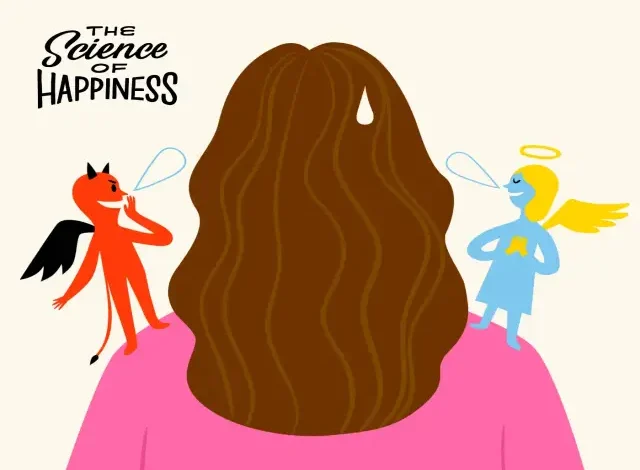
If revenge is a neurobiological addiction, then forgiveness, according to Kimmel’s research, acts as its neurobiological detox. Far from being a mere "soft spiritual practice," often misunderstood as a sign of weakness or an act of condoning wrongdoing, forgiveness has demonstrable physiological effects on the brain and body. Early studies using fMRI scanners, as discussed in "The Science of Happiness" podcast, show that when individuals are presented with a grievance and an opportunity to forgive instead of retaliate, specific and beneficial brain changes occur.
Firstly, forgiveness demonstrably "shuts down" the brain’s pain network, specifically the anterior insula. This means that the act of forgiving directly alleviates the emotional and, at times, even physical pain associated with the grievance, providing a powerful, internal mechanism for healing and relief. Secondly, forgiveness appears to deactivate the pleasure and reward circuitry (nucleus accumbens and dorsal striatum) that is activated during revenge-seeking. This interruption of the addictive cycle is crucial for breaking free from compulsive retaliation and the endless loop of seeking "payback." Thirdly, and perhaps most importantly, forgiveness reactivates the prefrontal cortex, enhancing decision-making, executive function, and self-control. This restoration of cognitive control allows individuals to weigh consequences more effectively, regulate their emotions, and make choices aligned with their long-term well-being, rather than succumbing to immediate retaliatory urges.
These three neurobiological benefits – pain cessation, addiction circuit deactivation, and enhanced self-control – lead Kimmel to describe forgiveness as a "human superpower" or a "wonder drug." It is a freely available, self-manufactured pharmaceutical, produced within one’s own brain, offering profound therapeutic advantages without external prescriptions or costs. Research beyond neuroscience further supports the multifaceted benefits of forgiveness, with studies published in journals like Psychological Science and Health Psychology linking it to reduced stress, lower blood pressure, improved cardiovascular health, stronger immune function, and greater overall psychological well-being. Forgiveness has been shown to reduce symptoms of depression, anxiety, and post-traumatic stress disorder (PTSD), offering a robust pathway to emotional resilience and improved mental health outcomes.
The "Non-Justice Theory": Forgiveness as Self-Healing
A significant barrier to the widespread adoption of forgiveness is the common misconception that it means condoning the wrongdoer’s actions, pardoning them, or being weak. Kimmel’s "non-justice theory" directly addresses these concerns by emphasizing that neurobiological or "decisional forgiveness" is primarily an internal act of self-healing, entirely independent of the perpetrator. It does not require confrontation, communication, or even informing the person who caused harm. The benefits are reaped solely by the forgiver, who disentangles their well-being from the actions of others.
Kimmel vividly illustrates the immediate impact of this internal shift through a simple exercise. He invites individuals to recall a personal grievance they might be carrying and then, without actually forgiving it, merely imagine what it would feel like to forgive. As demonstrated in his conversation with Dacher Keltner on "The Science of Happiness," even this imaginative act can induce a rapid sense of relief, a dissipation of tension, and a profound feeling of ease. From a neuroscience perspective, this imagination momentarily stops the pain in the anterior insula, halts revenge fantasies and rumination, and reactivates the prefrontal cortex, delivering instant, tangible benefits. This accessibility makes forgiveness a powerful, readily available tool for anyone struggling with emotional burdens from past wrongs.
For Kimmel, forgiveness has become a daily practice, a "medicine" he takes to discharge grievances and remain productive and present. He highlights that revenge-seeking is inherently focused on the past, constantly dragging victimization and its associated pain into the present moment, contaminating life, and hindering productivity. Revenge rumination and fantasies can consume one’s thoughts and emotional energy. Forgiveness, conversely, allows individuals to release these past burdens, leaving "the past in the past where it belongs," enabling them to live fully in the present and move constructively toward the future. It’s not a trite statement but a neurobiologically grounded strategy for mental and emotional liberation, allowing individuals to reclaim their present and future from the grip of past injustices.
Broader Implications: Healing a Violent World
The profound insights from James Kimmel Jr.’s work at Yale, significantly supported by a generous grant from the Templeton World Charity Foundation as part of the Greater Good Science Center’s project on "Putting the Science of Forgiveness into Practice," carry immense societal implications. If revenge is indeed the underlying motivation for most forms of violence, understanding its addictive nature and promoting forgiveness as its neurobiological antidote offers a transformative pathway towards a less violent and more compassionate world.
Consider the pervasive polarization and global conflicts that plague contemporary society. From political divisions within nations to devastating international wars, cycles of retribution often fuel escalating violence, perpetuating historical grievances through generations. Kimmel’s work suggests that by understanding the deep-seated neurobiological drivers of revenge, societies can develop more effective strategies for conflict resolution and peacebuilding. Instead of solely focusing on punitive measures that may inadvertently feed the addiction to revenge, interventions could prioritize fostering forgiveness and healing. This might involve integrating forgiveness education into school curricula, promoting restorative justice practices in legal systems, and offering therapeutic interventions grounded in the neuroscience of forgiveness for individuals struggling with trauma and aggression.
The shift in perspective from viewing revenge as a moral failing or simple anger to a neurobiological addiction akin to substance abuse opens new avenues for treatment and prevention. It frames violent behavior not just as a choice but as a compulsion that can be understood and managed through targeted interventions. Organizations dedicated to peacebuilding, mental health, and community reconciliation could leverage these scientific findings to develop programs that empower individuals and communities to break cycles of violence and cultivate empathy, resilience, and self-control. The Yale Collaborative for Motive Control Studies, co-directed by Kimmel, is precisely the kind of initiative designed to translate these scientific understandings into practical applications for a healthier society.
In essence, Kimmel’s research illuminates a path to personal and societal transformation. By recognizing forgiveness not as an act of weakness but as a powerful, scientifically validated tool for self-healing and empowerment, humanity has the potential to mitigate the destructive forces of revenge and foster a more peaceful, compassionate, and self-controlled future. The availability of this "wonder drug" within each individual offers a profound message of hope and agency in navigating the complex landscape of human conflict and pain. The challenge now lies in disseminating these critical insights widely and integrating them into our collective understanding and practices of justice, health, and social well-being, paving the way for a truly less violent world.