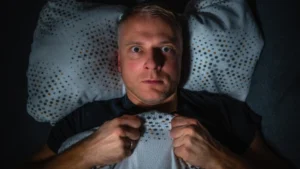
Untreated Sleep Apnea Linked to Significantly Higher Risk of Parkinson’s Disease in Large-Scale Veteran Study


New clinical findings derived from a massive longitudinal study of U.S. military veterans suggest that individuals with untreated obstructive sleep apnea (OSA) face a significantly elevated risk of developing Parkinson’s disease. The research, which highlights a critical intersection between sleep medicine and neurology, indicates that the consistent use of continuous positive airway pressure (CPAP) therapy may serve as a protective measure, potentially mitigating the neurodegenerative risks associated with chronic sleep-disordered breathing. By maintaining steady airflow and stabilizing blood oxygen levels throughout the night, CPAP therapy appears to bolster neurological resilience against the mechanisms that trigger Parkinson’s.
The study, published on November 24 in the prestigious journal JAMA Neurology, represents one of the most comprehensive investigations into the link between sleep disorders and neurodegeneration to date. Led by researchers from Oregon Health & Science University (OHSU) and the Portland VA Health Care System, the project analyzed electronic health records from more than 11 million U.S. military veterans who received care through the Department of Veterans Affairs (VA) between 1999 and 2022. This 23-year window provided investigators with a robust dataset to track the long-term health outcomes of patients across various demographics and geographic locations.
A Growing Neurological Crisis
Parkinson’s disease is a progressive neurological disorder characterized by the loss of dopamine-producing neurons in the brain, leading to motor symptoms such as tremors, stiffness, and slowed movement, as well as non-motor symptoms like cognitive decline and depression. It is currently the second most common neurodegenerative disease in the United States, affecting an estimated 1 million people. As the American population ages, this number is projected to rise significantly, as the likelihood of a diagnosis increases gradually with each passing year after the age of 60.
The identification of modifiable risk factors is a primary goal for neurologists seeking to slow the incidence of the disease. While genetics and environmental exposures play a role, the role of sleep has become a focal point of modern research. Sleep is no longer viewed merely as a period of rest but as a vital physiological process during which the brain clears metabolic waste and repairs cellular damage. When this process is interrupted by sleep apnea—a condition where breathing repeatedly stops and starts—the resulting physiological stress may accelerate the aging of the brain.
Quantifying the Association: The Two-Fold Risk
The core finding of the OHSU and VA study is a stark statistical correlation: veterans with sleep apnea who did not use CPAP therapy were nearly twice as likely to be diagnosed with Parkinson’s disease compared to those who adhered to the treatment. This association remained remarkably strong even after the researchers adjusted for a wide array of confounding variables, including age, tobacco use, obesity, and hypertension—all of which are common in both sleep apnea and Parkinson’s populations.
"It’s not at all a guarantee that you’re going to get Parkinson’s, but it significantly increases the chances," noted co-author Gregory Scott, M.D., Ph.D., an assistant professor of pathology in the OHSU School of Medicine and a pathologist at the VA Portland. The data suggests that while sleep apnea is not a direct cause of Parkinson’s in a vacuum, it may act as a potent catalyst or "second hit" that pushes a vulnerable brain toward neurodegeneration.
The Biological Mechanism: Hypoxia and Neuroinflammation
The biological link between obstructive sleep apnea and Parkinson’s disease likely centers on the repeated episodes of intermittent hypoxia—low blood oxygen levels—that occur when the airway collapses during sleep. These drops in oxygen trigger a cascade of negative effects, including oxidative stress and neuroinflammation.
Lead author Lee Neilson, M.D., an assistant professor of neurology at OHSU and a staff neurologist at the Portland VA, explained the cumulative damage: "If you stop breathing and oxygen is not at a normal level, your neurons are probably not functioning at a normal level either. Add that up night after night, year after year, and it may explain why fixing the problem by using CPAP may build in some resilience against neurodegenerative conditions, including Parkinson’s."
Emerging research into the "glymphatic system"—the brain’s unique waste-clearance pathway—further supports this theory. The glymphatic system is most active during deep, non-REM sleep, flushing out toxic proteins such as alpha-synuclein. In Parkinson’s disease, alpha-synuclein misfolds and aggregates into "Lewy bodies" that destroy neurons. Because sleep apnea causes frequent "micro-arousals" and prevents patients from reaching or sustaining deep sleep stages, it may effectively "clog" the brain’s cleaning system, allowing toxic proteins to accumulate over decades.
CPAP Therapy: From Comfort to Neuroprotection
The study’s findings provide a powerful new incentive for patients to adhere to CPAP therapy. CPAP works by delivering a constant stream of pressurized air through a mask, preventing the airway from collapsing and ensuring that oxygen levels remain stable. While the device is primarily prescribed to reduce daytime fatigue and cardiovascular strain, this study positions it as a potential neuroprotective intervention.
Despite its effectiveness, CPAP therapy often faces challenges regarding patient compliance. Some users find the masks uncomfortable, the noise of the machine intrusive, or the sensation of pressurized air difficult to acclimate to. However, the researchers observed that when patients do commit to the therapy, the benefits are often transformative.
"The veterans who use their CPAP love it," Dr. Scott said. "They’re telling other people about it. They feel better, they’re less tired. Perhaps if others know about this reduction in risk of Parkinson’s disease, it will further convince people with sleep apnea to give CPAP a try."
Shifting Clinical Paradigms
The implications of this research are expected to ripple through the medical community, particularly in how primary care physicians and neurologists screen for sleep disorders. Dr. Neilson indicated that the results have already begun to influence his clinical approach. For years, sleep health was often treated as a secondary concern, but its role as a predictor of long-term brain health is now undeniable.
"I think it will change my practice," Neilson said, emphasizing the need to prioritize sleep health screenings for patients showing early signs of neurological issues or those with high-risk profiles for OSA.
By identifying and treating sleep apnea earlier in life—perhaps in a patient’s 40s or 50s—clinicians may be able to delay or even prevent the onset of Parkinson’s symptoms that would otherwise appear in their 60s or 70s. This shift toward "preventative neurology" marks a significant evolution in the management of chronic diseases.
Chronology and Scope of the Research
The study’s timeline and scale are critical to its validity. By utilizing the VA’s integrated electronic health record system, the researchers were able to follow a cohort of 11 million individuals over 23 years. This longitudinal approach is essential for studying Parkinson’s, a disease that often has a "prodromal" phase—a period where subtle changes occur in the body years or even decades before the hallmark motor symptoms appear.
- 1999–2010: The baseline period where sleep patterns and initial apnea diagnoses were recorded among the veteran population.
- 2011–2022: The observation period where researchers tracked the emergence of Parkinson’s disease diagnoses and correlated them with prior CPAP usage or lack thereof.
- November 24, 2024: Formal publication of the findings in JAMA Neurology, bringing the data to the global medical community.
The study was a collaborative effort involving experts from OHSU, the Portland VA Health Care System, the University of Washington, and the VA Puget Sound Health Care System. The interdisciplinary team included pathologists, neurologists, and sleep specialists, ensuring a holistic view of the data.
Funding and Institutional Support
The research was made possible through extensive support from multiple federal and private entities. Primary funding was provided by the Department of Veterans Affairs through several grant awards (BX005760, CX00253, and others). Additional support came from the National Institute on Aging (NIA) of the National Institutes of Health (NIH), the John and Tami Marick Family Foundation, the Collins Medical Trust, and the U.S. Army Medical Research Acquisition Activity.
While the study was supported by these organizations, the authors clarified that the conclusions and interpretations are strictly their own and do not necessarily reflect the official policies of the Department of Defense or the NIH.
Future Directions and Public Health Impact
As the medical community digests these findings, the focus will likely turn toward improving CPAP technology and exploring alternative treatments for those who cannot tolerate the devices. Innovations in dental appliances for apnea, surgical interventions, and even pharmacological approaches to stabilize breathing during sleep are currently under investigation.
Furthermore, this study opens the door for similar research into other neurodegenerative conditions, such as Alzheimer’s disease. If sleep apnea doubles the risk of Parkinson’s, it is logical to investigate whether it plays a similar role in other forms of dementia characterized by protein misfolding and impaired waste clearance in the brain.
For now, the message for the public is clear: sleep is a pillar of brain health. For the millions of Americans who struggle with snoring, gasping for air at night, or excessive daytime sleepiness, seeking a sleep study is no longer just about getting a better night’s rest—it may be a vital step in preserving their neurological future. As Dr. Neilson and his colleagues have demonstrated, the simple act of breathing consistently through the night may be one of the most effective tools available in the fight against Parkinson’s disease.