Michigan Faces Unprecedented Cyclospora Outbreak Linked to Central Mexico Iceberg Lettuce

Michigan has recorded a staggering 6,148 cases of cyclosporiasis as of July 16, 2026, a stark contrast to its typical annual baseline of approximately 50 cases. This dramatic surge underscores the severity and widespread nature of the current cyclospora outbreak, which has prompted investigations by federal agencies and triggered significant product recalls across the nation. The parasite responsible, Cyclospora cayetanensis, is a microscopic pathogen transmitted through contaminated food or water, often originating from irrigation or wash water on farms that has come into contact with human feces. The illness it causes, cyclosporiasis, is notorious for its intermittent symptoms, which can persist for weeks, making it challenging for individuals to pinpoint the source of their infection.
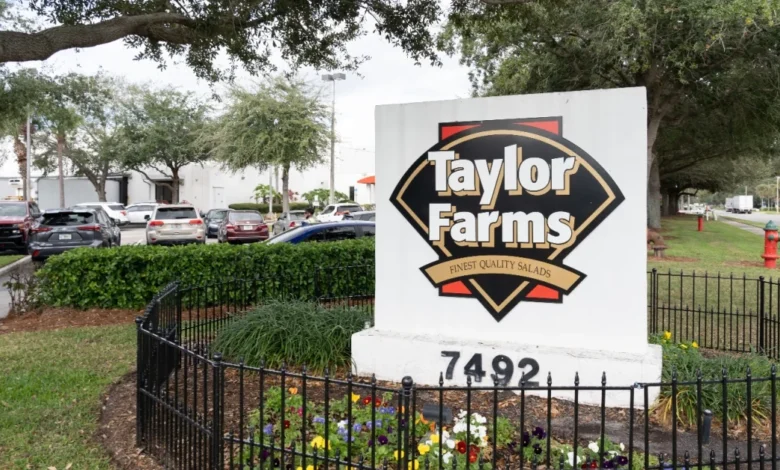
The Centers for Disease Control and Prevention (CDC), the Food and Drug Administration (FDA), and public health officials from multiple states are actively investigating a multistate cyclospora outbreak that has been definitively linked to shredded iceberg lettuce supplied by Taylor Farms de Mexico. This investigation has resulted in widespread product removals by major retailers and restaurant chains nationwide, impacting consumers and businesses alike. The full scope of the recall and its implications are still unfolding, leaving many to question the safety of their food supply.
The Source: Taylor Farms de Mexico and its Extensive Recall
On July 17, 2026, Taylor Farms de Mexico, based in Guanajuato, Mexico, initiated a voluntary recall of all iceberg lettuce sourced from central Mexico intended for the U.S. market. This was not a targeted recall but rather a comprehensive removal, encompassing all iceberg lettuce identified as a potential source of the Cyclospora outbreak. The company stated that the recall had been completed, with affected products removed from the marketplace.
The implicated lettuce was distributed across 27 states between June 29 and July 16, 2026. The affected states include Alabama, Arkansas, Connecticut, Florida, Georgia, Iowa, Illinois, Indiana, Kansas, Kentucky, Louisiana, Massachusetts, Maryland, Michigan, Missouri, Mississippi, North Carolina, New Hampshire, New Jersey, Ohio, Oklahoma, Pennsylvania, South Carolina, Tennessee, Texas, Virginia, and Wisconsin.
It is crucial to note that Taylor Farms has clarified that its own branded products are not part of this recall. The recalled lettuce was primarily distributed through foodservice channels and, under the Marketside brand, was available at Walmart. Taylor Farms consumer-packaged salad kits are not affected, as iceberg lettuce is not an ingredient in those products. Furthermore, the company has announced that it will cease sourcing iceberg lettuce from central Mexico for the remainder of the current growing season.
Retail Impact: Walmart’s Response to the Outbreak
Taylor Fresh Foods’ recall notice specifically mentioned Marketside-brand products sold at Walmart. Two specific items were identified: Iceberg Salad in 12 oz. and 24 oz. sizes, and Shredded Lettuce in 8 oz. and 16 oz. sizes. Both products carried best-if-used-by dates ranging from July 18 through August 3, 2026.
These recalled Marketside-brand iceberg lettuce products were distributed to select Walmart stores in 15 states: Alabama, Arkansas, Florida, Georgia, Indiana, Kansas, Kentucky, Louisiana, Missouri, Mississippi, Oklahoma, Tennessee, Texas, Virginia, and West Virginia. Consumers who purchased these specific Marketside bagged iceberg lettuce products within the specified date range are strongly advised to discard them immediately and seek a full refund at their point of purchase.
Restaurant Chain in the Spotlight: Taco Bell’s Extensive Link to Cyclosporiasis
Taco Bell has been identified as a restaurant chain with a significant number of reported cases linked to the outbreak. According to the CDC’s investigation page, a total of 1,644 individuals infected with Cyclospora reported consuming food at Taco Bell. These illnesses occurred between May 13, 2026, and July 13, 2026, and resulted in 94 hospitalizations.
The Michigan Department of Health and Human Services conducted an analysis of food exposure details from 190 individuals who reported eating at Taco Bell. Their findings indicated that 90% of those interviewed had consumed iceberg lettuce, highlighting a striking concentration of exposure to this single ingredient. Taylor Farms serves as a produce supplier to Taco Bell. In response to the outbreak, Taco Bell proactively removed ingredients including lettuce, cilantro, onion, pico de gallo, and guacamole from its menus in the Detroit area as a precautionary measure.
The CDC has advised consumers to avoid shredded iceberg lettuce from Taylor Farms de Mexico at Taco Bell locations in Indiana, Kentucky, Michigan, Ohio, and West Virginia. As of July 17, 2026, Taco Bell confirmed that it had completed the removal of all affected Taylor Farms lettuce from its restaurants nationwide. Any Taco Bell establishment that received the recalled iceberg lettuce from Taylor Farms de Mexico is subject to this advisory.
The Role of Major Distributors: Sysco’s Halt in Distribution
Sysco, recognized as the nation’s largest food distributor, has taken a significant step by halting the distribution of all Taylor Farms iceberg lettuce products originating from Mexico and has instructed its customers to destroy any such products in their possession. This action by Sysco is particularly impactful, as it bridges the gap between producers and thousands of foodservice operations, including independent restaurants, hospitals, schools, and catering companies.
A Sysco spokesperson confirmed that the company "proactively removed all Taylor Farms processed iceberg lettuce products from Mexico from distribution and instructed customers to destroy them" upon learning of the suspected link between Taylor Farms’ lettuce and the five-state Cyclospora outbreak. This measure extends the recall’s reach far beyond the directly named chains, impacting a vast network of food service providers. Any establishment that sources through Sysco and received Taylor Farms iceberg lettuce from central Mexico during the affected distribution period should have been notified to dispose of the product. For consumers who have dined at smaller restaurants or cafeteria-style settings in the 27 affected states since late June, determining whether the lettuce served originated from this recalled supply chain remains challenging.
Broader Supply Chain Connections: KFC and Pizza Hut
Beyond Taco Bell, Taylor Farms is a significant supplier of produce to other major fast-food and grocery chains, including KFC, Pizza Hut, Walmart, and Trader Joe’s. While KFC and Pizza Hut have not been explicitly named as separate outbreak sites in official investigations, their shared supply relationship with Taylor Farms has drawn attention as the recall has expanded.
The interconnectedness of the food supply chain is evident here. Taylor Farms’ position as one of North America’s largest fresh produce suppliers means that the same central Mexico iceberg lettuce was distributed to multiple customers simultaneously. The FDA’s recall notice for Taylor Fresh Foods indicates that the company "has stopped receiving product from the implicated lot, suspended distribution of the iceberg lettuce from Central Mexico, notified our customers, and we are continuing to work with the FDA, CDC, and state authorities." Customers of KFC and Pizza Hut in the affected states are encouraged to be aware of this supply chain connection and to contact their local restaurants directly if they have concerns.
The Alarming Scale of the Outbreak: What the Numbers Reveal
According to a CDC Health Alert Network notice, since May 1, 2026, Cyclospora has sickened at least 1,645 individuals across the United States and resulted in 141 hospitalizations. The CDC is currently investigating over 5,100 additional cases that require further analysis to confirm their origin. This represents an unprecedented surge compared to the same period last year, when only 249 cases were reported. The sheer magnitude of this increase, from 249 confirmed cases to over 1,645 confirmed cases plus thousands under investigation, is far from a typical seasonal fluctuation.
The FDA and CDC have emphasized that the illnesses associated with the five-state outbreak constitute only a fraction of the Cyclospora infections currently under investigation. The CDC is reporting cases across 34 states, indicating that the Taco Bell cluster is part of a broader national surge in cyclosporiasis activity this summer.
A complicating factor in the investigation has been the difficulty in obtaining laboratory confirmation. While the FDA initially reported a positive test result for Cyclospora in a lettuce sample on July 18, 2026, subsequent re-evaluation by laboratory experts concluded that the finding was a false positive, meaning it did not represent true amplification of the parasite. As of July 19, 2026, the FDA confirmed that there were no confirmed positive product test results for Cyclospora, despite overwhelming epidemiological evidence pointing towards the iceberg lettuce.
The surveillance landscape for foodborne illnesses has also been impacted by recent policy changes. NBC News reported that in July 2025, the CDC’s Foodborne Diseases Active Surveillance Network (FoodNet) reduced its mandatory tracking to only two pathogens: Salmonella and E. coli. Testing for Cyclospora became optional for the first time since 1997. This shift may lead to underreporting of actual illness figures, as not all states may be consistently testing for this specific pathogen. Adding to the complexity, some individuals infected with Cyclospora may experience no symptoms, and if left untreated, the illness can lead to severe complications, dehydration, and prolonged periods of sickness, with symptoms that can appear, disappear, and reappear.
Chronology of the Outbreak and Investigation:
- Late May 2026: Initial cases of cyclosporiasis begin to emerge, with some individuals reporting consumption at Taco Bell.
- June 29, 2026: Taylor Farms de Mexico begins distributing iceberg lettuce from central Mexico to 27 U.S. states.
- Early July 2026: Public health agencies begin to notice a significant uptick in cyclosporiasis cases, with a notable cluster linked to Taco Bell in five states.
- July 16, 2026: Michigan reports 6,148 cyclosporiasis cases, vastly exceeding its normal annual baseline.
- July 17, 2026: Taylor Farms de Mexico announces a voluntary recall of all iceberg lettuce sourced from central Mexico. Taco Bell confirms removal of affected lettuce from its restaurants.
- July 18, 2026: FDA reports a preliminary positive test result for Cyclospora in a lettuce sample, later retracted as a false positive.
- July 19, 2026: FDA confirms no confirmed positive product test results for Cyclospora, despite strong epidemiological links.
- Ongoing: CDC, FDA, and state health departments continue their investigation into the multistate outbreak and monitor for additional cases.
What Consumers Should Do Now:
Consumers who have recently purchased bagged iceberg lettuce and reside in any of the 27 states covered by the Taylor Farms distribution window should immediately check the brand and best-if-used-by dates. Specifically, Marketside-brand Iceberg Salad (12 oz. or 24 oz.) and Shredded Lettuce (8 oz. or 16 oz.) with best-if-used-by dates between July 18 and August 3, 2026, should be discarded. It is crucial to note that Cyclospora is undetectable by sight or smell, so do not taste the product to check for contamination.
The illness is contracted through contaminated food or beverages and typically manifests with symptoms such as watery diarrhea, loss of appetite, and weight loss. Symptoms usually appear about a week after infection, but the incubation period can range from two days to two weeks. Individuals who ate at a Taco Bell in Michigan, Ohio, Indiana, West Virginia, or Kentucky between late May and mid-July and have developed these symptoms should consult their physician. Prompt diagnosis and treatment are essential, as cyclosporiasis requires a prescription antibiotic. Informing your doctor about potential exposure to a Cyclospora outbreak will help them order the appropriate stool examination, as this specific test is not part of a standard medical panel. Individuals with compromised immune systems may experience more severe and prolonged illness, potentially requiring intensive medical care.
Disclaimer: This information is intended for general informational purposes only and does not constitute medical advice. It is essential to consult with a qualified healthcare professional for any health concerns or before making any decisions related to your health or treatment.
AI Disclaimer: This article was created with the assistance of AI tools and reviewed by a human editor.