THC-Based Prescription Drug Shows Promising Results in Relieving Severe PTSD Nightmares, New Study Finds

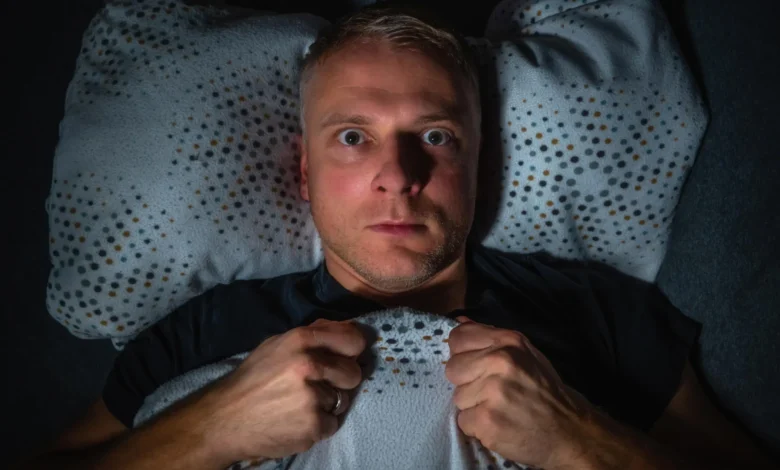
For millions of individuals living with post-traumatic stress disorder (PTSD), the descent into sleep is not a welcome transition into rest and restoration, but rather a nightly return to the site of their deepest trauma. Whether stemming from combat experiences, severe accidents, violent assaults, or natural disasters, PTSD fundamentally alters how the human brain processes and stores memories. Rather than filing these harrowing experiences away as past events, the traumatized brain often keeps them locked in a state of vivid, recurring immediacy. Nightmares become a nightly certainty, plunging sufferers back into scenes of terror with agonizing detail. The resulting sleep deprivation compounds the psychological toll, leaving many patients trapped in a cycle of hypervigilance, exhaustion, and chronic anxiety.
Traditional medical interventions have long struggled to adequately address this debilitating symptom. While standard pharmacotherapy, including selective serotonin reuptake inhibitors (SSRIs) and blood-pressure-lowering agents, can assist in managing general anxiety and mood disturbances, their efficacy against trauma-induced nightmares remains notoriously limited. Currently, no specific medication is officially approved for treating PTSD-associated nightmares in many jurisdictions, leaving clinicians to rely on off-label treatments with varying degrees of success.
Seeking to bridge this significant therapeutic gap, a team of researchers at Charité – Universitätsmedizin Berlin, alongside several collaborating institutions, launched a landmark clinical investigation. Their objective was to evaluate the safety and efficacy of Dronabinol—a prescription medication containing tetrahydrocannabinol (THC), the primary psychoactive compound derived from the cannabis plant. Published in the prestigious journal Nature Medicine, the study’s findings reveal that a significant majority of participants experienced a marked reduction in nightmare severity, with over a third reporting the complete cessation of their nocturnal episodes. This breakthrough offers new hope for a patient population that has historically found little relief through conventional psychiatry.
The Neurological Mechanics of Trauma and Sleep
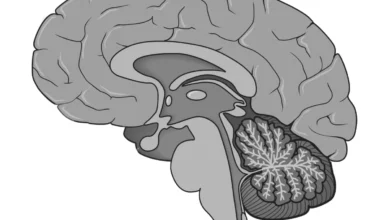
To understand why traditional treatments frequently fail to quell PTSD nightmares, one must examine the complex neurobiology underlying the disorder. When an individual experiences a life-threatening or deeply distressing event, the sheer magnitude of the stress can overwhelm the brain’s neural circuitry. The hippocampus, amygdala, and prefrontal cortex—regions responsible for contextualizing, emotional processing, and executive control—fail to properly integrate the memory. Consequently, fragments of the trauma remain unindexed, surfacing involuntarily as intrusive thoughts during waking hours and terrifying nightmares during sleep.
Nightmares are particularly prominent during rapid eye movement (REM) sleep, the physiological phase characterized by intense brain activity and vivid dreaming. In healthy individuals, REM sleep serves as a crucial window for emotional regulation and memory consolidation. For those with PTSD, however, this restorative mechanism goes awry. The brain repeatedly relives the traumatic event, triggering intense panic that jolts the sleeper awake.
Enter the endocannabinoid system—a vast network of receptors and neurotransmitters distributed throughout the central and peripheral nervous systems. This biological system plays a pivotal role in modulating a wide array of physiological processes, including sleep cycles, stress responses, and the extinction of aversive emotional memories. THC, the principal active compound in cannabis, interacts directly with this system by binding to cannabinoid receptors, particularly the CB1 receptors densely populated in brain regions governing emotion and memory.
According to Prof. Stefan Röpke, a leading researcher in trauma-related disorders at the Department of Psychiatry and Neurosciences on Charité’s Benjamin Franklin Campus, this interaction holds the key to mitigating nocturnal trauma responses. "There is evidence suggesting that during REM sleep—the intense dream phases in which the brain processes experiences and regulates emotions—THC reduces dream activity and thereby alleviates nocturnal stress responses," Röpke explains. By modulating neurological activity during these vulnerable sleep phases, THC effectively dampens the hyperactive emotional signaling that drives trauma nightmares.
Chronology and Clinical Trial Design
The path toward utilizing cannabinoid-based medicine for psychiatric applications has accelerated significantly over the past decade, driven by evolving legal frameworks and a growing body of scientific research. In Germany, a major milestone occurred in 2017 with the enactment of the "Cannabis for medical purposes" legislation. This law substantially expanded the legal framework governing the medical and scientific utilization of plant-derived and synthetic cannabinoids, facilitating rigorous clinical research that was previously difficult to conduct.
Capitalizing on this supportive regulatory environment, Charité initiated a rigorous, double-blind, placebo-controlled clinical trial—widely regarded as the gold standard in medical research. The study enrolled more than 170 patients diagnosed with severe post-traumatic stress disorder who suffered from frequent, debilitating nightmares.
Over a strict ten-week period, participants were administered either Dronabinol—a pure, pharmaceutical-grade formulation of THC delivered via oral drops—or an identical, cannabis-flavored placebo. To maintain the integrity of the trial, neither the patients nor the administering healthcare professionals knew who was receiving the active medication and who was receiving the inert substance. Participants ingested their prescribed drops each evening prior to retiring to bed, allowing the researchers to isolate the nocturnal effects of the compound.
Measurable Relief and Patient Outcomes
Upon the conclusion of the ten-week trial period, the data revealed a statistically significant divergence between the two cohorts. Nightmare severity was evaluated using a standardized clinical scale ranging from zero to eight. Among the participants receiving Dronabinol, the average nightmare burden plummeted by 3.7 points. In contrast, the placebo group experienced a more modest average reduction of 2.2 points. While numerical metrics tell part of the story, the qualitative difference for the individuals involved was profound.
More than a third of the patients treated with Dronabinol reported that their nightmares had vanished entirely by the end of the study. An additional 21 percent noted that their overall nightmare frequency and intensity had been cut in half. Furthermore, approximately five out of six patients in the treatment group reported a marked, subjective improvement in their overall well-being and quality of life.
Interestingly, the therapeutic benefits of Dronabinol appeared largely isolated to sleep architecture and nightmare suppression rather than a wholesale reversal of every PTSD symptom. The researchers observed that the medication did not produce statistically significant reductions in the overall severity of core daytime PTSD symptoms or accompanying depressive disorders. Nevertheless, by successfully breaking the brutal cycle of nighttime trauma reliving, the treatment granted patients the invaluable gift of uninterrupted, peaceful sleep, which in turn fostered a stronger foundation for ongoing psychological recovery.
Safety Profile, Side Effects, and Future Implications
A critical priority for the research team was monitoring safety, tolerability, and the potential for chemical dependence—concerns that frequently shadow any medical intervention involving cannabinoid compounds. The findings in this regard were notably encouraging.
No severe adverse events were reported throughout the duration of the ten-week trial. While mild to moderate side effects—such as dizziness, mild headaches, and an increased appetite—occurred more frequently among those in the Dronabinol group, these symptoms were well-tolerated by participants. Crucially, when the nightly doses were discontinued at the conclusion of the study, the researchers observed no withdrawal symptoms or signs of substance dependence, dispelling fears of physiological addiction associated with short-term clinical THC administration.
Despite these positive outcomes, the scientific community emphasizes that further investigation is required before Dronabinol can be established as a standard frontline therapy for PTSD nightmares. Future clinical trials must assess whether the therapeutic efficacy of THC is sustained over long-term administration or if patients eventually develop a pharmacological tolerance that diminishes its impact. Additionally, researchers aim to explore whether combining cannabinoid therapy with evidence-based trauma psychotherapies, such as cognitive behavioral therapy (CBT) or eye movement desensitization and reprocessing (EMDR), could yield synergistic benefits for the broader spectrum of PTSD symptoms.
The success of this multi-center trial—which brought together scientists from the Psychiatric University Clinic of Charité at St. Hedwig Hospital, the University Medical Center Hamburg-Eppendorf, and the Central Institute for Mental Health in Mannheim, with support from Bionorica SE—signals a pivotal shift in modern psychiatry. By looking beyond traditional pharmaceutical pipelines and leveraging our growing understanding of the endocannabinoid system, medical science is moving closer to providing targeted, effective relief for those carrying the invisible wounds of trauma.