A comprehensive clinical investigation conducted by researchers at the University of Bergen in Norway has challenged long-standing medical assumptions regarding the correlation between obstructive sleep apnea (OSA) and the prevalence of parasomnias. By analyzing a cohort of over 4,000 patients, the study suggests that the widely held belief that sleep-disordered breathing serves as a primary catalyst for complex nocturnal behaviors may be largely unfounded. This finding necessitates a shift in how clinicians approach the diagnostic intersection of sleep-related movement disorders and airway obstruction.
Background and Clinical Context
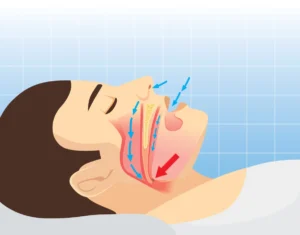
Obstructive Sleep Apnea is a chronic condition characterized by the repeated collapse of the upper airway during sleep, resulting in fragmented sleep patterns, oxygen desaturation, and excessive daytime fatigue. Conversely, parasomnias represent a heterogeneous group of sleep disorders that involve undesirable physical, emotional, or perceptual events during sleep. These include sleepwalking (somnambulism), sleep terrors, nightmares, and the more clinically complex Rapid Eye Movement (REM) sleep behavior disorder (RBD).
Historically, the medical community has frequently operated under the assumption that the physiological stress caused by OSA—such as frequent arousals and sympathetic nervous system activation—acts as a trigger for parasomniac episodes. The logic followed that the brain’s effort to restore breathing, often accompanied by a sudden transition from deep sleep to a lighter stage, could inadvertently "unlock" motor centers, leading to the enactment of dreams or non-purposeful physical behaviors. However, this hypothesis has rarely been tested with the rigor required to isolate OSA as an independent variable from other comorbid factors.
Methodology and Study Parameters
The study, published in the journal Frontiers in Psychology, involved a cross-sectional analysis of 4,372 participants referred to a Norwegian hospital for the evaluation of suspected sleep apnea. The demographic makeup of the group was representative of typical clinical referrals, with approximately 70 percent male participants and a mean age of 49 years.
To ensure objective data collection, each participant was equipped with a portable polygraphy monitor. This technology recorded respiratory effort, airflow, and blood oxygen saturation levels over the course of their sleep. To measure the prevalence of parasomnias, researchers utilized a detailed, validated questionnaire that screened for occurrences over the preceding three-month period. By combining objective physiological data with subjective reports of sleep behaviors, the researchers sought to determine if the severity of the respiratory disturbance (measured by the Apnea-Hypopnea Index) correlated with the frequency or severity of reported parasomnias.
The Findings: Decoupling the Disorders
The data revealed that while both OSA and parasomnias are relatively common among those seeking sleep disorder treatment, they do not appear to exist in a simple cause-and-effect relationship. Contrary to the initial expectations of the research team, there was no statistically significant evidence to support the theory that the physical severity of sleep apnea increases the likelihood of parasomniac events.
In fact, the analysis indicated that the incidence of parasomnias among the patients diagnosed with moderate-to-severe OSA was not significantly higher than in those who showed no clinical signs of sleep apnea. This finding is significant because it suggests that the mechanisms driving parasomnias—which are often linked to neurological, psychological, or pharmacological factors—function independently of the mechanical obstruction of the airway.
Timeline and Clinical Implications
For decades, the standard clinical protocol for a patient presenting with both snoring and parasomnias involved treating the OSA first, under the assumption that the abnormal behaviors would dissipate once breathing stabilized. This study suggests that such an approach, while beneficial for cardiovascular and metabolic health, may not resolve the underlying parasomnia.
The implications for clinical practice are substantial. Physicians are now urged to adopt a more nuanced diagnostic framework. If a patient continues to experience sleep-related movement disorders after the successful implementation of Continuous Positive Airway Pressure (CPAP) therapy, practitioners must look beyond the airway. They should instead investigate other potential drivers, including underlying neurological conditions, stress, medications, or comorbid sleep-wake cycle disruptions that were previously masked by the focus on respiratory health.
Broader Impact on Sleep Medicine
The study from the University of Bergen provides a necessary recalibration of current medical literature. By clarifying that OSA is not the "universal trigger" for nocturnal disturbances, researchers have opened the door for more specialized research into the etiology of parasomnias.
"This research provides a foundational shift," noted a sleep medicine analyst familiar with the study’s data. "By effectively decoupling these two conditions in a large-scale cohort, we can now direct resources toward identifying the true neurological markers of parasomnias. It prevents the ‘diagnostic overshadowing’ where every abnormal movement in a patient with apnea is dismissed as a secondary symptom."
Addressing Patient Concerns
For patients currently diagnosed with or concerned about OSA, these findings provide both clarity and a call to action. The lack of a direct link does not mean that these conditions are unimportant; rather, it highlights the need for a multidisciplinary approach to sleep health.
Individuals who suffer from loud snoring, daytime sleepiness, or morning headaches should continue to pursue a diagnosis for sleep apnea, as the cardiovascular risks of untreated OSA—including hypertension, stroke, and heart failure—remain well-documented and severe. However, if these patients also report parasomnias, they should explicitly state these behaviors to their sleep specialist, ensuring that the clinician does not assume they will resolve automatically with CPAP use.
Future Research Directions
The research team has suggested that future studies should focus on longitudinal observations to track how parasomnias evolve over time in patients treated for sleep apnea. Furthermore, there is a need for studies that isolate specific types of parasomnias. While this study looked at the group as a whole, it is possible that specific disorders, such as RBD, may have different relationships with sleep-disordered breathing than others, like sleepwalking.
Researchers are also calling for an investigation into the role of sleep deprivation. Because both OSA and many parasomnias can be exacerbated by a general lack of restorative sleep, the interplay between sleep quality and behavior remains a critical area of study.
Summary of Key Data Points
- Study Size: 4,372 participants, providing a robust statistical foundation.
- Demographics: Average age of 49; 70 percent male.
- Diagnostic Tools: Portable home sleep monitors (polygraphy) for objective breathing analysis and validated clinical questionnaires for parasomnias.
- Primary Conclusion: No significant correlation found between the severity of sleep apnea and the frequency of parasomnias.
- Clinical Takeaway: Parasomnias require independent diagnostic and treatment pathways even in the presence of sleep apnea.
Conclusion
The University of Bergen study serves as a critical reminder that even established medical "truths" must be subjected to the scrutiny of large-scale data. By separating the physiological mechanics of airway obstruction from the complex behavioral manifestations of parasomnias, this research has provided clinicians with a clearer path forward. Patients are encouraged to remain diligent about their sleep health, recognizing that while breathing is a primary pillar of wellness, the brain’s nocturnal activity—when it manifests as unusual behavior—deserves its own specialized clinical attention.
As the medical community moves toward more personalized medicine, the ability to distinguish between concurrent, unrelated conditions will be paramount. This study marks a significant step in that direction, ensuring that patients receive targeted interventions for their specific health needs rather than relying on generalized assumptions about the nature of sleep disorders.