THC-Based Treatment Shows Promising Results in Relieving Severe PTSD Nightmares, Clinical Trial Finds

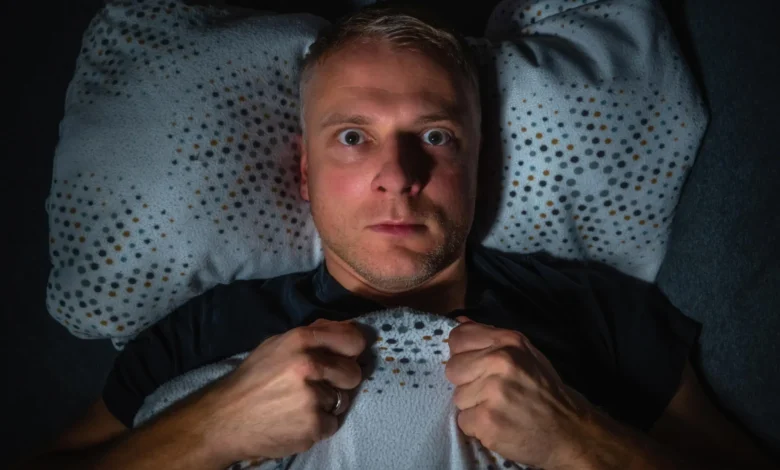
For millions of individuals living with post-traumatic stress disorder (PTSD), the descent into sleep is not a transition into rest, but a portal back into trauma. Whether resulting from combat exposure, violent crime, severe accidents, or catastrophic natural disasters, PTSD leaves a profound imprint on the human psyche. Among its most debilitating manifestations are recurrent, highly vivid nightmares that force patients to relive their darkest moments with terrifying clarity. These nightly disturbances frequently lead to chronic sleep deprivation, nocturnal panic attacks, and anticipatory anxiety so severe that sufferers actively avoid going to bed.
Conventional therapeutic options—ranging from trauma-focused psychotherapies to standard pharmacological interventions like antidepressants and antihypertensive medications—often yield limited results when it comes to suppressing these treatment-resistant nightmares. In response to this persistent clinical challenge, a team of researchers at Charité – Universitätsmedizin Berlin, alongside collaborating scientific institutions across Germany, initiated a rigorous investigation into an alternative pharmacological approach. Their findings, published in the esteemed scientific journal Nature Medicine, reveal that a prescription medication containing dronabinol—a synthetic form of tetrahydrocannabinol (THC), the primary psychoactive constituent of the cannabis plant—significantly reduced trauma-related nightmares in more than half of the study’s participants, with over a third reporting complete cessation of their symptoms.
The Pathological Roots of Trauma-Related Nightmares
To understand the significance of this clinical trial, one must examine the neurobiological mechanisms underlying PTSD. When an individual experiences a life-threatening or deeply distressing event, the brain’s mechanisms for processing emotional memory can become overwhelmed. Rather than being filed away as a standard historical memory, the traumatic event is stored in fragmented, hyper-sensory formats. This disruption prevents the brain from contextualizing the danger as something that belongs strictly to the past.
Consequently, triggers in the waking world can provoke sudden flashbacks or hyperarousal. But the breakdown is perhaps most profound during sleep. Rapid Eye Movement (REM) sleep is the critical phase during which the healthy brain typically processes emotional experiences, integrates memories, and regulates affect. In patients with PTSD, however, the neurocircuitry governing fear extinction and emotional regulation malfunctions. Instead of neutralizing emotional distress during REM sleep, the brain reactivates the traumatic memory loop, trapping the sleeper in an involuntary cycle of nocturnal revivification.
Current pharmacological standards fall short of addressing this specific pathology. While medications such as selective serotonin reuptake inhibitors (SSRIs) are routinely prescribed to manage general anxiety and mood disturbances associated with PTSD, their efficacy against trauma-induced nightmares remains inconsistent at best. Furthermore, Germany—like many other jurisdictions—has historically lacked an approved, targeted pharmaceutical agent specifically indicated for the alleviation of trauma-related nightmares. This therapeutic void has left clinicians and patients searching for novel interventions capable of interrupting the nocturnal cycle of PTSD without introducing unacceptable risks of addiction or severe side effects.
The Endocannabinoid System and the Science of THC
Recognizing the limitations of existing treatments, Professor Stefan Röpke and his research team at the Department of Psychiatry and Neurosciences on the Benjamin Franklin Campus of Charité turned their focus toward the human endocannabinoid system. This complex biological network, comprised of endogenous cannabinoids and their corresponding receptors, plays a pivotal role in modulating a vast array of physiological processes, including pain perception, mood, stress response, appetite, and sleep architecture.
Crucially, the endocannabinoid system is heavily implicated in the extinction of aversive memories and the emotional processing that occurs during sleep. THC shares a structural and functional affinity with the body’s natural endocannabinoids, allowing it to bind to cannabinoid receptors in the central nervous system.
"There is evidence suggesting that during REM sleep—the intense dream phases in which the brain processes experiences and regulates emotions—THC reduces dream activity and thereby alleviates nocturnal stress responses," explains Professor Röpke. By dampening the hyperactive signaling pathways associated with fear and emotional arousal during sleep, THC effectively acts as a pharmacological buffer, protecting the sleeping brain from plunging back into the full-intensity terror of unmitigated traumatic memory.
The Regulatory Shift Enabling Cannabis Research
The investigation of cannabinoid-based medicines in Germany was significantly catalyzed by a legislative milestone in 2017. The enactment of the "Cannabis for Medical Purposes" law (Gesetz zur Änderung betäubungsmittelrechtlicher Vorschriften) fundamentally transformed the legal and clinical landscape. Prior to this legislation, acquiring and prescribing cannabis-derived medications for clinical research or patient care was subject to restrictive regulatory hurdles.
The 2017 law broadened access, permitting physicians to prescribe cannabis-based products—ranging from dried flowers and extracts to standardized pharmaceutical formulations like dronabinol—for seriously ill patients when established treatments were insufficient or unavailable. This regulatory evolution created the necessary framework for academic medical centers to design robust, large-scale clinical trials investigating cannabinoids under strict pharmaceutical standards.
Methodology of the Clinical Trial: A Gold-Standard Approach
Capitalizing on this legal and scientific opening, Charité initiated a multi-center, double-blind, placebo-controlled trial—the gold standard of clinical research. The study enrolled more than 170 adult patients diagnosed with post-traumatic stress disorder who suffered from frequent, severe, and debilitating nightmares.
Over a ten-week intervention period, participants were randomly assigned to receive either oral drops of Dronabinol or a cannabis-flavored placebo designed to be identical in appearance, taste, and consistency. Neither the patients nor the attending healthcare professionals and researchers knew who was receiving the active medication and who was receiving the inert substance, thereby eliminating potential observer bias or placebo expectation effects. Participants administered the prescribed drops orally each evening before retiring for bed, allowing researchers to directly observe the compound’s impact on nocturnal symptoms.
Measurable Relief: Quantifying the Impact on Nightmare Burden
At the conclusion of the ten-week trial period, the data demonstrated a clear and statistically significant divergence between the two cohorts. Nightmare severity was evaluated using a standardized clinical rating scale ranging from zero to eight.
Among participants in the Dronabinol group, the average nightmare burden plummeted by 3.7 points. In contrast, the placebo group experienced an average reduction of 2.2 points. While the placebo effect—often robust in psychiatric trials—did yield some improvement, the additional drop in the active treatment group translated into a profound, noticeable difference in the daily lives of the patients.
The qualitative outcomes reported by the researchers further underscore the clinical relevance of the findings. More than one-third of the patients treated with Dronabinol reported that their nightmares had vanished entirely by the tenth week of the study. An additional 21 percent noted that their overall nightmare burden had been reduced by at least half. Furthermore, approximately five out of six patients in the treatment group reported a marked subjective improvement in their overall health and well-being.
Safety Profile, Side Effects, and Specificity of Action
One of the critical concerns surrounding any cannabinoid-based therapy is the potential for psychoactive side effects, cognitive impairment, or chemical dependency. In this trial, however, the safety profile of Dronabinol proved reassuringly manageable.
The most frequently reported adverse effects among those receiving the active medication were mild to moderate in severity, encompassing symptoms such as dizziness, mild headaches, and increased appetite. Importantly, these side effects did not lead to widespread treatment discontinuation. Furthermore, when the evening doses were abruptly ceased at the conclusion of the ten-week study protocol, researchers observed no physical withdrawal symptoms or signs of substance dependence.
The study also revealed important nuances regarding the scope of the medication’s efficacy. The cannabinoid acted specifically on the physiological disruption of sleep and the recurrence of nightmares, rather than serving as a blanket cure for every facet of PTSD. The research team could not conclusively demonstrate that Dronabinol reduced the overarching severity of the disorder’s daytime symptoms, nor did it directly resolve accompanying clinical depression. Nevertheless, by breaking the cycle of nightly terror, the treatment provided sufficient restorative rest to alter the trajectory of recovery for many participants.
Broader Implications and Future Research Directions
The implications of these findings extend far beyond the immediate academic community, offering a beacon of hope for clinicians who routinely struggle to manage treatment-resistant PTSD symptoms. By validating the utility of cannabinoid-based pharmacotherapy through rigorous, placebo-controlled data, this study bridges the gap between anecdotal patient reports and evidence-based psychiatry.
Collaborative institutions involved in the research included the Psychiatric University Clinic of Charité at St. Hedwig Hospital, the University Medical Center Hamburg-Eppendorf, and the Central Institute for Mental Health in Mannheim, with industrial support provided by Bionorica SE.
As the medical community digests these results, researchers are already looking toward the horizon. Future clinical trials will be necessary to investigate whether the therapeutic benefits of Dronabinol are sustained over extended periods—such as six months or a year. Investigators must also determine whether patients develop a physiological tolerance to the compound over prolonged exposure, which could necessitate dosage adjustments.
For now, however, the Charité study marks a vital step forward. By targeting the endocannabinoid system to quiet the sleeping brain, science has unlocked a promising new avenue for silencing the ghosts of trauma and restoring the healing power of sleep to those who need it most.