THC-Based Medication Shows Promising Results in Alleviating Severe PTSD Nightmares, Clinical Trial Finds

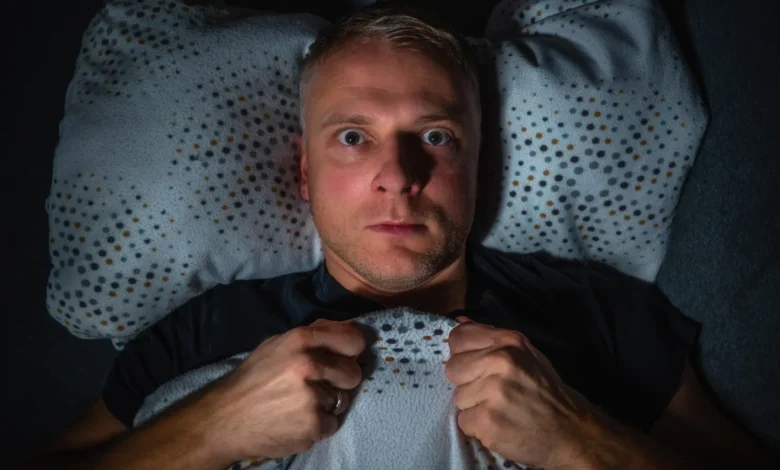
For millions of individuals living with post-traumatic stress disorder (PTSD), the descent into darkness brings little peace. While the waking hours present challenges in processing severe trauma stemming from combat, natural disasters, serious accidents, or physical violence, the night often delivers the most debilitating symptoms. During sleep, those affected frequently experience vivid, terrifying replays of past events, locking the brain into a continuous loop of nocturnal terror. These repeated episodes trigger severe sleep deprivation, instilling a profound fear of going to bed and eroding the psychological resilience required for daily recovery.
Standard psychiatric and pharmacological treatments often fail to address these nocturnal disruptions adequately. Traditional interventions, including various classes of antidepressants and blood-pressure-lowering agents, provide limited relief for trauma-related nightmares. In response to this persistent clinical gap, a team of researchers at Charité – Universitätsmedizin Berlin launched a rigorous investigation into whether a prescription medication containing tetrahydrocannabinol (THC)—the primary psychoactive compound in cannabis—could safely and effectively reduce these distressing sleep disturbances.
The findings, recently published in the esteemed scientific journal Nature Medicine, offer new hope for patients. More than half of the clinical trial participants responded positively to the THC-based treatment, with over one-third reporting that their debilitating nightmares vanished completely by the end of the study period.
The Complex Challenge of Treating Trauma-Induced Nightmares
The psychological footprint of a life-threatening event can endure indefinitely long after physical safety has been restored. In patients diagnosed with PTSD, neurological mechanisms struggle to properly file and process overwhelming memories. Instead of being stored as static historical events, these memories are frequently encoded in a way that triggers involuntary, vivid, and highly distressing recalls.
This dysfunction operates continuously across the circadian cycle. During the day, triggers can provoke sudden panic, flashbacks, and hypervigilance. At night, the absence of conscious cognitive control allows the sleeping brain to violently reenact the trauma. Patients frequently wake up drenched in sweat, experiencing elevated heart rates, acute panic, and severe disorientation.
Despite the widespread prevalence of these symptoms, Germany and many other global jurisdictions lack a specific, officially approved pharmacological treatment designed exclusively to target trauma-related nightmares. Physicians traditionally rely on off-label prescriptions, such as prazosin or select antidepressants, which primarily target daytime anxiety or generalized mood disorders rather than the underlying sleep architecture or nightmare generation. Consequently, patients face chronic exhaustion, which exacerbates daytime PTSD symptoms and severely impairs their overall quality of life.
Recognizing this critical therapeutic void, Prof. Stefan Röpke, a leading researcher in trauma-related disorders at the Department of Psychiatry and Neurosciences on the Benjamin Franklin Campus of Charité, spearheaded an initiative to explore novel neurochemical pathways. Röpke and his multidisciplinary team turned their scientific inquiry toward the human endocannabinoid system—a complex cell-signaling network that plays a foundational role in regulating sleep cycles, stress responses, and the neurological processing of emotional memories.
The Neurochemical Rationale: How THC Targets Sleep and Memory
The human endocannabinoid system relies on naturally occurring cannabinoids and specialized receptors spread throughout the central and peripheral nervous systems. These receptors help modulate various physiological processes, including mood, appetite, pain sensation, and memory consolidation. When trauma disrupts this internal balance, the brain’s ability to regulate emotional stress deteriorates.
Tetrahydrocannabinol (THC), the principal active compound found in the cannabis plant, exerts its psychoactive and therapeutic effects by binding directly to these cannabinoid receptors, particularly the CB1 receptors densely populated within brain regions responsible for emotional regulation, such as the amygdala, hippocampus, and prefrontal cortex.
Prof. Röpke elaborates on the mechanics of the intervention, pointing specifically to rapid eye movement (REM) sleep—the physiological phase characterized by intense dreaming, intense neural activity, and active emotional processing. "There is evidence suggesting that during REM sleep, THC reduces dream activity and thereby alleviates nocturnal stress responses," Röpke explains. By dampening the hyperactive emotional signaling that occurs during these vivid dream states, the compound effectively interrupts the neurological feedback loop that transforms routine sleep into a terrifying re-experiencing of past trauma.
Methodological Rigor: Testing Dronabinol in a Clinical Trial
The utilization of cannabis-derived compounds in European medicine has evolved significantly in recent years. In Germany, legislative changes enacted through the 2017 "Cannabis for Medical Purposes" law established a formalized framework for the medical and scientific application of cannabinoids, particularly for conditions unresponsive to conventional therapies, such as chronic pain and severe spasticity.
Building on this legal and clinical foundation, the Charité research team designed a rigorous, gold-standard clinical trial to evaluate the safety and efficacy of Dronabinol—a pharmaceutical-grade prescription medication containing purified, plant-derived THC administered in liquid drop form.
The study enrolled more than 170 clinical participants, all of whom carried a formal diagnosis of PTSD and suffered from frequent, clinically severe nightmares. Over a strict ten-week observation period, participants were randomly assigned to receive either active Dronabinol drops or an identical, cannabis-flavored placebo solution. Administration occurred precisely each evening before the participants retired for the night.
To maintain absolute scientific objectivity, the trial adopted a double-blind, placebo-controlled architecture. Neither the patients nor the attending healthcare professionals and researchers knew who was receiving the active pharmaceutical ingredient and who was receiving the placebo until the trial protocol was fully completed and unblinded. This methodological design minimizes subjective bias, ensuring that the recorded outcomes reflect genuine physiological and psychological changes.
Measurable Relief: Significant Reductions in Nightmare Severity
Upon the conclusion of the ten-week trial, the data revealed a stark and statistically significant divergence between the two cohorts. Nightmare severity was evaluated using a standardized clinical rating scale ranging from zero to eight.
Participants in the Dronabinol treatment group experienced an average drop of 3.7 points in their nightmare burden. Conversely, individuals assigned to the placebo group registered an average decrease of 2.2 points. While the placebo group experienced a minor improvement—often attributed to the psychological comfort of participating in a supportive clinical trial environment—the reduction observed in the THC-treated group was markedly superior, translating into a transformative difference in daily functioning for the patients.
The granular findings underscore the profound impact experienced by a substantial segment of the cohort. "More than a third of the patients treated with Dronabinol reported that they no longer experienced any nightmares after ten weeks," noted Prof. Röpke. "Another 21 percent reported that their nightmare burden had been at least halved. And about five out of six patients in the dronabinol group felt their health had markedly improved."
For individuals who had endured years of chronic sleep deprivation and nightly psychological torture, the cessation or drastic reduction of nightmares created an immediate window for physical and mental restoration.
Safety Profile: Tolerability and the Absence of Dependence
A primary concern among clinicians when prescribing cannabinoid-based therapies involves the potential for psychoactive side effects, cognitive impairment, daytime sedation, and physiological or psychological dependence. The Charité trial paid meticulous attention to monitoring adverse events throughout the ten-week administration period and immediately following the cessation of the study drug.
The results regarding safety were largely reassuring. The cannabinoid demonstrated a high degree of targeted specificity, acting directly on nighttime sleep architecture and nightmare frequency without causing widespread disruption to daytime psychological functioning. Interestingly, the researchers observed that the treatment did not systematically alter the overall global severity score of the participants’ underlying PTSD or accompanying clinical depression, indicating that the drug’s primary therapeutic mechanism in this context is strictly localized to sleep-related symptom relief rather than broad-spectrum psychiatric cure.
Regarding adverse reactions, no severe or life-threatening side effects were documented among the cohort. Mild to moderate adverse events—such as transient dizziness, mild headaches, and an expected temporary increase in appetite—occurred more frequently in the Dronabinol group than in the placebo group, but these were well-tolerated by patients and did not necessitate discontinuation of the protocol.
Crucially, when the evening doses were abruptly halted at the conclusion of the ten-week trial, researchers found no evidence of physical withdrawal symptoms, tolerance escalation, or compulsive drug-seeking behaviors among the participants. This finding challenges historical assumptions regarding the safety profile of medical THC when administered under strict clinical supervision for targeted sleep pathologies.
Broader Implications and Future Research Directions
The successful completion and publication of this clinical trial mark a significant milestone in the pharmacological management of post-traumatic stress disorder. By demonstrating that a targeted endocannabinoid intervention can successfully dismantle the neurological cycle of trauma-induced nightmares, the study opens new avenues for clinical protocols worldwide.
However, the medical community emphasizes that additional research is necessary before broad clinical guidelines can be rewritten. Looking ahead, researchers plan to design extended longitudinal studies to determine whether the safety and efficacy of Dronabinol are maintained over longer periods, such as six months or a year. Investigators also aim to closely monitor whether patients eventually develop a pharmacological tolerance to the compound, which could potentially diminish its therapeutic impact over time.
Furthermore, health economists and clinical policy experts anticipate that these findings will prompt health authorities in Germany and other European nations to reevaluate reimbursement frameworks and official treatment guidelines for PTSD-associated sleep disorders. As the medical establishment continues to search for reliable alternatives to traditional psychotropics, cannabinoid-based therapeutics are increasingly securing a scientifically validated place in modern psychiatric care.
The groundbreaking research was initiated and led by Charité – Universitätsmedizin Berlin, with collaborative contributions from scientists at the Psychiatric University Clinic of the Charité at St. Hedwig Hospital, the University Medical Center Hamburg-Eppendorf, and the Central Institute for Mental Health in Mannheim. Financial and logistical support for the scientific work was provided by pharmaceutical company Bionorica SE.