How to Effectively Manage and Relieve Chronic Neck and Shoulder Tension Through Targeted Movement

The prevalence of chronic neck and shoulder tension has reached significant levels in the modern workforce, mirroring the rapid evolution of sedentary, technology-driven lifestyles. As the global shift toward remote work and prolonged screen time persists, medical professionals and physical therapists are observing a rising incidence of musculoskeletal discomfort associated with the upper kinetic chain. Data suggests that nearly 70% of office-based professionals report experiencing some form of neck or upper-back pain at least once per year, with symptoms ranging from mild stiffness to debilitating tension headaches. This article examines the physiological drivers of this trend, the mechanical implications of prolonged static posture, and the evidence-based role of structured movement and yoga in long-term rehabilitation.
The Mechanics of Modern Tension: The Tech Neck Phenomenon
At the core of the current tension epidemic is a postural condition colloquially termed "tech neck." Biomechanically, the average human head weighs between 10 and 12 pounds. When the cervical spine remains in a neutral, vertical position, the neck muscles support this weight with minimal effort. However, clinical studies on spinal load indicate that for every inch the head drifts forward—a common occurrence when looking down at smartphones or monitors—the effective weight on the cervical spine increases by approximately 10 pounds. At a 60-degree angle, the force exerted on the neck can reach up to 60 pounds.
Over time, this repetitive mechanical stress leads to the elongation of the posterior cervical muscles and the tightening of the anterior chest muscles. This structural imbalance, known as Upper Crossed Syndrome, is characterized by rounded shoulders, a protruding chin, and a weakened upper back. Beyond the physical strain, these postural deviations often lead to secondary issues such as tension-type headaches, reduced range of motion, and long-term joint degradation.

A Chronological Overview of Workplace Ergonomics
The evolution of sedentary workplace habits can be traced back to the mid-20th century, but the acceleration of musculoskeletal complaints coincides with the proliferation of personal computing in the 1990s and the mobile device revolution of the 2010s.
- 1990s – The Desktop Era: The introduction of standard office computers necessitated prolonged, fixed-gaze periods, leading to the first wave of widespread "repetitive strain injuries" (RSI).
- 2010 – The Mobile Shift: With the widespread adoption of smartphones, the "head-down" posture became constant, even outside of office hours, significantly increasing the cumulative daily load on the neck.
- 2020 – The Remote Work Pivot: The global shift to remote work environments during the COVID-19 pandemic removed many of the informal physical movements of the traditional office, such as walking to meetings or commuting, further cementing sedentary patterns.
The Role of Mindful Movement and Yoga in Rehabilitation
In response to these trends, physical therapists and wellness practitioners have increasingly recommended targeted stretching and strengthening routines. Yoga, specifically, provides a dual-action approach: it addresses both the physical tightness of the myofascial tissues and the systemic stress response that often exacerbates muscle contraction.
When the body enters a state of chronic stress, the sympathetic nervous system triggers muscle guarding, a protective mechanism that keeps the shoulders and neck in a state of high-alert contraction. Deep, diaphragmatic breathing—a cornerstone of yoga—activates the parasympathetic nervous system, which signals the muscles to release their involuntary hold. By combining controlled movement with intentional breathwork, individuals can effectively "down-regulate" their nervous system, providing immediate relief to localized tension.
Targeted Stretches for Immediate Relief
To address the symptoms of postural fatigue, practitioners recommend a sequence of movements that target the lateral cervical muscles, the thoracic spine, and the pectorals.
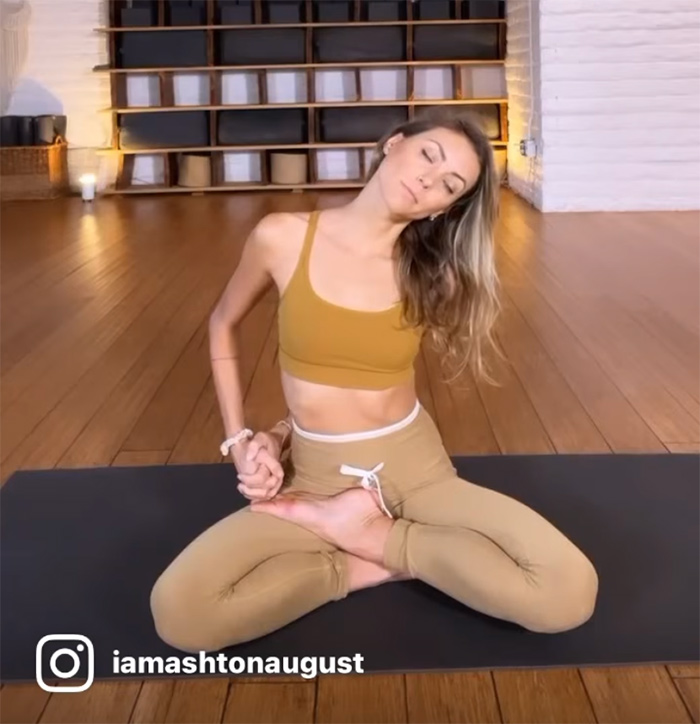
Lateral Cervical Release
By allowing the ear to move toward the shoulder while simultaneously anchoring the opposite arm, individuals can elongate the trapezius and levator scapulae muscles. This maneuver is essential for counteracting the side-bending compression often caused by holding a phone between the ear and shoulder.
Thoracic Extension and Mobility
Movements such as the "Puppy Pose" or "Seal Pose with Rotational Dips" are designed to expand the chest and mobilize the thoracic spine. Because the thoracic spine is intended to be the most mobile section of the upper back, restoring its range of motion is crucial for preventing the neck from overcompensating for stiffness in the mid-back.
Shoulder Girdle Integration
The "Thread the Needle" pose and simple shoulder rolls serve to decompress the area between the shoulder blades. These movements improve local circulation, which is necessary for the removal of metabolic waste products that build up in chronically contracted tissues.
Analysis: Implications for Long-Term Health
The broader impact of unmanaged neck and shoulder tension extends beyond mere discomfort; it is a significant contributor to workplace absenteeism and diminished productivity. From a clinical perspective, the goal of intervention is not merely to "stretch out" the pain, but to retrain the body to maintain proper alignment during daily activities.
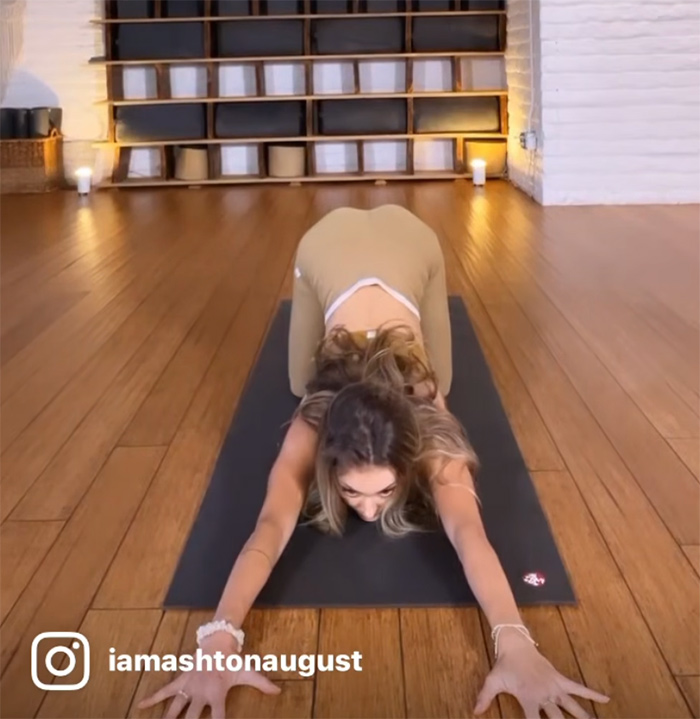
A fact-based analysis of workplace health interventions indicates that consistent, brief movement breaks—often termed "micro-breaks"—are more effective than long, infrequent sessions of exercise. Integrating a five-minute movement routine into the daily schedule can yield cumulative benefits, including improved spinal alignment, increased blood flow to the cervical region, and a reduction in the reliance on over-the-counter analgesics.
Professional Guidance and Safety Protocols
While mindful movement is a powerful tool for self-management, it is not a substitute for professional medical intervention in cases of injury or chronic pain. Healthcare professionals emphasize that individuals experiencing radiating pain, numbness in the extremities, or persistent headaches should seek a formal medical evaluation. These symptoms can be indicators of underlying conditions such as cervical disc herniation or nerve impingement, which require specialized clinical treatment rather than generalized stretching.
The transition from a state of chronic tension to physical ease requires consistency. By acknowledging the mechanical demands of modern life and proactively incorporating corrective movement into one’s daily routine, individuals can mitigate the risks associated with modern posture. Ultimately, the objective is to cultivate an awareness of one’s body that allows for the identification and release of tension before it manifests as a chronic condition. Through a disciplined, evidence-based approach to wellness, it is possible to achieve sustainable relief and improved quality of life, even within the confines of a high-tech, screen-reliant world.
Related posts: