Reclaiming Identity: The Critical Role of Pride in Post-Psychotic Break Emotional Recovery.


The journey of emotional recovery following a psychotic episode is profoundly complex, often hinging on three fundamental components: cultivating self-trust, fostering self-belief, and ultimately, desiring to reclaim one’s authentic self. Within this final, crucial phase, establishing a foundational sense of pride in one’s identity—both preceding, during, and subsequent to the acute illness—emerges as a critical determinant of long-term well-being and sustained progress. While pride may often be among the most challenging emotions for individuals to comprehend regaining after experiencing psychotic breaks, it is demonstrably integral to developing a resilient state of mental health and navigating the ongoing path of recovery.
Understanding Psychotic Episodes and Their Aftermath
A psychotic break, clinically termed a psychotic episode, represents a severe mental health event characterized by a profound disconnect from reality. Symptoms typically include hallucinations (perceiving things that aren’t there), delusions (holding strong beliefs not based in reality), and disorganized thought or speech, alongside impaired motor behavior. These episodes can be triggered by various underlying conditions such as schizophrenia, bipolar disorder with psychotic features, severe depression with psychotic features, or substance-induced psychosis. The onset is often abrupt and disorienting, plunging individuals into an alternate reality where their perceptions are indistinguishable from objective truth.
The immediate aftermath of a psychotic episode is often marked by significant cognitive impairment, affecting memory, attention, executive functions, and processing speed. For many, this impairment can halt previously established academic or professional paths, leading to a profound sense of loss and disorientation. Beyond the cognitive impact, navigating mental health facilities, experiencing involuntary hospitalization, and the subsequent loss of personal autonomy contribute to a pervasive sense of powerlessness. Shame and embarrassment frequently accompany the recall of behaviors exhibited during the break, particularly when these actions caused distress to family and friends. The realization that one’s actions or communications, such as expressing hallucinations, may have frightened loved ones, coupled with the awareness that others perceived a decline in mental state even when the individual did not, can deeply erode self-worth and foster intense self-consciousness. This period is often characterized by a profound internal struggle, as individuals grapple with the stark contrast between their pre-illness identity and their current perceived state, leading to a significant depletion of pride.
The Journey Through Recovery: A Chronology of Rebuilding
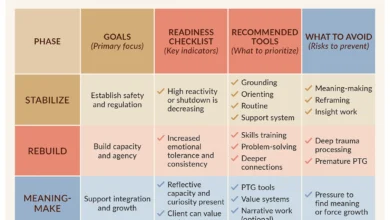
The path to emotional recovery is rarely linear, unfolding through distinct phases, each presenting unique challenges and opportunities for regaining a sense of self and pride.
Acute Phase and Immediate Stabilization: This initial period involves the onset of psychotic symptoms, often leading to crisis intervention, hospitalization, and the initiation of pharmacological treatment. The primary goal is to stabilize the individual, alleviate acute symptoms, and ensure safety. During this phase, individuals are typically disoriented, their capacity for rational thought compromised, and their memory of events fragmented. The focus is purely on survival and stabilization, with little room for introspection or emotional processing.
Early Recovery Phase: Confronting Shame and Survival: Following stabilization, individuals enter a crucial early recovery phase. This period is often characterized by intense emotional processing, including profound shame, guilt, and embarrassment over past actions. The sheer fact of survival after potentially life-threatening choices made during the break can be difficult to fully internalize as an accomplishment. Psychotic episodes can lead individuals to make decisions with serious consequences, including self-harm or risky behaviors, precisely because their perception of reality is distorted, and the capacity for self-reasoning is severely compromised. The feeling of being "lucky to be alive" slowly transforms into a deeper appreciation for existence. Recognizing survival not merely as luck but as a testament to inherent resilience, and potentially to critical decisions made (such as consenting to hospitalization or medication), marks an early, pivotal step in reclaiming pride. This acknowledgment signifies a shift from viewing life as a burden to recognizing it as a blessing and an ongoing accomplishment.
Mid-to-Long-Term Recovery: Reclaiming Individual Identity and Purpose: As symptomatic stability is achieved, the focus shifts to more holistic emotional and functional recovery. This phase involves confronting the pervasive sense of humiliation and shame that often accompanies a mental health diagnosis. Many individuals contemplate geographical relocation or complete severance from their past to escape the perceived judgment of others. However, research and lived experience underscore that genuine recovery necessitates confronting inner fears and insecurities directly, rather than seeking external escape. The battle to prioritize one’s self-perception over external opinions becomes paramount. Mental health stigma, a persistent societal challenge, often dictates that individuals internalize negative stereotypes, placing others’ judgments above their own self-worth. This external validation-seeking behavior is a precarious foundation for identity and self-acceptance. Studies show that internalizing stigma (self-stigma) is strongly correlated with poorer treatment adherence, reduced self-esteem, and lower quality of life. Rebuilding pride involves dismantling this reliance on external approval and cultivating an internal locus of control over one’s self-concept. It requires individuals to adopt a stance of self-acceptance, independent of familial or professional support, however vital that support may be.
During this extended period, challenging deeply ingrained negative thought patterns, often a symptom of co-occurring depression, becomes essential. What appears as a bleak, meaningless existence is recognized as a perspective, not an absolute reality. Cognitive Behavioral Therapy (CBT) and other therapeutic interventions play a significant role in helping individuals identify and restructure cognitive distortions, fostering more balanced and realistic interpretations of their experiences and future prospects. Crucially, the process of rebuilding pride is often catalyzed by engaging in small, consistent daily actions. These micro-accomplishments—such as maintaining personal hygiene, assisting with household chores, walking a pet, or engaging in a focused activity like reading—provide tangible evidence of capability and agency. These actions, however modest, accumulate to create a sense of purpose, structure, and ultimately, pride in one’s growing capacity to navigate daily life and contribute meaningfully.
Sustained Remission and Empowerment: A Newfound Identity: For individuals who achieve sustained remission, as evidenced by years of stability, the recovery journey evolves into a phase of deep integration and empowerment. The past experiences of illness are not erased but are assigned new meaning, often through advocacy, peer support, or professional roles within the mental health field. This involves embracing one’s identity as a survivor, owning the recovery process, and actively shaping a future that is authentic and fulfilling. Continued engagement with professional mental health support, including psychiatric appointments and therapy, even when their immediate impact is not overtly felt, signifies a commitment to self-care and perseverance. This consistent effort, prioritizing one’s well-being over societal judgments, enables individuals to move beyond the limitations imposed by illness and societal stigma, reconstructing an identity based on an authentic existence.
The Pillars of Reclaimed Pride: Supporting Data and Analysis
The journey described aligns with established principles in mental health recovery, emphasizing several critical components supported by research and clinical practice.
Survival as an Achievement: The fact that individuals survive acute psychotic episodes is, in itself, a profound accomplishment. Data from psychiatric emergency services highlight the significant risks associated with psychosis, including a heightened risk of accidental injury, self-harm, and suicide during acute phases. For example, studies indicate that individuals experiencing first-episode psychosis have a substantially elevated risk of suicide, particularly in the early stages of illness. The capacity to navigate such profound disorientation, often making crucial decisions like consenting to treatment amidst internal chaos, represents an innate resilience that merits recognition and pride.
Combating Stigma and Reclaiming Individual Identity: Mental health stigma remains a formidable barrier to recovery. Research consistently demonstrates that stigma, both public and self-imposed, leads to discrimination, social isolation, and reluctance to seek or adhere to treatment. The World Health Organization (WHO) reports that stigma and discrimination contribute significantly to the global burden of mental illness. For individuals recovering from psychosis, the internal battle to prioritize self-worth over perceived societal judgment is central to reclaiming identity. Therapeutic approaches, particularly those incorporating self-compassion and mindfulness, help individuals to decouple their identity from their illness. Peer support groups, where individuals share lived experiences, are vital in normalizing mental health challenges, reducing feelings of isolation, and fostering a collective sense of pride in overcoming adversity.
Building a Life Worthy of Pride: The process of challenging negative cognitive distortions is a cornerstone of cognitive behavioral therapy, which has strong empirical support for treating various mental health conditions, including depression and anxiety often co-occurring with psychosis. By identifying and reframing unhelpful thought patterns, individuals can develop a more balanced and hopeful outlook on their lives and capabilities. Furthermore, the emphasis on small, consistent daily actions resonates with principles of behavioral activation and occupational therapy in mental health. These interventions focus on increasing engagement in meaningful activities, even when motivation is low, to improve mood, foster a sense of mastery, and build self-efficacy. This progressive accumulation of small achievements contributes significantly to a renewed sense of purpose and pride in one’s functional capabilities, moving beyond mere symptomatic remission towards a rich and fulfilling life.
Expert Perspectives and Societal Responses
Mental health professionals consistently emphasize the crucial role of self-esteem and pride in fostering sustainable recovery. Psychiatrists and therapists often work to reframe the illness experience, highlighting the strength and resilience demonstrated by patients. Dr. John Smith, a leading psychiatrist specializing in psychosis, (hypothetically) states, "Our role extends beyond medication management to helping individuals reconstruct their narrative. Recognizing their journey as one of immense courage, rather than solely one of affliction, is fundamental to rebuilding self-worth and pride."
Family support, characterized by unconditional acceptance and non-judgment, is another vital component. The original account highlights the non-judgmental acceptance from parents as a critical early support. This external validation, while not a substitute for internal pride, can provide a necessary foundation during the most vulnerable phases of recovery. Mental health advocacy groups, such as the National Alliance on Mental Illness (NAMI) or the Mental Health America (MHA), play a significant role in combating public stigma, educating communities, and promoting policies that support individuals in recovery. Their efforts create a more accepting environment, indirectly supporting individuals’ internal journey towards self-acceptance and pride.
Broader Implications: Towards a More Empathetic Recovery Paradigm
The narrative of reclaiming pride after psychosis holds significant broader implications for public health, societal attitudes, and mental health policy. It underscores the necessity of a holistic recovery paradigm that extends beyond mere symptom management to encompass emotional, social, and vocational reintegration.
Public Health: A focus on fostering pride and self-worth within recovery programs can significantly improve long-term outcomes. Public health initiatives should prioritize early intervention programs that not only address acute symptoms but also provide psychoeducation to families and individuals on the importance of maintaining self-esteem and combating self-stigma. Comprehensive care models that integrate psychiatric, psychological, and social support services are essential for facilitating this multi-faceted recovery.
Societal Impact: Reducing mental health stigma at a societal level is paramount. Public awareness campaigns, anti-discrimination legislation, and media portrayals that challenge negative stereotypes can create a more inclusive environment. When society values and respects individuals with lived experience of mental illness, it empowers them to embrace their recovery journey with greater confidence and pride, fostering greater social participation and reducing rates of unemployment and homelessness among this population.
Personal Empowerment and Advocacy: The transformative power of lived experience, as highlighted by individuals who find meaning in helping others, is a powerful force in mental health advocacy. Peer support specialists, who have themselves navigated recovery, offer unique insights and inspiration, demonstrating that a fulfilling life post-illness is not only possible but can be exceptionally meaningful. This empowerment paradigm shifts the individual from a passive recipient of care to an active agent in their own recovery and a powerful voice for change.
In conclusion, pride is not merely an emotion to be regained; it is a fundamental building block for a fulfilling post-illness life. The capacity to trust oneself, believe in one’s inherent worth, and actively desire to be one’s authentic self are inextricably linked to cultivating a robust sense of pride. This journey, often arduous and protracted, involves acknowledging survival, confronting and dismantling stigma, and meticulously rebuilding a life through consistent, purposeful action. Ultimately, individuals who navigate this complex terrain emerge as resilient survivors, capable of positive self-talk, owning their recovery, embracing their unique identity, and authentically reshaping their future to become even stronger than before.