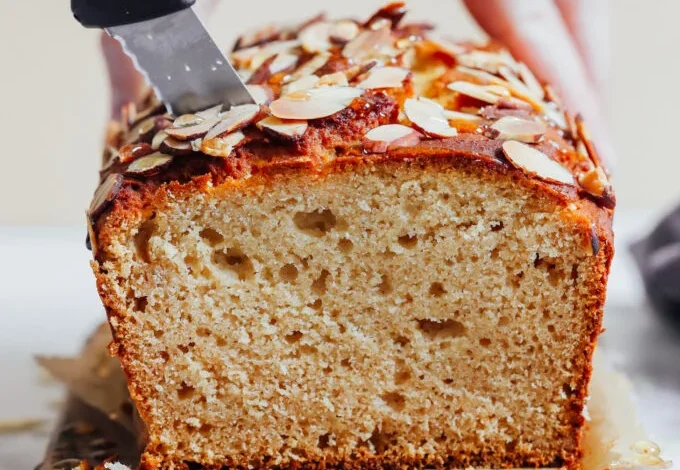
The contemporary culinary landscape has experienced a profound shift toward inclusive baking, driven by rising consumer demand for dietary alternatives that do not compromise on flavor, texture, or cultural familiarity. Addressing this market need, food developers and lifestyle platforms have increasingly focused on simplified, allergen-conscious recipes that utilize minimal equipment. A prominent example of this trend is the newly introduced formulation for a one-bowl, gluten-free, and dairy-free honey almond snack cake, designed to streamline home baking while accommodating dietary restrictions.
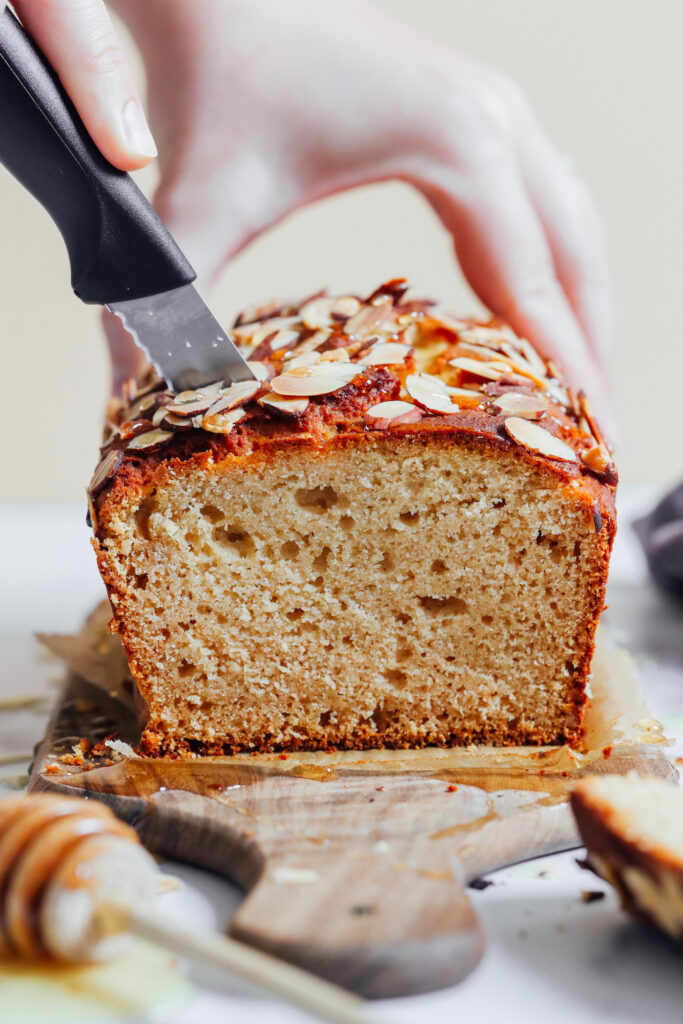
Background Context and Dietary Evolution
In recent years, the market for gluten-free and dairy-free packaged goods and home baking supplies has expanded exponentially. According to recent food industry reports, the global gluten-free product market continues to grow at a compound annual growth rate exceeding seven percent, fueled by diagnoses of celiac disease, non-celiac gluten sensitivity, and lifestyle-driven preferences for grain-alternative diets. Concurrently, consumers increasingly seek out baking solutions that reduce cleanup time, utilize accessible pantry staples, and avoid specialized, multi-step commercial equipment such as electric mixers.
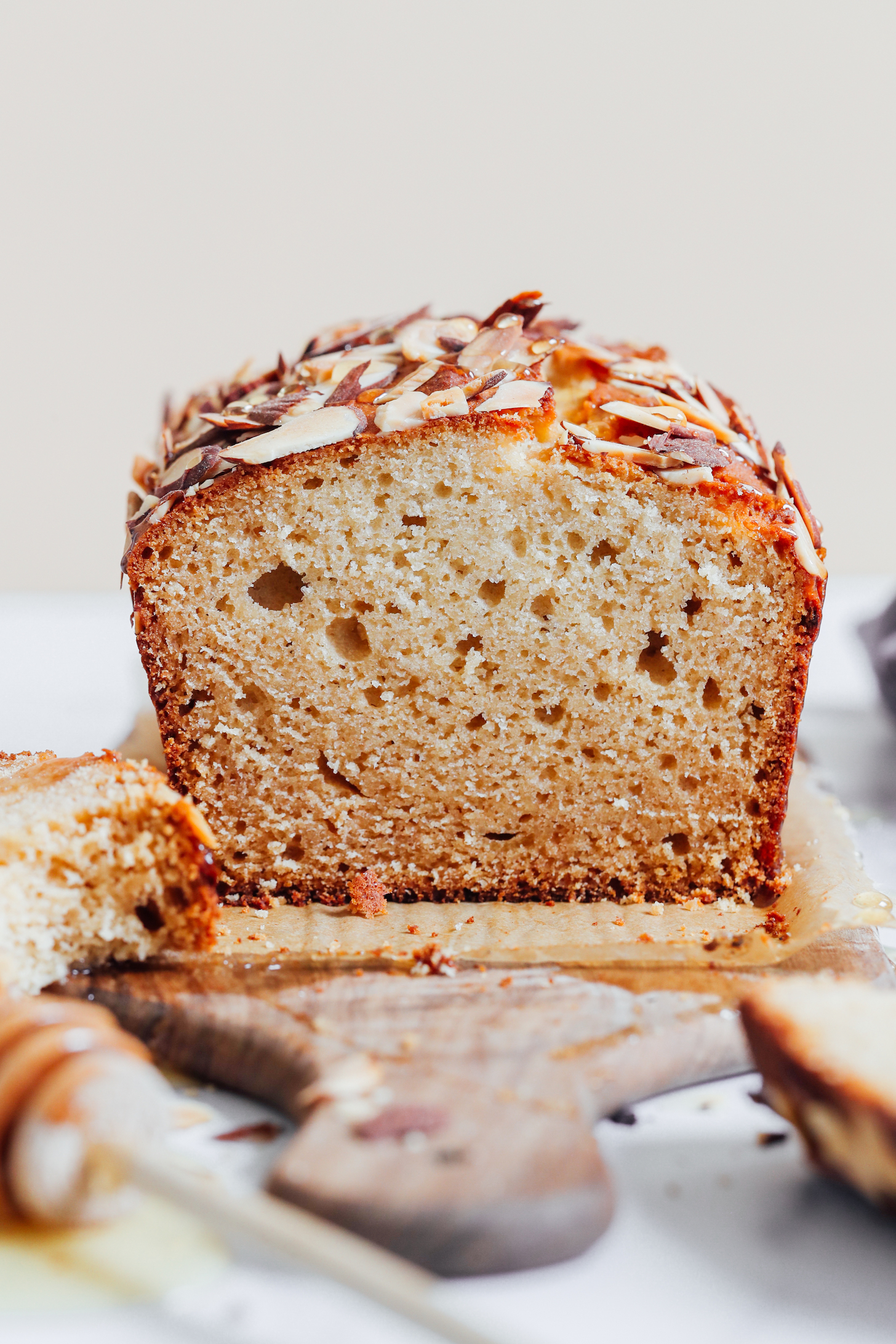
The introduction of single-vessel baking methods addresses these consumer pain points by combining wet and successively dry ingredients within a single mixing container. The honey almond snack cake formulation leverages almond flour and a specialized gluten-free flour blend to replicate the light, spongy crumb structure traditionally associated with wheat-based confections. Furthermore, the incorporation of dairy-free butter and yogurt maintains moisture integrity without the use of animal fats.
Chronology and Recipe Development
The conceptualization and public release of the honey almond snack cake followed a standard culinary development lifecycle typical of modern digital recipe publishing. Initial testing phases focused on balancing the floral notes of natural honey with the nutty profile of almond extract and sliced almond toppings.
The preparation timeline is structured for efficiency, requiring approximately 10 minutes of active prep time and 45 minutes of baking time, bringing the total time investment to 55 minutes. The chronology of preparation is outlined as follows:
- Preparation and Lining: A standard loaf pan is lined with parchment paper to ensure effortless removal and prevent structural damage to the delicate sponge. Alternative testing indicates compatibility with an eight-inch round cake pan, though baking times require adjustment due to depth variance.
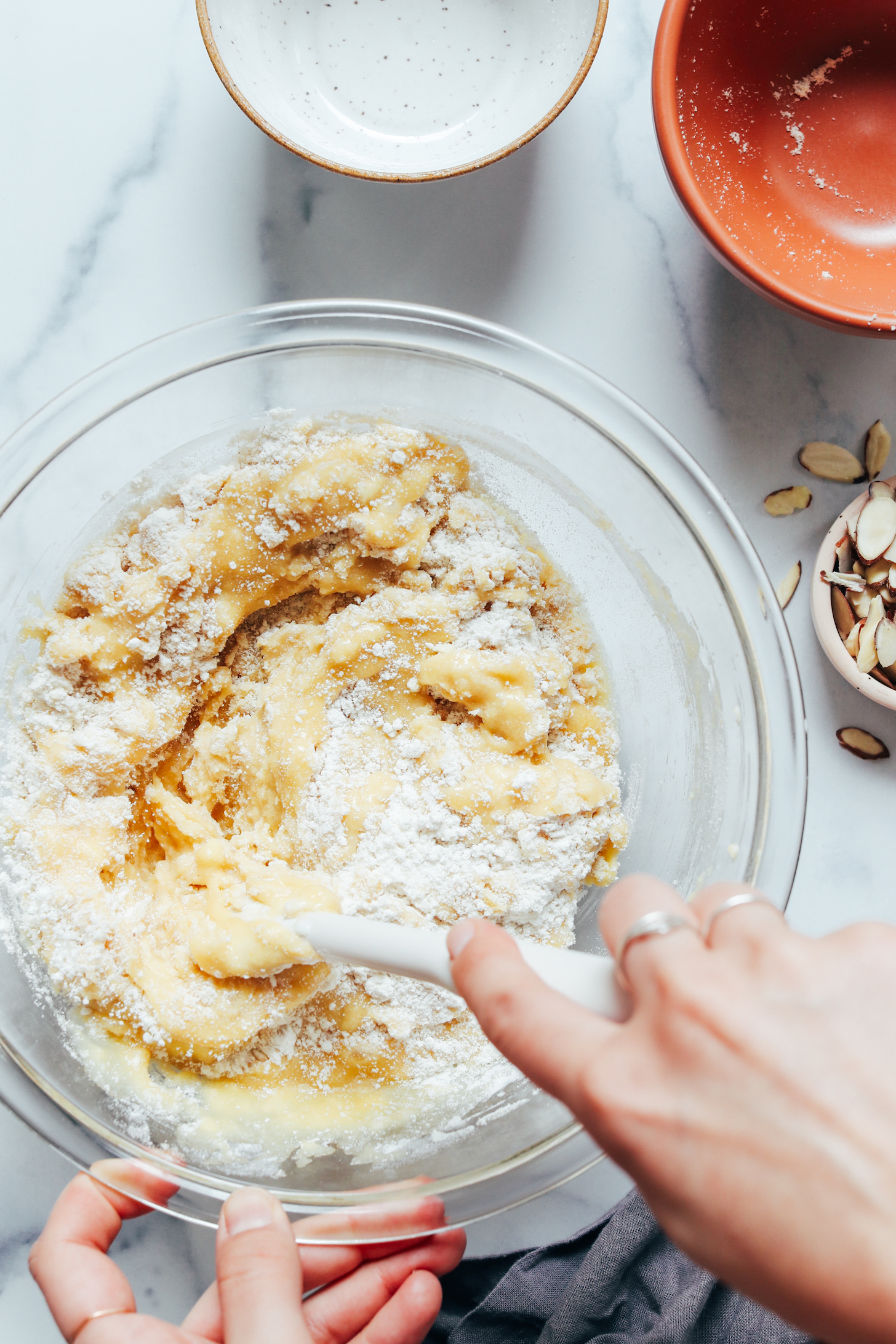
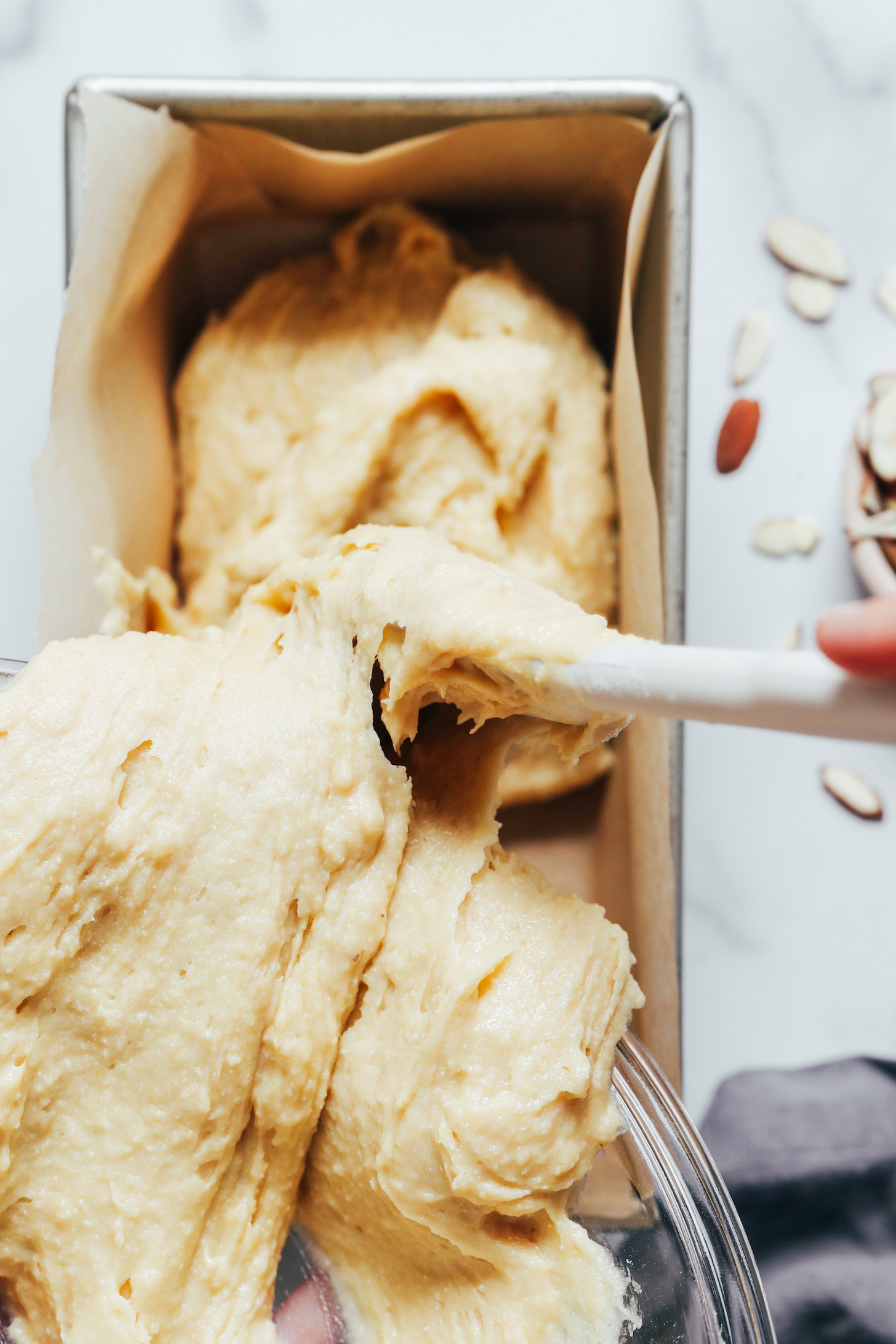
- Mixing: Wet ingredients are combined in a single bowl, followed by the integration of dry components using basic manual utensils, eliminating the need for electric mixers.
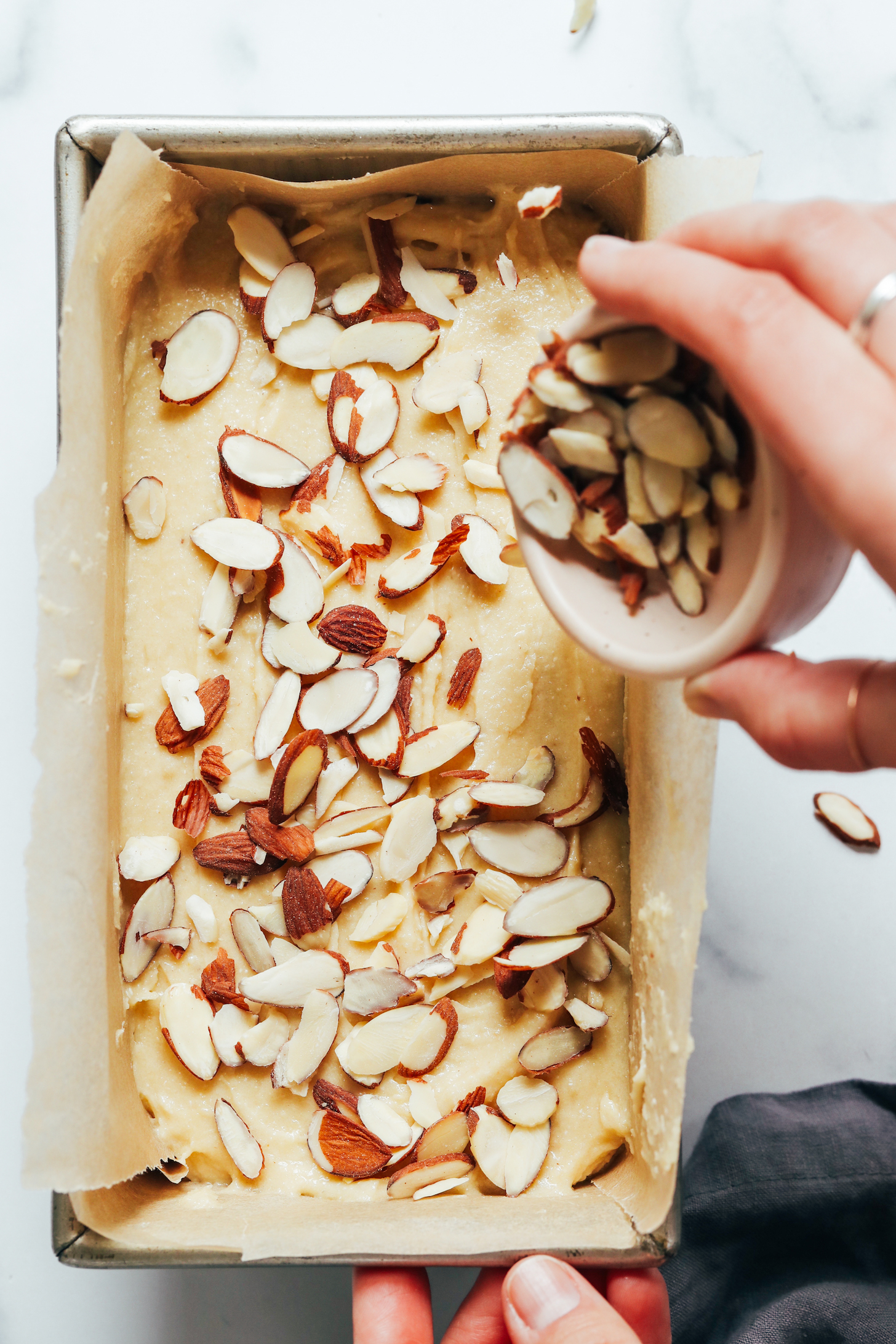
- Pan Transfer and Topping: The batter is poured into the prepared loaf pan and uniformly topped with sliced almonds to add texture and visual presentation value.
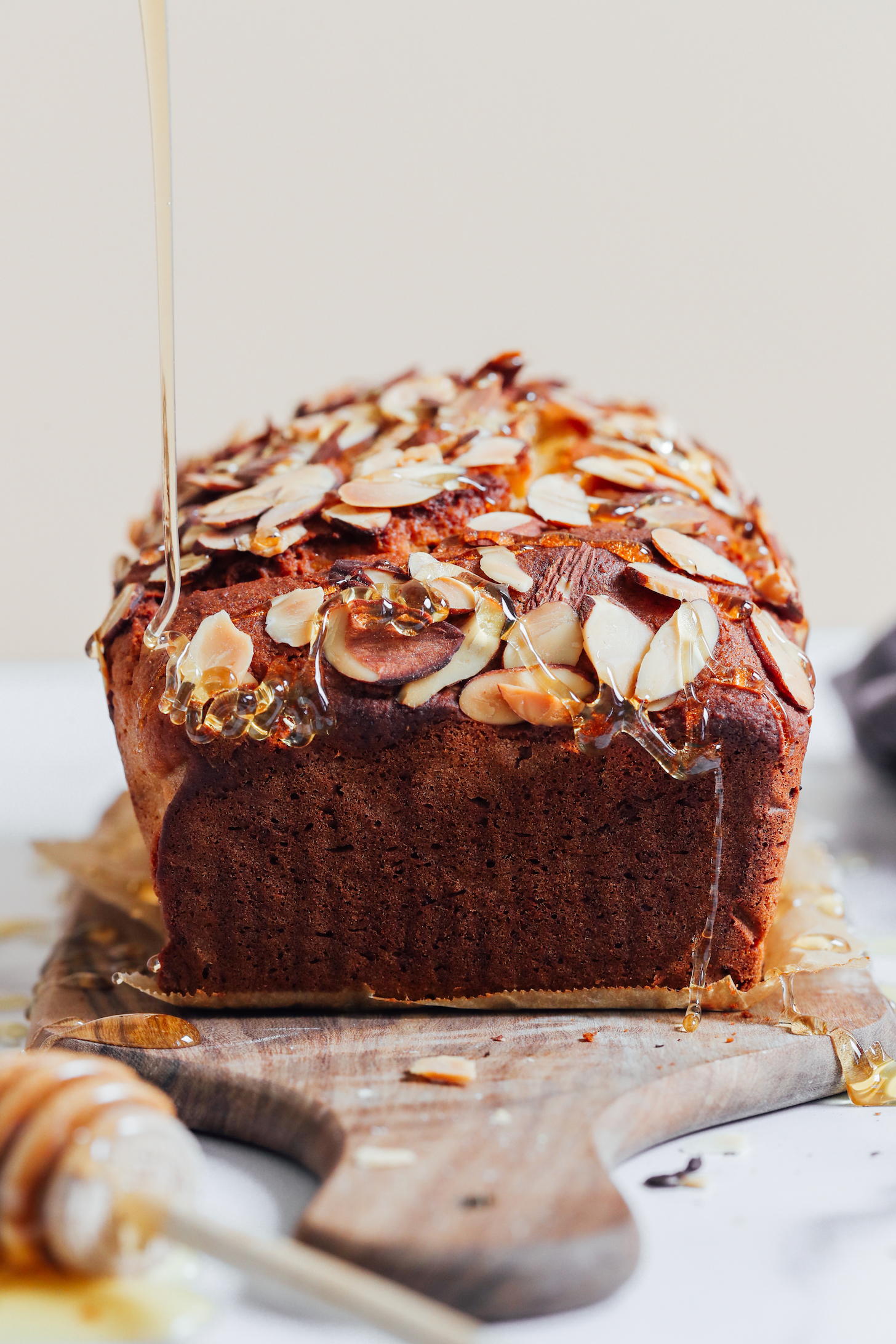
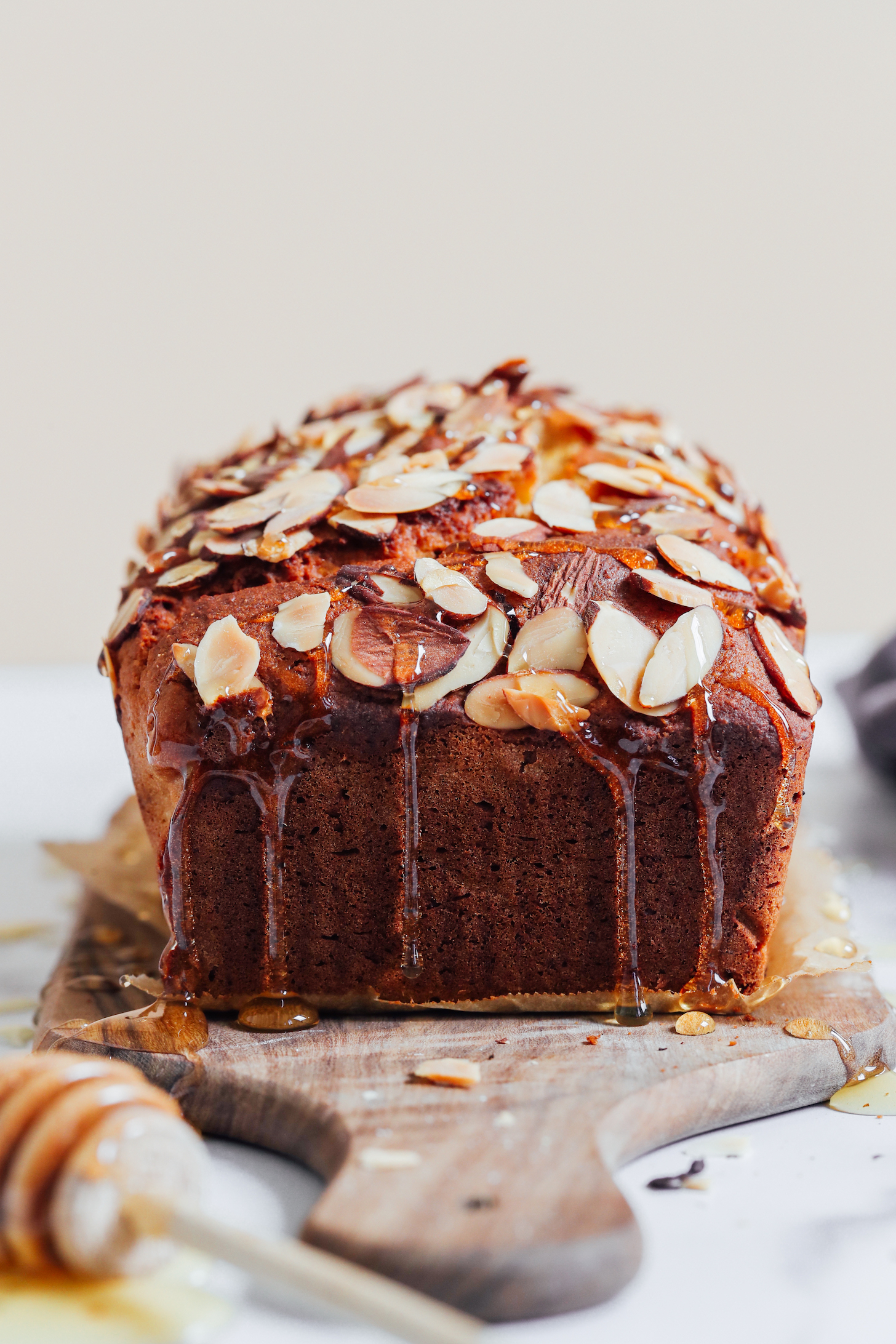
- Baking and Finishing: The cake is baked until golden and set, followed by a cooling period and an optional post-bake honey drizzle to enhance surface moisture and sweetness.
Nutritional Profile and Ingredient Specifications
Designed to yield 12 distinct servings, the snack cake provides a carefully calibrated nutritional profile per slice. Laboratory and dietary estimations indicate that a single serving contains approximately 245 calories, 33.7 grams of carbohydrates, 3.7 grams of protein, and 11.8 grams of total fat, of which 5.7 grams are saturated fat. The recipe contains zero trans fats and incorporates 1.7 grams of dietary fiber per slice.
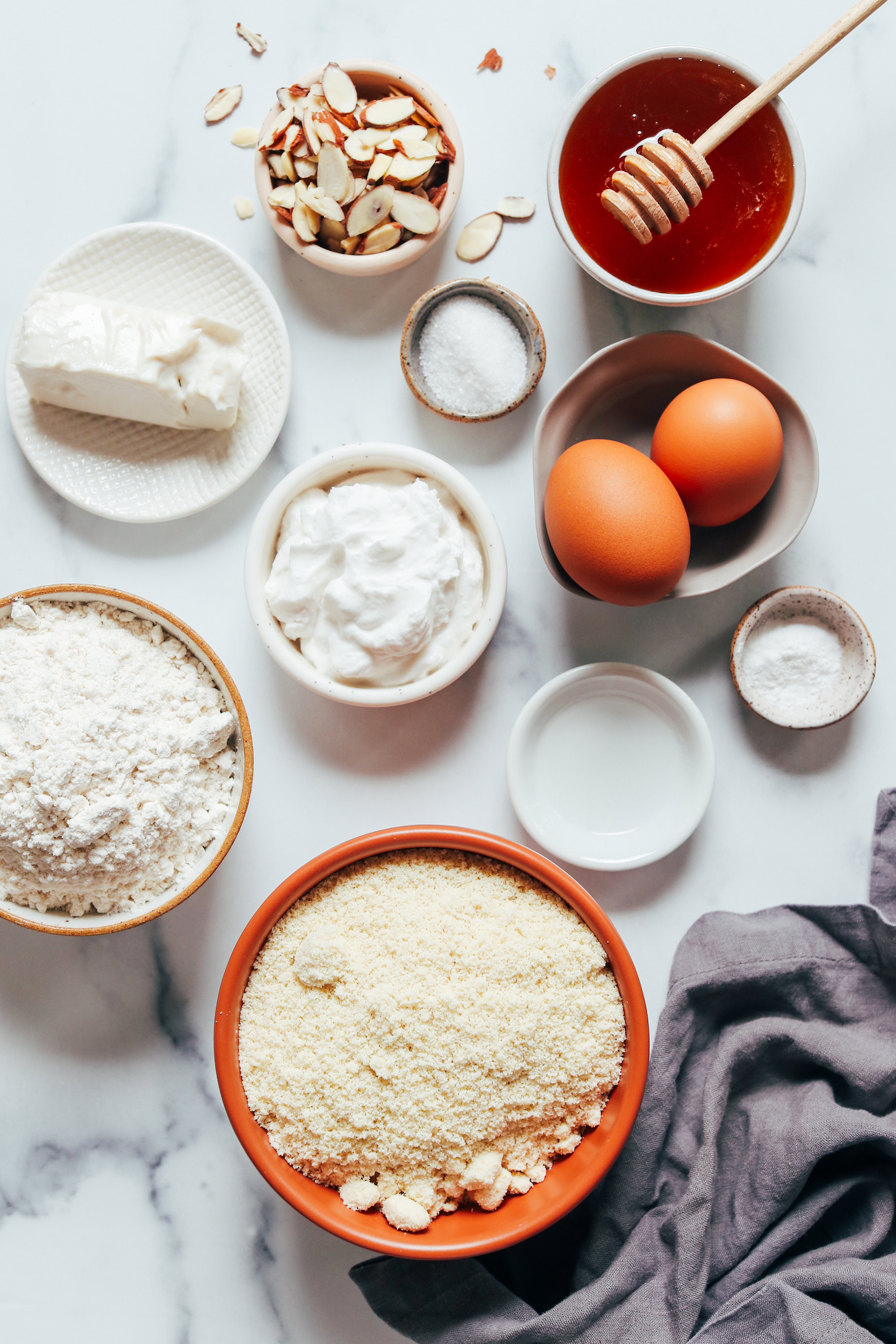
The formulation relies on 10 core ingredients, emphasizing whole-food components and natural sweeteners rather than refined substitutes. The primary structural and binding agents include eggs, which contribute to the cake’s rise and crumb stability. For consumers adhering to vegan or plant-based diets, preliminary recipe notes suggest potential substitutions, such as replacing eggs with five tablespoons of applesauce or aquafaba, though these variations remain subject to home-kitchen validation.
The flour component utilizes either a proprietary DIY gluten-free flour blend or commercially available one-to-one baking substitutes, such as Bob’s Red Mill 1:1 Gluten-Free Baking Flour, ensuring broad accessibility for home bakers without requiring specialty mail-order items.
Industry Implications and Consumer Response
The release of simplified, allergen-friendly baking recipes reflects broader socioeconomic trends emphasizing home-based culinary arts, mental wellness through cooking, and dietary inclusivity in social gatherings. Culinary analysts note that recipes accommodating multiple dietary restrictions—such as being simultaneously gluten-free, dairy-free, and naturally sweetened—reduce the logistical burden on hosts entertaining guests with diverse nutritional needs.
Furthermore, the emphasis on minimal dishwashing (“one-bowl” preparation) aligns with consumer research indicating that cleanup time remains a primary deterrent for individuals considering scratch-baking over convenience foods. By lowering technical barriers and equipment requirements, recipes of this nature encourage broader participation in home baking, supporting sustained growth in the specialty baking ingredient sector.
Storage and Pairing Recommendations
From a practical standpoint, the honey almond snack cake demonstrates favorable storage characteristics, retaining its moisture profile for three to four days when stored correctly at room temperature or in refrigerated conditions. Additionally, the loaf is freezer-friendly, maintaining structural integrity for up to one month, making it suitable for meal-prep and advance entertaining preparation.
Culinary pairing recommendations accompanying the release suggest serving the snack cake alongside traditional and herbal beverages, including pour-over coffee, masala chai, Earl Grey tea, lemon-ginger jasmine iced tea, or cinnamon-vanilla dandelion tea lattes. These beverage pairings are selected to complement the subtle floral sweetness of the honey and the rich, nutty undertones of the almond flour base.