Bridging the Health Gap: How Plant-Based Diets Can Address Racial Disparities in African American Communities

The stark health disparities that persist in the United States have long drawn the scrutiny of public health officials, sociologists, and medical researchers. For decades, Black Americans have experienced higher rates of chronic illness and significantly lower life expectancies compared to their white counterparts. While these disparities were magnified during the height of the COVID-19 pandemic—where mortality rates for African Americans soared to as high as six times those of white Americans—the underlying health gap is deeply entrenched and predates the public health crisis by many years.
Today, the mortality gap remains a pressing public health challenge. Statistical data reveals that the life expectancy gap between Black and white women hovers around three years, while for men, the disparity stretches closer to five years. Addressing this persistent inequality requires a comprehensive examination of the complex interplay between socioeconomic determinants, targeted commercial marketing, environmental factors, and the profound, measurable impact of nutritional choices.
A Complex Web of Contributing Factors
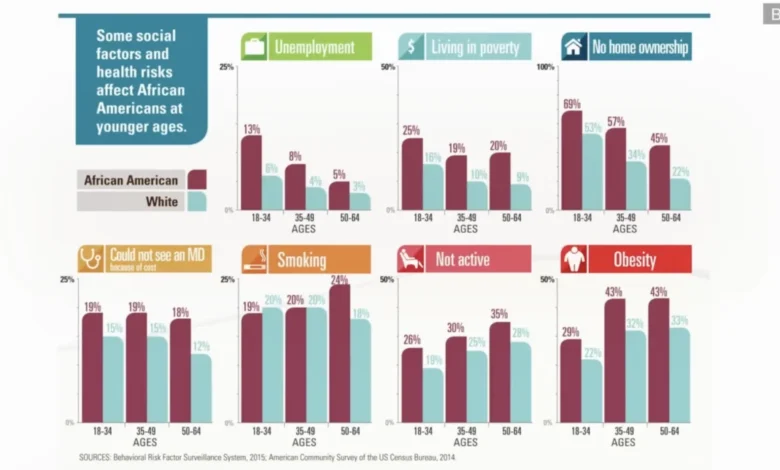
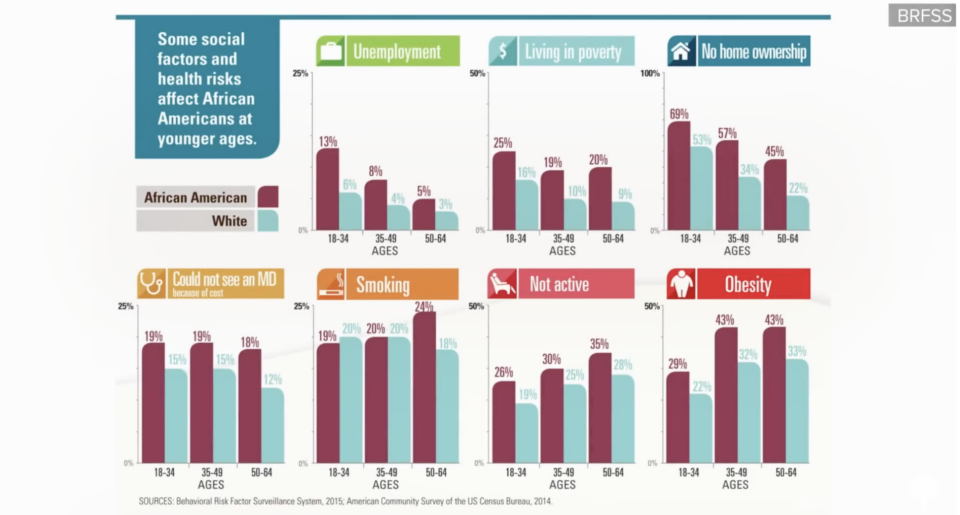
The root causes of racial health disparities are multifaceted, extending far beyond individual lifestyle choices. Socioeconomic status plays a foundational role in shaping health outcomes across the United States. Systemic inequities have historically tied race closely to economic class, leaving African Americans roughly twice as likely to live in poverty compared to white Americans. Educational attainment levels also frequently reflect these economic divisions.
However, socioeconomic status alone does not fully account for the discrepancy. Public health studies consistently show that even among African Americans with higher education levels and economic resources comparable to their white peers, health outcomes often remain disproportionately poor. This reality points to a broader matrix of environmental constraints, systemic stressors, and lifestyle behaviors influenced by external forces.

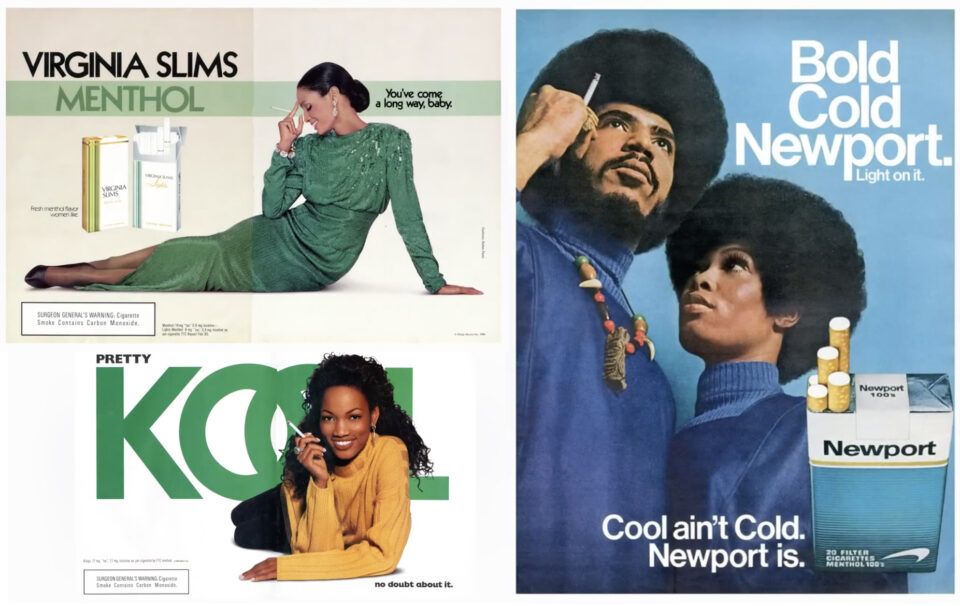
For instance, lifestyle data indicates that fewer than five percent of African American adults meet national physical activity guidelines. While smoking rates between Black and white populations are comparable, African Americans face distinct challenges regarding tobacco cessation. Statistics show they are more likely to be exposed to secondhand smoke and experience lower quit rates. Public health advocates attribute this trend largely to the aggressive marketing of menthol cigarettes by tobacco companies, which disproportionately target Black communities. Menthol enhances the addictive potential of nicotine, making cessation significantly more difficult.
Food Insecurity and Targeted Commercial Environments
Dietary patterns and food accessibility represent another critical dimension of the racial health gap. Environmental justice research highlights severe disparities in neighborhood resources, often referred to as food deserts and food swamps. Predominantly Black neighborhoods frequently lack adequate access to fresh, healthy foods. Studies indicate that these communities can have up to four times fewer supermarkets than predominantly white neighborhoods. Conversely, they are often saturated with fast-food establishments, boasting approximately 60 percent more fast-food restaurants per square mile.
This physical environment is compounded by targeted media messaging. Analyses of television broadcasts during prime time—particularly on networks and shows geared toward Black audiences—reveal a higher density of food commercials. Research shows that African American viewers may receive nearly three times as many advertisements for low-nutrient, high-sugar items, such as candy and soda, compared to general audiences. These combined pressures contribute to lower consumption rates of fruits and vegetables and higher intake of processed, nutrient-poor foods.
Nevertheless, public health experts emphasize that dietary behaviors alone do not fully explain diet-related disease patterns. Disparities in employment opportunities, homeownership rates, poverty levels, and equitable healthcare access all intersect to influence overall wellness. Structural racism and income inequality remain potent drivers of chronic illness. Yet, amidst these systemic hurdles, emerging clinical evidence suggests that targeted nutritional interventions can offer a powerful tool for mitigating specific disease risks.
The Protective Power of Plant-Based Nutrition
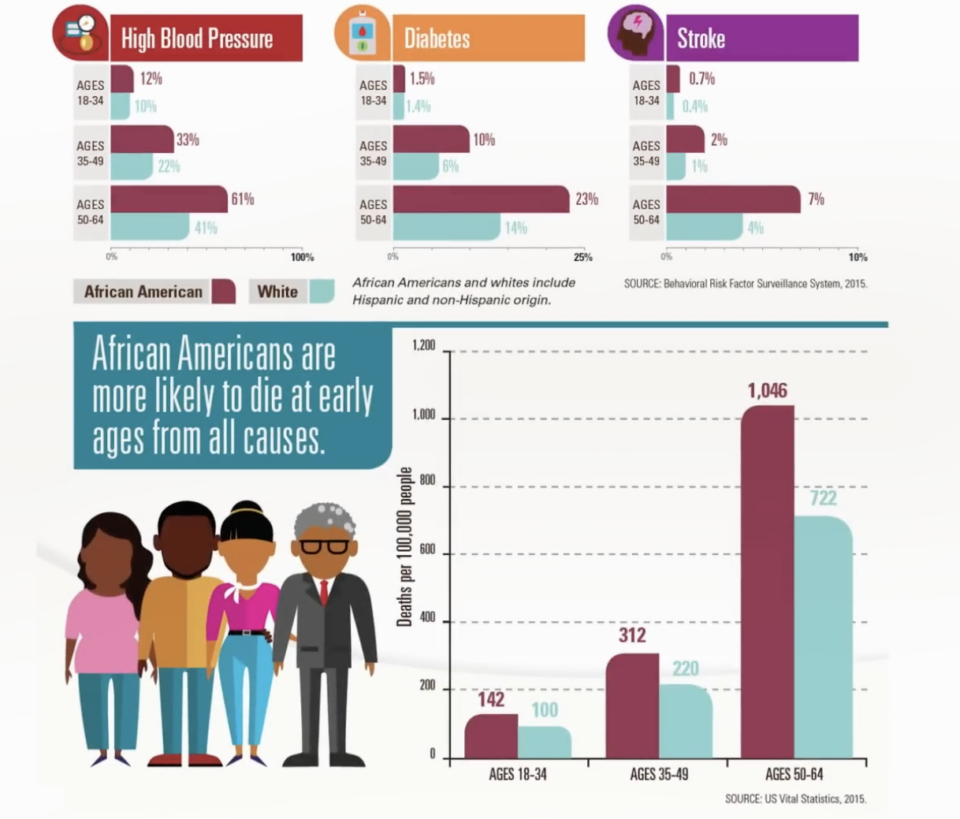
While large-scale systemic reforms are necessary to address income inequality and healthcare access, medical researchers have increasingly focused on the biochemical impact of diet on chronic conditions such as cardiovascular disease and type 2 diabetes. Robust data indicates that adopting a plant-based diet can dramatically reduce—and in some cases nearly eliminate—racial disparities in these specific areas.
Consider the epidemiological data regarding diabetes. When controlling for variables such as education, income, physical activity, and Body Mass Index (BMI), non-Black individuals adhering strictly to plant-based diets experienced 57 percent lower odds of developing diabetes. Among Black vegans, the protective effect was even more pronounced, showing a 70 percent reduction in the odds of diabetes compared to Black omnivores, even after accounting for BMI.
This means that even at identical body weights, Black vegans demonstrated a substantially lower risk profile. While the baseline racial disparity in diabetes risk hovers around 36 percent—meaning African Americans face an elevated risk of about one-third—the protective effect of a vegan diet reaches approximately 70 percent, effectively neutralizing and surpassing the statistical gap. Even a vegetarian diet incorporating dairy and eggs has been shown to more than counteract the baseline racial disparity in diabetes risk.
Furthermore, obesity rates among African Americans are notably higher, a factor estimated to reduce average lifespans by up to six years. Clinical findings indicate that Black vegetarians and vegans possess less than half the risk of obesity compared to meat-eaters, a statistic adjusted for differences in physical activity levels. Even with identical exercise routines, individuals consuming plant-based diets faced only a fraction of the obesity risk.
Tackling Hypertension and Cholesterol
Hypertension serves as the single most significant contributor to cardiovascular disease burden and mortality within African American communities. Yet, studies tracking dietary habits reveal that Black vegetarians and vegans combined experienced 44 percent lower odds of hypertension. Notably, individuals who eliminated all meat except fish did not experience this same protective benefit, underscoring the specific advantage of completely plant-based or vegetarian regimens.
A parallel trend emerges when examining lipid profiles. Total cholesterol and low-density lipoprotein (LDL) cholesterol levels were cut in half among Black vegetarians and vegans. Comparative studies focusing strictly on African American populations—such as investigations contrasting vegans with lacto-ovo-vegetarians—reveal that vegans maintain significantly lower LDL cholesterol levels and healthier overall biometric profiles, even when accounting for variations in baseline weight.
Broader Health Implications and Genetic Factors
The potential benefits of plant-based nutrition extend into other areas of chronic illness where African Americans bear a disproportionate burden, such as chronic kidney disease (CKD). Beyond the indirect risks posed by elevated rates of hypertension and diabetes, genetic factors also play a role. Between 8 and 12 percent of African Americans carry the sickle cell trait, a genetic variation associated with an increased risk of kidney complications.
Although Black individuals represent a minority of the total U.S. population, they account for more than one-third of all patients undergoing dialysis for end-stage renal disease. Clinical research demonstrates that plant-based diets offer protective mechanisms against both the onset and progression of chronic kidney disease, presenting a vital avenue for preventative care.
Additionally, epidemiological data indicates that approximately 75 percent of Black individuals experience some degree of lactose intolerance. This physiological factor further aligns with the biological advantages of adopting a dairy-free, plant-based diet, minimizing gastrointestinal distress while maximizing nutritional intake.
Taking Charge of Health Destiny
Public health advocates and medical professionals argue that the historical shortcomings of the American healthcare system in delivering adequate primary and secondary cardiovascular prevention to minority communities are unacceptable. While institutional reform, policy changes, and the dismantling of systemic barriers remain paramount for achieving true health equity, experts stress the empowering potential of nutritional self-determination.
By understanding the biochemical mechanisms of plant-based nutrition and overcoming the hurdles posed by targeted food marketing and environmental food deserts, individuals and communities can leverage dietary choices to reclaim their health. As mounting scientific literature continues to demonstrate, shifting toward nutrient-dense, plant-centered diets offers a scientifically proven pathway to dramatically reduce chronic disease burdens, bridge longstanding health gaps, and fundamentally improve the long-term well-being of African American populations across the nation.