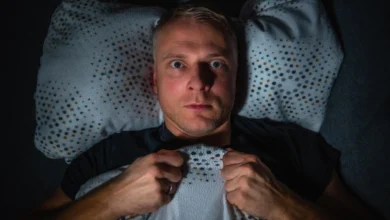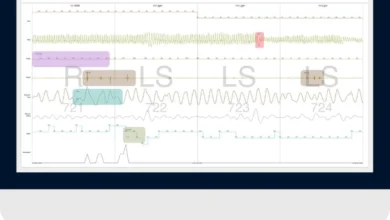
New research indicates that women with macromastia have a significantly higher likelihood of experiencing OSA, chronic migraine, and neck pain.

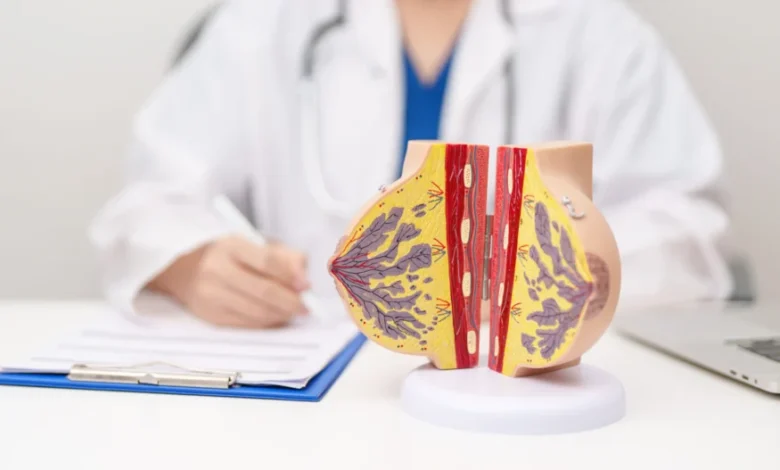
For decades, the medical community and the general public have largely categorized macromastia—a condition characterized by the excessive growth of breast tissue—as a predominantly aesthetic or cosmetic concern. However, a landmark study recently published in the journal Headache is challenging this clinical perception. Researchers from the Wake Forest University School of Medicine have identified a strong statistical correlation between macromastia and a suite of debilitating chronic health conditions, including obstructive sleep apnea (OSA), chronic migraine, persistent neck pain, and cervical radiculopathy. This revelation suggests that for many women, breast hypertrophy may be a significant, yet overlooked, driver of systemic physiological distress.
The Scope of the Clinical Investigation
The study, which analyzed comprehensive electronic health records (EHR) collected between 2017 and 2024, utilized a cohort of 687 patients treated at neurology and headache clinics affiliated with Stanford Medical Center. By splitting the participants into two distinct groups—347 women with a clinical diagnosis of macromastia and 340 women without—the researchers were able to establish a comparative framework.
To ensure the integrity of the findings, the research team employed rigorous statistical adjustments. Variables such as age, body mass index (BMI), and pre-existing diagnoses of depression and anxiety were factored out, allowing the researchers to isolate the specific impact of macromastia on the reported comorbidities. The results were stark: women with macromastia were 50% more likely to suffer from obstructive sleep apnea and 40% more likely to experience chronic migraine. Perhaps most strikingly, the risk of neck pain was doubled, and the prevalence of cervical radiculopathy—a condition involving nerve compression in the cervical spine—was more than twice as high in the study group compared to the control.
Chronology of Symptom Development and Clinical Awareness
While the retrospective nature of this study captures a snapshot of patient health between 2017 and 2024, it highlights a long-standing gap in clinical practice. Historically, patients presenting with chronic headaches or neck strain are frequently directed toward physical therapy, pharmacological interventions, or lifestyle modifications. Rarely, however, have clinical guidelines suggested a comprehensive assessment of breast tissue volume as a potential contributing factor to these neurological or musculoskeletal complaints.
The timeline of this discovery is particularly relevant in an era of personalized medicine. As neurologists and pain management specialists seek to understand the root causes of refractory migraine and chronic pain, this study serves as a call to action for interdisciplinary care. The data suggests that the mechanical burden of breast tissue may exert a cumulative strain on the musculoskeletal system, potentially triggering the neurological pathways that lead to chronic pain and sleep-disordered breathing.
Supporting Data and Physiological Mechanisms
The physiological mechanisms behind these findings warrant further exploration. In the case of obstructive sleep apnea, researchers hypothesize that the increased weight and structural changes associated with macromastia may contribute to altered pulmonary function or systemic inflammation, which can exacerbate sleep-related breathing disorders.
When considering neck pain and cervical radiculopathy, the implications are more biomechanical in nature. The constant, asymmetrical load placed on the thoracic and cervical spine by enlarged breast tissue can lead to postural changes, muscle fatigue, and chronic strain on the spinal column. Over time, this chronic misalignment can result in the compression of cervical nerves, manifesting as radiculopathy—a condition often associated with radiating pain, numbness, and muscle weakness in the upper extremities.
The link to chronic migraine is perhaps the most complex. Chronic migraine is a multifaceted neurological disorder, but it is known to be exacerbated by persistent pain elsewhere in the body. Chronic neck and shoulder discomfort can trigger sensitization of the trigeminal nerve system, effectively lowering the threshold for migraine attacks. If macromastia is a constant source of musculoskeletal tension, it may be acting as a persistent "trigger" that keeps the nervous system in a state of high reactivity.
Official Responses and Expert Perspectives
Dr. Kristyn Pocock, assistant professor of neurology at Wake Forest University School of Medicine and the study’s lead author, emphasized the shift in perspective required by these findings. "Many people think of enlarged breast tissue primarily as a cosmetic issue, but our findings suggest it may be associated with a broader range of women’s health concerns," Dr. Pocock stated in a press release.
She further noted that while clinical documentation has long captured patient complaints of shoulder discomfort or headaches, the medical community has lacked the data to connect these symptoms directly to the physical anatomy of the chest wall. The study represents an effort to validate these patient reports with empirical, data-driven research. Dr. Pocock and her team remain cautious but optimistic, suggesting that these findings provide a foundation for future clinical trials to determine if medical or surgical interventions for macromastia could serve as a viable treatment for the associated comorbidities.
Broader Implications for Women’s Healthcare
The implications of this research are far-reaching. For the millions of women worldwide who suffer from chronic pain, these findings suggest that the path to relief may require a more holistic evaluation of their physical anatomy. If a significant percentage of chronic pain cases can be attributed to the physical burden of macromastia, it opens the door to new therapeutic avenues.
Currently, treatments for macromastia, such as reduction mammoplasty, are often subjected to stringent insurance requirements that categorize the procedure as "elective" or "cosmetic." This study provides a scientific basis for re-evaluating those definitions. If the reduction of breast tissue can be shown to alleviate the severity of OSA or reduce the frequency of chronic migraines, the procedure could be reclassified as a medically necessary intervention for systemic health, rather than an aesthetic one.
Addressing the Knowledge Gap: Future Directions
Despite the significance of the findings, the researchers acknowledge the limitations of their work. Because the study was a retrospective analysis of existing medical records, it cannot definitively prove a causal link. It remains to be seen whether treating the macromastia—through physical therapy, specialized supportive garments, or surgery—directly results in the resolution of the associated conditions.
To move the needle further, future research should focus on prospective studies that track patients before and after interventions. By measuring changes in oxygen saturation levels in OSA patients or tracking the frequency of migraine "headache days" following treatment, medical professionals can confirm whether the correlation identified in the Wake Forest study is indeed a causal pathway.
Furthermore, there is a critical need for education within the medical community. Primary care physicians, neurologists, and sleep specialists should be encouraged to screen for macromastia in patients presenting with chronic, treatment-resistant pain. Integrating this assessment into routine physical examinations could help bridge the gap between symptom identification and effective, patient-centered care.
Conclusion
The findings from the Wake Forest University School of Medicine signify a pivotal shift in how we understand the intersection of musculoskeletal health and neurology in women. By moving beyond the cosmetic narrative, researchers have opened a window into a significant, under-researched area of public health. As the medical community continues to analyze these results, the focus must remain on improving patient outcomes and ensuring that women have access to comprehensive care that addresses the root causes of their chronic conditions. The recognition of macromastia as a potential contributor to OSA, migraines, and nerve compression is not just a scientific milestone—it is a vital step toward providing relief to a significant, and often overlooked, patient population.