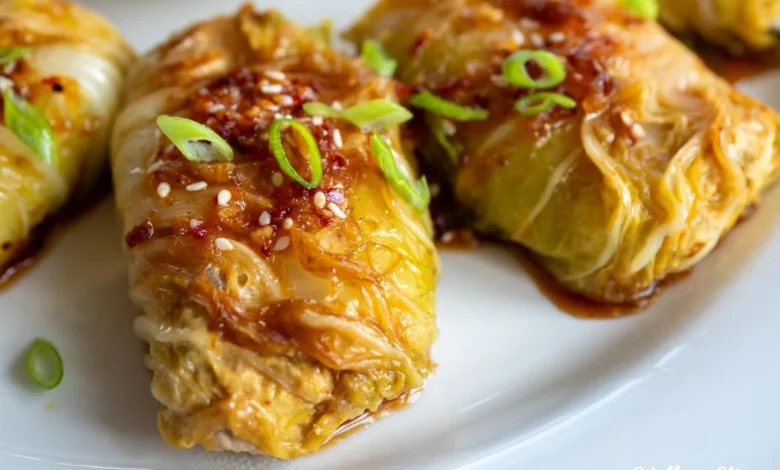
The global culinary landscape is witnessing a significant paradigm shift, as consumers increasingly pivot away from heavily processed, Americanized interpretations of ethnic cuisines towards more authentic, nutrient-dense, and homemade alternatives. This movement is exemplified by the growing popularity of dishes such as the Sesame Ginger Cabbage Rolls, a creation that marries the beloved flavors of traditional Asian fare with the principles of clean eating and whole ingredients. This innovative approach to home cooking not only addresses burgeoning health concerns but also redefines the convenience and accessibility of international flavors, offering a vibrant contrast to the saccharine and sodium-laden fast-food versions that once dominated the market.
The Historical Trajectory: From Fast-Food Adaptation to "Real Food" Revival
For decades, many Western palates were introduced to "Chinese food" through establishments like Panda Express, which, while offering convenience and affordability, often presented a highly adapted version of traditional dishes. These interpretations frequently featured deep-fried components, high sugar content in sauces, excessive sodium, and the ubiquitous use of monosodium glutamate (MSG) to enhance flavor. This culinary adaptation was largely a response to American tastes and ingredient availability in the mid-20th century, creating a distinct genre of "American Chinese cuisine" that diverged significantly from its authentic roots.
However, the late 20th and early 21st centuries ushered in a growing awareness of the link between diet and health. Concerns over rising rates of obesity, type 2 diabetes, and cardiovascular diseases, coupled with a broader movement towards "clean eating" and "real food," began to reshape consumer preferences. This shift was not merely a trend but a fundamental reevaluation of food sources, ingredients, and preparation methods. Consumers started seeking transparency in their food, scrutinizing ingredient labels, and actively avoiding artificial additives, excessive sugars, and unhealthy fats. The "real food" movement, championed by nutritionists, health advocates, and informed food bloggers, encouraged a return to cooking with whole, unprocessed ingredients, emphasizing fresh produce, lean proteins, and natural flavor enhancers. This collective awakening paved the way for a culinary renaissance at home, where individuals began to experiment with healthier versions of their favorite dishes, including those inspired by global cuisines. The Sesame Ginger Cabbage Rolls emerge from this very context, serving as a testament to this evolving dietary consciousness.
Deconstructing Nutritional Innovation: The Sesame Ginger Cabbage Roll
The Sesame Ginger Cabbage Roll stands as a prime example of how traditional flavors can be reimagined within a health-conscious framework. Designed as a lighter, more nutrient-rich alternative to conventional dumplings or potstickers, this dish strategically replaces less desirable elements with wholesome substitutes.
At its core, the recipe utilizes Napa cabbage leaves as the wrapper, a significant departure from the refined flour wonton wrappers commonly found in traditional preparations. Napa cabbage is not only remarkably tender after a brief blanching process, making it an ideal, flexible casing, but it also contributes a substantial serving of vegetables. Rich in vitamins K and C, folate, and dietary fiber, Napa cabbage offers numerous health benefits, including improved digestion and antioxidant support, without compromising the savory filling. This substitution alone dramatically boosts the dish’s nutritional profile while simultaneously reducing carbohydrate content and eliminating gluten, catering to a wider range of dietary needs.
The filling itself is a carefully balanced blend of lean protein and earthy vegetables. Ground chicken is the protein of choice, selected for its mild flavor profile that allows the vibrant notes of ginger and garlic to shine through. Chicken is a lean source of protein, essential for muscle repair and satiety, and provides a good source of B vitamins. To enhance both flavor and moisture, finely diced shiitake mushrooms are incorporated. Shiitake mushrooms are renowned for their umami depth, adding a rich, savory characteristic to the filling that often compensates for the absence of MSG. Beyond flavor, shiitakes are a powerhouse of nutrients, including B vitamins, selenium, and copper, and are celebrated for their potential immune-boosting properties.
The flavor profile of the Sesame Ginger Cabbage Rolls is further elevated by a thoughtful selection of seasonings. Toasted sesame oil provides a distinctive nutty aroma, while fresh ginger and garlic offer potent anti-inflammatory and antioxidant benefits, alongside their pungent, aromatic qualities. Crucially, the recipe avoids traditional soy sauce in favor of coconut aminos. Coconut aminos, derived from the sap of coconut trees, serve as a lower-sodium, gluten-free, and soy-free alternative, offering a slightly sweeter yet equally savory depth. This substitution is particularly relevant for individuals managing sodium intake or those with soy allergies or sensitivities, aligning perfectly with the "real food" ethos. The accompanying dipping sauce, a blend of coconut aminos, earthy ginger, sesame, and chili crisp, further exemplifies this approach, delivering a complex flavor profile without relying on ultra-processed components or artificial enhancers.
The Health Imperative: Why Whole Ingredients Matter
The deliberate choice of whole ingredients in dishes like the Sesame Ginger Cabbage Rolls underscores a broader understanding of nutrition and its impact on long-term health. The regular consumption of heavily processed foods, characteristic of many fast-food and Americanized ethnic dishes, has been consistently linked to adverse health outcomes. These foods often contain high levels of unhealthy fats, refined sugars, excessive sodium, and artificial additives, all of which contribute to systemic inflammation, metabolic dysfunction, and an increased risk of chronic diseases.
For instance, the typical Americanized Chinese meal can easily exceed recommended daily sodium limits in a single serving, contributing to hypertension and cardiovascular strain. The high sugar content in many sauces can lead to blood sugar spikes, insulin resistance, and an elevated risk of type 2 diabetes. Furthermore, the use of MSG, while generally recognized as safe by regulatory bodies, has been a subject of consumer concern, with some individuals reporting sensitivities that manifest as headaches, flushing, and sweating. While scientific consensus on MSG sensitivity varies, the consumer demand for "MSG-free" options reflects a desire for cleaner labels and a more natural culinary experience.
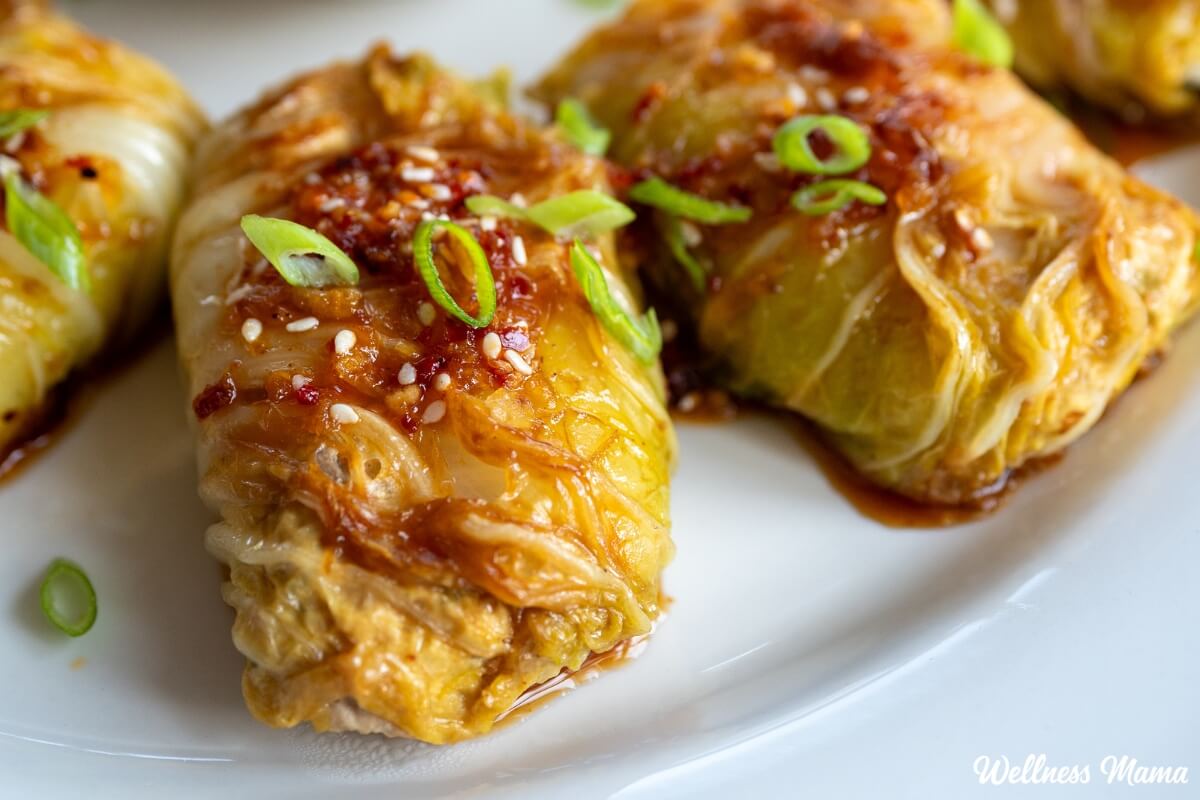
In contrast, the Sesame Ginger Cabbage Rolls, with their emphasis on lean protein, fiber-rich vegetables, and natural flavorings, offer a compelling alternative. A single cabbage roll typically provides approximately 139 calories, with a healthy balance of 9g fat, 9g protein, and only 5g carbohydrates, including 1g of fiber. This nutritional profile makes them an excellent choice for those seeking to manage weight, control blood sugar, and increase their intake of essential vitamins and minerals without compromising on taste. The deliberate inclusion of ingredients like ginger and garlic, known for their medicinal properties, further enhances the dish’s functional food status.
Expert Perspectives on Culinary Trends and Public Health
Culinary experts and nutritionists alike acknowledge this significant shift in consumer preferences. Dr. Eleanor Vance, a prominent nutritionist specializing in dietary wellness, states, "The movement towards whole-ingredient, homemade versions of ethnic foods is a powerful indicator of increased health literacy among the general public. People are not just looking for ‘healthy food’; they are seeking delicious food that also nourishes their bodies and aligns with their values concerning ingredient quality and sourcing." She adds, "Recipes like these cabbage rolls are not merely an alternative; they are a superior choice, offering a balanced macronutrient profile alongside a wealth of micronutrients that are often absent in their processed counterparts."
Food industry analysts confirm that this trend is reshaping the market. A recent report by Global Food Trends Research indicated a sustained growth in the demand for clean-label products and international flavors that emphasize authenticity and health. "The convenience of fast food is being challenged by the perceived value of home-cooked meals that offer both taste and nutritional integrity," notes Marcus Chen, a senior analyst at the firm. "Consumers are increasingly willing to invest time in preparing dishes that they know are good for them, and they are actively seeking recipes that empower them to recreate restaurant-quality flavors at home, but with healthier ingredients." This indicates a fundamental shift in how consumers define "value" in their food choices, moving beyond price and pure convenience to encompass health and ingredient quality.
Mastering the Art of Healthy Home Cooking: Tips and Customization
The success of dishes like Sesame Ginger Cabbage Rolls also highlights the accessibility of healthy home cooking. The original recipe provides practical tips that are broadly applicable to similar culinary endeavors, empowering home cooks to achieve optimal results. For instance, the emphasis on choosing the right cabbage variety (Napa) and proper preparation (blanching to ensure flexibility) is crucial for structural integrity and ease of rolling. This principle extends to other ingredient preparations, where understanding the nuances of texture and moisture can significantly impact the final dish.
Portion control during assembly is another key takeaway. Overfilling can lead to tears and an uneven cooking process, a common pitfall in wrap-style dishes. The recommendation to use approximately one-third cup of filling per leaf is a practical guideline that ensures manageability and consistent cooking. Even if a leaf splits, the ingenious suggestion of overlapping another cabbage leaf before steaming speaks to the forgiving nature of home cooking and the ability to salvage minor imperfections.
The cooking method itself, a combination of browning and steaming, is designed for both flavor development and thorough cooking. Browning the bottoms adds a desirable textural contrast, while subsequent steaming ensures the filling is cooked through and the cabbage wrapper becomes tender. This two-stage cooking technique is versatile and can be adapted to many other wrapped or filled dishes, maximizing both efficiency and culinary outcome.
Furthermore, the recipe’s inherent adaptability makes it a versatile addition to any home cook’s repertoire. The ability to substitute ground turkey or pork for chicken, incorporate shredded carrots for sweetness and color, or add water chestnuts for crunch demonstrates the flexibility that appeals to modern home cooks. This customization not only allows for dietary preferences but also encourages experimentation and reduces food waste by utilizing available ingredients. The fact that leftovers reheat well, making them an excellent meal prep option, further underscores their practicality for busy individuals seeking healthful, convenient meals throughout the week. Storing them in an airtight container in the refrigerator for up to three days and reheating gently on the stove with a splash of water ensures they remain moist and flavorful, offering a convenient solution for lunches or quick dinners.
Broader Implications: The Future of Global Cuisine and Consumer Demand
The rise of health-conscious Asian-inspired dishes like the Sesame Ginger Cabbage Rolls carries significant implications for the broader food industry and future culinary trends. It signals a sustained consumer demand for authentic global flavors delivered through wholesome, transparent ingredients. Restaurants and food manufacturers that fail to adapt to this demand risk falling behind. There is a growing expectation for menu items that offer both the excitement of international cuisine and the assurance of nutritional integrity.
This movement is also fostering greater culinary literacy and skill development among home cooks. As more individuals embrace scratch cooking and explore diverse flavor profiles, there is a renewed appreciation for traditional cooking techniques and the art of balancing flavors without relying on artificial enhancements. This trend could lead to a revitalization of local markets, an increased demand for specialty ingredients, and a greater emphasis on sustainable and ethically sourced produce and proteins. The integration of traditional cooking wisdom with modern nutritional science is creating a new frontier in home kitchens, where dishes like these cabbage rolls serve as bridges between culinary heritage and contemporary health goals.
Ultimately, the humble Sesame Ginger Cabbage Roll, born from a desire for healthier eating and a rejection of processed foods, symbolizes a larger shift in our relationship with food. It represents a conscious choice to prioritize health without sacrificing flavor, to engage with global cuisines authentically, and to empower individuals to take control of their dietary well-being through informed and creative home cooking. This culinary evolution is not just about what we eat, but how we understand, appreciate, and prepare the food that nourishes us, promising a future where delicious and healthy are inextricably linked. The journey from addiction to processed Americanized Chinese food to obsession with real, wholesome Asian-inspired dishes is a microcosm of a much larger, healthier revolution in our kitchens and on our plates.