Is Potassium Chloride a Win-Win by Decreasing Sodium Intake and Increasing Potassium Intake?

The modern global diet is plagued by numerous health detriments, yet few pose as significant a threat as excessive dietary sodium intake. Often synonymous with high salt consumption, this dietary pattern stands as the leading risk factor for millions of premature deaths annually, primarily through its insidious impact on blood pressure. Hypertension, or high blood pressure, aptly termed the "silent and invisible killer," frequently manifests without discernible symptoms, yet it serves as a potent, independent predictor for a cascade of life-threatening conditions, including stroke, heart attack, and kidney damage. Estimates suggest that high sodium intake contributes to millions of fatalities each year, underscoring the urgency of addressing this pervasive public health challenge.
The Silent Killer: The Peril of High Sodium
The human physiological system, shaped by millennia of evolutionary adaptation, was once accustomed to a diet characterized by abundant potassium and remarkably low sodium levels. This ancestral pattern, deeply rooted in plant-based nutrition comprising fruits, greens, roots, and tubers, has undergone a dramatic reversal in contemporary society. The shift towards highly processed, sodium-laden foods, often stripped of their natural potassium content, represents a profound dietary imbalance with severe health consequences.
The World Health Organization (WHO) has long identified high sodium intake as a critical public health concern, recommending a daily intake of less than 2,000 mg (equivalent to 5 grams of salt) for adults. However, adherence to this guideline is strikingly poor in many nations, particularly in Western diets where processed and pre-packaged foods dominate. In the United States, for instance, an overwhelming majority of the population—an estimated 98%—fails to meet the recommended minimum daily intake for potassium, simultaneously consuming sodium far in excess of healthy limits. This double burden of high sodium and low potassium creates a synergistic pathway to chronic disease.
The adverse effects of elevated sodium are well-documented. Beyond the direct elevation of blood pressure, high sodium intake is linked to increased arterial stiffness, fluid retention, and a heightened workload on the kidneys. These physiological stresses accumulate over time, accelerating the progression of cardiovascular disease and renal dysfunction. Epidemiological studies have consistently shown a direct correlation between higher sodium intake and a significantly increased risk of dying prematurely, with some research indicating a 20% rise in mortality risk. The economic burden associated with managing these preventable conditions—hypertension, heart attacks, strokes, and kidney failure—runs into hundreds of billions of dollars globally each year, placing immense strain on healthcare systems.
The Evolutionary Disconnect: Potassium’s Diminished Role
In stark contrast to sodium’s detrimental effects, potassium plays a vital, protective role in human health. It is an essential mineral crucial for maintaining fluid balance, nerve signals, and muscle contractions. Crucially, potassium works in concert with sodium to regulate blood pressure, acting as a natural counterbalance. While high sodium constricts blood vessels, potassium helps relax them, facilitating healthier blood flow.
Our ancestors thrived on diets rich in potassium from whole, unprocessed plant foods. Today, the convenience-driven food landscape has largely replaced these nutrient-dense options with industrial-scale processed foods. This dietary metamorphosis has rendered potassium a "nutrient of public health concern" due as mentioned, to its widespread deficiency. The implications of low potassium intake extend beyond blood pressure regulation; it is independently implicated in increased risk of cardiovascular disease, stroke, and even kidney stone formation.
Despite compelling evidence from numerous meta-analyses confirming that higher potassium intake can significantly reduce stroke risk, and even offer protection independent of its blood pressure-lowering effects (through mechanisms such as reducing clot formation, decreasing arterial stiffening, and mitigating free radical generation), the medical community’s emphasis on promoting potassium-rich foods like fruits and vegetables as a primary intervention for blood pressure control remains surprisingly limited. This oversight represents a missed opportunity in preventive healthcare, especially given that increased potassium intake is associated with a 20% reduced risk of premature death, mirroring the inverse relationship observed with sodium.
The Scientific Case for Sodium Reduction and Potassium Enhancement
The question arises: Is the correlation between low sodium/high potassium and better health merely a marker for an overall healthier diet, rich in plant foods and devoid of junk? While a holistic healthy diet undoubtedly confers broad benefits, robust scientific evidence confirms the direct, cause-and-effect relationship between these electrolytes and health outcomes. Randomized controlled trials (RCTs)—the gold standard in medical research—have definitively demonstrated that reducing sodium intake directly leads to a reduction in blood pressure. Similarly, other RCTs have shown that supplementing diets with extra potassium can effectively lower blood pressure. These findings establish that both reducing sodium and increasing potassium are independent, potent strategies for improving cardiovascular health.
This dual benefit has naturally led researchers to explore a promising intervention: substituting traditional sodium chloride (table salt) with potassium chloride. Potassium chloride, a naturally occurring mineral salt, is obtained through similar processes as sodium chloride. Given the prevailing dietary imbalance of too much sodium and too little potassium, incorporating potassium chloride into daily cooking and food preparation appears to offer a "win-win" solution, simultaneously decreasing detrimental sodium and increasing beneficial potassium.
Potassium Chloride: A Dual-Action Solution
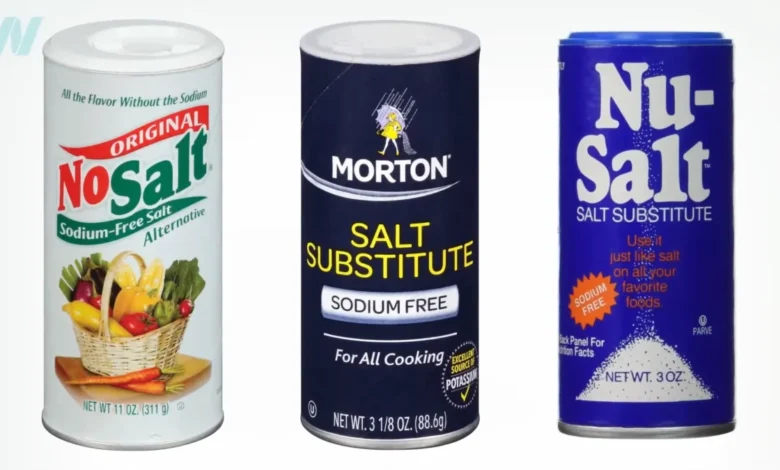
The concept of using potassium chloride as a salt substitute is not new, and such products are readily available in many markets. These "zero-sodium" or "reduced-sodium" salt substitutes aim to replicate the salty taste profile while delivering a health advantage. While consuming whole, healthy plant foods remains the optimal strategy for increasing potassium intake—given the myriad other beneficial compounds (vitamins, fiber, antioxidants) they provide—potassium chloride offers a direct, accessible means to modify the electrolyte balance in a person’s diet.

Recent years have seen a surge in research validating the efficacy of potassium chloride substitutes. A comprehensive review of ten studies, encompassing eleven randomized controlled trials, has demonstrated that merely swapping some regular salt for potassium chloride can lead to significant reductions in blood pressure among individuals with hypertension. These findings further suggest that such salt substitutes may also play a crucial role in preventing the onset of hypertension, moving beyond just managing existing conditions. The critical question, however, extends beyond blood pressure metrics: can these substitutes actually decrease the incidence of hypertension and, more importantly, reduce hard clinical endpoints like stroke and overall mortality? To answer this, rigorous, large-scale intervention trials were necessary.
Pivotal Research: Evidence from Randomized Controlled Trials
The journey to definitively establish the benefits of potassium chloride has been marked by several pivotal studies.
-
Early Trials on Hypertension Prevention: One notable randomized controlled trial involved households where regular salt was partially replaced with a mixture containing just a quarter potassium chloride. Remarkably, participants often could not distinguish the taste difference, or in some cases, even preferred the taste of the potassium-enriched salt. More importantly, the use of this quarter-potassium salt substitute was associated with a halving of the risk of developing hypertension. This early evidence strongly suggested a preventive capacity beyond mere blood pressure management.
-
The Veterans’ Retirement Home Study: To investigate the impact on cardiovascular mortality, a landmark study was conducted in a veterans’ retirement home. Five kitchens were randomized into two groups over approximately two and a half years. Meals in one group were salted with regular salt, while the other group unknowingly used a 50/50 blend of sodium chloride and potassium chloride. The results were striking: the group using the half-potassium salt substitute experienced an approximately 40% reduction in the risk of dying from cardiovascular disease and lived almost a year longer on average. For individuals aged 70, this gain in life expectancy was deemed "equivalent to that which would have naturally occurred in 14 years," implying that a simple dietary switch could effectively make individuals more than a decade younger in terms of their risk of death.
-
The Salt Substitute and Stroke Study (SSaSS) in China: The most compelling evidence to date emerged from a massive, multi-year randomized controlled trial conducted in China. Involving 600 villages and over 20,000 participants over five years, this trial assigned participants to either receive a salt substitute made of a quarter potassium chloride or continue using regular salt. The setting in China was particularly apt, as up to 75% of the population’s sodium intake originates from salt added during home cooking or at the dining table, making it an ideal environment to test the impact of a household-level salt substitute intervention. The results were unequivocal: the salt substitute not only significantly reduced strokes and cardiovascular events in general, but it also lowered the risk of death from all causes combined. This study provided irrefutable evidence of the profound public health benefits of widespread salt substitution.
Challenges and Opportunities for Implementation
Despite the robust and increasingly compelling evidence, the widespread adoption of potassium chloride salt substitutes has been relatively slow. In countries like China, where home cooking accounts for the majority of sodium intake, direct consumer education and distribution of salt substitutes can yield immediate benefits. However, in nations like the United States, where a substantial portion of sodium comes from pre-packaged, processed, and restaurant foods, the challenge shifts to food manufacturers and the broader food industry.
Public health organizations and medical bodies have consistently advocated for sodium reduction strategies. The Mayo Clinic, for instance, in a review titled "Achieving the Benefits of a High-Potassium, Paleolithic Diet, Without the Toxicity," highlights the potential of salt substitutes. Yet, why haven’t more food companies embraced potassium chloride as a direct replacement or additive in their products? And why hasn’t there been a greater public uptake of these substitutes, especially when research indicates they can taste just as good, or even be preferred by consumers?
Part of the reluctance may stem from industry concerns regarding consumer acceptance of new tastes, the cost implications of reformulation, and the perceived complexity of transitioning existing product lines. From a consumer perspective, a lack of awareness, ingrained dietary habits, and a general skepticism towards "substitutes" might play a role. There’s also the powerful marketing of traditional salt and the pervasive nature of salty flavors in convenience foods, which creates a significant barrier to change.
Navigating the Future: Safety and Broader Implications
While the benefits of potassium chloride salt substitutes are increasingly clear, a crucial question remains: "Is Salt Substitution Ready for Prime Time?" A commentary posing this question naturally leads to considerations of safety. Concerns have been raised, albeit less frequently, about the "inclusion of potentially fatal salt substitutes in the food supply." This refers primarily to individuals with specific medical conditions that impair potassium excretion, such as advanced kidney disease or those taking certain medications (e.g., potassium-sparing diuretics, ACE inhibitors, ARBs) that can elevate potassium levels. For these vulnerable populations, an uncontrolled increase in potassium intake could lead to hyperkalemia, a dangerously high level of potassium in the blood, which can cause cardiac arrhythmias and even be fatal.
Therefore, while potassium chloride is generally safe for the vast majority of the population, particularly those with normal kidney function, careful consideration and potentially medical consultation are necessary for specific groups. This nuance underscores the importance of public health campaigns that not only promote the benefits but also educate consumers on appropriate usage and potential contraindications.
Looking ahead, the implications of wider adoption of potassium chloride are profound. From a public health standpoint, it represents a relatively simple, low-cost intervention with the potential to significantly reduce the global burden of cardiovascular disease and premature mortality. From a policy perspective, it prompts discussions about regulatory frameworks, labeling requirements, and incentives for the food industry to reformulate products. The evidence strongly suggests that shifting towards a diet lower in sodium and higher in potassium, whether through whole foods or judicious use of salt substitutes, is not merely a desirable health goal but an achievable one with demonstrable life-saving potential. The challenge now lies in translating compelling scientific evidence into effective, widespread public health action.