The Psychological and Physiological Toll of Weight Bias and Discrimination in Modern Healthcare

Weight bias and discrimination remain pervasive yet frequently overlooked public health crises in contemporary society. While medical research and public health campaigns have extensively targeted the physiological risks associated with obesity, the compounding psychological, social, and systemic burdens of weight stigma have only recently begun to receive rigorous empirical examination. Far from serving as a constructive motivator for weight loss, systemic discrimination against higher-weight individuals creates a destructive feedback loop that exacerbates health disparities, increases psychological distress, and ultimately threatens long-term well-being.
The Vicious Cycle of Weight Stigma and Cortisol Stress
To understand the mechanics of weight stigma, researchers must first differentiate between the physiological impacts of caloric restriction and those of social ostracization. While extreme physiological interventions such as total fasting can dramatically elevate blood levels of the primary stress hormone cortisol—sometimes doubling within a standard five-day period—standard, moderate dieting alone does not induce a comparable chronic stress response. However, a profound and insidious catalyst for sustained stress exists outside of nutritional intake: weight stigma.
Longitudinal studies tracking thousands of individuals over four-year periods have yielded alarming insights into the predictive power of social bias. Participants who reported encountering routine discriminatory experiences faced more than twice the statistical odds of developing obesity compared to their non-stigmatized peers. Furthermore, individuals who entered the study already classified as obese possessed more than three times the statistical odds of remaining in that weight category when exposed to regular discrimination, relative to control subjects of the same initial weight who did not report such treatment.
This phenomenon is driven by dual physiological and behavioral mechanisms. On one side of the energy-balance equation, chronic stress frequently triggers stress-induced eating. On the other side, social stigma actively deters physical activity.
Exercise Avoidance and the Gym Environment
Public health initiatives frequently emphasize the necessity of physical activity for metabolic health. However, individuals navigating frequent experiences with weight stigma routinely report heightened levels of exercise avoidance, particularly in public spaces. Propelled by feelings of judgment, intense embarrassment, and fears of being perceived as “too fat to exercise,” these individuals often retreat from public fitness infrastructure entirely.
These fears are frequently grounded in reality. Academic research has documented pronounced anti-fat biases among fitness professionals and regular commercial gym-goers. Such documented prejudices routinely translate into unwelcoming, hostile environments within fitness centers and health clubs, effectively barring higher-weight individuals from utilizing spaces intended for physical wellness.
Biological and Mortality Consequences of Discrimination
Whether weight stigma tips the calorie balance through increased caloric intake or decreased physical activity, its health consequences extend far beyond the physiological effects of body mass index (BMI) alone. Individuals who report frequent encounters with weight-based discrimination exhibit significantly elevated levels of systemic inflammation, heightened oxidative stress, and increased rates of clinical depression.
Most critically, empirical data links chronic weight discrimination to a shortened lifespan. Two extensive prospective studies following nearly 20,000 participants over extended periods independently identified an approximately 50 percent increase in overall mortality risk among individuals reporting high levels of daily discrimination. These findings strongly indicate that weight discrimination functions as an independent hazard to human longevity.
The Debate Over Public Shaming Campaigns
Despite the documented hazards associated with weight stigma, historical and contemporary public health debates have occasionally entertained the utility of social pressure as a behavioral intervention. Proponents of what has been described as "stigmatization lite" argue that societal disapproval can effectively counter the persuasive multi-billion-dollar marketing campaigns deployed annually by the processed food and beverage industries.

Proponents of this strategy frequently draw parallels to successful public health campaigns against cigarette smoking, noting that cultural shifts successfully transformed tobacco use from a standard social habit into socially reprehensible behavior. Historical accounts from individuals recovering from various dependencies suggest that social shaming can indeed serve as a powerful deterrent.
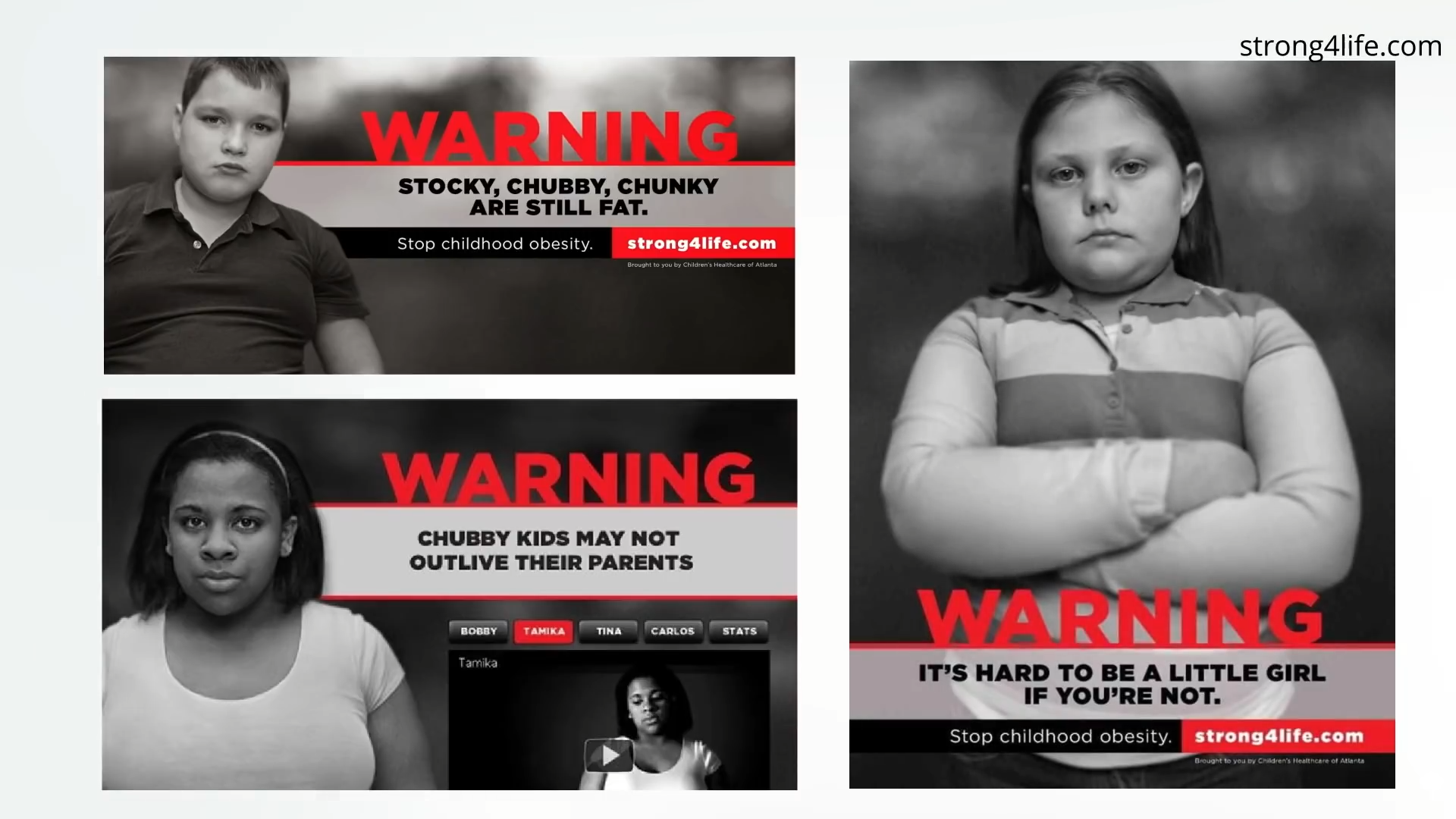
However, when explicit public shaming campaigns targeting weight have been implemented, they have met with fierce public resistance and widespread criticism from medical ethicists. A prominent example includes Georgia’s "Strong4Life" public health campaign, which utilized billboard advertisements featuring morose-looking, higher-weight children alongside captions such as "Warning: Chubby kids may not outlive their parents" and "It’s hard to be a little girl if you’re not."
Campaign sponsors defended the initiative as a necessary measure to pierce through widespread societal denial in a state with some of the highest childhood obesity rates in the nation. Yet, behavioral research challenges the foundational premise that such shock tactics yield positive results.
Behavioral Impact of Stigmatizing Media
Controlled studies conducted by researchers at Yale University investigated the immediate behavioral consequences of exposure to weight-stigmatizing media. In the study, normal-weight and overweight women were given access to snack foods such as candies and chips immediately after viewing either neutral commercial content or video clips featuring negative weight-related stereotypes and teasing.
While normal-weight participants consumed similar quantities of food regardless of which video clip they viewed, overweight participants who watched the stigmatizing content tripled their immediate calorie intake compared to those who viewed neutral material.
The researchers concluded that these empirical results directly challenge the notion that pressure to lose weight delivered via social stigma exerts a positive, motivating effect. Instead, labeling children or adults as "too fat" is consistently associated with an increased long-term risk of developing or sustaining obesity.
Clinical Realities and Patient-Provider Dynamics
Paradoxically, while public campaigns and social interactions often lean toward harsh stigmatization, the clinical environment frequently suffers from the opposite extreme: a reluctance to address weight status altogether.
Analogous to findings that veterinarians often hesitate to inform pet owners of animal obesity, pediatric data indicates that fewer than a quarter of parents of overweight children report ever being informed by their pediatricians about their child’s specific weight status. This communication gap occurs against the backdrop of widespread public misperception. Gallup surveys indicate that parents are frequently poor judges of their children’s weight categories, and self-reported descriptions of adult weight status have remained virtually unchanged despite decades of rising obesity rates. Analysts characterize this trend as a form of mass societal delusion regarding rising body weights.
Nevertheless, clinical intervention can be effective when handled constructively. Patients explicitly informed by their physicians that they are overweight exhibit roughly four times the odds of attempting weight loss and approximately twice the odds of succeeding.
However, systemic barriers within healthcare persist. Studies reveal that overweight physicians are statistically less likely to bring up the subject of weight loss or formally document obesity diagnoses in patient charts, mirroring patterns found among smoking clinicians treating tobacco users. Conversely, overweight patients frequently report higher levels of trust in dietary advice received from overweight physicians compared to normal-weight peers.
Compounding the issue, primary care providers report severe resource constraints. Fewer than half of surveyed physicians offer specific nutritional or lifestyle advice, largely citing a lack of time and an absence of adequate reimbursement structures for dedicated weight management counseling. Without structural support, generic advice to "watch what you eat" remains largely ineffective, leading critics to reiterate the maxim: "If shaming reduced obesity, there would be no fat people."
Perspectives from Formerly Obese Individuals
To fully comprehend the psychological weight of living within an endemic culture of discrimination, researchers have turned to individuals who have undergone extreme physical transformations. In a landmark qualitative study, investigators interviewed 47 men and women who had successfully lost and sustained the loss of more than 100 pounds—experiencing life at both morbidly obese weights and, on average, 126 pounds lighter.
When asked to retrospectively evaluate their experiences, participants were presented with a hypothetical financial scenario: whether they would choose to remain morbidly obese permanently in exchange for several million dollars, or return to a normal weight without financial compensation.
Out of the 47 participants, 46 immediately opted for normal weight without hesitation, stating it took a fraction of a second to decide. Not a single participant selected the financial reward over achieving a normal body weight.
When further asked to compare living with obesity to other significant life hardships and chronic medical conditions, the responses underscored the profound social isolation inherent to the condition. While individuals with other chronic conditions or disabilities—such as blindness or deafness—typically exhibit a strong preference for familiarity and would not choose to switch conditions, the formerly obese cohort displayed the exact opposite preference.
Every single participant in the study stated they would prefer to live with chronic conditions such as deafness, dyslexia, diabetes, severe acne, or heart disease for the rest of their lives rather than return to obesity. More than 90 percent indicated they would prefer a leg amputation or legal blindness over living in an obese body.
These findings illustrate the severe psychological toll exacted not merely by the physical attributes of high body mass, but by the relentless, pervasive social rejection that accompanies it. As one participant summarized, "When you’re blind, people want to help you. No one wants to help you when you’re fat."
Ultimately, the scientific literature demonstrates that weight stigma functions neither as an effective public health deterrent nor as a benign social pressure. Instead, it operates as a destructive psychological and physiological hazard that impedes healthcare delivery, exacerbates metabolic stress, and deepens public health challenges. Addressing the obesity epidemic will require shifting away from counterproductive shaming models toward comprehensive, empathetic, and medically sound support systems.
Related posts: