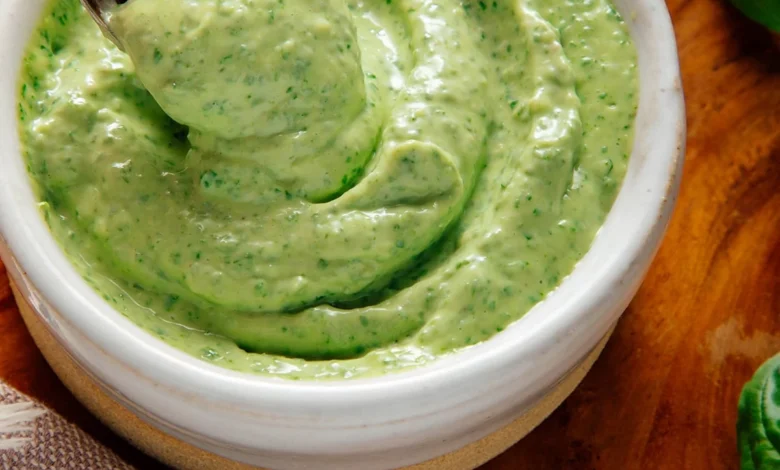
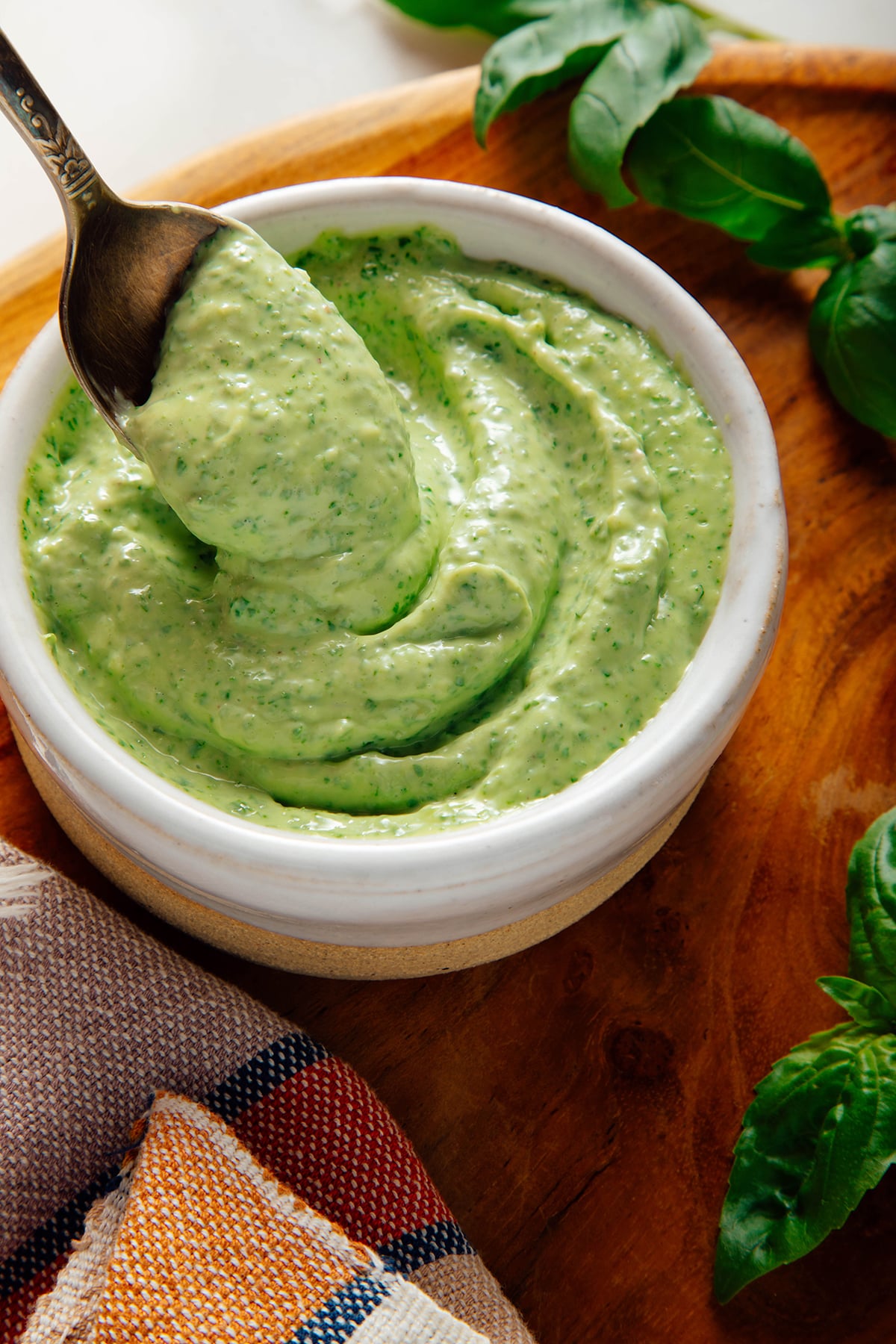
The culinary landscape of the mid-2020s has seen a notable shift toward the utilization of hyper-local, garden-fresh ingredients, a trend exemplified by the rising popularity of the creamy basil sauce. Originally popularized in niche gastronomic circles—most notably by the French Market in Kansas City—this emulsion has transcended its origins as a side dip for pommes frites to become a versatile staple in contemporary home cooking. As gardeners and culinary enthusiasts look for alternatives to traditional pesto, this sauce offers a streamlined, high-impact flavor profile that emphasizes the ephemeral freshness of the summer herb harvest.
The Anatomy of an Emulsion: Technical Composition
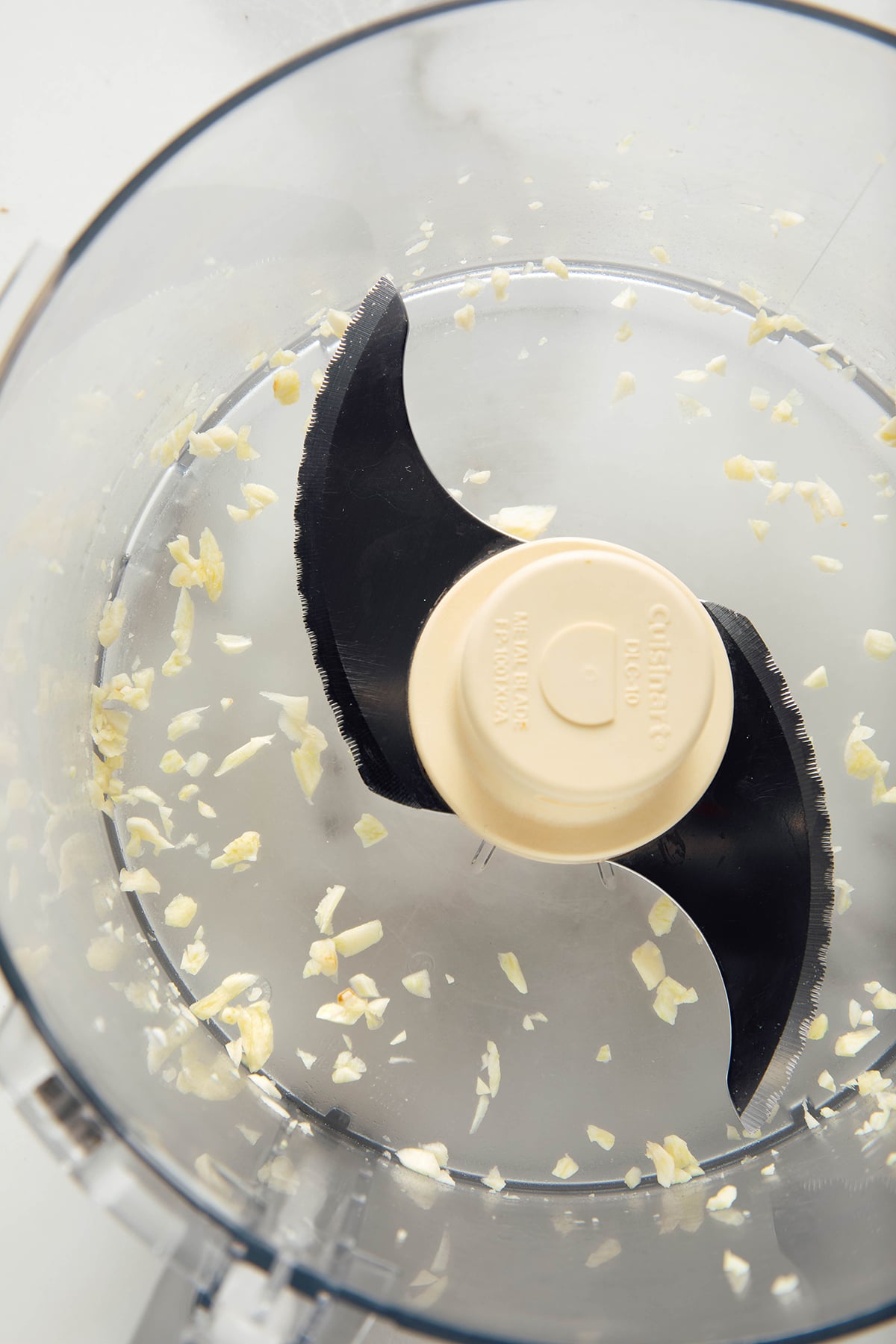
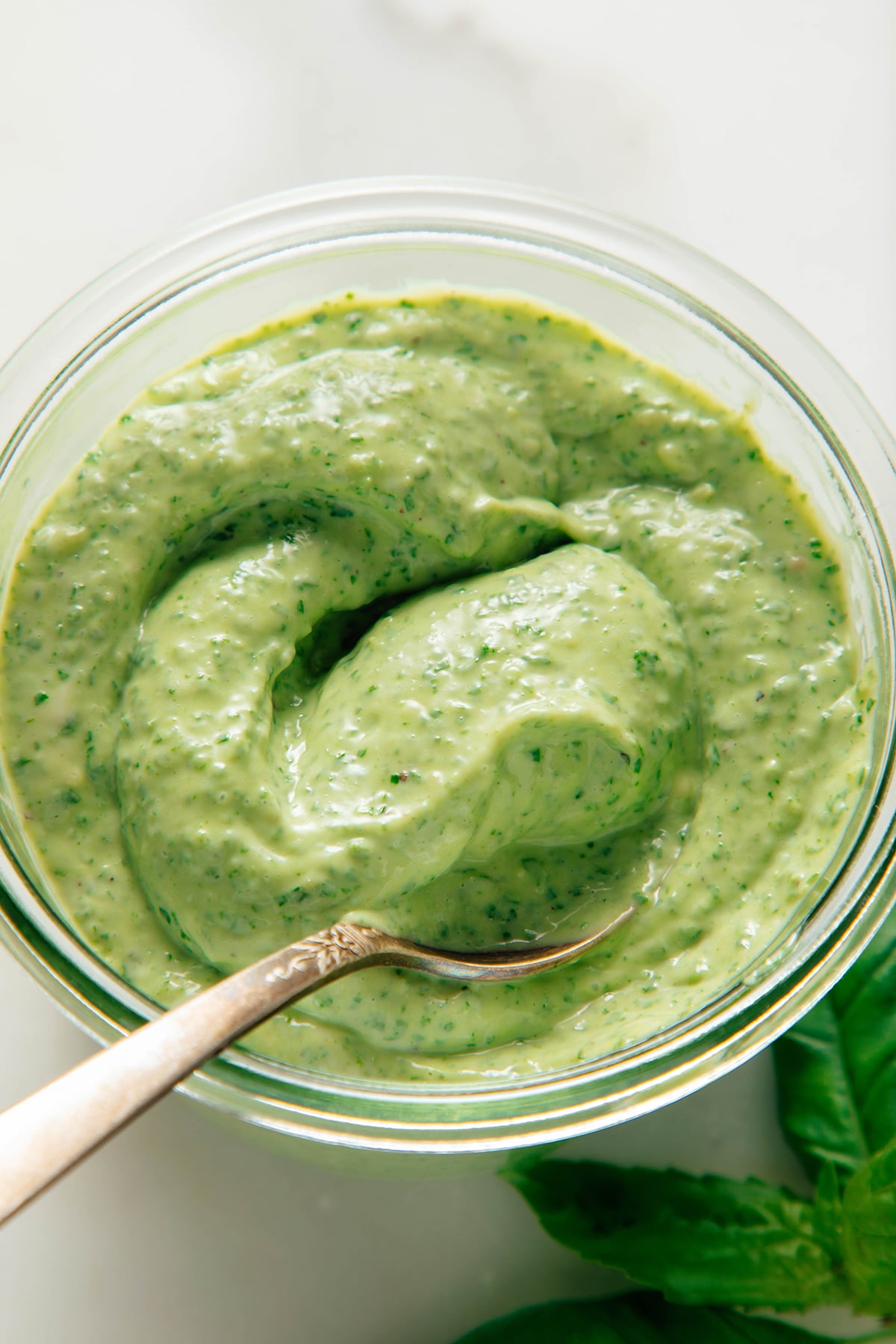
From a food science perspective, the creamy basil sauce functions as a stable emulsion. By combining a fat-based medium—typically high-quality mayonnaise—with fresh aromatics and acidity, the sauce achieves a viscosity that makes it ideal for application on sandwiches, grilled vegetables, and various snack formats. The structural integrity of the sauce relies on the mechanical processing of garlic before the integration of the basil, which ensures an even distribution of capsaicin-like compounds and essential oils without the need for excessive heat or prolonged emulsification.
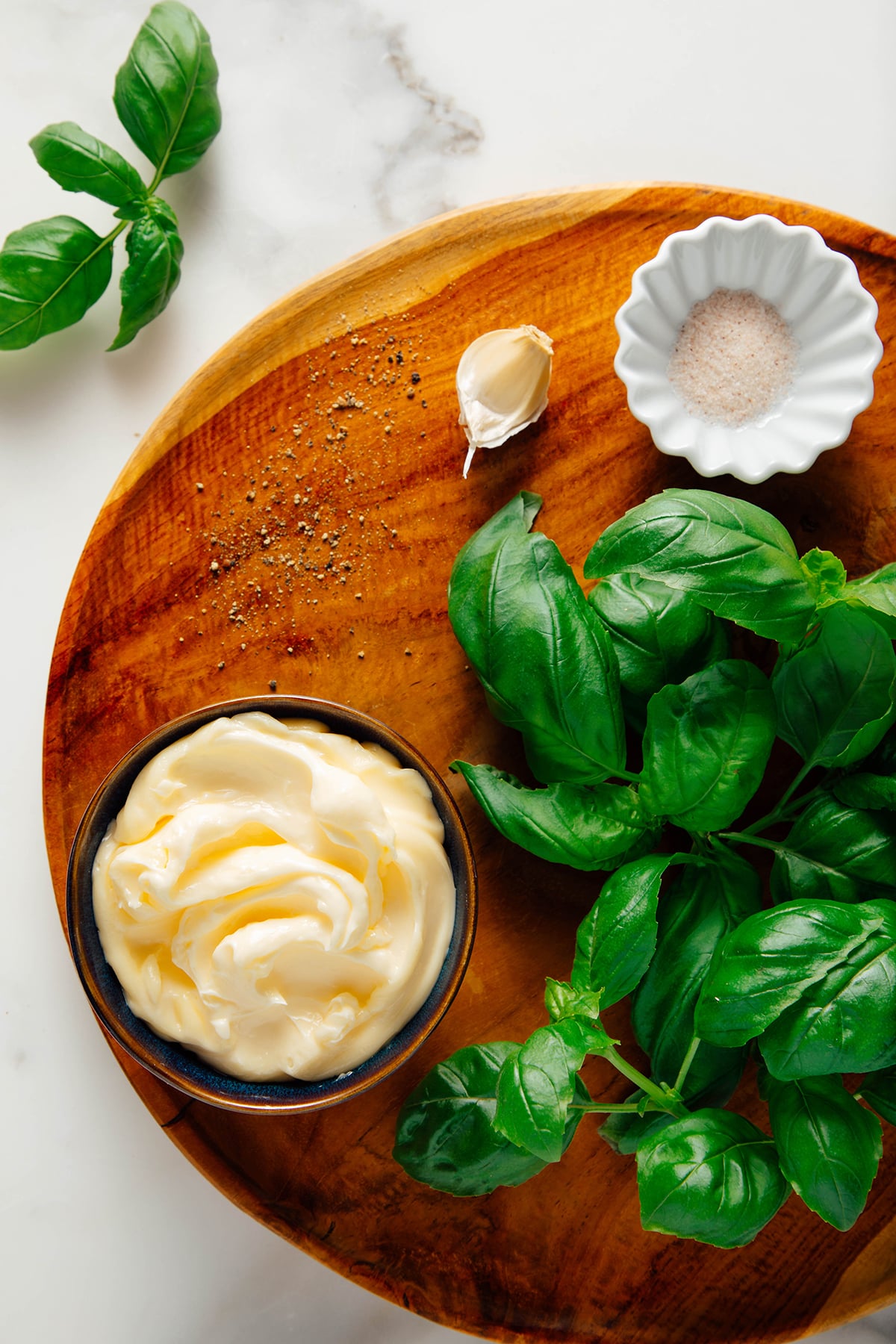
The ingredient list remains intentionally minimalist: fresh basil (Ocimum basilicum), garlic, a mayonnaise base, and basic seasoning. The choice of mayonnaise is critical; nutritionists and culinary experts often note that the inclusion of avocado oil-based mayonnaises can alter the lipid profile of the condiment, offering a heart-healthy alternative to traditional soy or canola-based options. By opting for a controlled, small-batch production, home cooks minimize food waste while maximizing the organoleptic properties of the fresh basil, which is notoriously prone to oxidation and enzymatic browning.
Chronology of Culinary Adoption
The rise of this specific condiment can be traced back to the early 2020s, coinciding with a broader societal movement toward "victory gardening" and home-based food production. As supply chains experienced fluctuations, consumers increasingly prioritized self-sufficiency.
- 2020–2022: The initial period marked a surge in "pesto-fatigue," where home cooks sought new methods to preserve the surplus of their summer basil crops beyond the standard pine-nut-and-parmesan preparations.
- 2023: Culinary influencers and food bloggers, including figures such as Kathryne Taylor, began formalizing recipes for basil-based aioli and creamy sauces, providing the standardized ratios necessary for home replication.
- 2024–2026: The sauce transitioned from a specialized restaurant accompaniment to a mainstream home-cooking essential. Market data indicates that interest in herb-infused condiments has risen by approximately 18% over this three-year period, driven by social media food trends and a preference for "clean label" sauces.
Agronomic Considerations for Herb Preservation
The success of the creamy basil sauce is contingent upon the quality of the raw material. Basil, a member of the Lamiaceae family, is highly sensitive to temperature fluctuations. Experts in horticultural science suggest that the optimal storage condition for harvested basil is at room temperature with stems submerged in water, rather than refrigeration, which causes cellular damage to the leaves.
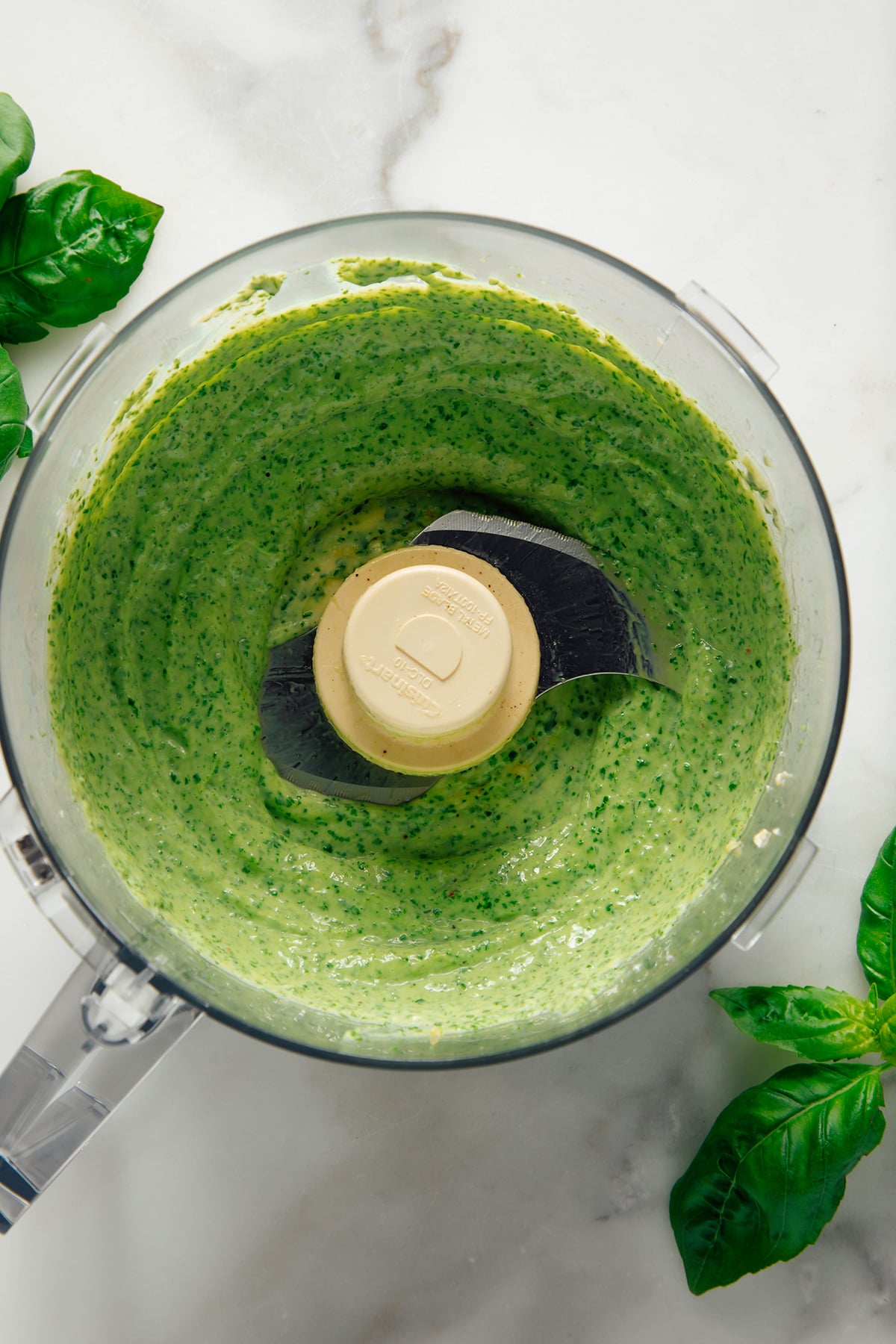
To maintain the vibrant green hue characteristic of a high-quality basil sauce, moisture management is essential. Residual water on the leaves post-harvest leads to rapid microbial growth and accelerated oxidation. Therefore, the industry-standard recommendation—often echoed by culinary professionals—is a rigorous pat-drying process followed by a brief period of air-drying before the leaves enter the food processor. This technical step is the primary factor distinguishing a bright, vibrant green sauce from a dull, oxidized variation.
Culinary Applications and Broader Market Impact
The versatility of the creamy basil sauce has allowed it to displace more traditional condiments like yellow mustard or industrial ranch dressing in various meal segments. Its ability to pair with high-acid produce, such as heirloom tomatoes or roasted zucchini, makes it an ideal bridge for seasonal plant-based diets.
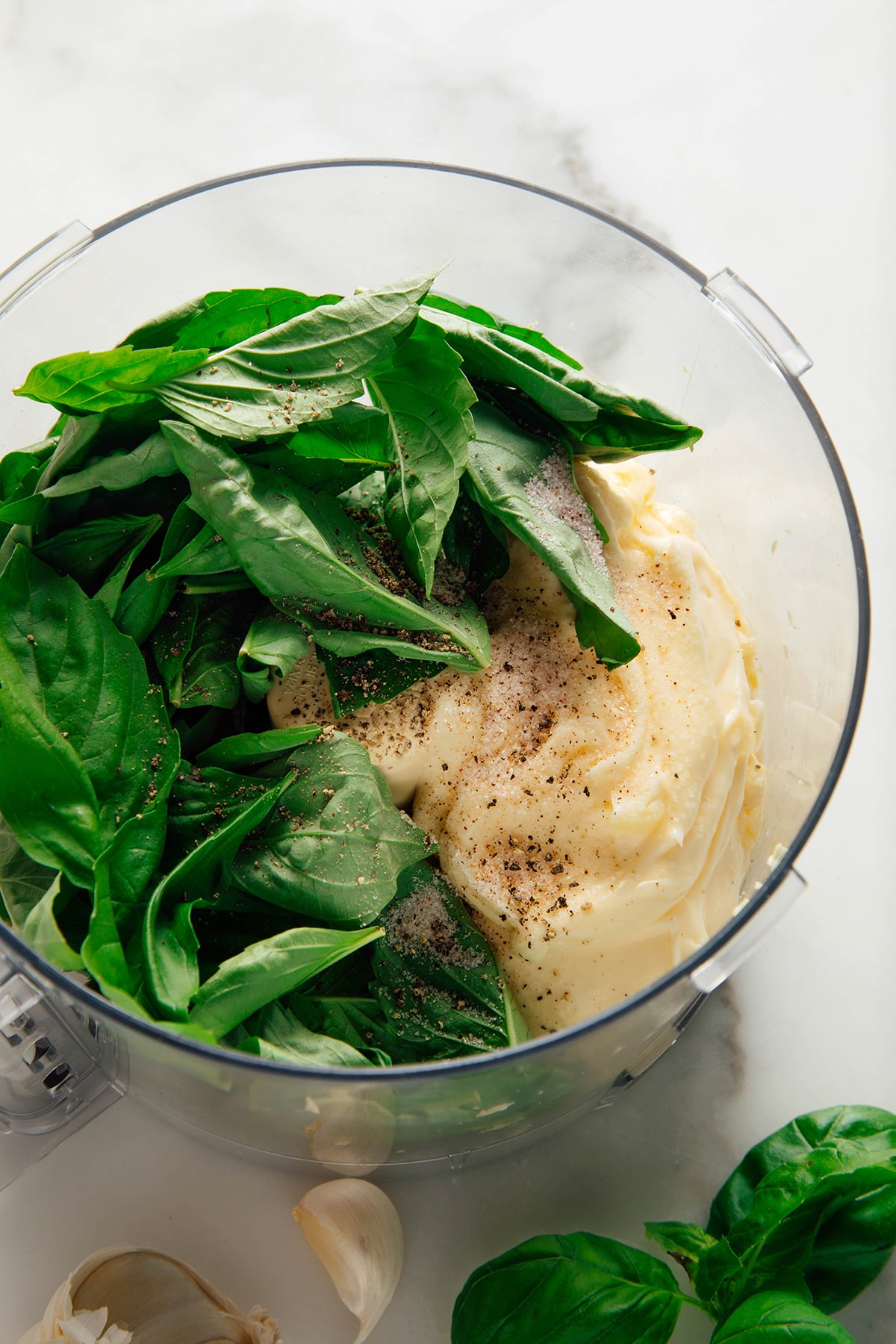
From an economic standpoint, the homemade production of this sauce represents a minor but significant shift in household consumption patterns. By opting for a base of pantry staples (garlic, salt, pepper, mayonnaise) and a seasonal "free" ingredient (garden-grown basil), households are reducing their reliance on commercially manufactured, shelf-stable condiments that are often laden with preservatives, stabilizers, and high-fructose corn syrup.
Professional chefs have noted that the sauce’s success lies in its simplicity. "The beauty of the dish is its lack of artifice," notes one food analyst. "It relies on the chemistry of the ingredients to do the heavy lifting. In a market saturated with overly complicated flavor profiles, the straightforward, aromatic punch of fresh basil is a welcome return to basics."
Nutrition and Health Implications
While the sauce is generally considered a healthier alternative to processed dips, nutritionists advise moderation due to the caloric density of the mayonnaise base. A standard two-tablespoon serving provides significant flavor for relatively low caloric input when compared to butter-based sauces or heavy cream reductions. However, the nutritional value is largely derived from the basil itself, which contains trace amounts of vitamin K, vitamin A, and magnesium.
The primary health benefit, however, is qualitative rather than quantitative. By encouraging the consumption of fresh herbs and home-prepared vegetables, recipes like the creamy basil sauce support the broader public health objective of increasing whole-food intake. The "flavor booster" effect—where a small amount of high-flavor sauce makes healthier foods more palatable—is a recognized strategy in behavioral nutrition for improving dietary habits.
Future Projections
Looking forward, food industry experts anticipate that the "basil-sauce phenomenon" will likely evolve into a category of its own. We are seeing a burgeoning interest in "herb-forward" condiments, where the leaf is the primary flavor driver rather than an afterthought or garnish. As urban gardening continues to integrate into the domestic lifestyle, the ability to harvest and process fresh herbs into high-value condiments will remain a cornerstone of the modern kitchen.
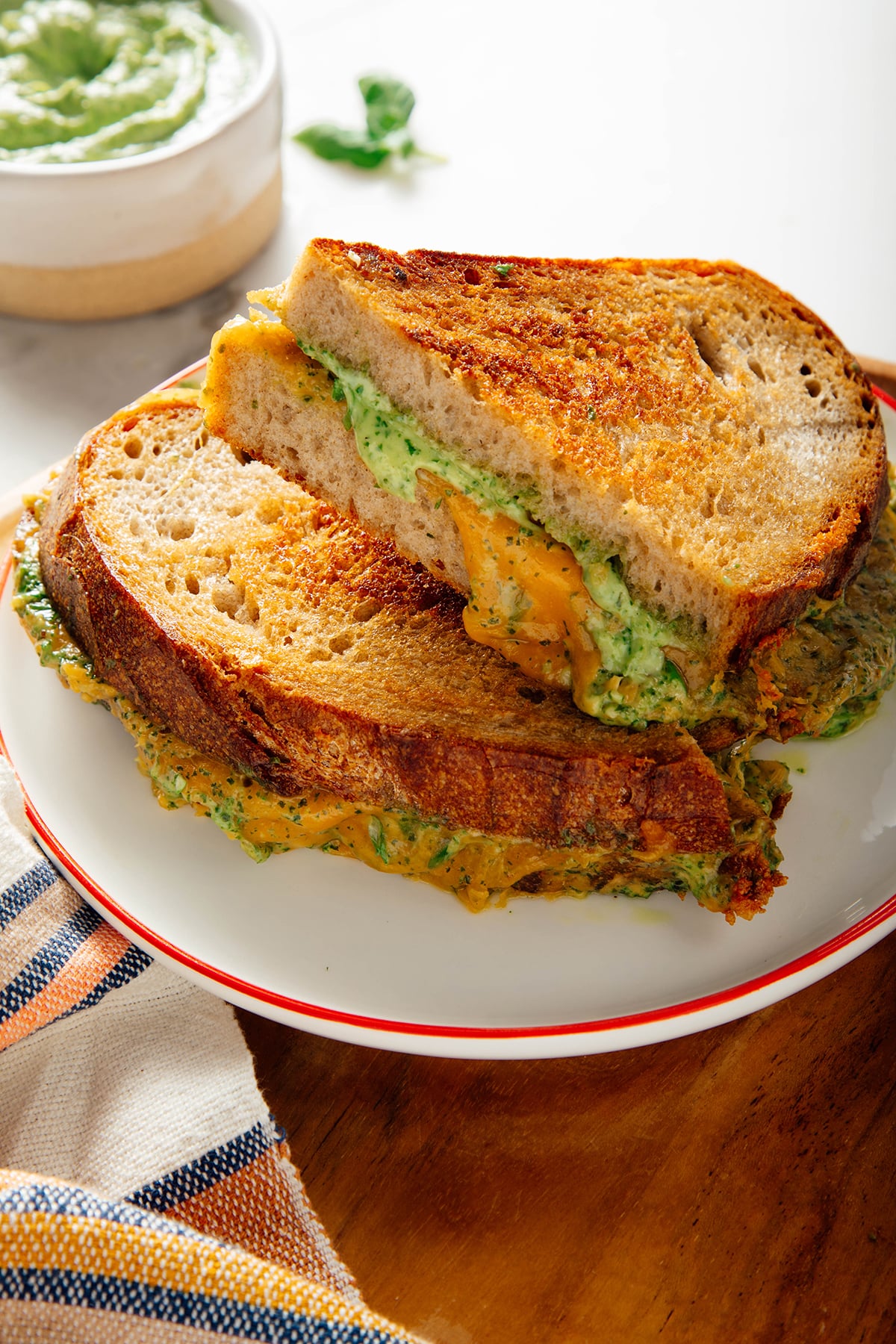
The democratization of these recipes via digital platforms has ensured that the "basil sauce summer" is not merely a passing trend, but a permanent fixture in the repertoire of the home cook. Whether served with a classic Caprese sandwich, drizzled over grilled proteins, or used as a dipping medium for seasonal vegetables, the creamy basil sauce stands as a testament to the enduring appeal of fresh, garden-to-table ingredients.
In summary, the transition of this condiment from a regional restaurant specialty to a ubiquitous household item highlights the intersection of modern culinary technology, gardening interest, and a consumer-led demand for simplicity. As the season progresses, it remains a primary example of how minor, low-cost adjustments to home cooking can yield substantial improvements in both the quality and satisfaction of daily meals. The ongoing discourse in culinary communities suggests that the experimentation with such sauces will continue, likely leading to further innovations in herb-based emulsion techniques in the years to come.