Lyme disease, a pervasive and often misunderstood tick-borne illness, presents a far more complex clinical picture than commonly perceived. While many associate it with a straightforward tick encounter, a telltale rash, and a course of antibiotics, the reality is nuanced, involving intricate biological interactions and diagnostic challenges that can lead to prolonged suffering for patients. The primary culprit, the bacterium Borrelia burgdorferi, is transmitted by infected ticks, but the transmission process often introduces a cocktail of other pathogens, transforming a seemingly singular infection into a multifaceted health crisis. These co-infections, which can be bacterial, parasitic, or viral, significantly complicate diagnosis and treatment, frequently delaying effective intervention and prolonging illness.
The Elusive Nature of Tick Bites and Early Symptoms
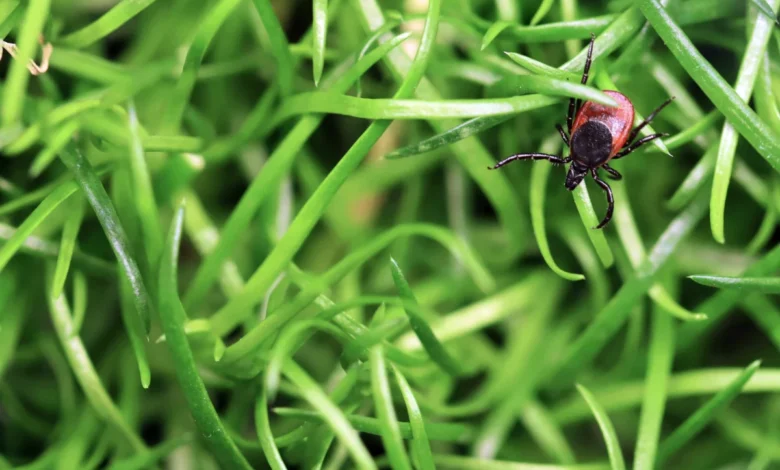
One of the primary hurdles in identifying Lyme disease lies in the stealthy nature of its transmission. Ticks, particularly in their nymphal stage – often no larger than a poppy seed or the tip of a ballpoint pen – are exceedingly difficult to detect. Their saliva contains an anesthetic, rendering the bite virtually painless and unnoticed by the host. Even when a tick is found, the initial reaction can be deceptively mild, easily mistaken for a common insect bite. The classic "bullseye" rash, erythema migrans, while a significant indicator, is not universally present. Studies suggest that only a fraction of infected individuals develop this characteristic rash, and when it does appear, it can be easily misidentified or overlooked, particularly if it deviates from the typical presentation.
Furthermore, the insidious progression of Borrelia burgdorferi means that symptoms may not manifest for weeks or even months following the initial infection. The bacteria replicate slowly, allowing the disease to establish itself before any noticeable signs emerge. This incubation period is a critical factor in delayed diagnosis, as individuals may not connect their later symptoms to a forgotten tick exposure.
The Challenge of Co-infections and Diagnostic Delays
The presence of co-infections significantly complicates the diagnostic landscape. Ticks are vectors for a variety of pathogens, including Anaplasma, Ehrlichia, Babesia, and certain viruses. When a tick bite introduces these alongside Borrelia burgdorferi, the resulting illness can present with a bewildering array of symptoms, making it difficult to pinpoint Lyme as the sole or primary cause. For instance, Anaplasma and Ehrlichia can induce acute illness within days or weeks, characterized by high fever, profound fatigue, and cognitive disturbances. These early, flu-like symptoms, joint pain, and muscle aches are often attributed to more common viral infections, leading to a misdiagnosis and delayed treatment for Lyme and its associated pathogens.
The diagnostic process for Lyme disease itself is also fraught with challenges. Current testing methodologies primarily rely on detecting the body’s immune response to the bacteria, rather than directly identifying the pathogen. This indirect approach means that antibody production can take several weeks to become detectable, leading to false-negative results in the early stages of infection. This diagnostic window means that individuals may be infected but test negative, further delaying appropriate medical intervention. The Centers for Disease Control and Prevention (CDC) acknowledges this limitation, recommending repeat testing if initial results are negative but clinical suspicion remains high.
Lyme Disease: The Great Imitator
Lyme disease has earned the moniker "the great imitator" due to its remarkable ability to mimic a wide spectrum of other medical conditions. Its impact can extend to virtually every organ system, presenting with a diverse and often perplexing array of symptoms. Joint pain is a hallmark, but in Lyme disease, it often exhibits a migratory characteristic, moving from one joint to another rather than remaining localized. This migratory pattern is a strong clinical clue, though it must be considered alongside other potential manifestations.
Beyond musculoskeletal complaints, Lyme can profoundly affect neurological function. Cognitive impairments, including memory loss that appears disproportionate to a person’s age, are reported. Nerve involvement can manifest as pelvic or abdominal pain. Cardiac complications, such as irregular heart rhythms and fainting spells, can arise, posing serious health risks. Other commonly reported symptoms include muscle pain, cramping, persistent fatigue, headaches, sleep disturbances, and a range of neurological symptoms that can significantly impair quality of life. The multifaceted nature of these symptoms means that patients may be evaluated for conditions ranging from arthritis and fibromyalgia to chronic fatigue syndrome, autoimmune disorders, and even psychiatric illnesses, before Lyme disease is considered.
A Holistic Approach to Diagnosis and Treatment
Recognizing the complexity of Lyme disease necessitates a departure from a narrow, symptom-focused approach. Leading integrative practitioners emphasize the critical role of a comprehensive patient history, often dedicating significant time – sometimes up to ninety minutes for new patients – to understanding their full background. This in-depth assessment goes beyond a simple checklist of symptoms to explore potential risk factors, including outdoor exposure, occupational hazards, pet ownership, and the specific environmental context of the individual’s residence. This meticulous history-taking forms the bedrock of diagnosis, with laboratory testing serving as a supportive tool rather than a definitive determinant.
The concept of the "biological terrain" is also central to this integrative approach. Evaluating the overall health of the body’s internal environment, including factors that may contribute to or exacerbate illness, is deemed crucial. This may involve a broad range of laboratory tests, imaging studies, and other diagnostic evaluations aimed at identifying contributing factors that conventional approaches might overlook.

The Crucial Role of Nutrition and Lifestyle
Nutrition and lifestyle modifications are increasingly recognized as vital components of Lyme disease management. Diet plays a significant role in modulating inflammation, a driving force behind many Lyme-related symptoms across various organ systems. A thorough review of dietary patterns is therefore an integral part of the assessment process, with patients often working closely with registered dietitians. General recommendations typically advocate for reducing the consumption of processed foods, preservatives, refined carbohydrates, and excessive sugars, all of which can negatively impact the gut microbiome, promote inflammation, and exacerbate symptoms.
Beyond diet, mental health support is equally critical. The prolonged and often debilitating nature of chronic illness can exact a significant psychological toll. Counseling and emotional support are considered essential components of the recovery journey, contributing to overall well-being and resilience.
Hyperbaric Oxygen Therapy: An Emerging Adjunct Treatment
Hyperbaric Oxygen Therapy (HBOT) has emerged as a promising adjunctive treatment in the comprehensive management of Lyme disease. This therapy involves breathing pure oxygen under increased atmospheric pressure. The elevated pressure allows for a significant increase in the amount of oxygen dissolved in the blood plasma, facilitating its delivery to tissues that may have compromised blood flow due to inflammation or biofilm formation.
From an antimicrobial perspective, HBOT is believed to be effective because Borrelia burgdorferi and many of its common co-infections struggle to survive in highly oxygenated environments. Borrelia burgdorferi possesses the ability to form biofilms, protective layers that shield the bacteria from the immune system and antibiotic penetration. These biofilms can anchor the bacteria within tissues, create localized inflammation, evade normal blood flow, and allow the pathogens to remain dormant for extended periods. Conventional antibiotic therapies can struggle to reach these protected bacteria, leading to incomplete eradication and persistent symptoms.
HBOT, by saturating the plasma with oxygen, bypasses the limitations of red blood cell-mediated oxygen delivery. The high oxygen levels can penetrate these biofilms and reach the bacteria, creating an environment in which they cannot thrive. Furthermore, increased oxygen levels are known to enhance the activity of white blood cells, boosting the immune system’s ability to combat infection. HBOT can also stimulate angiogenesis, the formation of new blood vessels, which improves circulation to affected tissues. This enhanced blood flow can improve the penetration of antibiotics and other therapeutic agents, increasing their efficacy.
Anecdotal and early clinical evidence suggests that HBOT can also provide symptomatic relief for many Lyme patients. Reported benefits include reductions in neuroinflammation, improvements in short-term memory and cognitive function, decreased chronic fatigue, fewer headaches, amelioration of depression, better sleep quality, reduced joint and muscle pain, and increased energy levels. When integrated into a broader treatment plan, HBOT appears to accelerate recovery and improve overall patient outcomes.
Addressing Persistent Misconceptions
Despite growing awareness, several persistent misconceptions surround Lyme disease, hindering effective diagnosis and treatment. A common belief is that Lyme is difficult to contract, easy to diagnose, and simple to treat. In reality, the opposite is often true. Lyme is relatively easy to acquire, especially in endemic regions. Diagnosis is frequently challenging due to the elusive nature of early symptoms, the unreliability of early testing, and the disease’s ability to mimic other conditions. Treatment is often more complex and protracted than commonly understood.
The notion that a single course of antibiotics is sufficient is another significant misconception. The slow growth rate of Borrelia burgdorferi means that short treatment durations may not fully eradicate the infection. The prevalent idea that Lyme disease exists in isolation is also inaccurate; co-infections are common and must be identified and addressed for complete recovery.
Finally, persistent symptoms following initial antibiotic treatment are sometimes dismissed as "post-treatment Lyme disease syndrome" (PTLDS). However, in many cases, these residual symptoms may indicate an incomplete treatment or a failure to address the full spectrum of the illness, including co-infections or underlying issues in the biological terrain. Clinical judgment, based on a thorough patient assessment and consideration of exposure risk and symptom patterns, should guide treatment decisions, rather than relying solely on laboratory results. Successful management of Lyme disease hinges on recognizing its inherent complexity and adopting a holistic approach that addresses the entire patient.
Ronald Stram, MD, founder and medical director of the Stram Center for Integrative Medicine in Delmar, NY, emphasizes this holistic philosophy. His center integrates various therapeutic modalities, focusing on nurturing natural healing and promoting balance. Dr. Stram, board-certified in Emergency Medicine, transitioned to integrative medicine after completing a fellowship at the University of Arizona’s Center for Integrative Medicine and a preceptorship with the International Lyme and Associated Diseases Society (ILADS). His approach underscores the importance of time, a comprehensive history, and considering the entire clinical picture when diagnosing and treating Lyme disease.