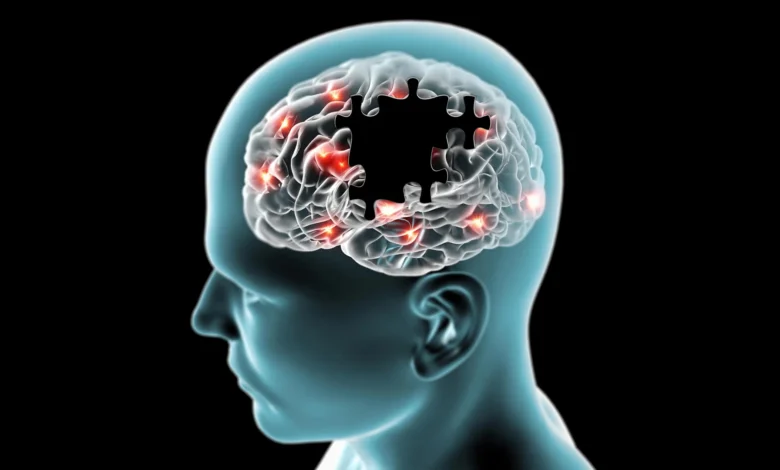
For millions of people worldwide, a restless night is often written off as an unfortunate byproduct of a stressful lifestyle, chronic pain, or simply getting older. However, mounting scientific evidence suggests that sleep disturbances are far more than a nightly inconvenience. Chronic insomnia may, in fact, serve as a critical accelerant for cognitive decline, functioning as a silent catalyst that erodes memory, diminishes executive function, and leaves tangible, measurable scars on the physical structure of the human brain.
According to a compelling new study published in the September 10, 2025, issue of Neurology, the peer-reviewed medical journal of the American Academy of Neurology, individuals suffering from chronic insomnia experience significantly faster degradation in memory and thinking skills as they age compared to their healthy-
sleeping peers. The research breaks new ground by linking long-term sleep disruption not only to subjective feelings of exhaustion, but to objective, neuroimaging-verified changes in brain tissue, vascular health, and Alzheimer’s-related protein pathology.
The findings carry profound implications for an aging global population. As public health officials increasingly focus on preventative measures to combat the rising tide of dementia and neurodegenerative disorders, sleep health is rapidly emerging as a foundational pillar of cognitive longevity. While the study stops short of definitively proving a direct causal relationship—establishing instead a powerful and independent statistical association—it underscores the urgent need for medical professionals to view chronic insomnia as a serious clinical warning sign rather than a benign lifestyle complaint.
Understanding the Scope of the Study
Led by a team of researchers at the prestigious Mayo Clinic in Rochester, Minnesota, the research project provides one of the most comprehensive looks to date at the intersection of chronic sleep disorders and neurological aging. The study followed a robust cohort of 2,750 cognitively healthy older adults over an average duration of 5.6 years. At the onset of the research, the participants had an average age of 70, placing them squarely in the demographic window where age-related cognitive changes begin to manifest.
Within this diverse group, 16% of the participants met the clinical criteria for chronic insomnia. In the context of the research, chronic insomnia was strictly defined as experiencing persistent trouble falling asleep, staying asleep, or waking up too early at least three days a week for a duration of three months or more. By utilizing electronic health records and clinical evaluations, the research team was able to track how these individuals fared over time compared to the 84% of participants who reported no such sleep difficulties.
Over the course of the multi-year observation period, the statistical divergence between the two groups became stark. Among the participants who suffered from chronic insomnia, 14% ultimately developed mild cognitive impairment (MCI) or full-blown dementia. In contrast, only 10% of the participants without insomnia experienced a similar cognitive decline.
When researchers controlled for confounding variables—such as chronological age, baseline hypertension, the use of sedative or sleep-inducing medications, and diagnosed sleep apnea—the elevated risk remained robust. Individuals with chronic insomnia demonstrated a staggering 40% higher risk of developing mild cognitive impairment or dementia than those who enjoyed normal, restorative sleep patterns. Quantitatively, the researchers calculated that this increased neurological vulnerability equates to approximately 3.5 additional years of chronological brain aging.
Dr. Diego Z. Carvalho, a neurologist at the Mayo Clinic and lead author of the study, emphasized the broader message of the findings. "Insomnia doesn’t just affect how you feel the next day—it may also impact your brain health over time," Dr. Carvalho stated. "We saw faster decline in thinking skills and changes in the brain that suggest chronic insomnia could be an early warning sign or even a contributor to future cognitive problems."
Methodology and Neurological Markers
To move beyond subjective self-reporting, the research team implemented a rigorous multi-faceted evaluative framework. At the baseline of the study, participants underwent detailed interviews regarding their recent sleep duration, specifically noting whether they had been sleeping more or less than usual over the preceding two weeks. Furthermore, participants completed annual cognitive batteries designed to measure a wide array of executive functions, episodic memory, processing speed, and verbal fluency.
Crucially, a significant subset of the participant pool underwent advanced neuroimaging. Brain scans were utilized to examine two primary markers of neurological distress: white matter hyperintensities and amyloid plaques. White matter hyperintensities are visible bright spots on magnetic resonance imaging (MRI) scans that indicate areas of dead tissue, ischemia, or damage to the small blood vessels supplying the brain—a hallmark of cerebral small vessel disease. Amyloid plaques, on the other hand, are abnormal clusters of protein fragments that accumulate between nerve cells and are widely recognized as a core pathological feature of Alzheimer’s disease.
The imaging results revealed striking differences depending on how the insomnia manifested in terms of sleep duration. Researchers categorized insomnia sufferers into two distinct behavioral phenotypes: those who experienced reduced sleep duration compared to their baseline, and those who paradoxically reported getting more sleep than usual over the preceding two weeks.
The Subtypes of Insomnia and Their Distinct Brain Impacts
The discovery that different presentations of insomnia correlate with distinct physiological signatures in the brain represents one of the most innovative aspects of the Mayo Clinic study.
Participants who reported getting less sleep than usual over the two weeks prior to baseline evaluation exhibited the most alarming neurological profile. These individuals scored lower on cognitive tests right at the start of the study, with a baseline deficit comparable to being four years older than their actual chronological age. More critically, neuroimaging of this subgroup revealed a significantly higher burden of white matter hyperintensities and elevated levels of amyloid plaques.
In fact, the accumulation of amyloid plaques in sleep-deprived insomnia patients mirrored levels typically observed in individuals carrying the APOE ε4 gene, which is widely established as the most potent genetic risk factor for late-onset Alzheimer’s disease. This suggests that chronic sleep deprivation may actively sabotage the brain’s natural clearance mechanisms, preventing the efficient removal of toxic metabolic waste products, including amyloid-beta proteins, that accumulate during waking hours.
Conversely, participants who reported getting more sleep than usual presented a different profile. While they still suffered from the subjective and objective disruptions characteristic of chronic insomnia, they were more likely to demonstrate fewer white matter hyperintensities at the start of the study. This nuance highlights the complex heterogeneity of insomnia, proving that sleep disturbances are not a monolith and that both hyper-arousal and hypersomnia-like compensation mechanisms can interact with the vascular and structural integrity of the brain in varied ways.
The compounding vulnerability of genetics also came to light during the analysis. Participants who carried the APOE ε4 gene alongside a diagnosis of chronic insomnia showed the steepest and most rapid declines in memory and thinking skills throughout the study period. This synergistic interaction suggests that individuals with a genetic predisposition to Alzheimer’s disease are exceptionally sensitive to the neurological insults delivered by chronic sleep disruption.
"Our results suggest that insomnia may affect the brain in different ways, involving not only amyloid plaques, but also small vessels supplying blood to the brain," Dr. Carvalho explained. "This reinforces the importance of treating chronic insomnia—not just to improve sleep quality but potentially to protect brain health as we age. Our results also add to a growing body of evidence that sleep isn’t just about rest—it’s also about brain resilience."
Broader Context and Scientific Background
The findings published in Neurology do not exist in a vacuum; rather, they contribute to a burgeoning revolution in neuroscience that views sleep as an active, restorative maintenance phase for the central nervous system. For decades, sleep was colloquially understood as a passive state of rest—a period during which the body conserved metabolic energy while the brain went quiet.
However, over the past fifteen years, groundbreaking discoveries have shattered that passive model. The identification of the glymphatic system—a macroscopic waste clearance pathway that utilizes glial cells to flush interstitial waste from the brain parenchyma primarily during deep sleep—transformed how researchers understand nocturnal inactivity. When sleep is chronically fragmented, truncated, or of poor quality, the glymphatic system fails to operate at peak efficiency. Over months and years, this clearance deficit leads to the gradual accumulation of neurotoxic proteins such as amyloid-beta and hyperphosphorylated tau, setting the stage for neurodegeneration.
Furthermore, chronic insomnia is intrinsically linked to persistent activation of the sympathetic nervous system and the hypothalamic-pituitary-adrenal (HPA) axis. Elevated levels of stress hormones like cortisol, combined with systemic inflammation and nocturnal hypertension, exert a corrosive effect on the delicate microvasculature of the brain. This vascular damage manifests as the white matter hyperintensities observed in the Mayo Clinic study, starving critical neural networks of oxygen and vital nutrients and gradually eroding cognitive reserve.
Implications for Clinical Practice and Public Health
The public health implications of this research are both urgent and far-reaching. Insomnia is one of the most common medical complaints in modern society, affecting an estimated 10% to 30% of the adult population globally, with chronic variants persisting in roughly 10% to 15% of individuals. Despite its prevalence, insomnia is frequently trivialized by patients and overlooked by primary care physicians, who may default to prescribing short-term sedatives without addressing underlying behavioral or physiological drivers.
The 40% elevation in the risk of mild cognitive impairment or dementia associated with chronic insomnia shifts the clinical calculus. If validated by subsequent research, treating chronic insomnia could transition from a matter of quality-of-life management into an essential neuroprotective intervention. By aggressively identifying and treating sleep disorders early in life, healthcare systems may be able to delay or even prevent the onset of debilitating neurodegenerative conditions.
Standardized treatments for chronic insomnia, such as Cognitive Behavioral Therapy for Insomnia (CBT-I), prioritize behavioral and psychological strategies to reset the brain’s sleep architecture over the long-term reliance on pharmaceutical sleep aids. The Mayo Clinic study noted that the researchers controlled for the use of sleep medications, suggesting that the risks associated with insomnia persist independently of pharmacological interventions, and reinforcing the value of addressing the root causes of sleep fragmentation.
Study Limitations and Future Directions
While the study boasts significant methodological strengths—including its large sample size, multi-year longitudinal tracking, and integration of advanced neuroimaging—the authors and independent experts have noted certain limitations that must be addressed in future research.
Principal among these limitations is the reliance on electronic medical records for the initial identification of chronic insomnia diagnoses. Because millions of individuals suffering from insomnia never formally seek medical treatment or receive a formal clinical diagnosis, medical records inherently underrepresent the true prevalence of the condition within the study population. Furthermore, administrative healthcare codes often fail to capture the granular severity, frequency, or exact subtype of a patient’s sleep disturbances.
Additionally, while the study controlled for major potential confounders such as hypertension, age, and sleep apnea, observational studies cannot definitively rule out the possibility of reverse causality. It remains theoretically possible that early, subclinical neurodegenerative processes in the brain could disrupt sleep regulatory centers long before overt cognitive impairment becomes clinically detectable, meaning insomnia could sometimes be an early symptom of impending dementia rather than its primary cause.
Looking ahead, the research team advocates for randomized controlled trials to determine whether successfully treating chronic insomnia via interventions like CBT-I can measurably slow or halt the rate of cognitive decline and reduce the accumulation of amyloid plaques and white matter hyperintensities over time.
Conclusion: Sleep as a Pillar of Brain Resilience
As the scientific community continues to unravel the complex mysteries of neurodegeneration, the narrative surrounding sleep is undergoing a fundamental transformation. No longer viewed as a luxury to be sacrificed in the pursuit of productivity, restorative sleep is now recognized as a vital biological imperative—a nightly housekeeping cycle that preserves the structural integrity of the brain and safeguards cognitive function against the ravages of time.
The landmark findings from the Mayo Clinic team serve as a stark reminder that chronic insomnia is a serious medical condition with systemic neurological consequences. By establishing a clear quantitative link between chronic sleep disruption, accelerated brain aging, vascular damage, and Alzheimer’s-related pathology, the study elevates sleep health to the front lines of preventative neurology. For millions of chronic sufferers, the message is clear: addressing sleep disturbances is not merely about waking up feeling refreshed for the day ahead, but about investing in the long-term resilience, health, and preservation of the mind.