Bridging the Gap: Improving Narcolepsy Recognition and Clinical Management Through Targeted Diagnostic Strategies

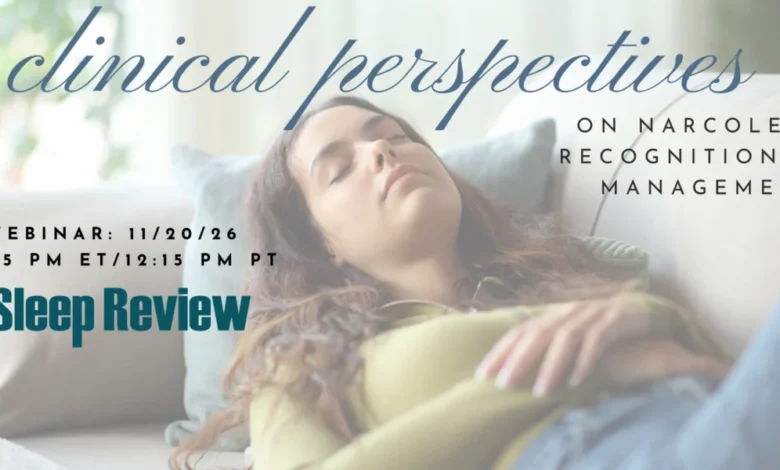
Narcolepsy remains one of the most misunderstood and underdiagnosed sleep disorders in modern medicine, often leaving patients in a diagnostic limbo that can span several years. To address the critical need for earlier intervention, a specialized clinical webinar titled "Narcolepsy Recognition and Management" will be held on Friday, November 20, at 12:15 pm PT/3:15 pm ET. The session, led by Anne Marie Morse, DO, FAASM, and Maggie Lavender, MSN, APRN, FNP-C, aims to provide healthcare professionals with the diagnostic framework necessary to identify subtle symptoms, navigate differential diagnoses, and implement personalized treatment plans that significantly improve patient outcomes.
The Diagnostic Challenge: Why Narcolepsy Often Goes Unnoticed
The clinical presentation of narcolepsy is frequently heterogeneous, meaning it rarely manifests as a textbook case. While the public image of the condition often centers on sudden sleep attacks, the reality for patients is far more complex. Symptoms such as excessive daytime sleepiness (EDS), cataplexy—a sudden loss of muscle tone often triggered by strong emotions—sleep paralysis, and hypnagogic hallucinations often emerge gradually.
Because these symptoms are common to other conditions, such as depression, chronic fatigue syndrome, sleep apnea, or even simple sleep deprivation, patients frequently seek help from primary care providers who may not immediately suspect a neurological sleep disorder. Data suggests that the average delay from the onset of symptoms to an accurate narcolepsy diagnosis is approximately eight to ten years. This significant lag period results in profound impacts on a patient’s professional performance, academic success, and overall mental health.
Chronology of the Diagnostic Journey
Understanding the timeline of a patient’s experience is crucial for clinicians aiming to reduce the time to diagnosis. The progression typically follows a distinct, albeit slow, trajectory:
- Symptom Onset: Often occurring in adolescence or early adulthood, the initial signs of EDS may be dismissed by the patient or their family as a byproduct of a busy lifestyle or puberty-related fatigue.
- Initial Clinical Consultations: Patients often present to primary care or general medicine clinics with vague complaints of feeling "tired" or "unfocused." Without specific screening questions, clinicians may suggest lifestyle adjustments, such as improving sleep hygiene or increasing physical activity.
- Symptom Exacerbation: As the condition persists, secondary symptoms like sleep paralysis or disrupted nighttime sleep begin to emerge. By this stage, the impact on quality of life is substantial, often leading to secondary mental health issues like anxiety or social withdrawal.
- Referral to Specialists: The transition to a sleep specialist or neurologist is often delayed until symptoms become debilitating or the patient experiences a severe episode of cataplexy.
- Clinical Confirmation: Through polysomnography and the Multiple Sleep Latency Test (MSLT), a formal diagnosis is finally rendered, allowing for the initiation of targeted pharmacological and behavioral interventions.
Supporting Data and Prevalence
Epidemiological studies indicate that narcolepsy affects approximately 1 in 2,000 individuals globally, though experts argue these figures likely underrepresent the true prevalence due to diagnostic barriers. In the United States, an estimated 135,000 to 200,000 people are living with narcolepsy, yet only a fraction have received a formal diagnosis.
The financial burden of this diagnostic delay is also notable. Studies have shown that patients with undiagnosed or poorly managed narcolepsy utilize healthcare resources at a higher rate than the general population due to frequent visits for symptoms they do not yet realize are related. Furthermore, the loss of productivity—both in the classroom for young students and in the workplace for adults—represents a substantial economic cost. By shortening the diagnostic path, the medical community can help restore patient functionality and reduce the broader societal impact of the disorder.
Expert Perspectives: The Role of the Clinician
The upcoming webinar will feature two prominent figures in the field who are committed to changing the standard of care for sleep disorders.
Anne Marie Morse, DO, FAASM, brings a wealth of expertise in pediatric and adult sleep medicine. Her work frequently focuses on the neurological underpinnings of sleep disorders and the development of multidisciplinary care teams. Her participation in the session is expected to highlight the importance of recognizing early pediatric markers, which could prevent the long-term developmental setbacks associated with untreated sleep disorders.
Joining her is Maggie Lavender, MSN, APRN, FNP-C, who offers a frontline clinical perspective. As a nurse practitioner, Lavender’s role is critical in the patient-provider interface. Her insights are expected to focus on the practical application of screening tools in high-volume, time-constrained clinical environments. She advocates for the integration of sleep-specific health history questionnaires during routine annual check-ups, which could act as a vital safety net for patients who might otherwise remain undiagnosed.
Advancing Diagnostic Decision-Making
The webinar aims to move beyond theoretical knowledge, focusing instead on "actionable intelligence." Attendees will be guided through:
- Strategic Questioning: Shifting from general inquiries about tiredness to targeted questions about the quality of sleep, the nature of dream states, and the specific triggers for cataplexy.
- Differential Diagnosis Mapping: Understanding the overlap between narcolepsy and other comorbidities to prevent misdiagnosis.
- Individualized Management: Once a diagnosis is reached, navigating the modern landscape of treatment options, which includes both wake-promoting agents and medications specifically targeting cataplexy.
Broader Implications for Healthcare Systems
The implications of improving narcolepsy recognition are far-reaching. When clinicians are empowered to identify potential cases earlier, the entire healthcare ecosystem benefits. Improved diagnostic speed leads to more efficient resource allocation, as patients are moved directly to appropriate specialists rather than cycling through unnecessary tests for cardiac or psychiatric issues.
Furthermore, the integration of such training into continuing education programs—such as the CSTE program, which has submitted this event for approval by the Board of Registered Polysomnographic Technologists (BRPT)—ensures that the knowledge base of the medical community continues to evolve. As the medical community places a higher priority on sleep health, the stigma associated with sleep disorders, including narcolepsy, is likely to diminish, encouraging more patients to come forward with their concerns.
The Future of Patient Care
The webinar serves as a call to action for the medical community to refine its approach to sleep medicine. By acknowledging that narcolepsy is a neurobiological condition rather than a behavioral one, healthcare professionals can better support their patients. The focus on early identification and evidence-based management is not merely a clinical exercise; it is a fundamental shift toward a more compassionate and effective model of care.
For those interested in the technical aspects of the accreditation, the CSTE program’s application to the BRPT underscores the importance of standardized education for professionals involved in sleep technology and medicine. Following the presentations, the event will feature a live audience Q&A session, providing a platform for practitioners to discuss specific case studies, common pitfalls in their own practices, and the latest research in the field.
As the date of the event approaches, the medical community’s focus on this topic reflects a growing recognition that sleep is a pillar of health that has been overlooked for too long. Through the expertise provided by Dr. Morse and Nurse Practitioner Lavender, the upcoming webinar represents a significant step forward in the collective effort to ensure that patients with narcolepsy receive the timely, accurate, and empathetic care they require to lead full and productive lives. The path to diagnosis may be long, but through education and clinical vigilance, the journey for the next generation of patients will be significantly shorter.